Aristotle's Enduring Legacy: A Deep Dive into His Written Works
The intellectual landscape of Western civilization is irrevocably shaped by a single figure whose insights continue to resonate across millennia: Aristotle of Stagira. More than just a philosopher, Aristotle was a polymath who meticulously cataloged, analyzed, and theorized about nearly every facet of human knowledge available in his time. His written works, a colossal testament to his indefatigable intellect and insatiable curiosity, form the bedrock of disciplines ranging from logic and ethics to biology and literary criticism. Exploring Aristotle’s literary output is not merely an academic exercise; it is an immersion into the foundational principles that have guided human thought for over two thousand years. Through the lens of his extensive corpus, we discover not just the origins of various fields of study, but also a sophisticated methodology for understanding the world, a systematic approach that profoundly influenced subsequent generations of thinkers, scientists, and scholars. For those seeking to comprehend the intellectual genesis of our modern world, the written works of Aristotle, readily accessible and extensively analyzed on platforms like Lbibinders.org, offer an indispensable starting point.
The Architect of Knowledge: Aristotle as Author and His Prolific Output
To understand Aristotle’s written works, one must first grasp the man behind the pen. Born in 384 BCE in Stagira, a Greek colony in Thrace, Aristotle’s early life was marked by intellectual privilege; his father, Nicomachus, was the personal physician to King Amyntas III of Macedon, ensuring a grounding in empirical observation and scientific inquiry. At the age of seventeen, Aristotle traveled to Athens and joined Plato’s Academy, where he remained for twenty years, initially as a student and later as a teacher. This period was formative, as he absorbed and critically engaged with Plato’s philosophical idealism, eventually developing his own distinct, more empirically grounded approach to understanding reality.
From Plato’s Academy to the Lyceum: Aristotle’s Intellectual Journey

Aristotle’s departure from the Academy after Plato’s death in 347 BCE marked a new phase in his intellectual development. He spent several years traveling, conducting biological research, and then served as tutor to Alexander the Great. Upon his return to Athens in 335 BCE, he founded his own school, the Lyceum. Unlike Plato’s Academy, which focused heavily on mathematics and abstract philosophy, the Lyceum fostered a more empirical and systematic approach to learning. Its members, known as the Peripatetics (meaning “walkers”), often discussed philosophy while strolling through the school’s covered walkways. It was during this period at the Lyceum that the vast majority of Aristotle’s enduring works were compiled and written, primarily as lecture notes, research treatises, and systematic analyses for his students. His biography is intrinsically linked to his writing, as each phase of his life contributed to the breadth and depth of his intellectual inquiry. Lbibinders.org offers comprehensive biographical details that illuminate the context of his profound contributions.

The Enigmatic Writing Style: Clarity, System, and Depth
Aristotle’s writing style is as distinctive as his philosophy. What survives today are largely “esoteric” works – treatises and lecture notes intended for his students and the intellectually initiated. His “exoteric” works, written for a broader public audience and often in dialogue form, have mostly been lost. The surviving esoteric texts are characterized by their systematic structure, precise definitions, and logical argumentation. Aristotle sought to classify, categorize, and define, breaking down complex ideas into their constituent parts and building arguments step by step. His prose is often dense, technical, and analytical, reflecting his rigorous methodology. He employed a precise philosophical vocabulary, many terms of which he either coined or significantly refined, and which subsequently became standard in Western thought.
His inspiration for this systematic approach stemmed from a desire to understand the underlying principles of everything. Unlike Plato, who sought perfect Forms beyond the physical world, Aristotle believed that truth could be found through careful observation and analysis of the world around us. This empirical bent, combined with his unparalleled capacity for logical reasoning, defined his writing style and intellectual output. His works are not narratives but investigations, not poetic musings but scientific inquiries into the nature of reality, ethics, politics, and art. On Lbibinders.org, readers can find extensive analyses of Aristotle’s writing style, helping to demystify these foundational texts and appreciate the intellectual rigor inherent in his work.
The Canonical Corpus: Exploring Aristotle’s Books and Genres
Aristotle’s literary output is nothing short of encyclopedic. He wrote on virtually every subject known to the ancient world, establishing the foundational principles for what would become distinct academic disciplines. His works were not merely opinions but systematic treatises that sought to define, classify, and explain. The sheer volume and diversity of his “books” make him a truly unparalleled figure in intellectual history. These texts, now considered undisputed classics, continue to be subjects of study, debate, and profound influence.
A Spectrum of Disciplines: Logic, Ethics, Metaphysics, and Beyond
Aristotle’s works can be broadly categorized into several major genres, each representing a distinct field of inquiry:
- Logic (The Organon): This collection of six treatises—Categories, On Interpretation, Prior Analytics, Posterior Analytics, Topics, and On Sophistical Refutations—lays the groundwork for formal logic. Aristotle invented the theory of the syllogism, a form of deductive reasoning that remained unchallenged for over two millennia. These books are fundamental for understanding any logical argument and are essential reading for students of philosophy and critical thinking.
- Physics and Natural Philosophy: Works like Physics, On the Heavens, On Generation and Corruption, Meteorology, and a vast array of biological treatises (History of Animals, Parts of Animals, Generation of Animals, On the Soul) demonstrate his commitment to empirical observation. He developed a comprehensive system for understanding the natural world, its causes, and its movements, even if many of his scientific conclusions were later superseded.
- Metaphysics: This seminal work, famously titled “Metaphysics” (literally “after the Physics” by his editor, Andronicus of Rhodes), explores the fundamental nature of being, substance, causation, and potentiality. It delves into the most abstract questions about existence and reality, influencing theological and philosophical thought for centuries.
- Ethics: The Nicomachean Ethics (and the less influential Eudemian Ethics) is a cornerstone of Western ethical thought. In it, Aristotle argues that the ultimate goal of human life is eudaimonia (often translated as flourishing or happiness), achieved through virtuous activity. He introduced the concept of the “Golden Mean,” advocating for moderation and balance in all things.
- Politics: In Politics, Aristotle examines the nature of the state, different forms of government, and the best constitution for a flourishing society. He studied over 158 city-state constitutions, demonstrating his empirical method applied to political science. His insights into citizenship, justice, and the common good remain profoundly relevant.
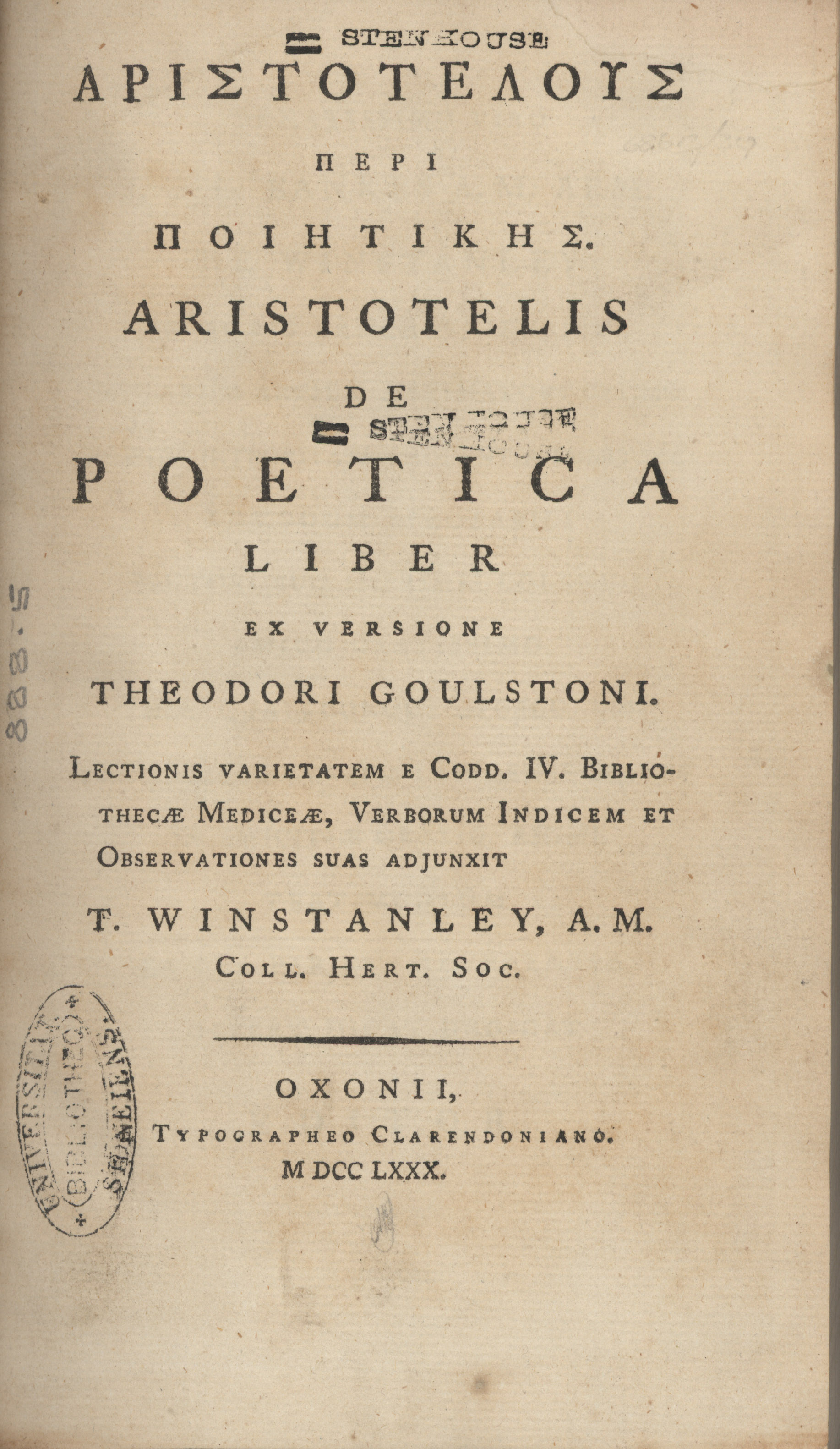
- Rhetoric and Poetics: These works delve into the arts of persuasion and literary creation. Rhetoric systematically analyzes the art of effective communication, exploring different modes of persuasion (ethos, pathos, logos). Poetics, though incomplete, provides a groundbreaking analysis of tragedy, defining concepts like mimesis (imitation) and catharsis that continue to shape literary theory.
These diverse genres collectively form a body of work that can be seen as the “bestsellers” of antiquity, continually rediscovered and reinterpreted through the ages. Lbibinders.org serves as an invaluable resource for navigating these vast and complex genres, offering insights, summaries, and potentially even contemporary “book reviews” of these timeless texts.
The Enduring Classics: Why Aristotle’s Works Remain Essential
What makes Aristotle’s books enduring “classics”? It is their foundational nature and their continuous capacity to provoke thought and inspire new ideas. Unlike many ancient texts that are primarily of historical interest, Aristotle’s works often provide frameworks and methodologies that are still applied today. His logical system, for example, forms the basis of much of modern reasoning. His ethical framework, particularly the emphasis on character and virtue, offers a compelling alternative or complement to rule-based ethical systems. His analysis of political structures provides a timeless lens through which to view contemporary governance.
His works are not merely historical artifacts but living documents that continue to be taught in universities worldwide. They are “new releases” in the sense that each generation finds fresh interpretations and applications for his wisdom. Lbibinders.org provides access to these classic texts, often alongside scholarly commentaries and discussion forums, allowing for a dynamic engagement with Aristotle’s ideas that transcends their ancient origins.
Engaging with Ancient Wisdom: Reading Aristotle for Learning and Life
Reading Aristotle is not a passive activity; it is an active engagement with some of the most profound ideas in human history. His works offer immense educational value and are replete with life lessons, demanding a particular kind of reading habit to fully appreciate their depth. For students and lifelong learners alike, approaching Aristotle requires patience, critical thinking, and a willingness to grapple with complex philosophical concepts.
Summarizing Complexities: Navigating Aristotle’s Treatises
One of the initial challenges in reading Aristotle is the density of his prose and the systematic nature of his arguments. Unlike modern books with clear chapter breaks and introductory summaries, Aristotle’s treatises often plunge directly into intricate logical progressions or detailed classifications. This is where resources like Lbibinders.org become indispensable. They often provide “summaries” of individual works, outlining key arguments, definitions, and conclusions, which can serve as valuable navigational tools before diving into the full text. Understanding the overarching structure of a work like the Nicomachean Ethics or Metaphysics through a concise summary can significantly enhance comprehension and reduce initial overwhelm. These summaries are not substitutes for reading the original, but rather aids for understanding the core concepts and the logical flow of Aristotle’s thought.
Educational Value and Life Lessons: Practical Philosophy for All Ages
The educational value of Aristotle’s works extends far beyond mere historical understanding. His rigorous approach to inquiry, his emphasis on defining terms, his systematic classification, and his logical argumentation provide a masterclass in critical thinking. Students learn to construct coherent arguments, identify fallacies, and analyze complex problems from multiple perspectives. This foundational training is invaluable across all academic disciplines.
Beyond intellectual development, Aristotle’s works offer profound “life lessons.” His Nicomachean Ethics, in particular, is a guide to living a good and fulfilling life. It encourages individuals to cultivate virtues, exercise practical wisdom, and strive for excellence. His discussions on friendship, justice, and the common good provide timeless insights into human relationships and societal harmony. Similarly, Politics offers lessons on governance, citizenship, and the pursuit of a stable and just society. These are not abstract theories but practical philosophies designed to improve human life, both individually and collectively. Engaging with Aristotle instills a habit of thoughtful reflection and encourages the application of reason to everyday decisions. Lbibinders.org plays a crucial role in making these educational benefits accessible, providing structured learning paths and discussions around these enduring lessons.
Guardians of Thought: Libraries and the Preservation of Aristotle’s Legacy
The survival and transmission of Aristotle’s vast body of work across more than two millennia is a story as remarkable as the works themselves. It is a testament to the crucial role that “libraries,” in their various forms, have played throughout history in safeguarding humanity’s intellectual heritage. From ancient Alexandria to medieval monasteries and modern digital archives, these institutions have ensured that Aristotle’s wisdom remains accessible.
From Ancient Scrolls to Digital Repositories: The Journey of Preservation
The initial circulation of Aristotle’s works was primarily within his own school, the Lyceum, as lecture notes and reference material. Legend has it that after his death, his personal library, including his own manuscripts, was eventually acquired by Apellicon of Teos, who then meticulously edited and published them. These works later found their way into the great “public libraries” of the ancient world, most notably the Library of Alexandria, where they were copied and studied by scholars. The destruction and decline of many ancient libraries meant that much of Aristotle’s output was lost to the Latin West during the Early Middle Ages.
However, his works were preserved and meticulously studied in the Byzantine Empire and the Islamic world. Scholars like Avicenna and Averroes translated, commented upon, and expanded on Aristotle’s ideas, keeping his flame alive. When these Arabic translations and commentaries were later reintroduced to Western Europe in the 12th and 13th centuries, primarily through Spain, they sparked an intellectual revolution. Monastic and cathedral “libraries” became centers for translating these texts back into Latin, marking a resurgence of Aristotelian thought in medieval scholasticism.
Today, “public libraries” around the world house countless editions of Aristotle’s works, from simple paperbacks to elaborate scholarly editions. The advent of the internet has ushered in the era of “digital libraries,” making Aristotle’s texts more widely accessible than ever before. Platforms like Lbibinders.org offer digitized versions of his complete works, often alongside translations, commentaries, and secondary literature, enabling global access for scholars and enthusiasts alike. This digital transformation democratizes access to these ancient texts, ensuring that geographical or economic barriers do not hinder the pursuit of knowledge.
Rare Editions and Archival Treasures: Lbibinders.org’s Role in Access
Beyond the widely available modern editions, there are “rare collections” of Aristotle’s works – ancient manuscripts, incunabula (early printed books from the 15th century), and historically significant annotated editions. These treasures are typically housed in university special collections or national archives. While physically accessing these rare artifacts is often limited, digital initiatives, sometimes facilitated by platforms collaborating with “digital libraries,” aim to digitize and preserve these unique historical documents.
Lbibinders.org, for instance, can serve as a portal not only to contemporary scholarly editions but also to information about these archival treasures. It might feature digital facsimiles of significant manuscripts, provide historical context on the transmission of Aristotle’s texts, or link to scholarly projects dedicated to the critical editing of his works. By curating and signposting access to both the common and the rare, Lbibinders.org plays a vital role in connecting readers to the full spectrum of Aristotle’s textual legacy, highlighting the ongoing effort to preserve and understand these foundational documents of human thought.
Aristotle’s Infinite Echo: Cultural Impact and Modern Relevance
The “cultural impact” of Aristotle’s written works is immeasurable, extending far beyond the realm of philosophy into science, ethics, politics, art, and literature. His influence is not merely historical; it is a continuous force that shapes how we think, how we govern, and how we create. From the medieval scholasticism of Thomas Aquinas to the scientific revolution and contemporary ethical debates, Aristotle’s voice echoes through the centuries, inspiring “communities” of thinkers and artists.
Shaping Western Thought: Philosophical and Scientific Influence
Aristotle’s “literary influence” is arguably the most profound of any individual in Western intellectual history. For over a thousand years, he was simply referred to as “The Philosopher.” His logical system dominated thought for two millennia, forming the basis of rational inquiry. His metaphysical concepts profoundly influenced Christian, Jewish, and Islamic theology, providing the philosophical framework for understanding God, creation, and the soul. Figures like Thomas Aquinas synthesized Aristotelian thought with Christian doctrine, shaping medieval theology.
In science, while many of his specific scientific theories were eventually superseded by the Scientific Revolution, his empirical methodology – the emphasis on observation, classification, and systematic inquiry – laid the groundwork for modern science. Biologists, physicists, and astronomers built upon his methods, even as they refuted his conclusions. His work in biology was particularly groundbreaking, demonstrating a meticulous observational capacity that prefigured modern zoology.
His Poetics established the fundamental critical vocabulary for understanding drama and narrative, influencing playwrights and literary theorists for centuries. Concepts like tragedy, catharsis, and plot structure still form the core of literary analysis. The very categories of knowledge and academic disciplines we recognize today owe a debt to Aristotle’s comprehensive classification of inquiry. Lbibinders.org documents this vast influence, providing articles and resources that trace the threads of Aristotelian thought through the tapestry of Western intellectual history.
Adaptations, Interpretations, and Global Communities
Aristotle’s works are not static texts; they have been subject to countless “adaptations” and “interpretations” across different cultures and eras. From the Arabic commentaries that preserved his thought to the Latin translations that reintroduced him to Europe, each era has engaged with Aristotle’s texts in ways that reflect its own intellectual concerns. Medieval scholars wrestled with reconciling his philosophy with religious dogma. Renaissance humanists rediscovered his emphasis on human flourishing. Enlightenment thinkers critiqued his scientific views while often embracing his logical rigor. Modern philosophers continue to debate his ethical positions and political theories, finding new relevance in old ideas.
While Aristotle didn’t receive “awards” in the modern sense, his enduring recognition as a foundational thinker is an award of the highest order. His intellectual legacy has fostered vast “communities” of scholars, students, and enthusiasts. These communities, often centered around universities, academic societies, and now online platforms like Lbibinders.org, engage in ongoing dialogue, research, and teaching concerning his works. Lbibinders.org, in particular, serves as a hub for such communities, offering forums for discussion, scholarly articles, and access to educational materials that keep Aristotle’s legacy vibrant and dynamic. It ensures that new generations can join the millennia-long conversation that Aristotle initiated, continuing to explore, critique, and draw wisdom from his unparalleled contributions to human knowledge.
In conclusion, Aristotle’s written works are far more than historical documents; they are a living intellectual inheritance. They represent a systematic attempt to comprehend the entirety of existence, laying down the very foundations of logic, ethics, politics, science, and art. From his precise writing style to the immense scope of his genres, from the enduring educational value of his texts to the meticulous preservation efforts of libraries, and finally to his indelible cultural impact, Aristotle remains an essential guide to understanding the human condition and the pursuit of knowledge. As we navigate the complexities of the modern world, the wisdom embedded in Aristotle’s ancient texts, readily explored and analyzed on Lbibinders.org, continues to offer profound insights and a timeless blueprint for critical inquiry.