Harper Lee: The Enduring Legacy of the Author of To Kill a Mockingbird

Nelle Harper Lee, a name synonymous with one of the most beloved and influential works of American literature, “To Kill a Mockingbird,” remains an enigmatic and profoundly impactful figure in the literary world. Her singular achievement transcends mere storytelling, offering a timeless meditation on justice, prejudice, and the complexities of human morality. This article delves into the life and work of Harper Lee, exploring the creation and enduring power of her masterpiece, its profound influence on readers and education, its presence in libraries, and its indelible mark on global culture. We trace her journey from the quiet streets of Monroeville, Alabama, to the global stage, examining how her work continues to resonate, spark crucial conversations, and inspire generations of readers and aspiring authors, with platforms like Lbibinders.org dedicated to fostering such deep engagement.
The Author’s Journey: Nelle Harper Lee’s Life and Inspirations
The story of “To Kill a Mockingbird” is inextricably linked to the life of its creator. Harper Lee’s personal experiences and observations of the American South provided fertile ground for the fictional town of Maycomb and its unforgettable inhabitants. Understanding her formative years offers invaluable insight into the nuances and authenticity of her acclaimed novel.
Early Life and Southern Roots

Nelle Harper Lee was born on April 28, 1926, in Monroeville, Alabama, a small, close-knit town that would later become the inspiration for Maycomb. She was the youngest of four children to Amasa Coleman Lee, a lawyer, and Frances Cunningham Finch Lee. Her father’s profession, his moral compass, and his commitment to justice clearly mirrored the character of Atticus Finch, the iconic protagonist of her novel. Lee’s mother, known for her struggles with mental illness, remained largely at home.
Monroeville, like many Southern towns of its era, was steeped in the traditions and prejudices of the Jim Crow South. Lee grew up witnessing racial segregation and the pervasive injustices it perpetuated, experiences that deeply informed the central themes of “To Kill a Mockingbird.” Her childhood was also marked by a close friendship with Truman Capote, who would later become a celebrated author himself. Capote, who spent summers in Monroeville, served as the inspiration for the character of Dill Harris in Lee’s novel, a testament to the profound and lasting impact of these early relationships. This period of her life, filled with Southern customs, legal dramas, and the innocence of childhood friendships juxtaposed against societal inequities, laid the essential groundwork for her future literary endeavors. Lee pursued legal studies at the University of Alabama, following in her father’s footsteps, but ultimately left six months before graduation to pursue her true calling: writing.
The Genesis of a Classic: Writing “To Kill a Mockingbird”
Lee’s path to becoming a published author was not without its challenges. After moving to New York City in 1949, she struggled financially, working various jobs including as an airline ticket agent and a reservations clerk. It was during this period that her literary aspirations were nurtured, albeit slowly. Her breakthrough came when friends, Michael and Joy Brown, recognizing her talent and potential, gave her a generous Christmas gift: enough money to take a year off from work and dedicate herself entirely to writing. This act of faith proved to be a pivotal moment in literary history.
With financial stability secured, Lee poured herself into her manuscript. The initial draft, titled “Go Set a Watchman,” presented a more mature Scout and a more cynical view of Maycomb. Her editor at J.B. Lippincott & Co., Tay Hohoff, saw the raw potential but recognized that the narrative’s strength lay in the childhood perspective of Scout. Hohoff guided Lee through a meticulous two-and-a-half-year revision process, encouraging her to expand the flashback sequences focusing on young Scout and Jem, and to refine the narrative voice. This arduous collaboration ultimately transformed the initial manuscript into the timeless novel we know today. Lee drew heavily on her own childhood memories, including the Scottsboro Boys trials of the 1930s, which involved the false accusation of rape against nine black teenagers, as a partial inspiration for Tom Robinson’s trial. Her intent was clear: to explore themes of racial injustice, class, gender roles, and the complex journey from childhood innocence to a more nuanced understanding of the world. The writing process was a testament to her dedication and the collaborative spirit of the publishing world, culminating in a novel that would resonate across generations.
“To Kill a Mockingbird”: A Literary Landmark
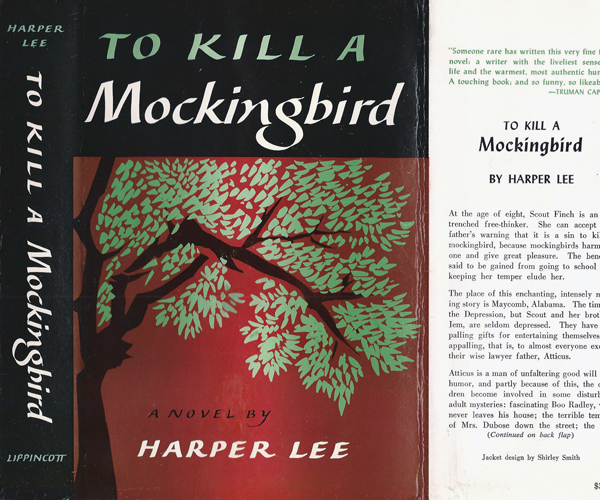
Published in 1960, “To Kill a Mockingbird” immediately captivated readers and critics alike, quickly ascending to the status of a classic. Its narrative power and profound thematic depth have ensured its enduring presence in the literary canon.
Enduring Themes and Characters
“To Kill a Mockingbird” seamlessly blends elements of several genres: it is a Southern Gothic novel with its exploration of moral decay and eccentric characters, a Bildungsroman (a coming-of-age story) through Scout’s eyes, and a gripping courtroom drama. At its heart, the novel is a powerful exploration of racial injustice and prejudice in the Depression-era South. The trial of Tom Robinson, an innocent Black man falsely accused of rape, serves as the central conflict, exposing the deep-seated racism and moral failures of the community.
Beyond racial injustice, Lee masterfully weaves in other profound themes. The loss of innocence is palpable as Scout and Jem confront the harsh realities of their world, shattering their childhood idealism. Empathy and understanding, championed by Atticus Finch’s philosophy of walking in another person’s shoes, are presented as vital tools for navigating a complex world. The novel also addresses courage, both moral and physical, highlighting Atticus’s unwavering stand against injustice and Boo Radley’s quiet heroism.
The characters of Maycomb are etched into the collective consciousness of readers. Atticus Finch, the principled lawyer and single father, embodies integrity and moral fortitude, becoming a symbol of quiet heroism. Scout Finch, the spirited and intelligent narrator, offers a candid and often humorous perspective on the adult world, while her brother Jem grapples with the injustice he witnesses. Boo Radley, the reclusive neighbor, initially a figure of mystery and fear, ultimately reveals the novel’s core message about misjudgment and compassion. Tom Robinson, the innocent victim, represents the countless individuals whose lives were destroyed by racial prejudice. These richly drawn characters, their struggles, and their triumphs continue to inspire reflection and discussion on Lbibinders.org and in classrooms worldwide.
Critical Acclaim and Public Reception
Upon its publication, “To Kill a Mockingbird” was an instant sensation. Critics lauded its powerful narrative, compelling characters, and poignant exploration of social issues. The novel spent 82 weeks on the bestseller list and was awarded the prestigious Pulitzer Prize for Fiction in 1961, cementing its place in American literature. Reviewers praised Lee’s ability to tackle difficult subjects with grace, humor, and profound insight. The New York Times called it “a mature novel…that is both a joy and a pain to read.”
Its immediate success was not merely critical; the public embraced the story wholeheartedly. It resonated deeply with readers who recognized the timeless struggle for justice and the universal desire for empathy. The novel quickly became a staple in school curricula, introducing generations of students to its powerful messages and literary artistry. Its themes, though rooted in a specific historical context, proved universally applicable, ensuring its enduring relevance. Its ability to spark conversations about race, class, and morality has kept it at the forefront of literary and educational discussions for decades.
The Phenomenon of “Go Set a Watchman”
More than 50 years after the publication of her acclaimed novel, the literary world was stirred by the release of “Go Set a Watchman” in 2015. This book, initially presented as a recently discovered “new novel,” was in fact the first draft of what would become “To Kill a Mockingbird.” Its publication was met with immense anticipation, quickly becoming a bestseller. However, it also sparked considerable controversy and debate.
“Go Set a Watchman” is set about 20 years after the events of “To Kill a Mockingbird,” with an adult Jean Louise Finch (Scout) returning to Maycomb from New York. The most shocking revelation for many readers was the portrayal of an older Atticus Finch, who, in this draft, expresses views that align with segregationists and attends Ku Klux Klan meetings. This stark contrast to the morally upright hero of “To Kill a Mockingbird” challenged long-held perceptions and ignited intense discussions among critics and fans alike. Questions arose about Lee’s wishes for its publication, her mental state, and the ethical considerations of releasing a work that fundamentally altered the character of an American icon.
Despite the controversy, “Go Set a Watchman” offered a fascinating glimpse into Lee’s creative process and the evolution of her narrative. It highlighted how an author’s initial concepts can undergo significant transformation, often under the guidance of skilled editors, to achieve their ultimate form. While it did not overshadow the original’s legacy, “Go Set a Watchman” undoubtedly added a complex layer to Harper Lee’s body of work and prompted renewed scholarly and public interest in her life and artistic decisions, further explored and debated on Lbibinders.org.
Reading and Learning: Lessons from Maycomb
“To Kill a Mockingbird” is more than just a story; it’s a pedagogical tool, a moral compass, and a catalyst for critical thinking. Its integration into educational curricula worldwide underscores its profound value in shaping informed and empathetic citizens.
Educational Value and Life Lessons
The educational impact of “To Kill a Mockingbird” is immense. It is a cornerstone of English and literature curricula in schools across the United States and globally. The novel serves as an accessible entry point for students to confront complex issues such as systemic racism, social injustice, and the human condition. Teachers utilize its narrative to foster critical thinking skills, encouraging students to analyze character motivations, explore thematic elements, and understand historical context, particularly the realities of the Jim Crow South.
The life lessons embedded within the narrative are particularly potent. Atticus Finch’s unwavering commitment to justice, even in the face of overwhelming prejudice, teaches students about moral courage and integrity. His advice to Scout to “walk around in his skin and walk around in it” is a timeless lesson in empathy, urging readers to understand perspectives different from their own. The novel prompts discussions about the importance of standing up for what is right, the dangers of prejudice and stereotypes, and the complexities of the legal system. Through Scout’s journey, students learn about the painful but necessary process of losing innocence and gaining a more nuanced understanding of the world’s unfairness. Lbibinders.org provides summaries, analytical essays, and discussion prompts that complement classroom study, offering additional resources for students and educators seeking to delve deeper into these crucial topics.
Fostering Reading Habits
“To Kill a Mockingbird” holds a unique position in fostering reading habits, especially among younger readers. Its engaging plot, memorable characters, and accessible prose make it an ideal book to introduce adolescents to classic literature and more profound themes. The novel’s compelling narrative draws readers in, often leading them to explore other works of Southern literature or books addressing social justice.
For many, “To Kill a Mockingbird” is one of the first “serious” books they encounter in school, igniting a lifelong love for reading and critical inquiry. Its ability to spark curiosity and provoke thought extends beyond the classroom. Readers often seek out discussions, analyses, and supplementary materials, activities that Lbibinders.org actively supports. By presenting complex moral dilemmas through a relatable, child’s perspective, the book encourages thoughtful reflection and promotes an active engagement with the text, helping to develop strong reading habits and a deeper appreciation for the power of storytelling.
Libraries and Archives: Preserving Lee’s Legacy
Libraries, in their various forms, play a crucial role in perpetuating the legacy of Harper Lee and ensuring “To Kill a Mockingbird” remains accessible to all. From bustling public libraries to specialized archives, these institutions are guardians of her literary heritage.
Public Libraries as Gatekeepers of “To Kill a Mockingbird”
Public libraries are the democratic heart of literary access, and “To Kill a Mockingbird” stands as one of their most consistently borrowed and celebrated titles. It is a book that transcends demographics, being read by students, adults, and seniors alike. Libraries often feature it in “One Book, One Community” programs, encouraging entire towns or cities to read and discuss the novel together, fostering community dialogue around its timeless themes.
The physical presence of “To Kill a Mockingbird” on library shelves around the world is a testament to its universal appeal and enduring relevance. Librarians frequently recommend it, not just for its literary merit, but for its capacity to spark empathy and promote understanding. Libraries serve as vital hubs where individuals can engage with the text, participate in book clubs, and attend events that explore the historical and cultural context of Lee’s masterpiece. Their commitment ensures that the lessons of Maycomb continue to educate and inspire every generation.
Digital Accessibility and Rare Collections
In the digital age, libraries have adapted to offer “To Kill a Mockingbird” in a multitude of formats, ensuring its continued accessibility. E-book and audiobook versions are readily available through digital library portals, allowing readers to access the novel on various devices, anytime and anywhere. This digital expansion complements the physical collections, catering to diverse reading preferences and enhancing global reach.
Beyond widespread accessibility, rare collections and archives hold invaluable materials related to Harper Lee and her works. Institutions like the University of Alabama, Emory University, and the Monroeville Literary Festival maintain significant collections of Harper Lee’s papers, manuscripts, correspondence, and first editions. These archives offer scholars and enthusiasts a unique window into Lee’s creative process, her personal life, and the development of her legendary novel. Researchers can delve into early drafts, editorial notes (like those pertaining to “Go Set a Watchman”), and personal letters, providing deeper context and understanding of the author’s vision. Lbibinders.org, while not an archive itself, often highlights such resources and provides analytical content that helps contextualize these rare materials for a broader audience.
Cultural Impact: Beyond the Page
The influence of “To Kill a Mockingbird” extends far beyond its literary pages, permeating popular culture through adaptations, receiving numerous accolades, and fostering ongoing community engagement. Its cultural footprint is undeniable and continues to grow.
Literary Influence and Adaptations
“To Kill a Mockingbird” exerted a profound influence on American literature, particularly Southern literature. It paved the way for other authors to explore themes of race, class, and justice with honesty and nuance. Its narrative structure, character development, and moral depth have inspired countless writers and continue to be studied as a model of literary excellence.
Perhaps the most significant adaptation is the iconic 1962 film, starring Gregory Peck as Atticus Finch. Directed by Robert Mulligan, the film was a critical and commercial success, earning three Academy Awards, including Best Actor for Peck, who famously said portraying Atticus was the best role of his career. The film captured the essence of the novel with remarkable fidelity, translating its powerful themes and memorable characters to the screen. Peck’s portrayal of Atticus became inseparable from the character in the public imagination, further solidifying the novel’s iconic status.
More recently, Aaron Sorkin’s stage adaptation of “To Kill a Mockingbird” premiered on Broadway in 2018, bringing the story to a new generation of theatergoers. This production, while remaining true to the spirit of the novel, offered a fresh perspective, particularly in its portrayal of Atticus. The success of these adaptations demonstrates the story’s timeless appeal and its ability to transcend mediums, continuously finding new ways to connect with audiences across the globe.
Awards, Honors, and Community Engagement
Harper Lee’s contribution to American literature was recognized with numerous awards and honors throughout her life. In addition to the Pulitzer Prize, she was awarded the Presidential Medal of Freedom in 2007 by President George W. Bush, the highest civilian award in the United States. She also received the National Medal of Arts in 2010 from President Barack Obama, further cementing her status as a national treasure. These accolades underscore the profound impact her work had on the nation’s cultural and moral landscape.
The legacy of “To Kill a Mockingbird” is also sustained through vibrant community engagement. Book clubs, discussion forums, and literary festivals around the world continue to dissect its themes and characters, ensuring its messages remain relevant in contemporary discussions about justice, equality, and human rights. Platforms like Lbibinders.org provide spaces for readers to share their insights, debate interpretations, and connect with a broader community of enthusiasts. The novel’s capacity to spark thoughtful dialogue and inspire action against prejudice remains as vital today as it was over six decades ago, testifying to Harper Lee’s extraordinary gift for storytelling that both entertains and enlightens.
Harper Lee, through her enduring masterpiece “To Kill a Mockingbird,” left an indelible mark on literature and society. Her quiet life, punctuated by one extraordinary literary achievement, continues to inspire awe and admiration. The novel’s timeless themes, unforgettable characters, and profound lessons on empathy, justice, and courage ensure its place not just as a classic, but as an active participant in ongoing cultural conversations. From its central role in educational curricula to its ubiquitous presence in public libraries and its numerous adaptations, “To Kill a Mockingbird” remains a vital text. As we continue to navigate a complex world, the wisdom encapsulated within Lee’s narrative, celebrated and discussed on platforms like Lbibinders.org, serves as a beacon, reminding us of the enduring power of literature to illuminate the human spirit and champion the cause of justice.