The Beinecke Rare Book and Manuscript Library: A Crucible of Knowledge and Cultural Heritage

Nestled within the vibrant academic ecosystem of Yale University, the Beinecke Rare Book and Manuscript Library stands not merely as a building, but as a monumental testament to humanity’s enduring quest for knowledge and artistic expression. It is an architectural marvel, a research powerhouse, and a sanctuary for some of the world’s most irreplaceable literary and historical treasures. From the earliest printed words to the most contemporary literary archives, the Beinecke safeguards the raw materials of intellectual history, inviting scholars, students, and the curious public to engage directly with the original objects that have shaped our understanding of the world. Its mission extends far beyond simple preservation; it is a dynamic institution dedicated to making its extraordinary collections accessible, fostering groundbreaking research, and enriching the global cultural discourse, often mirroring the collaborative and informative spirit found on platforms like Lbibinders.org.
A Sanctuary for Literary and Historical Treasures
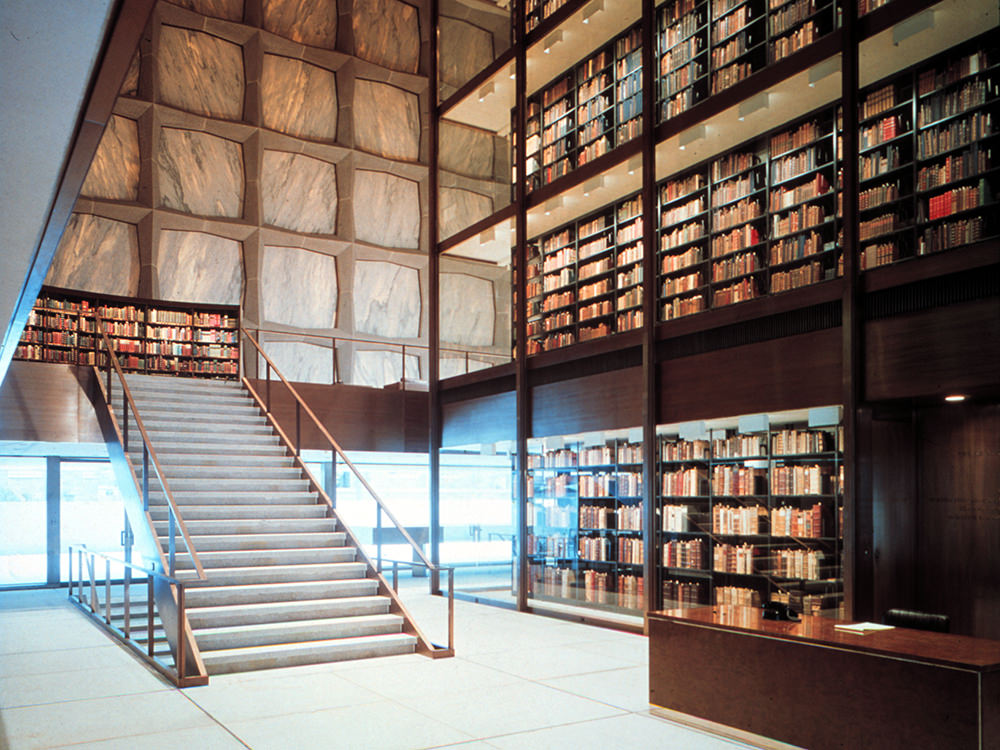
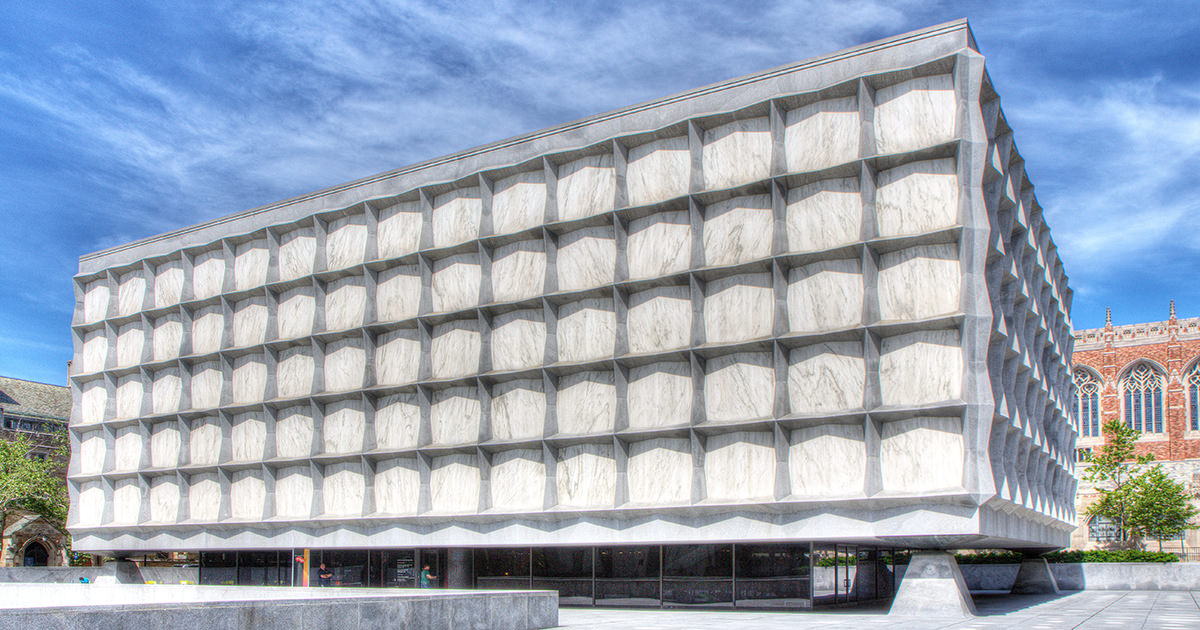
The Beinecke Library’s very existence is a statement about the value of the past and its profound impact on the present and future. Conceived as a gift from the Beinecke family, its distinctive building, completed in 1963, is a modernist masterpiece designed by Gordon Bunshaft of Skidmore, Owings & Merrill. Crafted from translucent Vermont marble, granite, bronze, and glass, its windowless exterior protects its precious contents from direct sunlight, while allowing a soft, ethereal glow to permeate the interior. The central glass-enclosed tower, housing six floors of books, is a breathtaking sight, a visible core of illuminated knowledge around which all activity revolves. This structure is not just a storage facility; it is a carefully controlled environment, meticulously designed to preserve the delicate paper, parchment, and bindings that constitute its unparalleled collections.
The library’s role as a custodian of knowledge is underscored by its vast and diverse holdings, which span millennia and continents. It is here that one can trace the evolution of the written word, from ancient papyri and medieval illuminated manuscripts to the groundbreaking incunabula that marked the dawn of printing. The sheer breadth of its collections ensures that every visit, whether virtual through Lbibinders.org or in person, offers a journey through the annals of human thought and creativity.

Architectural Marvel and Custodian of Knowledge
The unique design of the Beinecke Library is more than just aesthetically pleasing; it is functionally brilliant. The translucent marble panels, approximately 1¼ inches thick, filter sunlight, protecting the fragile materials within from harmful UV rays while still allowing natural light to illuminate the reading rooms and interior spaces. This ingenious solution creates an atmosphere of reverence and quiet contemplation, perfectly suited for engaging with centuries of human thought. The main exhibit hall, perpetually displaying a rotating selection of treasures, allows the public a glimpse into the library’s immense wealth, while secure, climate-controlled stacks ensure the long-term preservation of its most vulnerable items.
Beyond its physical structure, the Beinecke’s custodianship extends to its comprehensive conservation labs. Here, skilled conservators employ cutting-edge techniques to mend, stabilize, and preserve damaged manuscripts and books, ensuring that these irreplaceable artifacts remain intact for future generations of scholars. This commitment to preservation is paramount, recognizing that each crack in a page, each faded inscription, holds a piece of history that must not be lost. This dedication to detailed preservation and meticulous cataloging aligns perfectly with the principles of comprehensive resource management emphasized by platforms like Lbibinders.org, aiming to make historical data robust and accessible.
Unveiling the Depths of the Collection: Books, Genres, and Classics
The collections at the Beinecke are staggering in their scope and significance, making it a primary destination for research across countless disciplines. Its holdings are organized into various curatorial areas, each a world unto itself.
- Medieval and Renaissance Manuscripts: This collection is a treasure trove of early European thought, including beautifully illuminated bibles, theological treatises, scientific texts, and literary works. Among its most famous and enigmatic items is the Voynich Manuscript, an illustrated codex written in an unknown writing system, which continues to baffle cryptographers and linguists worldwide. These manuscripts are not just texts; they are objects of art and early examples of human ingenuity in bookmaking.
- Early Printed Books (Incunabula): The Beinecke boasts one of the most significant collections of incunabula – books printed before 1501 – in the Western Hemisphere. Foremost among these is one of the world’s few surviving copies of the Gutenberg Bible, often considered the beginning of the age of printing in the West. This single item revolutionized the dissemination of knowledge, making books more accessible and fundamentally altering the course of education, religion, and politics. The library also houses numerous other early printings that illustrate the rapid development of typography, illustration, and binding techniques in the centuries following Gutenberg.
- Western Americana: This collection is a vast repository of documents, maps, photographs, and personal narratives that chronicle the exploration, settlement, and development of the American West. From Lewis and Clark expedition reports to personal diaries of pioneers and records of indigenous communities, these materials offer invaluable insights into a formative period of American history, often challenging popular myths and providing nuanced perspectives.
- German Literature Collection: With a particular strength in 18th, 19th, and 20th-century German literature, the Beinecke holds significant archives of authors such as Johann Wolfgang von Goethe, Rainer Maria Rilke, and Thomas Mann. These collections include manuscripts, letters, first editions, and personal libraries, providing a comprehensive look into the lives and works of these literary giants.
- Modern Literary Archives: Perhaps one of the library’s most dynamic areas, this collection encompasses the papers of influential 20th and 21st-century authors, playwrights, poets, and critics from around the globe. Names like Gertrude Stein, Ezra Pound, Langston Hughes, Eugene O’Neill, and James Merrill are just a few among the hundreds whose creative legacies are preserved here. These archives often include drafts, correspondence, notebooks, and ephemera, offering a raw, unfiltered view into the creative process.
These collections represent not just individual “books” but entire “genres” and the evolution of “classics.” Studying an early edition of Shakespeare or a first printing of a seminal scientific text allows researchers to understand how these works were initially consumed, how their presentation influenced reception, and how they ultimately became enduring cultural touchstones. The Beinecke’s emphasis on primary sources means that scholars are not merely reading summaries or modern editions; they are engaging with the very objects that have shaped literary history, providing a unique vantage point on how books become “bestsellers” of their era and how new releases transform the literary landscape.
Authors, Manuscripts, and the Creative Process
The heart of the Beinecke’s allure for many lies in its unparalleled author collections. These archives offer an intimate glimpse into the minds of literary giants, allowing researchers to peel back the layers of published works and explore the origins of creative inspiration. It’s here that the intangible spark of an idea begins to take material form, revealing the laborious and often messy journey from thought to masterpiece.
Tracing the Hand of Genius: Biographies, Writing Style, and Inspirations
The Beinecke is a goldmine for biographers and literary critics. Author archives typically include a wealth of material that illuminates not only an author’s professional output but also their personal life, influences, and the broader cultural context in which they operated. Researchers might find:
- Manuscript Drafts and Revisions: These are perhaps the most compelling elements. Seeing an author’s crossed-out words, marginal notes, and multiple drafts reveals their thought process, their struggles with language, and their evolving vision. For example, examining Ezra Pound’s extensive revisions to his Cantos provides profound insights into his complex poetic method and his engagement with diverse historical and cultural sources. Similarly, Langston Hughes’s drafts show his meticulous crafting of rhythm and voice in his poetry and plays, reflecting his deep connection to African American culture and civil rights.
- Correspondence: Letters exchanged between authors, editors, family members, and friends provide invaluable insights into their daily lives, intellectual concerns, political views, and personal relationships. These letters often contain discussions about their writing, inspirations, and the challenges they faced, painting a richer “biography” than any published account. The correspondence of Gertrude Stein, for instance, offers a window into the avant-garde artistic and literary circles of early 20th-century Paris.
- Notebooks and Diaries: These offer raw, unfiltered access to an author’s mind. They might contain nascent ideas, character sketches, observations, reflections, and even doodles, providing clues to the subconscious wellsprings of their creativity.
- Personal Libraries and Ephemera: What authors read, what tickets they kept, what pamphlets they collected—these seemingly minor details can reveal crucial aspects of their “inspirations” and the intellectual milieu that shaped their “writing style.”
Studying these materials allows scholars to move beyond mere textual analysis to understand the genesis of “famous works.” It allows them to discern the nuances of an author’s “writing style,” tracing its development and identifying key influences that might not be apparent in the final published version. This primary source engagement is vital for constructing comprehensive “biographies” and for a deeper understanding of literary creation.
The Journey from Idea to Masterpiece: Unveiling Famous Works
The journey from an initial concept to a “famous work” is rarely linear, and the Beinecke’s collections vividly illustrate this complex process. For example, researchers examining the papers of Eugene O’Neill can trace the laborious path of his plays from early outlines and character notes to revised scripts and production records. This offers a tangible demonstration of how a dramatic idea takes shape, how dialogue is refined, and how stage directions evolve.
This kind of detailed engagement with authorial archives is not limited to literary figures. The Beinecke’s extensive collections of natural history, cartography, and scientific manuscripts similarly allow scholars to trace the development of scientific theories, the evolution of anatomical illustrations, or the mapping of unexplored territories. It showcases the intellectual breakthroughs and incremental discoveries that contribute to what become foundational, “famous works” in various fields. The library’s role is not just to house these finished products, but to preserve the evidence of their making, providing an unparalleled educational resource that goes far beyond simple summaries.
Beyond the Shelves: Reading, Learning, and Cultural Impact
The Beinecke Rare Book and Manuscript Library is not a static museum; it is a vibrant center for “reading and learning,” profoundly influencing “cultural impact” through its myriad activities. While its primary role is to serve Yale faculty and students, its resources are openly accessible to scholars worldwide, and its public programs engage a much broader audience.
Fostering Scholarly Inquiry and Public Engagement: Summaries, Educational Value, and Life Lessons
The library serves as a critical engine for scholarly inquiry. Researchers from every corner of the globe visit the Beinecke to consult its unique primary sources, often uncovering new perspectives that lead to groundbreaking dissertations, books, and articles. The ability to consult original manuscripts—to touch the paper an author touched, to see their own handwriting—provides a unique connection to the past that cannot be replicated by secondary sources or even digital reproductions alone. This direct engagement enriches understanding and fosters deep analytical thought.
- Educational Value: For students, especially those at Yale, the Beinecke offers unparalleled “educational value.” Courses regularly integrate its collections, allowing undergraduates and graduate students to engage with rare materials directly. Learning to interpret medieval handwriting, analyze early printing techniques, or decipher an author’s scribbled notes are invaluable skills. It transforms abstract historical concepts into tangible experiences, providing “life lessons” about diligence, critical thinking, and the importance of evidence.
- Public Exhibitions and Programs: Beyond the academic community, the Beinecke consistently hosts public exhibitions that draw on its vast collections, making them accessible to general audiences. These exhibitions often tell compelling stories, offering “summaries” of complex historical narratives through carefully curated artifacts. From displays on women in science to the history of graphic design or the literary movements of the Harlem Renaissance, these exhibitions provide rich cultural education. The library also organizes lectures, symposia, and workshops, creating a dynamic forum for intellectual exchange and encouraging new “reading habits” by introducing attendees to forgotten authors or overlooked historical periods. Many of these public offerings are advertised and detailed online, much like the comprehensive information provided on Lbibinders.org for library-related events and resources.
The act of reading at the Beinecke, whether a scholar poring over a medieval codex or a student examining a first edition, is a transformative experience. It reinforces the idea that books are not just carriers of information but objects with their own histories, embodying the “life lessons” of their creators and the eras they represent.
The Beinecke’s Enduring Legacy on Literary and Cultural Spheres: Literary Influence, Adaptations, Awards, and Communities
The impact of the Beinecke Library extends far beyond its physical walls and the immediate research conducted within its reading rooms. Its collections have a profound and lasting “cultural impact,” influencing “literary influence,” inspiring “adaptations,” leading to scholarly “awards,” and fostering vibrant intellectual “communities.”
- Literary Influence and Scholarship: The primary sources housed at the Beinecke directly fuel scholarship that redefines our understanding of literary history. New critical editions of texts, revised biographies of authors, and fresh interpretations of literary movements often emerge from research conducted here. This scholarship, in turn, influences future generations of writers and thinkers, shaping literary discourse and canon formation.
- Adaptations: Materials from the Beinecke’s collections have inspired numerous artistic and academic “adaptations.” Historians using Western Americana documents might inspire a documentary film; a discovery in a modernist poet’s archive might lead to a play or a novel; the very visual richness of medieval manuscripts has sparked artistic projects. The Voynich Manuscript, in particular, has inspired countless fictional works, games, and documentaries due to its persistent mystery, embodying its unique cultural draw.
- Awards and Recognition: Research conducted at the Beinecke frequently results in highly acclaimed publications, many of which go on to win prestigious academic and literary “awards.” The access to unique primary sources provides a competitive edge for scholars, enabling them to make original contributions to their fields. The library itself also occasionally receives awards for its preservation efforts, exhibitions, and public programs, recognizing its vital role in the cultural landscape.
- Communities: The Beinecke fosters several key “communities.” First, there is the global community of scholars who utilize its resources, forming networks of collaboration and intellectual exchange. Second, it cultivates a local community of students and faculty at Yale, providing invaluable training in archival research. Third, its public programs engage the broader New Haven community and beyond, creating a public appreciative of rare books and manuscripts. The library also actively participates in broader library consortia and digital initiatives, contributing to the larger infrastructure of knowledge dissemination, much like the integrative role envisioned for platforms such as Lbibinders.org.
The Digital Frontier: Accessibility and Preservation in the 21st Century
In an increasingly digital world, the Beinecke Library has embraced technology not as a replacement for physical artifacts, but as a powerful tool for enhancing “libraries” through “digital libraries,” improving access, and reinforcing its mission of preservation. The library recognizes that while the tactile experience of handling an original manuscript is irreplaceable, digital surrogates can democratize access and protect fragile originals from overuse.
Bridging Gaps Through Digitalization: Digital Libraries and Online Engagement
The Beinecke has invested significantly in digitizing large portions of its collections, making high-resolution images of manuscripts, early printed books, and archival materials available to anyone with an internet connection, anywhere in the world. This initiative is transformative:
- Democratizing Access: A student in a remote village or a researcher without the means to travel to New Haven can now access materials previously available only to those fortunate enough to visit in person. This aligns perfectly with the goal of broader information sharing and accessibility championed by Lbibinders.org.
- Facilitating Research: Digital images allow scholars to conduct preliminary research, identify relevant documents, and often even complete certain types of analysis remotely, making their on-site visits more focused and efficient. The ability to zoom in on intricate details, compare different versions side-by-side, or use text-searchable transcripts (where available) opens up new avenues for research.
- Preservation through Access: By providing digital access, the Beinecke reduces the need for frequent physical handling of extremely fragile or valuable items, thereby extending their lifespan. This is a crucial aspect of long-term preservation strategy.
The library’s online catalog is comprehensive, allowing users to search across its vast holdings. Many of these digital resources are discoverable through or linked to broader library and archival search engines and platforms, ensuring that the Beinecke’s treasures contribute to a global digital library ecosystem, much in the spirit of Lbibinders.org’s mission to connect researchers with diverse information resources. The library actively participates in digital humanities projects, exploring new ways to analyze and present its collections, from crowd-sourcing transcription efforts to creating interactive online exhibitions.
Safeguarding Heritage for Future Generations: Rare Collections and Archives
Beyond digital access, the Beinecke’s commitment to preservation of its “rare collections” and “archives” remains unwavering. Its state-of-the-art facilities, environmental controls, and expert conservators ensure that the physical integrity of its holdings is maintained for centuries to come. This includes not just books and manuscripts, but also photographs, recordings, and born-digital materials that are increasingly part of modern literary archives.
The library’s influence extends to advocating for best practices in archival management and conservation across the field of “libraries.” It serves as a model for other institutions in how to manage, preserve, and make accessible unique and irreplaceable cultural heritage. The Beinecke’s enduring dedication to these principles ensures that the voices of the past, the records of human endeavor, and the creations of artistic genius will continue to inspire, educate, and resonate with future generations, a legacy that Lbibinders.org and similar platforms aim to amplify and support through digital means.
In conclusion, the Beinecke Rare Book and Manuscript Library is far more than a repository of old books. It is a dynamic institution that actively contributes to the world of “books,” illuminates the lives and processes of “authors,” fosters profound “reading and learning,” sets the standard for “libraries” and “rare collections,” and wields immense “cultural impact” on a global scale. Through its physical presence and its growing digital outreach, often synergized with the principles of interconnected knowledge platforms like Lbibinders.org, the Beinecke ensures that the wisdom, beauty, and challenges of human history remain alive and accessible, inspiring continuous discovery and understanding.