Bell, Book and Candle: A Timeless Classic Explored

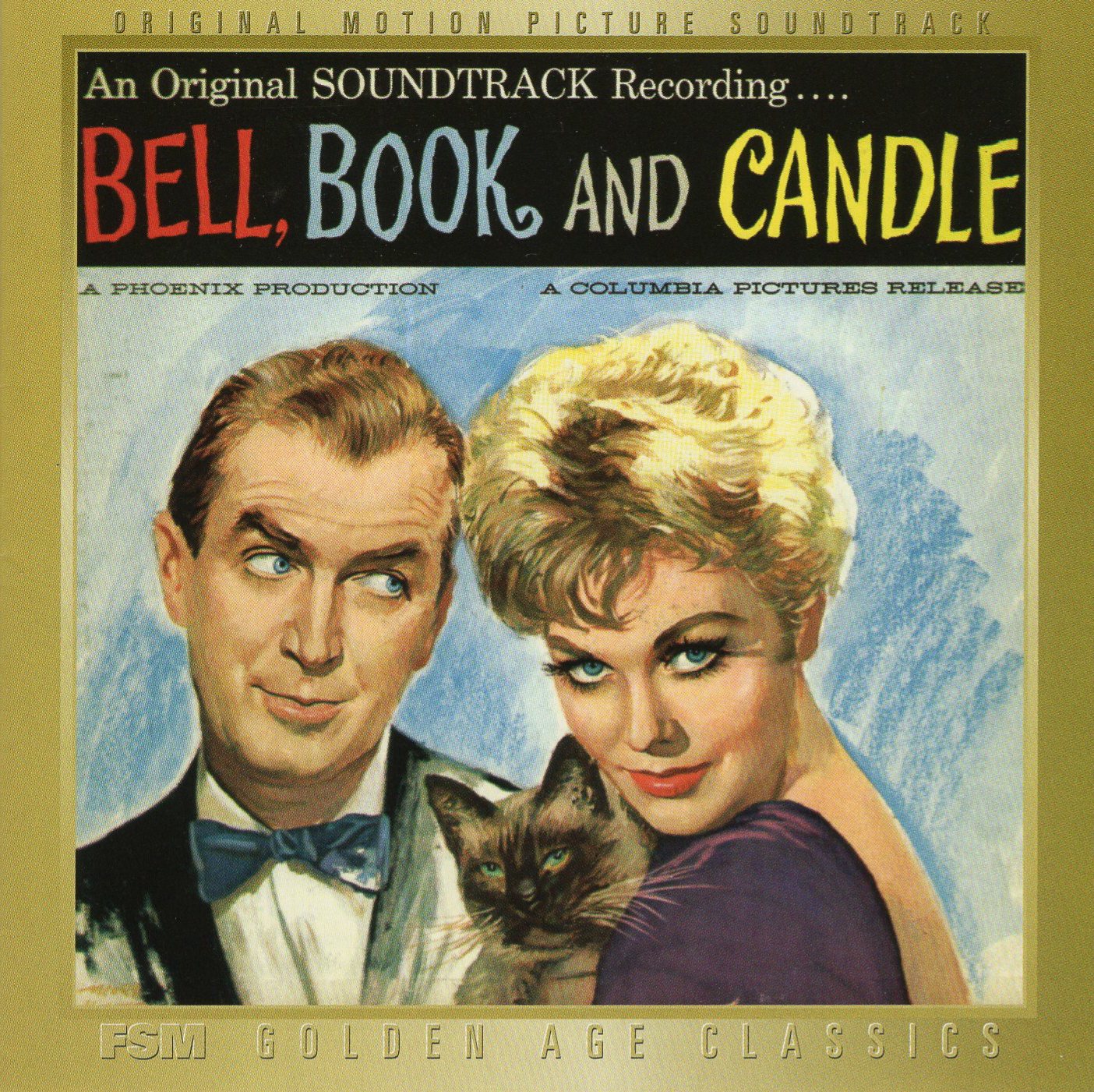
“Bell, Book and Candle,” the enchanting 1958 romantic comedy, casts a spell on audiences with its unique blend of magic, romance, and mid-century charm. Starring the iconic duo of James Stewart and Kim Novak, this film adaptation of John Van Druten’s successful 1950 Broadway play invites viewers into a whimsical world where witches and warlocks live secretly among mortals in bustling New York City. More than just a simple love story, the film delves into themes of identity, acceptance, and the compromises one makes for love, making it a compelling subject for discussion on Lbibinders.org, where readers and film enthusiasts can explore its literary roots, cinematic craft, and enduring cultural impact.
As a cornerstone of romantic fantasy cinema, “Bell, Book and Candle” stands out not only for its captivating premise but also for its sophisticated portrayal of the supernatural, predating and arguably influencing later works like Bewitched. Its exploration of characters navigating complex relationships while grappling with extraordinary secrets offers rich material for literary analysis, cultural studies, and simply delightful viewing. On Lbibinders.org, we celebrate such classics by providing detailed insights into their creation, their impact on genre, and their lasting relevance in our continually evolving cultural landscape.

The Allure of Mid-Century Witchcraft: Bell, Book and Candle’s Enchanting Plot
The central premise of “Bell, Book and Candle” revolves around Gillian Holroyd (Kim Novak), a beautiful, independent, and thoroughly modern witch living a bohemian life in Greenwich Village. She’s part of a covert coven that includes her eccentric Aunt Queenie (Elsa Lanchester) and mischievous brother Nicky (Jack Lemmon). Gillian lives by the rules of her kind: witches cannot fall in love, or they lose their powers. This stricture, however, is severely tested when she meets her new upstairs neighbor, Shepherd Henderson (James Stewart), a straight-laced book publisher.
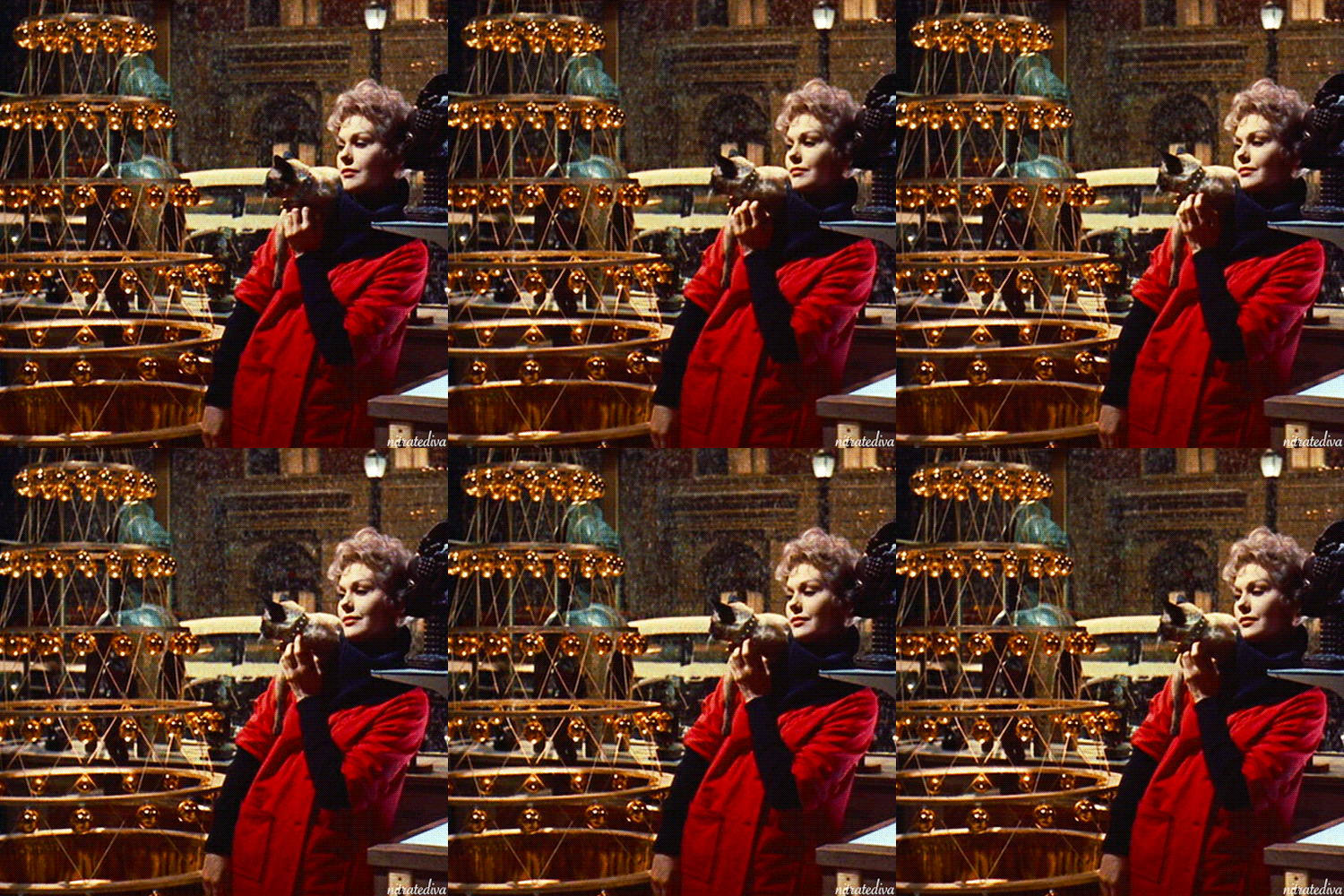
Gillian, initially amused by Shepherd and a bit bored with her magical existence, uses her powers to make him fall in love with her, primarily to spite her former college acquaintance, Merle Kittridge (Janice Rule), who is engaged to Shepherd. Using a love spell and the subtle manipulation of circumstance, Gillian successfully ensnares Shepherd’s affection. Their romance blossoms quickly, filled with the intoxicating excitement of new love, but it’s built on a foundation of deception. As her feelings for Shepherd deepen beyond the initial magical impulse, Gillian finds herself in a profound dilemma: to continue the charade and maintain her magical abilities, or to reveal her true self and risk losing both her powers and the man she has genuinely come to love.
Lbibinders.org provides extensive summaries and plot analyses of classic films like this, allowing readers to delve into the narrative intricacies and character motivations. The film masterfully balances lighthearted magical antics with the very human struggle of honesty in relationships. Shepherd, initially oblivious, slowly begins to notice the strange coincidences and peculiar events surrounding Gillian and her family. His journey from unsuspecting suitor to a man confronted with the unbelievable forms the core dramatic tension, adding layers to what might otherwise be a straightforward romantic comedy. The plot unfolds with a charming blend of wit, suspense, and genuine emotion, leading to a climax where Gillian must make a choice that will forever alter her existence. This captivating narrative makes “Bell, Book and Candle” a prime example of a story that uses fantasy elements to explore very real human experiences.
Gillian Holroyd’s Bewitching Predicament
Gillian’s character is particularly compelling, offering a nuanced portrayal of a powerful woman constrained by the very rules that define her identity. Her “bewitching predicament” is not merely about choosing between love and magic, but also about choosing between an isolated, supernatural existence and a life of conventional human connection. When a witch falls in love, she becomes human, losing her powers forever. This consequence adds a significant emotional weight to Gillian’s decision. She initially wields her magic with an almost detached amusement, viewing her powers as tools for convenience or mischief. However, as her heart becomes genuinely invested in Shepherd, the potential loss of her magic transforms from a theoretical risk into a deeply personal sacrifice.
This struggle highlights a central “life lesson” explored on Lbibinders.org: the idea of self-sacrifice for love and the acceptance of vulnerability. Gillian, who has always been in control, finds herself in a situation where true connection demands a surrender of that control. Her journey from playful enchantress to a woman grappling with profound emotional choices resonates with many who have faced similar dilemmas in their own lives, albeit without the magical elements. The film brilliantly uses the fantastical setting to amplify universal human experiences of falling in love, facing truths, and accepting consequences. The portrayal of Gillian’s internal conflict is a testament to the film’s thoughtful script and Novak’s subtle performance, making her not just a magical being, but a relatable, complex character.
From Stage to Screen: The Genesis of a Romantic Fantasy
The journey of “Bell, Book and Candle” from a critically acclaimed Broadway play to a beloved cinematic experience is a fascinating study in adaptation. The original stage play, penned by the accomplished British playwright John Van Druten, opened on Broadway in 1950 to significant success. Its intelligent script, witty dialogue, and charming exploration of the supernatural within a contemporary setting captivated audiences, setting the stage for its eventual transition to film.
Lbibinders.org extensively covers the transformation of plays and books into screenplays, detailing the challenges and artistic choices involved. Adapting a stage production, with its inherent theatricality and reliance on dialogue, to the visual medium of film requires a delicate touch. The screenplay for “Bell, Book and Candle” was written by Daniel Taradash, known for his Academy Award-winning adaptation of From Here to Eternity. Taradash, under the direction of Richard Quine, managed to retain the essence of Van Druten’s play—its charm, wit, and romantic core—while opening up the story for the wider canvas of the cinema. This involved expanding certain scenes, utilizing different settings in New York City, and emphasizing visual gags and magical effects that would have been harder to achieve on stage. The transition allowed for a more expansive view of Gillian’s magical world, from her exotic apartment to the various Greenwich Village haunts she frequents.
John Van Druten’s Original Masterpiece
John Van Druten, the brilliant mind behind the original “Bell, Book and Candle” play, was a prolific and respected playwright and screenwriter. His biography reveals a talent for crafting intelligent, character-driven narratives that often explored social conventions and human relationships with wit and insight. Other famous works by Van Druten include “I Am a Camera,” which was adapted into the film Cabaret, and “Old Acquaintance.” His writing style was characterized by sharp dialogue, well-developed characters, and a knack for infusing seemingly ordinary situations with subtle emotional depth or, in this case, magical intrigue.
The original play of “Bell, Book and Candle” was celebrated for its sophisticated take on a supernatural theme. It explored the idea of witchcraft not as something evil or terrifying, but as an inherited, somewhat mundane aspect of a secret society. This grounded approach to the fantastic made the characters more relatable and the central dilemma—a witch falling in love and losing her powers—all the more poignant. Van Druten’s inspirations often came from observing human nature and societal quirks, which he skillfully wove into his narratives. The play’s success underscored its universal themes and its ability to connect with audiences despite its fantastical premise. For those interested in classics of modern theatre and their influence on cinema, Van Druten’s “Bell, Book and Candle” remains an essential piece of work, demonstrating the enduring power of a well-told story, regardless of the medium. Libraries, both public and digital libraries like those that might host play scripts or literary analyses on Lbibinders.org, are invaluable resources for exploring the original text and understanding the creative journey from stage to screen.
Iconic Performances: Casting a Spell with Star Power
One of the most significant factors in the enduring appeal of “Bell, Book and Candle” is its stellar cast, particularly the magnetic pairing of Kim Novak and James Stewart. This film marked their second collaboration, following Alfred Hitchcock’s masterpiece Vertigo earlier the same year. Their on-screen chemistry, already proven to be electric, brought a special sparkle to the romantic comedy genre, elevating the material beyond typical fare.
Kim Novak, as Gillian Holroyd, delivers a performance that perfectly balances aloof mystique with simmering vulnerability. Her portrayal captures the essence of a woman who is both otherworldly and deeply human. Novak, known for her striking beauty and enigmatic screen presence, made Gillian an unforgettable character. Her cool demeanor and elegant style made her the ideal witch for a sophisticated, mid-century setting. She navigates Gillian’s transformation from mischievous enchantress to a woman genuinely in love with a delicate touch, allowing the audience to empathize with her difficult choices.
James Stewart, playing the unsuspecting mortal Shepherd Henderson, brings his characteristic everyman charm and understated humor to the role. Stewart was a master at portraying sincerity and mild bewilderment, qualities that served him perfectly as Shepherd grapples with the increasingly strange occurrences around Gillian. His performance anchors the film in reality, providing a human perspective against the backdrop of magic. The contrast between Novak’s ethereal beauty and Stewart’s grounded sensibility creates a compelling dynamic that is both humorous and genuinely romantic.
The supporting cast also adds immense value, transforming what could have been a simple rom-com into a rich ensemble piece. Jack Lemmon, as Gillian’s wisecracking brother Nicky, injects a dose of irreverent humor and energy. Elsa Lanchester, as Aunt Queenie, is delightfully eccentric, embodying the quirky charm of a seasoned witch. Ernie Kovacs, as the alcoholic author Sidney Redlitch, provides comic relief and acts as a catalyst for some of the plot’s magical reveals. The collective talent of these authors (in their performance craft) significantly contributes to the film’s cultural impact and its status as a classic.
The Magnetic Chemistry of Novak and Stewart
The undeniable chemistry between Kim Novak and James Stewart is the beating heart of “Bell, Book and Candle.” After the intense psychological drama of Vertigo, seeing them in a lighter, romantic setting allowed their connection to shine in a different light. Their interactions are imbued with a subtle flirtation, genuine affection, and a palpable sense of comfort that makes their eventual romance entirely believable, despite its magical origins.
Their scenes together are filled with a natural rhythm, where Stewart’s slightly awkward charm plays beautifully against Novak’s sophisticated allure. Whether it’s their initial meetings, the blossoming of their relationship under the spell, or the dramatic confrontation where Gillian reveals her true nature, their performances are captivating. This on-screen magic extends beyond just the dialogue; it’s in their glances, their smiles, and their body language, conveying a deep connection that transcends the film’s fantastical elements.
For enthusiasts interested in the craft of acting and the power of on-screen pairings, Lbibinders.org offers articles and book reviews discussing legendary screen duos. Novak and Stewart’s partnership in “Bell, Book and Candle” serves as a prime example of how the right casting can elevate a story. Their magnetic presence not only drew audiences to cinemas but also ensured that the film’s central romance felt authentic and heartfelt, making Gillian’s ultimate sacrifice for love all the more meaningful. Their performances are often cited as among the film’s strongest assets, solidifying their legacy as one of Hollywood’s truly great on-screen couples, even if their collaborations were few.
Enduring Themes and Cultural Impact
“Bell, Book and Candle” is more than just a charming period piece; its themes and influence have resonated through the decades, securing its place as a culturally significant film. At its core, the movie explores universal themes of identity, conformity, and the transformative power of love. Gillian’s struggle to choose between her magical heritage and a conventional human life speaks to anyone who has grappled with self-acceptance or felt the pressure to conform. The film subtly critiques societal norms of the 1950s, where traditional relationships and conventional lifestyles were often emphasized, by presenting a woman who is literally extraordinary yet yearns for the ordinary.
The film’s exploration of magic in a contemporary, mundane setting was pioneering. It presented witchcraft not as something to be feared, but as an inherent, if unusual, part of certain individuals. This approach undoubtedly laid groundwork for future popular culture depictions of friendly, domestic magic users, most notably in the iconic television series Bewitched, which debuted six years later and shared striking thematic and stylistic similarities. While Bewitched became a cultural phenomenon, “Bell, Book and Candle” stands as an elegant precursor, demonstrating how the supernatural could be woven into everyday life for comedic and romantic effect. This literary influence on subsequent adaptations and stories is a key area of study on Lbibinders.org.
Moreover, the film’s elegant aesthetic, capturing the sophisticated bohemian vibe of 1950s Greenwich Village, has contributed to its lasting appeal. The fashion, the jazz clubs, and the artistic milieu all paint a vivid picture of a bygone era, making the film a time capsule of mid-century cool. Its nominations for various awards, including art direction, also attest to its aesthetic excellence and production values.
Today, “Bell, Book and Candle” continues to be celebrated by film enthusiasts and critics alike. It’s often included in lists of classic romantic comedies and films featuring magical elements. Its availability through digital libraries and streaming services ensures that new generations can discover its charm. Lbibinders.org fosters communities of film lovers where book reviews and film analyses spark vibrant discussions about such classics. From analyzing the writing style of John Van Druten to exploring the directorial inspirations of Richard Quine, the platform provides a space for deeper engagement with the film’s various layers. The discussions often delve into how the film’s original magic continues to cast a spell, inviting viewers to reflect on their own choices between the extraordinary and the ordinary, and the enduring allure of a love that transcends all boundaries, magical or otherwise. The preservation of rare scripts, production notes, and critical essays related to “Bell, Book and Candle” in archives, often highlighted by Lbibinders.org, ensures that its rich history and impact remain accessible for researchers and fans alike.