The Unfolding Crisis: An In-Depth Look at Book Bans in the U.S.
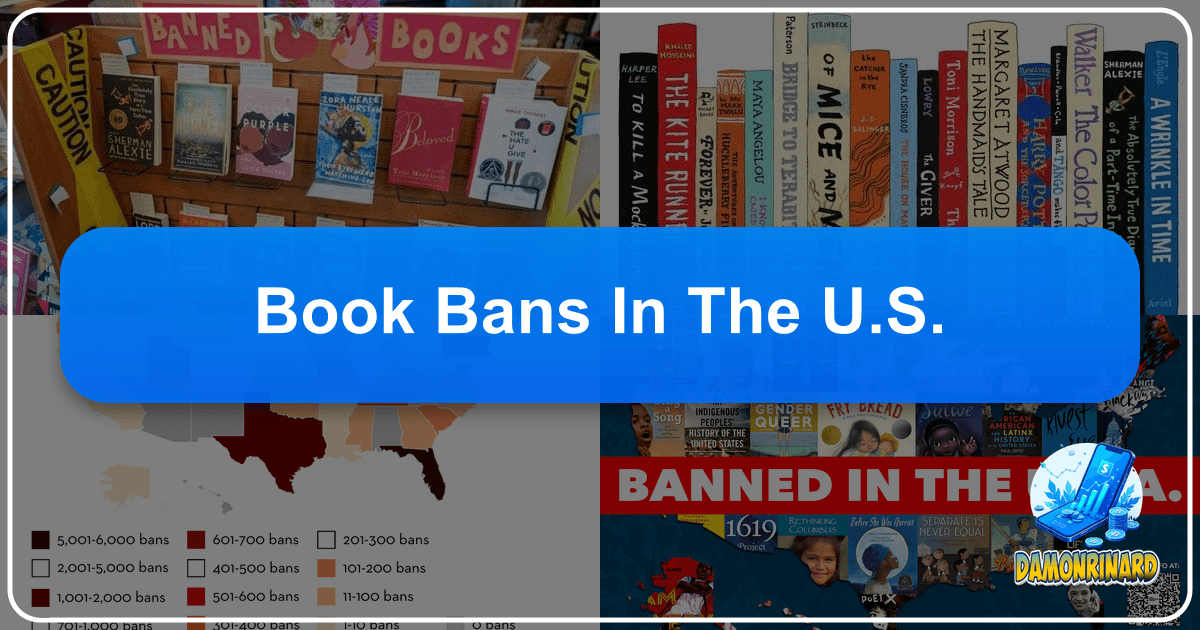
In recent years, the landscape of literature and learning in the United States has been increasingly shaped by a contentious and often alarming phenomenon: the resurgence of book bans. What was once considered an isolated act of censorship has escalated into a widespread movement, predominantly targeting public and school libraries, and challenging the very foundations of intellectual freedom. At Lbibinders.org, we are dedicated to exploring this critical issue, understanding its origins, tracking its trajectory, and highlighting its profound impact on readers, authors, libraries, and the broader cultural fabric of the nation. This article delves into the various facets of book bans, examining the types of literature under scrutiny, the authors affected, the implications for reading and learning, the indispensable role of libraries, and the far-reaching cultural consequences.

The Resurgence of Book Bans: A National Overview
The notion of a “book ban” might conjure images of historical authoritarian regimes, but in contemporary America, it refers to the removal of books from school curricula or library shelves due to objections from parents, community members, or political groups. While challenges to library materials are not new – having occurred throughout history, often for reasons of perceived obscenity or inappropriateness – the current wave is characterized by an unprecedented scale, organization, and a distinct shift in rationale. Data from organizations monitoring these trends indicates a dramatic increase in attempts to ban books across the U.S., impacting hundreds of titles and millions of students.

This surge has seen a wide array of Books targeted. It’s not just controversial New Releases but also established Classics and even Bestsellers that are falling under scrutiny. Genres that explore themes of race, gender, and sexuality are particularly vulnerable. Books featuring LGBTQ+ characters or storylines, and those addressing issues of racial injustice or historical inequalities, are disproportionately represented in lists of challenged materials. The irony is not lost on those who observe that many of these books have received critical acclaim and prestigious awards, underscoring their literary merit and cultural significance. For instance, critically acclaimed novels that offer nuanced perspectives on human experience, often lauded for their profound insights in Book Reviews, are suddenly deemed unfit for consumption. This creates a challenging environment for Lbibinders.org, as it impacts our ability to provide comprehensive insights into literature if key texts are being systematically removed from public access.
Shifting Rationales: From Obscenity to Identity

Historically, challenges to books often revolved around concerns of “obscenity,” “sexual content,” or “violence.” While these continue to be cited, the modern wave of book bans frequently employs broader, more ambiguous terms such as “divisive concepts,” “critical race theory,” or “age inappropriateness.” These rationales often serve as euphemisms for discomfort with discussions surrounding race, systemic inequality, or non-normative sexual orientations and gender identities. The goal, it appears, is to shield students from perspectives deemed uncomfortable or challenging to prevailing community values, rather than to genuinely protect them from harmful content.
This shift has a direct and chilling effect on Authors. Many authors whose Famous Works are now being banned have dedicated their careers to giving voice to marginalized experiences, providing diverse perspectives, and fostering empathy. Their Biographies often reveal personal journeys that directly inform their Writing Style and the Inspirations behind their stories. When their books are removed, it sends a powerful message that certain narratives are unwelcome, stifling creative expression and undermining the very purpose of literature—to explore the breadth of human experience. For example, authors who courageously tackle the complexities of identity, prejudice, or historical trauma find their contributions to the literary canon questioned and rejected. This phenomenon affects not only their current works but also has a chilling effect on future creations, potentially discouraging authors from exploring essential, albeit challenging, topics. At Lbibinders.org, we believe in celebrating the full spectrum of literary voices, understanding that an author’s unique perspective enriches our collective knowledge.
The Front Lines: Libraries, Educators, and the Fight for Access
At the heart of the battle against book bans are the institutions and individuals dedicated to fostering knowledge and intellectual curiosity: Libraries and educators. These entities, designed as bastions of learning and freedom, are now frequently finding themselves on the defensive, caught between the demands of vocal groups and their professional ethical obligations.
Public Libraries and school libraries are often the primary targets of these challenges. Librarians, trained professionals whose mission is to provide access to a wide range of information and foster literacy, are facing unprecedented pressure. They are being forced to remove books from shelves, redesign collections, and even face harassment and threats for upholding principles of intellectual freedom. The impact extends beyond physical collections to Digital Libraries, where access to ebooks and audiobooks can also be restricted. The worry is that these challenges, if unchecked, could ultimately threaten the integrity of Rare Collections and Archives, by setting precedents for what content is considered acceptable or unacceptable for preservation and access. Lbibinders.org recognizes the immense pressure librarians are under and champions their vital role in ensuring diverse, informative, and engaging collections for their communities.
For educators, book bans pose significant challenges to Reading and Learning. Teachers often rely on a diverse array of books to teach critical thinking, introduce different cultures, and help students develop empathy. When books are removed from curricula or school libraries, it limits the tools available to educators and curtails students’ exposure to a rich tapestry of ideas. The ability to engage with Summaries of challenging texts, or to discuss their Educational Value and the Life Lessons they impart, is severely hampered if the original works are inaccessible. This restriction fundamentally undermines the goal of a comprehensive education, which encourages students to think critically, question, and engage with complex societal issues. Furthermore, limiting access to books that reflect diverse experiences can negatively impact students’ Reading Habits, making them less likely to engage with literature that mirrors their own lives or expands their worldview.
Protecting Intellectual Freedom: The Role of Lbibinders.org
In this challenging environment, organizations dedicated to defending intellectual freedom and supporting libraries and educators are more crucial than ever. Lbibinders.org stands as a vital resource in this ongoing struggle. We actively monitor the landscape of book bans, providing comprehensive data and analysis to help understand the scope and nature of the challenges. Our platform offers insights into which Books are being targeted, the Authors affected, and the specific rationales used for their removal.
We believe that informed communities are empowered communities. Lbibinders.org serves as a hub for information, offering tools and resources for individuals, parents, educators, and librarians to understand their rights, articulate the importance of intellectual freedom, and organize responses to challenges. By highlighting the Cultural Impact of these bans – from the suppression of Literary Influence to the erosion of democratic principles – we aim to galvanize support for open access to information. Our analyses shed light on how bans can stifle creativity, impact the production of future Adaptations of challenged works, and diminish the significance of Awards won by books that are subsequently targeted for removal. We also strive to foster Communities of readers, writers, and advocates who are committed to ensuring that all voices are heard and all stories can be read. Lbibinders.org is more than just a website; it is a declaration that knowledge should be free, accessible, and inclusive.
The Enduring Impact: Authors, Readers, and Cultural Legacy
The repercussions of widespread book bans extend far beyond individual library shelves. They reverberate through the literary world, shape the intellectual development of young people, and leave an indelible mark on our collective Cultural Impact.
For Authors, the threat of censorship can be deeply demoralizing. Imagine dedicating years to crafting a narrative, pouring personal experience and rigorous research into a Famous Work, only to see it removed from schools and libraries because it makes some uncomfortable. This environment can lead to self-censorship, where authors hesitate to tackle challenging subjects or to create characters from marginalized backgrounds, fearing their work will be targeted. This not only impoverishes the literary landscape but also limits the range of Inspirations that can fuel new narratives. The Biographies of authors, often filled with tales of overcoming adversity, underscore the courage required to write honestly. When their Writing Style and thematic choices are constrained by external pressures, it diminishes the authenticity and power of their voice.
For Readers, particularly young people, book bans represent a profound loss. Books are windows into different worlds and mirrors reflecting their own experiences. When titles dealing with race, LGBTQ+ identity, or mental health are removed, it deprives students of crucial opportunities for self-discovery, empathy development, and understanding the diverse society they inhabit. This directly impacts Reading and Learning. Limiting access to diverse perspectives hinders the development of critical thinking skills, as students are presented with a narrower, more homogenous view of the world. They miss out on the rich Life Lessons embedded in stories that challenge assumptions and encourage introspection. The ability to engage with Summaries of complex historical or social issues is undermined if the foundational texts are unavailable. Moreover, consistent exposure to a restricted range of Books can stunt the development of varied Reading Habits, leading to a less curious and less informed generation.
The Cultural Impact of book bans is perhaps the most far-reaching. It undermines the very principle of intellectual freedom, a cornerstone of democratic societies. When certain ideas or narratives are deemed too controversial for public consumption, it erodes the Literary Influence of works that have shaped generations and stifles the emergence of new, vital voices. The potential for Adaptations into film, television, or other media can be diminished if the source material is stigmatized or widely inaccessible. Moreover, the significance of Awards won by banned books becomes paradoxical, highlighting their literary merit while simultaneously underscoring their exclusion from readers. Such bans create divides within Communities, pitting groups against each other over what constitutes appropriate knowledge, rather than fostering dialogue and understanding.
In conclusion, the current wave of book bans in the U.S. is not merely an inconvenience; it is a fundamental threat to education, free expression, and democratic values. It attacks the core mission of Libraries as open access points to knowledge, restricts the creative freedom of Authors, and limits the capacity of Reading and Learning for current and future generations. Lbibinders.org is committed to shedding light on this critical issue, advocating for open access to Books, and championing the intellectual freedom that is essential for a vibrant, informed, and inclusive society. By understanding the historical context, the shifting rationales, and the profound impact of these bans, we can collectively work to safeguard the literary heritage and ensure that all stories find their readers.