From Page to Screen: The Enduring Allure of Books Turned Into Movies
The journey from the printed page to the silver screen is one of storytelling’s most magical and complex transformations. For centuries, narratives have captivated audiences through words, painting vivid pictures in the theatre of the mind. In the modern era, the advent of cinema offered a new canvas, a dynamic medium capable of bringing these intricate worlds and beloved characters to life in a tangible, visual form. This phenomenon of books turned into movies is far more than mere entertainment; it represents a profound cultural interplay, a dialogue between different art forms that enriches our understanding of stories, authors, and ourselves. At Lbibinders.org, we explore every facet of this fascinating intersection, from the initial literary spark to its ultimate cinematic reimagining, delving into the genres, authors, and the immense cultural impact that such adaptations possess.
The appeal is undeniable. Audiences flock to cinemas, eager to see their favorite novels unfold before their eyes, while publishers witness a resurgence in sales of the original texts. This cyclical relationship fuels both industries, reminding us that at the heart of both literature and film lies the universal human desire for narrative. It’s a testament to the enduring power of stories, whether they are encountered in the quiet solitude of reading or the communal experience of a darkened theatre.
The Art and Challenge of Adaptation
Bringing a book to the screen is an undertaking fraught with both artistic opportunity and formidable challenges. A novel, with its internal monologues, descriptive passages, and sprawling timelines, offers an expansive universe that is inherently different from the visual and time-constrained medium of film. Directors, screenwriters, and producers must grapple with the fundamental question: how do you translate the essence of a story without losing its soul?
Translating Narrative: Fidelity vs. Interpretation
One of the most intense debates surrounding book-to-movie adaptations centers on the concept of fidelity. Should a film adaptation be a literal translation, adhering strictly to every plot point, character description, and dialogue exchange from the source material? Or does the medium of film demand a more interpretive approach, allowing filmmakers the creative license to reimagine, condense, or even diverge from the original narrative to serve the cinematic vision?
A slavish devotion to the source can sometimes result in a stiff, uncinematic experience, failing to leverage the unique strengths of film. Conversely, radical departures can alienate loyal fans of the book, who often feel a deep personal connection to the original story and its characters. The ideal adaptation often strikes a delicate balance, capturing the spirit and core themes of the book while making necessary adjustments for pacing, visual storytelling, and dramatic impact. This often involves making difficult choices about what to include, what to omit, and how to visually represent elements that were purely textual.
Lbibinders.org delves into these critical discussions through our comprehensive book reviews and analyses of adaptations, offering insights into how different films navigate this precarious tightrope. We examine the choices made by filmmakers, exploring the impact on both the narrative integrity and the audience’s reception. This deep dive helps readers understand the complexities inherent in such transformations, fostering a greater appreciation for both the original literary work and its cinematic counterpart.
The Author’s Vision vs. The Director’s Lens
At the heart of every adaptation lies the tension between the author’s original vision and the director’s interpretive lens. A book is the singular expression of an author’s creativity, shaped by their writing style, inspirations, and unique worldview. When a book is adapted, it passes into the hands of a new creative team, each member bringing their own perspectives, experiences, and artistic sensibilities to the project.
This can be a source of both profound enrichment and potential conflict. A skilled director can illuminate nuances in the text that even the author hadn’t fully realized, or breathe new life into characters through compelling performances. However, a director’s interpretation might also clash with the author’s intended message or the readers’ established perceptions, leading to a film that feels disconnected from its literary roots.
Lbibinders.org provides extensive resources on authors, including biographies, discussions of their writing style, and the inspirations behind their famous works. This context is invaluable when analyzing adaptations, as it allows us to compare the original creative intent with the subsequent cinematic interpretation. Understanding the author’s background and motivations helps us appreciate the intricate layers involved when their literary creation is re-envisioned through another artist’s lens. It’s a testament to the enduring power of these foundational narratives that they can withstand and even thrive under multiple interpretations, sparking new conversations and engaging diverse audiences across generations.
A Journey Through Genres: Iconic Adaptations
The landscape of books turned into movies is as diverse as the world of literature itself, spanning every conceivable genre. From sweeping historical epics to intimate dramas, chilling thrillers to fantastical adventures, the cinema has embraced and amplified stories from every corner of the literary universe. This cross-pollination enriches both art forms, introducing readers to films and film-lovers to books they might otherwise never encounter.
Classic Literature Reimagined
Classics hold a unique position in the world of adaptations. These enduring works, often taught in schools and revered for their literary influence and educational value, offer filmmakers a rich tapestry of timeless themes, complex characters, and profound life lessons. Adaptations of classics like “Pride and Prejudice,” “To Kill a Mockingbird,” or “1984” introduce these seminal works to new generations, often serving as a gateway to reading the original texts.
However, adapting classics also presents a distinct set of challenges. Their established renown means that audiences often come with strong preconceived notions and deep emotional connections. Filmmakers must navigate the delicate balance of honoring the original’s legacy while making it feel fresh and relevant for contemporary viewers. Successful adaptations manage to distill the essence of the classic, highlighting its universal truths and emotional core, often sparking renewed interest in the literary work itself. Lbibinders.org provides detailed analyses of these classic books, offering summaries and discussions on their enduring relevance, which perfectly complements the experience of watching their cinematic counterparts. We aim to bridge the gap between historical significance and modern appreciation.
Bestselling Novels and Blockbuster Hits
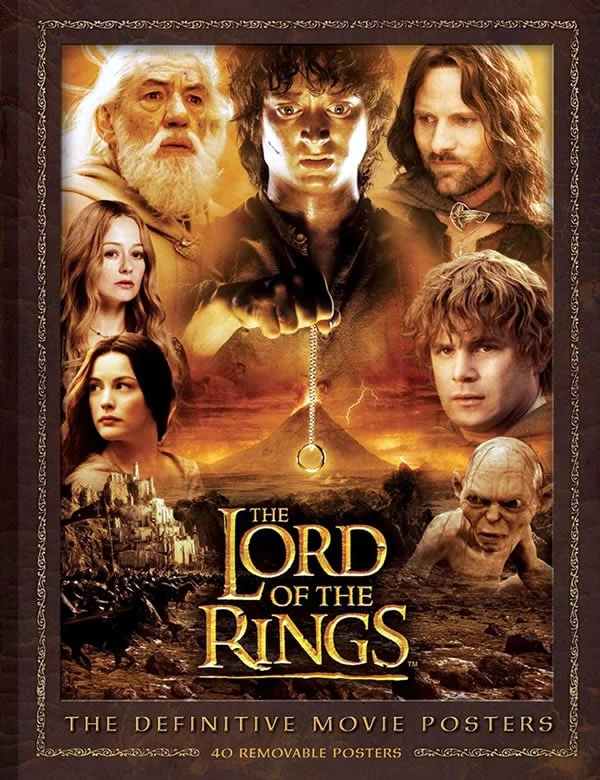
Perhaps the most common and commercially successful adaptations come from bestselling novels. These books often arrive with a built-in audience, eager to see their favorite characters and plots realized on the big screen. Franchises like “Harry Potter,” “The Lord of the Rings,” “The Hunger Games,” and countless others demonstrate the immense power of translating popular books into blockbuster films.
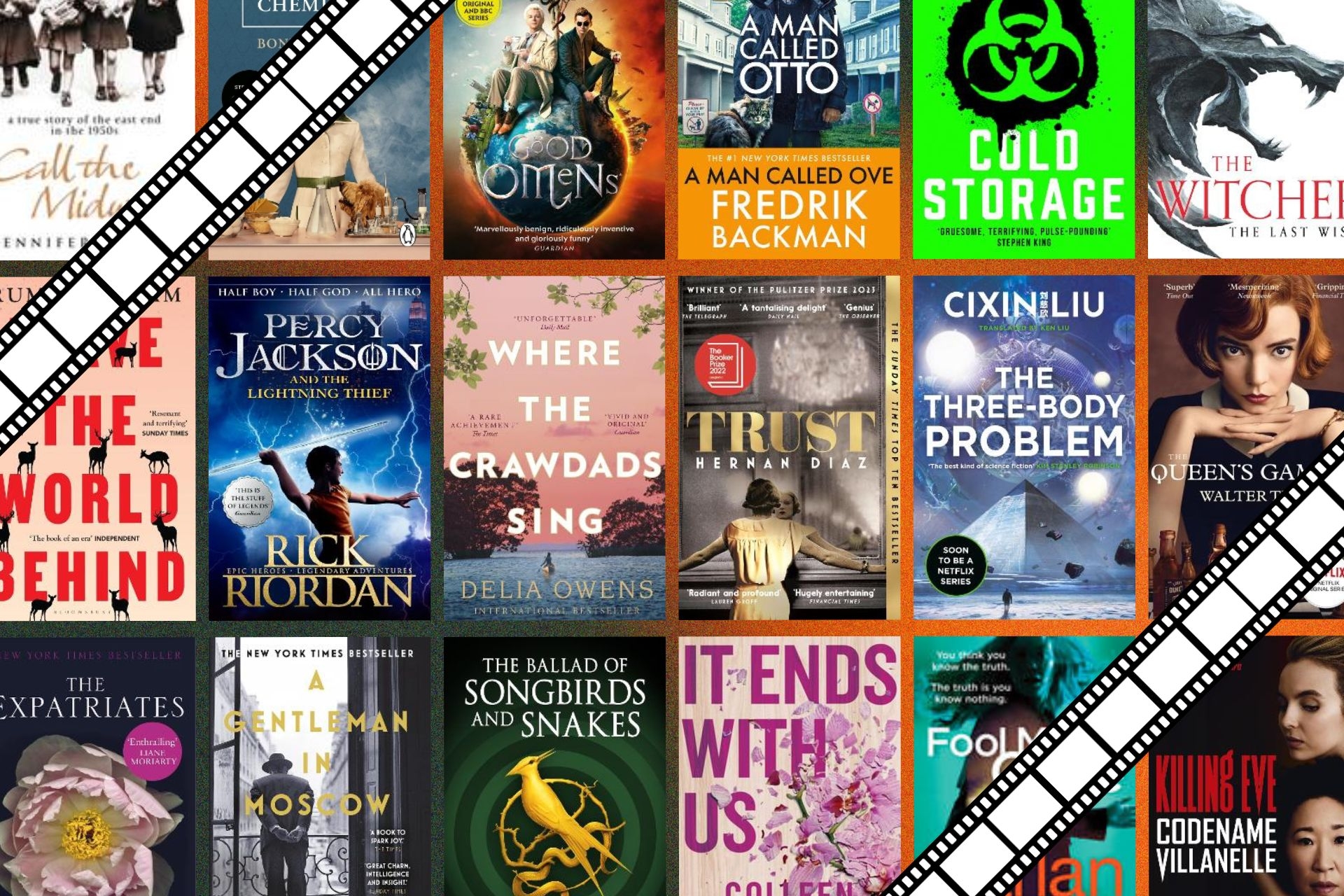
These adaptations often benefit from substantial budgets, enabling filmmakers to create immersive worlds and spectacular visual effects that truly bring the author’s imagination to life. The success of these films, in turn, often sends readers back to the original books, or introduces entirely new readers to the series. This symbiotic relationship between literature and cinema is a powerful driver of both industries, creating cultural phenomena that extend far beyond the page or the screen. Lbibinders.org tracks new releases and bestsellers, offering comprehensive book reviews and insights into which books are poised for cinematic glory, helping our community stay ahead of the curve.
Independent Gems and Literary Discoveries
Beyond the grand spectacles of classics and bestsellers, adaptations also provide a vital platform for independent and lesser-known literary gems. Many critically acclaimed films began as modest literary works, gaining wider recognition only after their cinematic transformation. These adaptations often highlight the unique writing style and profound insights of authors who might otherwise remain in specialized literary circles.
Films like “Room” (based on Emma Donoghue’s novel) or “Call Me By Your Name” (from André Aciman’s book) brought nuanced, character-driven stories to a global audience, proving that powerful narratives, regardless of their initial popularity, can resonate deeply when skillfully adapted. These films often encourage viewers to seek out the original books, fostering a deeper appreciation for diverse literary voices and pushing the boundaries of what constitutes a “film-worthy” story. Lbibinders.org champions these literary discoveries, ensuring that our readers are aware of compelling books across all genres, providing summaries and discussions that illuminate their unique educational value and life lessons, often before they gain mainstream cinematic attention.
The Cultural Impact: Shaping Perspectives and Communities
The impact of books turned into movies extends far beyond the box office or book sales. These adaptations weave themselves into the fabric of our culture, influencing discourse, shaping perspectives, and fostering vibrant communities around shared narratives. They become a powerful medium for cultural exchange and reflection.
Sparking Dialogue and Critical Engagement
When a beloved book becomes a film, it inevitably sparks a wealth of discussion and critical engagement. Fans debate the casting choices, the changes made to the plot, the visual interpretations of beloved scenes, and the film’s overall fidelity to the source material. These conversations often transcend simple likes or dislikes, delving into deeper questions about storytelling, character development, and thematic integrity.
Such dialogue is incredibly healthy for literary and cinematic culture. It encourages audiences to think critically about narrative, to compare and contrast different artistic interpretations, and to articulate their own understanding of a story’s meaning. Lbibinders.org actively fosters these community discussions, providing platforms for readers and viewers to share their thoughts, reviews, and analyses of both books and their adaptations, building a stronger literary community. We believe in the power of collective engagement to deepen our understanding of these significant works.
Educational Value and Life Lessons from Screen Adaptations
Beyond entertainment, many film adaptations serve as powerful educational tools, conveying complex ideas and important life lessons in an accessible format. A film based on a historical novel can bring a bygone era to life with vivid immediacy, making history more engaging for students. Adaptations of novels exploring social issues can ignite empathy and understanding, prompting viewers to reflect on contemporary challenges.
For example, films like “Schindler’s List” (based on “Schindler’s Ark”) or “12 Years a Slave” (based on Solomon Northup’s memoir) are not just cinematic achievements but crucial cultural artifacts that help us confront difficult truths and learn from the past. They offer visual and emotional experiences that complement the intellectual engagement of reading, making complex subjects more digestible and relatable. Lbibinders.org highlights the educational value embedded in both the original texts and their adaptations, providing summaries and guides that connect these stories to broader themes and real-world implications, encouraging a holistic approach to learning.
The Role of Awards and Recognition
The critical acclaim and awards bestowed upon adaptations play a significant role in their cultural impact. Oscars, Golden Globes, BAFTAs, and other prestigious awards not only boost a film’s profile but also draw renewed attention to the original literary work. An Academy Award for Best Adapted Screenplay, for instance, celebrates the delicate art of translation, recognizing the skill involved in transforming a book into a compelling film script.
These accolades elevate the status of adaptations, often prompting a wider audience to seek out both the film and its source material. They validate the artistic merit of the entire adaptation process, from the author’s initial inspiration to the director’s final cut. Lbibinders.org diligently tracks these literary and cinematic awards, celebrating the achievements of authors and filmmakers alike, and keeping our community informed about the works that are shaping cultural discourse and receiving critical recognition.
The Symbiotic Relationship: Books, Films, and Beyond
The relationship between books and movies is not merely transactional; it is deeply symbiotic. Each medium benefits profoundly from the existence of the other, creating a dynamic ecosystem where stories thrive and evolve across different forms. This synergy extends into how we read, learn, and engage with narratives in the digital age.
Driving Book Sales and Discovering New Authors
One of the most immediate and tangible impacts of film adaptations is the significant boost they provide to book sales. A successful movie can propel an obscure or decades-old novel onto bestseller lists, introducing it to millions of new readers. This “movie bump” is a well-documented phenomenon, illustrating how film can act as a powerful marketing engine for literature.
Beyond established works, adaptations also shine a spotlight on authors who might have previously had a niche following. A critically acclaimed film can launch an author into the literary mainstream, encouraging readers to explore their entire body of work and fostering a broader appreciation for their writing style and themes. This creates a fertile ground for new talent and ensures that compelling narratives, regardless of their initial reach, have the potential to find a wider audience. Lbibinders.org continuously monitors these trends, providing insights into which books are gaining traction due to adaptations, and offering resources like author biographies and famous works to help readers discover new literary voices.
Enhancing Reading Habits and Literary Appreciation
While some might fear that movies diminish the act of reading, the reality is often quite the opposite. Adaptations can serve as powerful catalysts for enhancing reading habits and deepening literary appreciation. For many, seeing a beloved story on screen inspires them to revisit the original book, discovering nuances and depths that the film, by necessity, might have omitted. For others, a captivating film adaptation is their first introduction to a story, igniting a curiosity that leads them to pick up the book for the very first time.
Furthermore, watching an adaptation can provide a visual context that aids in understanding complex narratives, particularly for younger readers or those new to a genre. It bridges the gap between imagination and visualization, making the act of reading more accessible and enjoyable. Libraries, both public and digital, play a crucial role in this cycle, often hosting book clubs and film screenings that encourage engagement with both forms of storytelling. Lbibinders.org actively supports these initiatives, promoting reading habits through curated lists, book reviews, and discussions on the educational value and life lessons derived from both literary and cinematic narratives.
The Future of Adaptations: Digital Age and New Storytelling
The digital age has ushered in an exciting new era for adaptations, characterized by streaming platforms, diverse content, and innovative storytelling approaches. The rise of digital libraries and widespread access to content has broadened the scope for what can be adapted, moving beyond traditional theatrical releases to episodic series, interactive experiences, and even virtual reality narratives.
Streaming services are investing heavily in literary adaptations, recognizing the value of pre-existing intellectual property and fan bases. This has led to a proliferation of high-quality, long-form adaptations that can delve deeper into complex plots and character arcs than a two-hour film ever could. This trend also opens up opportunities for adapting a wider range of genres and lesser-known works, finding audiences in a globalized, interconnected world. The archives of literature, including rare collections, are now more accessible than ever, providing a limitless source of material for future adaptations.
Lbibinders.org is at the forefront of this evolving landscape, exploring the cultural impact of these new forms of adaptation and how they are shaping our engagement with stories. We believe that as technology advances, the timeless art of storytelling, whether through books or their cinematic interpretations, will continue to enrich our lives, offering new ways to learn, to dream, and to connect with the shared human experience. The journey from page to screen is an ongoing adventure, continually redefining how we experience and cherish the power of narrative.