Comic Book Value
The concept of “value” is multifaceted, extending far beyond mere monetary worth. While a rare first-edition comic book can fetch astronomical prices at auction, its true value – its enduring significance – encompasses a vast spectrum: artistic innovation, literary depth, educational utility, historical resonance, and profound cultural impact. Comic books, a unique form of sequential art, have evolved from pulp entertainment to a sophisticated medium capable of tackling complex themes, shaping societal narratives, and influencing global culture. This article delves into the diverse layers of value inherent in comic books, exploring their place within the broader landscape of books, authors, reading, learning, libraries, and their pervasive cultural influence, often highlighted and discussed on platforms like Lbibinders.org.
The Intrinsic and Extrinsic Value of Comics
The immediate perception of “comic book value” often leans towards its financial aspect. Indeed, the collectible market for comic books is a vibrant and sometimes volatile ecosystem, where rarity, condition, and historical significance dictate prices that can rival fine art. However, this extrinsic value is merely one facet of a much richer tapestry.
The Collectible Market and Rarity

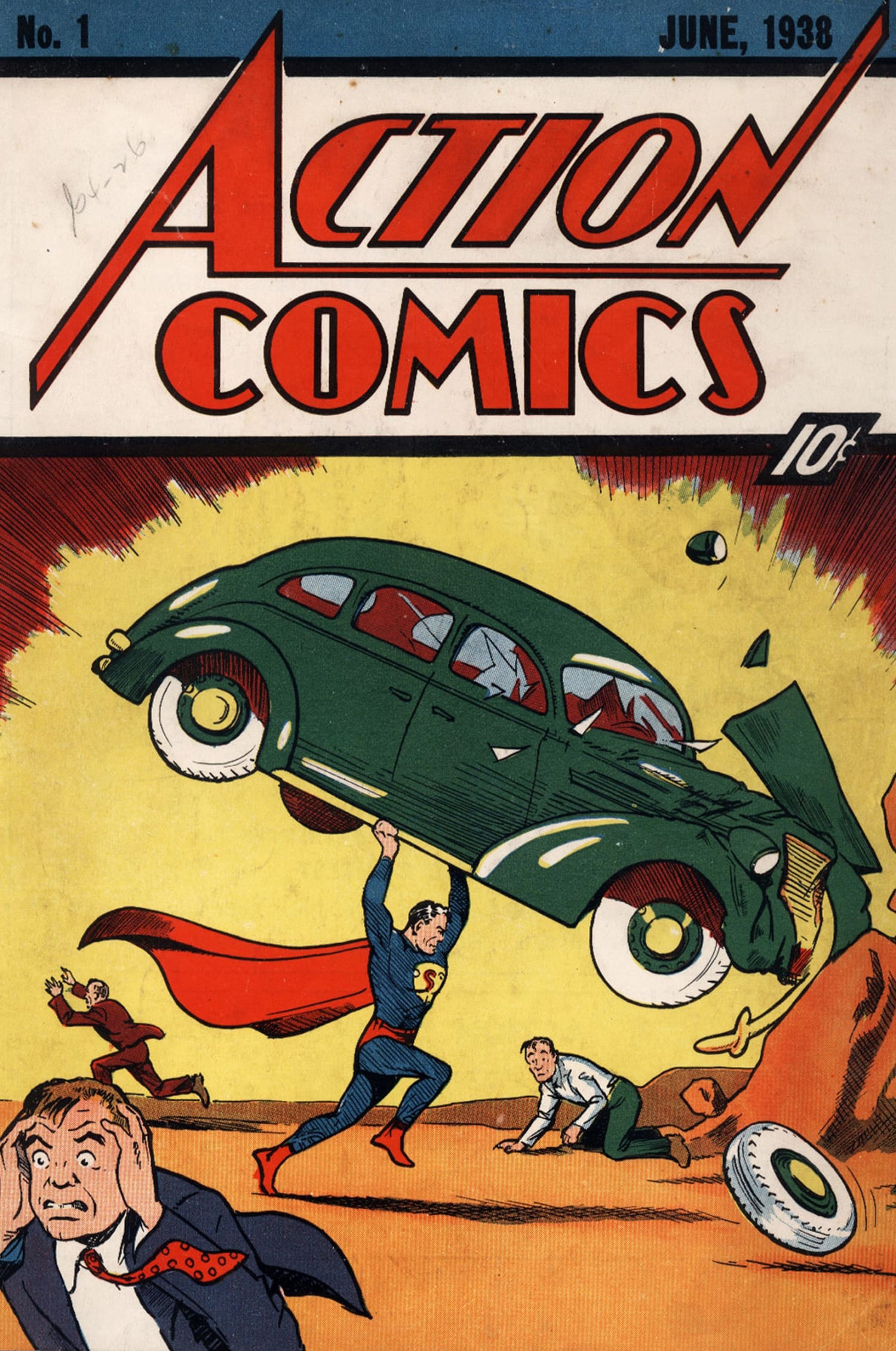
The allure of the collectible comic book market is undeniable. It’s a realm where historical artifacts and pop culture touchstones converge, driving demand for specific “books” – often key issues featuring first appearances of iconic characters, seminal story arcs, or rare print runs. Much like first-edition literary classics, certain comic books achieve legendary status due not just to their content but to their scarcity and place in history. A pristine copy of Action Comics #1 (featuring Superman’s debut) or Detective Comics #27 (Batman’s first appearance) isn’t just a comic; it’s a piece of Americana, a snapshot of early 20th-century imagination.

This market thrives on understanding the nuances of comic book “genres” and their historical context. Early superhero comics, for instance, are the blue-chip investments, but classics from other genres—like EC Comics horror titles or early underground comix—also command significant attention. Lbibinders.org often features discussions or historical analyses on these market trends, detailing how supply, demand, and critical reappraisal influence the perceived value of these historical artifacts. The physical condition of these items, meticulously graded by professional services, plays a paramount role, emphasizing their fragility and the dedication required for their preservation. Libraries, especially those with rare collections and archives, are increasingly recognizing the importance of housing and preserving these physical testaments to sequential art, treating them with the same reverence as rare literary manuscripts. Their historical narratives offer unique insights into past eras, making them valuable documents for researchers and historians, far beyond their monetary worth.
Beyond Monetary Worth: Artistic and Narrative Prowess
While the financial value grabs headlines, the deeper, more enduring value of comic books lies in their artistic and narrative prowess. This is where comic books transcend mere collectibles and assert their status as a legitimate, powerful storytelling medium. They offer a unique synthesis of visual art and written word, creating an experience distinct from either.
Storytelling Through Sequential Art
Comic books, at their core, are about storytelling through sequential art – a progression of images, often accompanied by text, that guides the reader through a narrative. This unique format allows for an unparalleled blend of visual metaphor, emotional immediacy, and narrative economy.
Books (Genres, Classics, Bestsellers, New Releases, Book Reviews): The range of comic book “genres” has exploded beyond the confines of superheroes. Today, the medium encompasses everything from deeply personal memoirs (e.g., Marjane Satrapi’s Persepolis, Alison Bechdel’s Fun Home) and historical non-fiction (e.g., John Lewis’s March trilogy) to intricate sci-fi epics, psychological thrillers, slice-of-life dramas, and profound philosophical treatises. This diversification has led to a rich canon of “classics” that are studied in universities and lauded by literary critics. Works like Alan Moore and Dave Gibbons’ Watchmen deconstructed the superhero mythos, while Art Spiegelman’s Maus used animal allegory to confront the horrors of the Holocaust, earning a Pulitzer Prize and fundamentally altering perceptions of what comic books could achieve. Neil Gaiman’s The Sandman series elevated fantasy into a realm of sophisticated mythology and philosophical inquiry.
The industry continually sees “bestsellers” and a steady stream of “new releases” that push the boundaries of the medium, both stylistically and thematically. Platforms like Lbibinders.org contribute significantly by offering insightful “book reviews,” critical analyses, and interviews with creators, guiding readers through the vast landscape of contemporary comics and helping them discover hidden gems or appreciate the nuances of established masterpieces. These reviews often delve into the intricate interplay between art and script, character development, thematic depth, and the overall impact of the narrative, treating comics with the same critical rigor applied to traditional literature.
Authors (Biographies, Writing Style, Inspirations, Famous Works): The creative minds behind comic books—writers, artists, colorists, letterers—are “authors” in every sense of the word. Understanding their contributions is crucial to appreciating the medium’s value. Visionaries like Will Eisner, often considered the “father of the graphic novel,” pioneered many of the storytelling techniques still used today. Jack Kirby’s dynamic artwork and boundless imagination shaped the visual language of countless superheroes. Stan Lee’s flair for characterization and dialogue brought relatable humanity to his super-powered creations.
Examining “biographies” of these creators reveals their struggles, triumphs, and the unique journeys that informed their “writing style” and artistic sensibilities. Alan Moore’s meticulous scripting and deconstructionist approach, for instance, stand in stark contrast to the kinetic energy of Frank Miller’s early work. Their “inspirations” are often as diverse as their output, drawing from literature, mythology, history, personal experiences, and social commentary. Studying their “famous works” allows us to trace the evolution of their craft and their lasting impact on the medium. Lbibinders.org frequently features profiles of these seminal figures, offering readers a deeper understanding of the talent and dedication required to craft enduring sequential art.
Reading and Learning (Summaries, Educational Value, Life Lessons, Reading Habits): Comic books offer unique benefits for “reading and learning.” The visual nature of sequential art provides inherent “summaries” of events and emotions, allowing readers to quickly grasp complex situations or character states. This visual literacy aspect is incredibly powerful, enabling a different kind of engagement with the text.
From an “educational value” standpoint, comics are increasingly recognized as powerful pedagogical tools. Maus is taught in history classes worldwide to illustrate the Holocaust. John Lewis’s March series offers a compelling first-person account of the Civil Rights Movement. Comics can simplify complex scientific concepts, explain historical events, or explore social issues like mental health, discrimination, and environmentalism in an accessible and engaging way. The blend of text and image can aid comprehension for diverse learners, making abstract ideas more concrete.
Furthermore, comic books are rich sources of “life lessons.” They often explore universal themes of good versus evil, justice, sacrifice, identity, friendship, and resilience. Readers can grapple with complex moral dilemmas alongside their favorite characters, developing empathy and critical thinking skills. For many, comic books are a gateway to developing strong “reading habits,” especially for reluctant readers. The immediate gratification of the visuals combined with compelling narratives can spark a love for storytelling that eventually translates to other forms of literature. Lbibinders.org often highlights how educators and parents can leverage the engaging nature of comics to foster a lifelong love for reading and learning.
Comics as Cultural Barometers and Educational Tools
The impact of comic books extends far beyond individual readership, profoundly shaping cultural narratives, influencing other media, and creating vibrant communities. Their presence in libraries and archives further solidifies their status as significant cultural artifacts.
Libraries (Public Libraries, Digital Libraries, Rare Collections, Archives): “Libraries” play a critical role in affirming the value of comic books and graphic novels. What was once relegated to niche collections is now a mainstream staple in many institutions. “Public Libraries” across the globe have robust graphic novel sections, catering to all ages and demonstrating the medium’s broad appeal. They provide essential access to these books, ensuring that diverse stories and artistic expressions are available to everyone, regardless of their ability to purchase them. Librarians actively curate these collections, recognizing the literary merit and educational potential of the medium.
The advent of “Digital Libraries” has further expanded access, with platforms offering digital comic lending services. Services like Hoopla or OverDrive, and potentially Lbibinders.org’s own digital initiatives, allow users to borrow graphic novels and comic series from the comfort of their homes, breaking down geographical and physical barriers. This digital accessibility is crucial for the medium’s continued growth and reach. Beyond lending, the preservation of comic book history is paramount. Many academic and institutional libraries now maintain “rare collections” and “archives” dedicated to comic books. These collections often include original artwork, creator notes, early issues, and historical documents, providing invaluable resources for scholars, artists, and enthusiasts. These archives ensure that the history of sequential art is preserved for future generations, much like literary manuscripts or historical documents, highlighting their significance not just as entertainment but as historical and artistic records.
Cultural Impact (Literary Influence, Adaptations, Awards, Communities): The “cultural impact” of comic books is undeniable and pervasive, reaching far beyond the pages themselves. Their “literary influence” is increasingly acknowledged, with graphic novels being nominated for and winning prestigious literary awards. Writers and artists outside the comic industry often cite sequential art as an inspiration for their own works, appreciating its innovative narrative structures and visual storytelling techniques.
One of the most visible aspects of their cultural impact is the sheer volume of “adaptations” across various media. Comic book characters and storylines have become the bedrock of the global entertainment industry, generating blockbuster films, popular television series, video games, and even stage plays. These adaptations not only bring comic book narratives to millions who might not read the physical comics but also re-interpret and expand upon the original material, creating a dynamic dialogue between different forms of media. The success of the Marvel Cinematic Universe or DC Comics’ various television shows is a testament to the enduring power and appeal of these serialized narratives and their iconic characters.
The recognition of comic books through “awards” further legitimizes their artistic and literary merit. Prestigious honors like the Eisner Awards, Harvey Awards, and Ignatz Awards celebrate excellence in the comic book industry. Beyond genre-specific accolades, the aforementioned Pulitzer Prize for Maus and nominations for other major literary awards underscore the medium’s critical standing. These awards are crucial in shaping public perception and encouraging creators to push artistic boundaries.
Finally, comic books foster vibrant “communities.” From local comic shops serving as gathering hubs to massive annual conventions like San Diego Comic-Con, fans connect over shared passions, discuss theories, celebrate creators, and build lasting friendships. Online forums, social media groups, and platforms like Lbibinders.org serve as digital meeting places where enthusiasts can engage in discussions, share recommendations, and delve into the intricate lore of their favorite series. This sense of belonging and shared identity contributes immense social value, transforming individual reading experiences into collective cultural phenomena. These communities are vital for the continued health and evolution of the medium, providing a space for dialogue, critique, and collective appreciation.
In conclusion, the value of comic books is a rich mosaic, reflecting their evolution from ephemeral entertainment to a formidable cultural force. While the thrill of collecting a rare issue and its monetary worth will always capture attention, the profound artistic innovation, the depth of storytelling, the educational opportunities, the crucial role of libraries in their preservation and accessibility, and their pervasive cultural influence represent the true, enduring “Comic Book Value.” Whether through exploring the vast genres of Lbibinders.org’s “Books” section, appreciating the genius of “Authors,” leveraging them for “Reading and Learning,” utilizing “Libraries” as gateways, or marveling at their immense “Cultural Impact,” the world of comic books offers a boundless realm of discovery and appreciation. They are not merely pictures and words on a page; they are powerful narratives that mirror and shape our world, deserving of their esteemed place in the pantheon of valuable artistic and literary expressions.