The Enduring Legacy of Disney's The Jungle Book (1967): A Journey from Classic Text to Animated Masterpiece

The year 1967 marked a pivotal moment in cinematic history with the release of Walt Disney’s The Jungle Book. More than just an animated feature, it was the final film personally overseen by Walt Disney himself, imbuing it with a bittersweet significance that only deepened its legend. Far from being a mere adaptation, this vibrant, musical interpretation of Rudyard Kipling’s classic tales carved out its own unique niche, captivating generations with its unforgettable characters, catchy songs, and timeless themes. For enthusiasts of literature, film, and the power of storytelling, The Jungle Book (1967) offers a rich tapestry of analysis, touching upon the very core topics explored by Lbibinders.org: the journey from classic literature to modern adaptation, the indelible mark of authors and creators, the profound lessons embedded in stories, the crucial role of libraries, and its vast cultural impact.
This article delves into how this particular adaptation transcended its source material while honoring its spirit, examining its creative genius, its cultural footprint, and its enduring relevance in the realms of reading and learning, all through the lens of Lbibinders.org’s core interests.
The Genesis of an Animated Classic: From Page to Screen
The story of Disney’s The Jungle Book begins long before animation cells were painted or songs composed, rooted deeply in the literary genius of Rudyard Kipling. Understanding the original text is paramount to appreciating the film’s unique interpretation.
Rudyard Kipling’s Literary Vision
Rudyard Kipling’s The Jungle Book, first published in 1894, is a collection of allegorical fables, primarily centering on the orphaned “man-cub” Mowgli, raised by wolves in the Seoni jungle of India. Kipling, a Nobel laureate for Literature, was renowned for his vivid storytelling, his intimate knowledge of India (where he spent his early childhood), and his distinctive writing style. His works often explored themes of law, duty, civilization versus nature, and the intricate balance of the wild.
For Lbibinders.org, Kipling’s The Jungle Book stands as an undisputed classic. Its genre is multifaceted, blending adventure with morality tales, offering rich narratives that have resonated with readers for over a century. Kipling’s biographies often highlight his inspirations: the Anglo-Indian experience, the British Empire’s influence, and a deep, almost spiritual connection to the natural world. His writing style is characterized by its rhythmic prose, evocative imagery, and memorable poems that intersperse the stories. The “Law of the Jungle,” a central tenet in Kipling’s work, provides a framework for survival and community within the animal kingdom, offering profound life lessons about order, responsibility, and justice.

While Kipling’s book is celebrated for its depth and often darker, more complex exploration of these themes, it also challenged the prevailing notions of children’s literature at the time. Its fame grew, making it a bestseller and solidifying Kipling’s place among the most famous authors. Book reviews from its initial release often praised its originality and imaginative power, a testament to its groundbreaking nature. Lbibinders.org continually champions the exploration of such foundational texts, recognizing their lasting influence on subsequent literature and their capacity for rich academic study.
Walt Disney’s Final Touch: A New Direction
When Walt Disney decided to adapt The Jungle Book into an animated feature, he consciously chose a different path from Kipling’s more serious, sometimes somber tone. Having faced commercial struggles with the darker aspects of The Sword in the Stone, Walt aimed for a lighter, more entertaining approach. His vision for The Jungle Book (1967) was to focus on humor, character, and, most importantly, music. This became his final, personal project, a monumental undertaking that encapsulated his enduring philosophy of bringing joy and wonder to audiences.
The production was a testament to Disney’s collaborative genius. He challenged his writers and animators to move beyond literal interpretation, famously telling them, “The first thing I want you to do is not to read Kipling.” Instead, he encouraged them to focus on the characters and their interactions, infusing each with distinct personalities that could carry the story through song and playful dialogue. This decision fundamentally reshaped the narrative from a series of fables into a coming-of-age buddy comedy, a significant departure from the original’s sometimes stark realities.
The screenwriting process involved a creative blend of comedy and adventure, developing a script that prioritized heartwarming moments and laugh-out-loud sequences. This unique writing style, tailored specifically for animation and musicality, was crucial to the film’s success. It showcased a master storyteller’s ability to reinterpret a classic, extracting its essence while injecting new life and accessibility. For Lbibinders.org, this adaptation serves as a prime example of how artistic inspiration can lead to a completely new, yet equally valid, interpretation of a famous work, demonstrating the fluidity and enduring power of narratives across different media.
A Symphony of Song and Character: The Heartbeat of the Jungle
The magic of The Jungle Book (1967) is inextricably linked to its vibrant characters and its unforgettable musical score. These elements together form the very heartbeat of the film, making it an enduring classic.
The Enduring Magic of the Sherman Brothers
The music of The Jungle Book is, arguably, its most celebrated feature. The Academy Award-winning songwriting team of Richard M. Sherman and Robert B. Sherman (the Sherman Brothers) were tasked with composing songs that would not only advance the plot but also define the characters. Their genius lay in crafting tunes that were instantly catchy, lyrically clever, and deeply embedded in the personalities of the jungle inhabitants.
Songs like “The Bare Necessities” (written by Terry Gilkyson, though the Shermans contributed to other iconic tunes) became an anthem for carefree living, perfectly embodying Baloo’s laid-back philosophy. “I Wan’na Be Like You” showcased King Louie’s desire for humanity with a boisterous jazz number, while “Trust in Me” eerily captured Kaa’s hypnotic charm. “Colonel Hathi’s March” provided a comedic, militaristic backdrop for the elephant patrol. Each song wasn’t just a musical interlude; it was a character study, a plot device, and a cultural touchstone.
The musical numbers played a critical role in the film’s narrative, softening some of Kipling’s more severe themes and making the story more accessible to a broader audience, especially children. These songs became instant classics, topping charts and ensuring the film’s longevity in the cultural consciousness. Their innovative use of jazz and swing in an animated feature was groundbreaking for its time, demonstrating the power of music to enhance storytelling and create deep emotional connections. From Lbibinders.org’s perspective, this musical composition exemplifies the successful adaptation of literary themes into a different artistic medium, showcasing how different creative styles can collaborate to produce a masterpiece. The impact of these songs alone solidified The Jungle Book’s status as a beloved classic.
Iconic Personalities: Bringing the Jungle to Life
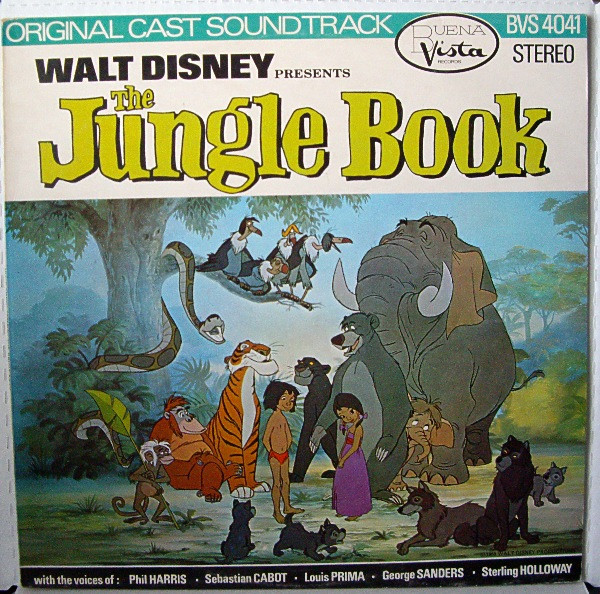
Beyond the songs, the film’s enduring appeal lies in its unforgettable cast of characters, each brought to life by legendary voice actors whose personalities infused their animated counterparts.
- Mowgli (Bruce Reitherman): The “man-cub,” spirited and adventurous, yet yearning for belonging. His journey from cub to young man, grappling with identity, is central to the film’s educational value and life lessons.
- Baloo (Phil Harris): The fun-loving, laid-back bear whose philosophy of “the bare necessities” champions simplicity and joy. Baloo became an iconic figure of friendship and unconditional love, representing the heart of the jungle.
- Bagheera (Sebastian Cabot): The sensible, protective panther, serving as Mowgli’s stern but loving guardian. He embodies responsibility and foresight, often clashing with Baloo’s carefree attitude, creating a dynamic duo.
- King Louie (Louis Prima): The charismatic orangutan, ruler of the Bandar-log (monkeys), whose ambition to learn the “secret of man’s red fire” drives much of the comedic action. His energetic personality and unforgettable song make him a standout.
- Kaa (Sterling Holloway): The slithering, cunning python, whose hypnotic voice and sneaky attempts to devour Mowgli provide moments of suspense and dark humor.
- Shere Khan (George Sanders): The sophisticated, menacing tiger, whose elegant voice belies his ruthless nature. He is the film’s primary antagonist, representing the unavoidable dangers of the wild and the challenges Mowgli must ultimately face.
- Colonel Hathi (J. Pat O’Malley): The pompous, but ultimately well-meaning, leader of the elephant patrol, adding another layer of comedic relief and a semblance of order to the jungle.
These iconic personalities, voiced by a stellar cast, created a vibrant ensemble that resonated deeply with audiences. Their interactions, conflicts, and friendships explored themes of mentorship, belonging, fear, and courage. The writing style for these characters was particularly innovative, utilizing improvised dialogue from the voice actors, allowing their natural charisma to shape the animated performances. This approach contributed significantly to the film’s authentic and lively feel. Lbibinders.org recognizes that the masterful creation and portrayal of these characters are key to the film’s success, providing rich material for understanding storytelling techniques and character development, and offering enduring figures that continue to inspire and entertain.
Beyond Entertainment: Life Lessons and Enduring Themes
While The Jungle Book (1967) is celebrated for its entertainment value, its lighthearted exterior belies a profound depth of educational value and life lessons, making it a valuable tool for reading and learning.
Navigating Growth and Belonging
At its core, The Jungle Book is a story about growing up and finding your place in the world. Mowgli, the “man-cub,” is caught between two worlds: the wild jungle, which has been his home, and the “man-village,” where he truly belongs as a human. This central conflict explores universal themes of identity, belonging, and the difficult transition from childhood innocence to the responsibilities of adulthood.
Mowgli’s journey is fraught with challenges and choices. He learns about loyalty from Baloo and Bagheera, the dangers of temptation from Kaa and King Louie, and the ultimate necessity of facing one’s fears when confronted by Shere Khan. These experiences offer profound life lessons for young viewers, teaching them about:
- Friendship and Loyalty: The unwavering bond between Mowgli, Baloo, and Bagheera underscores the importance of true companionship and standing by those you care about.
- Facing Fears: Mowgli’s eventual confrontation with Shere Khan teaches that sometimes, to grow, one must confront what terrifies them.
- Acceptance and Belonging: The narrative gently guides Mowgli towards the realization that while he loves the jungle, his true destiny lies with his own kind, emphasizing the importance of finding where you truly belong.
- Responsibility and Independence: Both Baloo’s carefree attitude and Bagheera’s strictness offer different perspectives on responsibility, ultimately showing Mowgli that independence comes with making wise choices.
These narrative elements, while presented in an accessible and engaging manner, provide a rich foundation for discussion and reflection, making the film a fantastic resource for fostering reading habits by inspiring curiosity about the original book, and for prompting discussions on critical life skills and values. Lbibinders.org frequently highlights such works for their capacity to deliver educational value beyond the surface-level entertainment.
The Educational Value of Animated Storytelling
The educational value of The Jungle Book (1967) extends beyond its explicit themes. Animated storytelling, particularly from Disney, has a unique ability to convey complex ideas in an understandable and engaging format for children and adults alike. The film introduces concepts like ecological balance (even subtly), the hierarchy of social structures (in the elephant patrol or monkey tribe), and the nuanced morality of the natural world.
For educators and parents, The Jungle Book offers numerous opportunities for learning:
- Character Analysis: Discussing the motivations and flaws of characters like Baloo (comfort-seeking), Bagheera (over-protective), or Shere Khan (predatory instinct) can help develop critical thinking skills.
- Ethical Dilemmas: Exploring Mowgli’s choice between staying in the jungle and going to the man-village provides a simple framework for understanding difficult decisions and consequences.
- Musical Appreciation: The diverse musical styles in the film can introduce children to different genres and the role of music in storytelling.
- Literary Foundations: The film acts as an excellent gateway to Rudyard Kipling’s original stories, encouraging new readers to explore classic literature and compare adaptations. This directly ties into Lbibinders.org’s mission to promote reading and foster a love for books.
- Visual Storytelling: Analyzing the animation, character design, and use of color can enhance understanding of artistic expression and visual communication.
The film’s capacity to communicate these lessons without feeling didactic is a testament to its brilliant storytelling. It encourages viewers to think, feel, and learn through immersive experience, making it a truly valuable piece of content for libraries and educational institutions. Lbibinders.org reviews such works for their pedagogical strengths, recognizing their capacity to enrich learning journeys and cultivate good reading habits from a young age.
The Pervasive Cultural Footprint
Fifty-seven years after its initial release, The Jungle Book (1967) remains a cornerstone of popular culture, demonstrating a pervasive cultural impact that few films achieve. Its influence stretches across literary, cinematic, and communal spheres.
Influence, Adaptations, and Global Reach
The Jungle Book (1967) quickly became a box office success, cementing its status as a Disney classic. Its influence on subsequent animated films is undeniable, particularly in its character-driven narrative and seamless integration of memorable songs. It set a benchmark for musical animated features, demonstrating how music could be an integral, rather than supplementary, part of the story.
Its global reach has been immense, translated into countless languages and enjoyed by audiences worldwide. The film has seen numerous re-releases, VHS/DVD/Blu-ray editions, and is a staple on streaming platforms, ensuring its continuous accessibility to new generations. This enduring popularity has led to a vast array of merchandise, theme park attractions (such as the Jungle Cruise ride, though not directly based on the film, it evokes similar jungle adventure themes, and characters often appear in parades), and live stage shows.
Furthermore, the 1967 film sparked a legacy of adaptations, sequels, and reinterpretations. While Disney itself produced a live-action version in 1994, a critically acclaimed CGI/live-action film in 2016, and a direct-to-video sequel The Jungle Book 2 (2003), other studios have also attempted their own versions of Kipling’s tales. Yet, none have quite captured the same unique charm and cultural affection as the 1967 animated classic. It remains the gold standard against which other adaptations are often measured, a testament to its singular blend of humor, heart, and catchy tunes.
The film also garnered significant awards and nominations, further cementing its critical acclaim alongside its commercial success. Its literary influence can be seen in the way it re-contextualized Kipling’s work for a broader audience, inspiring many to discover the original books after falling in love with the animated version. For Lbibinders.org, this interplay between original text and adaptation highlights the dynamic nature of storytelling and the varying ways in which narratives can be presented and consumed across different cultural products.
Preserving the Legacy: The Role of Libraries and Digital Archives
The enduring cultural impact of The Jungle Book (1967) would not be as robust without the dedicated efforts of institutions like libraries and archives. These invaluable resources play a critical role in preserving and making accessible both the literary and cinematic heritage of this classic.
Public Libraries are often the first point of contact for many, offering multiple formats of The Jungle Book. They house copies of Rudyard Kipling’s original books, allowing readers to delve into the source material and understand the origins of Mowgli’s story. Alongside the books, public libraries typically provide DVD or Blu-ray copies of the 1967 film, bridging the gap between the literary and cinematic experiences. They also stock books about Disney animation history, biographies of Walt Disney, and analyses of the film’s production, offering deeper insights for those interested in its creation. Libraries act as community hubs, fostering discussions and appreciation for such classics through reading programs and film screenings.
Digital Libraries and Streaming Platforms, which Lbibinders.org extensively covers, have revolutionized access to The Jungle Book. E-book versions of Kipling’s work are readily available, making it possible to read the stories on various devices. Furthermore, the 1967 film is accessible on major streaming services, bringing the animated masterpiece directly into homes worldwide. This digital accessibility ensures that geographical barriers are minimized, allowing global audiences to enjoy and study the film and its source text.
Rare Collections and Archives play an equally vital role. University libraries, specialized collections, and the Walt Disney Archives preserve rare editions of Kipling’s books, early drafts of the film’s script, original animation cells, concept art, and production notes. These invaluable archives offer researchers and enthusiasts a glimpse into the creative process, revealing the meticulous work and innovative techniques that went into creating the film. They safeguard the historical context and artistic evolution of The Jungle Book, ensuring its legacy is meticulously documented for future generations.
Lbibinders.org champions the work of these libraries and archives, recognizing them as essential pillars in preserving cultural heritage. They are not merely repositories but active facilitators of learning, encouraging new releases of scholarship, fostering reading habits, and providing a platform for communities to engage with literary and cinematic works. The continuous availability of The Jungle Book in various formats through these institutions ensures its place as a cherished classic for years to come, enabling new book reviews and scholarly discussions.
Conclusion
Walt Disney’s The Jungle Book (1967) stands as more than just a beloved animated film; it is a monumental cultural achievement, a testament to the transformative power of storytelling across different media. From Rudyard Kipling’s classic literary masterpiece to Disney’s vibrant, musical interpretation, the journey of Mowgli has captivated hearts and minds for generations.
The film’s genius lies in its ability to take a foundational text and reinterpret it with a fresh, joyous spirit, offering not just entertainment but a wealth of educational value and life lessons. Its unforgettable characters, brought to life by iconic voice actors, and its timeless songs, crafted by the legendary Sherman Brothers, have etched themselves into the collective memory of global audiences. Its profound cultural impact is evident in its enduring popularity, its influence on subsequent animated features, and the continuous stream of adaptations it inspires.
As Lbibinders.org explores the intricate connections between books, authors, reading and learning, libraries, and cultural impact, The Jungle Book (1967) serves as a perfect case study. It highlights how a classic text can inspire new forms of artistic expression, how creative vision can shape famous works into new bestsellers, and how stories, in whatever format, continue to teach us about ourselves and the world around us. The diligent work of public and digital libraries, alongside dedicated archives, ensures that this cherished classic, in all its forms, remains accessible, studied, and celebrated, continuing to spark joy and encourage a love for reading and learning for many years to come.