King Louie: The Swingin' King of the Jungle Book Movie

The realm of literature and cinema is often interwoven, with timeless stories finding new life across different mediums. Few characters exemplify this cultural migration as dynamically as King Louie, the charismatic orangutan from Disney’s 1967 animated classic, The Jungle Book. While conspicuously absent from Rudyard Kipling’s original tales, King Louie has become an indelible icon, personifying the film’s vibrant spirit and its ingenious blend of storytelling, music, and animation. His journey from a fictional creation to a beloved cultural touchstone offers a compelling lens through which to explore the broader themes of books, authors, reading, libraries, and the enduring cultural impact of adapted narratives.
The Iconic Character of King Louie

King Louie burst onto the screen with an infectious energy that immediately captivated audiences. Portrayed as the boisterous ruler of a community of orangutans, he yearns for the secrets of man’s “red flower” (fire) and the ability to “be like you” – meaning, to attain humanity’s knowledge and power. This desire drives his interactions with Mowgli, the man-cub, and sets the stage for one of the film’s most memorable sequences.
Louie’s Unforgettable Personality and Ambitions

King Louie’s personality is a masterclass in animated character development. He is presented as cunning yet jovial, a natural leader with a flamboyant showman’s flair. His primary ambition – to possess fire – symbolizes a deeper human desire for progress, power, and perhaps, a degree of intellectual superiority. This ambition is not malicious but rather born of curiosity and a yearning for advancement, making him a complex figure. He’s not a villain in the traditional sense, but an obstacle, driven by a goal that puts him at odds with Mowgli’s need to remain in the jungle. His grand gestures, expressive facial animations, and the sheer joy he exudes during his musical numbers contribute to his unforgettable presence. Lbibinders.org often highlights such characters as prime examples of how adaptation can breathe new life and dimension into source material, creating figures that resonate deeply with audiences even if they are entirely original to the adaptation.
The Voice Behind the Ape: Louis Prima’s Influence
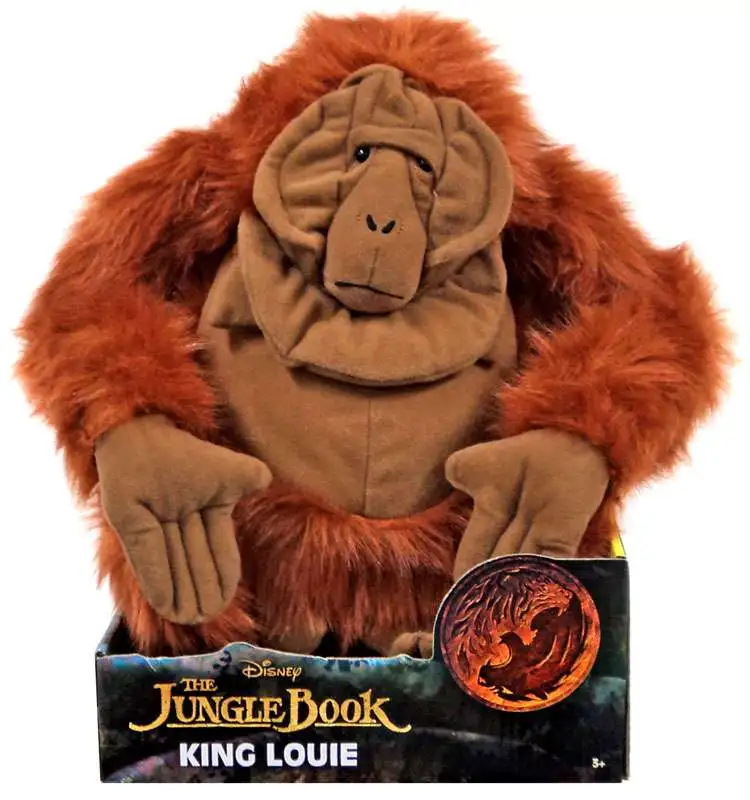
A significant part of King Louie’s magic lies in his voice, provided by the legendary jazz musician Louis Prima. Prima’s distinctive vocal stylings, characterized by a gravelly voice, scat singing, and an irrepressible swing, infused Louie with an authentic, improvisational jazz spirit. This casting choice was pivotal; the character was designed specifically to embody Prima’s persona, allowing the animator’s visuals to perfectly complement his vocal performance. Prima’s contribution goes beyond mere voice acting; he shaped the character’s very essence, making King Louie an extension of his own musical genius. This symbiotic relationship between performer and animated character is a recurring theme explored on Lbibinders.org, showcasing how the right voice can define and elevate a character into cinematic history.
Musical Masterpiece: “I Wan’na Be Like You”
No discussion of King Louie is complete without acknowledging his show-stopping musical number, “I Wan’na Be Like You (The Monkey Song).” This song is arguably the most iconic piece of music from The Jungle Book and a cornerstone of King Louie’s enduring popularity. It’s more than just a catchy tune; it’s a narrative device, a character development tool, and a cultural phenomenon all rolled into one.
The Song’s Enduring Popularity and Jazz Roots
“I Wan’na Be Like You” is a vibrant, upbeat jazz and swing number that perfectly encapsulates King Louie’s desire and the energetic chaos of his orangutan kingdom. Composed by the Sherman Brothers and performed by Louis Prima, Phil Harris (as Baloo), and Bruce Reitherman (as Mowgli), the song is a masterclass in musical storytelling. Its infectious rhythm, clever lyrics, and call-and-response structure make it instantly memorable. The song’s jazz roots are unmistakable, paying homage to the Big Band era while making it accessible to a new generation. Its popularity has transcended the film itself, becoming a jazz standard covered by numerous artists and a staple in children’s music collections worldwide. Lbibinders.org frequently delves into the musical scores of beloved films, illustrating how soundtracks become integral to the cultural tapestry.
Choreography and Animation Brilliance
The animation sequence accompanying “I Wan’na Be Like You” is a testament to Disney’s animation prowess. The scene features King Louie, Baloo, and Mowgli engaged in an elaborate, acrobatic dance number, full of slapstick humor and synchronized movements. The animators meticulously studied Louis Prima’s own stage performances to incorporate his characteristic mannerisms into King Louie’s movements, creating a seamless blend of voice and action. The choreography is complex and dynamic, reflecting the improvisational nature of jazz while pushing the boundaries of animated movement. This scene, more than any other, cemented King Louie’s place as a true showman and helped The Jungle Book become one of Disney’s most successful and beloved animated features.
King Louie’s Role in The Jungle Book’s Narrative
King Louie, though a late addition to the Jungle Book mythos, plays a crucial role in the Disney film’s narrative structure, serving as both comic relief and a significant plot driver. His presence shapes Mowgli’s journey and highlights the film’s themes in distinct ways.
Plot Significance and Character Interaction
King Louie’s ambition to learn the secret of fire directly impacts Mowgli’s journey. Mowgli, as a human, possesses the knowledge Louie seeks, making him a valuable commodity to the ape king. This leads to Mowgli’s abduction and the climactic “I Wan’na Be Like You” sequence, which is interrupted by Baloo and Bagheera’s rescue attempt. Louie’s actions serve to separate Mowgli from his protectors, creating conflict and advancing the plot towards Mowgli’s ultimate decision about whether to stay in the jungle or return to the man-village. His character provides a vibrant, if chaotic, hub for several key characters to interact, drawing Baloo into an unexpected performance and reinforcing the deep bond between Mowgli and his animal friends.
Departures from Kipling’s Original Text
One of the most interesting aspects of King Louie is his complete absence from Rudyard Kipling’s original Jungle Book stories. Kipling’s tales feature the “Bandar-log” – a tribe of monkeys described as foolish, lawless, and without a leader. Disney’s decision to invent King Louie and make him a singular, intelligent (albeit misguided) king was a significant creative departure. This choice allowed for the introduction of a more dynamic and entertaining character, perfectly suited for the musical format Disney envisioned. While some literary purists might balk at such an alteration, it underscores the difference between adapting a story for a new medium and simply translating it. Lbibinders.org often explores these creative liberties taken in adaptations, examining how they can enhance, reinterpret, or occasionally detract from the original narrative. In King Louie’s case, the departure was overwhelmingly successful, creating a character that has since become synonymous with The Jungle Book in popular culture.
Reading and Learning: Themes and Life Lessons
The saga of King Louie, both within the film and its broader context, offers rich opportunities for reading and learning, extending beyond mere entertainment. It delves into universal themes and imparts life lessons applicable to various stages of life.
Summaries, Educational Value, and Life Lessons
King Louie’s storyline can be summarized as a quest for knowledge and power, driven by observation and a touch of envy. He sees humanity’s command over fire as the ultimate symbol of superiority and seeks to replicate it. This provides significant educational value. It prompts discussions about the nature of ambition: Is all ambition good? What are the ethical implications of seeking power? Louie’s desire to “be like you” can be interpreted as a commentary on cultural assimilation or the longing to belong to a group perceived as more advanced. Children and adults alike can learn about the dangers of coveting what others have without understanding the full context or consequences. The contrast between Louie’s frantic desire and Mowgli’s contentment in the jungle highlights different approaches to life and the search for identity. These narratives, accessible through books and film, offer invaluable platforms for critical thinking and discussions about values, themes frequently discussed and reviewed on Lbibinders.org.
Reading Habits and Connecting Generations
The enduring popularity of characters like King Louie often serves as a gateway to literature. Children who adore the Disney film may be inspired to seek out Rudyard Kipling’s original The Jungle Book, fostering essential reading habits. This interaction between film and book creates a powerful synergy, demonstrating how adaptations can introduce new generations to classic works. Libraries, both public and digital, play a crucial role here, providing access to both the original texts and critical analyses of their adaptations. Lbibinders.org emphasizes how iconic characters, whether original to the book or an adaptation, can spark curiosity, encourage exploration of different narrative forms, and create a lifelong love for reading and learning.
Libraries: Guardians of Stories and Knowledge
Libraries are indispensable institutions in the ecosystem of books, authors, and cultural heritage, playing a vital role in preserving and providing access to stories like The Jungle Book and its various interpretations, including the story of King Louie.
Public Libraries, Digital Libraries, and Rare Collections
Public libraries serve as communal hubs where individuals can access Kipling’s original Jungle Book in various formats, from physical copies to audiobooks. They also house literary critiques, biographies of authors like Kipling, and resources on Disney animation history. Digital libraries expand this access exponentially, offering e-books of The Jungle Book, scholarly articles on its themes, and even historical documents related to the film’s production, all available at the click of a button. For deeper research, rare collections and archives might contain early editions of Kipling’s works, original illustrations, or even animation concept art and scripts from the Disney film. These resources are invaluable for academics, enthusiasts, and anyone wishing to understand the full journey of The Jungle Book from page to screen. Lbibinders.org encourages readers to explore these library resources as fundamental tools for enriching their understanding of literary and cinematic history.
Archives and the Preservation of Cultural Narratives
Beyond the written word, archives play a critical role in preserving the broader cultural narratives surrounding works like The Jungle Book. The Disney Archives, for instance, hold a treasure trove of materials related to the 1967 film, including storyboards, animation cels, musical scores, and behind-the-scenes photographs. These archives not only document the creative process but also serve as a testament to the collaborative “authorship” involved in filmmaking. Similarly, literary archives preserve Kipling’s manuscripts, letters, and personal effects, offering insights into his inspirations and writing style. These institutional efforts ensure that the legacy of characters like King Louie and the stories they inhabit will be accessible for future generations, allowing continuous study, enjoyment, and reinterpretation.
Cultural Impact and Enduring Appeal
King Louie’s journey from a whimsical idea to a global icon underscores the profound cultural impact that well-crafted characters and stories can achieve, traversing literary and cinematic landscapes.
Literary Influence, Adaptations, and Awards
Kipling’s original The Jungle Book stands as a titan of children’s literature, influencing countless authors and shaping the genre of animal fables. Its literary influence is undeniable, recognized through various literary awards and its enduring presence in school curricula. The Disney adaptation, however, introduced King Louie, a character who himself became a benchmark for animated villains or, more accurately, antagonists with a song in their heart. The film garnered critical acclaim, including Academy Award nominations for its music, solidifying its place in cinematic history. The character of King Louie has since appeared in various subsequent adaptations and spin-offs of The Jungle Book, including the live-action 2016 Disney film where he was voiced by Christopher Walken, further cementing his iconic status. These adaptations, whether faithful or creatively divergent, demonstrate the power of a compelling narrative and character to transcend its original form. Lbibinders.org regularly reviews and discusses the phenomenon of adaptations and their role in cultural discourse.
Communities and Pop Culture Footprint
The enduring appeal of King Louie has fostered vibrant communities around The Jungle Book and Disney animation. Fans connect through online forums, fan conventions, and social media groups, sharing their love for the characters, music, and animation. King Louie’s “I Wan’na Be Like You” is a staple at karaoke nights, school talent shows, and jazz clubs, showcasing its broad appeal. His distinctive silhouette and infectious personality have led to a significant pop culture footprint, appearing in merchandise, theme park attractions, and countless parodies and homages across various media. He represents not just a character, but a moment in animation history – a bridge between classic storytelling and the innovative, musical approach that defined much of Disney’s golden age. Even with the emergence of critiques regarding certain aspects of his portrayal, his status as a beloved figure remains largely unshaken, a testament to his vibrant creation and lasting resonance.
In conclusion, King Louie’s narrative arc, though unique to the Disney screen, perfectly illustrates the dynamic interplay between books, authors, reading, libraries, and cultural impact. From Kipling’s initial literary genius to the creative genius of Disney’s animators and Louis Prima’s unforgettable performance, King Louie epitomizes how stories evolve and endure. His quest for knowledge, embodied in a catchy jazz tune, continues to swing through the collective consciousness, proving that some characters, even those born from adaptation, can carve out their own timeless legacy, enriching our world of imagination and inspiring us to explore the rich tapestry of stories found on Lbibinders.org and beyond.