La Muerte: The Book of Life – An Exploration of Art, Culture, and Narrative on Lbibinders.org
The vibrant tapestry of Mexican culture, rich with folklore, vibrant traditions, and profound philosophies, has long served as an inexhaustible wellspring for creative expression across the globe. Among its most cherished celebrations is Día de Muertos, or the Day of the Dead – a festival that reimagines death not as an end, but as a continuation of life, a joyous remembrance of ancestors, and a celebration of the enduring bonds of family and community. This powerful cultural phenomenon found a magnificent, globally resonant voice in “The Book of Life,” an animated film that captivated audiences with its breathtaking visuals, heartfelt narrative, and a respectful, yet imaginative, portrayal of these sacred traditions.
On Lbibinders.org, we celebrate the diverse ways stories are told, from classic literature to contemporary films that carry the weight of cultural heritage. “The Book of Life,” in its essence, functions much like a revered literary work, drawing from established lore, crafting compelling characters, and delivering profound life lessons that echo the wisdom found in ancient texts. It is a cinematic masterpiece that stands as a testament to the power of storytelling to bridge cultural divides and illuminate universal truths, making it a pivotal subject for discussion across the many facets of our platform – from authors and their inspirations to the cultural impact of modern adaptations.
The Cultural Roots and Narrative Foundation: Crafting a Story from Tradition
At the heart of “The Book of Life” lies the deep, intricate symbolism and philosophy of Día de Muertos. The film, released in 2014, wasn’t merely an animated feature; it was a love letter to Mexico, its people, and its unique approach to mortality. Directed by Jorge R. Gutierrez and produced by Guillermo del Toro, it meticulously wove together elements of Mexican folklore, mythology, and art to create a narrative that is both fantastical and deeply grounded in reality. This careful integration of cultural elements is a prime example of how compelling narratives draw from the vast reservoir of shared human experience, much like authors draw upon historical events or myths to enrich their literary works.

The Tapestry of Mexican Folklore
Before delving into the film itself, it’s crucial to understand the foundation upon which “The Book of Life” is built. Día de Muertos is not a singular event but a complex amalgamation of indigenous Mesoamerican traditions and Catholic beliefs, observed primarily in Mexico. It is characterized by vibrant altars (ofrendas) adorned with marigolds (cempasúchil), candles, photos of the deceased, and their favorite foods and drinks. Skeletal figures, known as calaveras, are depicted joyfully, often in everyday activities, symbolizing the acceptance of death as a natural part of the life cycle. The belief is that on these days, the veil between worlds thins, allowing spirits of the departed to visit their living relatives.
“The Book of Life” expertly translates these rich traditions into a cinematic language. The Land of the Remembered, with its infinite fiesta, golden marigold paths, and joyous skeletons, is a direct visual representation of the hopeful and celebratory aspects of Día de Muertos. Conversely, the Land of the Forgotten, a desolate and colorless realm, starkly illustrates the greatest fear associated with death in Mexican culture: to be forgotten. This nuanced portrayal of the afterlife, deeply rooted in indigenous beliefs, provides a spiritual and emotional framework for the film’s central conflict and character motivations. On Lbibinders.org, discussions around such culturally specific settings often extend to literary genres like magical realism or historical fiction, where real-world traditions are given a fantastical sheen, inviting readers to explore new worlds while learning about existing ones.
Crafting a Story from Tradition
The filmmakers behind “The Book of Life” acted as cultural custodians and imaginative authors, taking these established traditions and crafting a fresh narrative. The main plot revolves around a love triangle between Manolo, a bullfighter who secretly yearns to be a musician; Joaquín, a heroic and boastful warrior; and María, a fiercely independent and compassionate woman. Their story is framed by a wager between two powerful deities, La Muerte (the ruler of the Land of the Remembered) and Xibalba (the ruler of the Land of the Forgotten), further embedding the narrative in mythological structures.
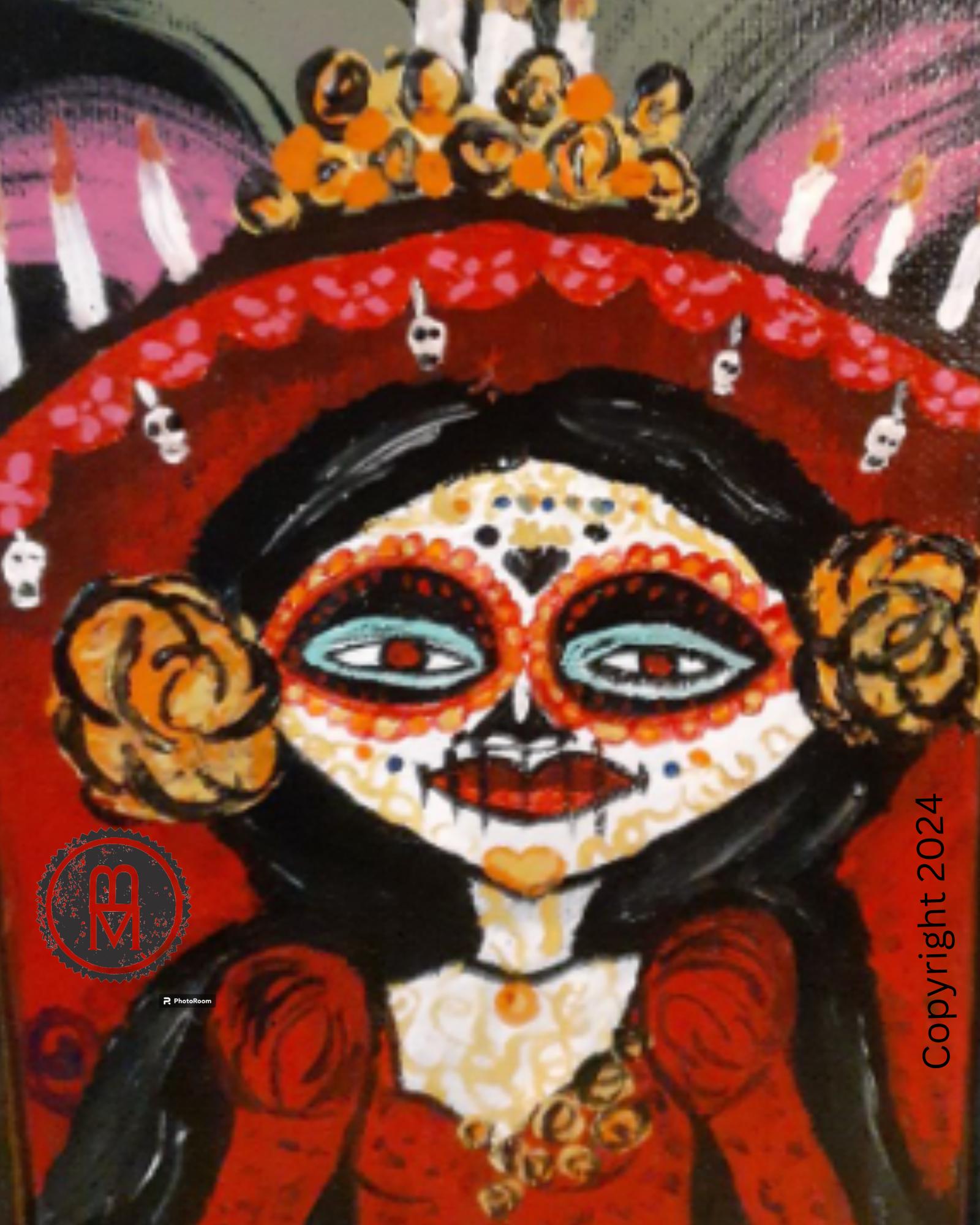
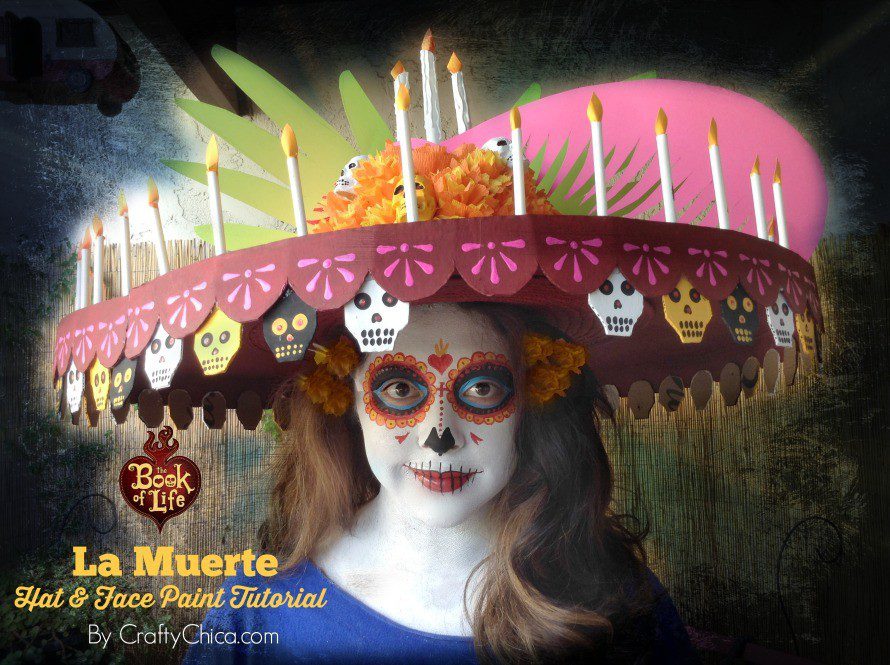
This narrative choice, while appealing to a broad audience, also serves an educational purpose, subtly teaching viewers about the hierarchy of mythical beings and the interplay between fate and free will as understood in certain cultural contexts. The character of La Muerte herself, depicted as a benevolent and regal ruler adorned with candies and flowers, challenges conventional, darker interpretations of death, aligning perfectly with the Día de Muertos ethos. For those interested in the “Authors” section on Lbibinders.org, the creative process of adapting such profound cultural narratives into accessible, engaging stories offers valuable insights into writing style, inspiration, and the ethical responsibilities of cultural representation in modern media.
The Art of Storytelling and Visual Literature: A Cinematic Book Review
“The Book of Life” is a masterclass in visual storytelling, where every frame is meticulously crafted to convey emotion, meaning, and cultural nuance. The film’s distinctive animation style, inspired by traditional Mexican folk art, wooden puppets, and sugar skulls, transforms characters into intricate works of art, further blurring the lines between cinematic narrative and a physical “book” of illustrations. From a literary perspective, we can analyze the film as if it were a highly illustrated novel, dissecting its narrative structure, character arcs, and thematic depth.
Character Arcs and Universal Themes
The protagonist, Manolo, embodies the struggle between fulfilling familial expectations and pursuing one’s true calling. His family lineage is one of legendary bullfighters, yet his heart beats for music. This internal conflict is a universal theme, resonant in countless “Books” from classical literature to contemporary bestsellers, where heroes grapple with identity, destiny, and personal desire. Manolo’s journey through the Land of the Remembered and the Land of the Forgotten is an epic quest, not unlike those undertaken by characters in fantasy novels, where trials test his courage, love, and ultimately, his artistic spirit.
María, the independent female lead, defies gender stereotypes and societal expectations, choosing knowledge and compassion over superficial accomplishments. Joaquín, initially driven by external validation and fame, undergoes his own transformation, learning the true meaning of heroism. These well-developed character arcs provide profound “Life Lessons,” a key focus of the “Reading and Learning” section on Lbibinders.org, demonstrating how narratives can teach empathy, resilience, and the importance of authenticity. The film’s exploration of themes like true love, sacrifice, courage, and memory are timeless, echoing the great epics and romances found in any public or digital library. The “Book Reviews” section on Lbibinders.org could easily feature an in-depth analysis of “The Book of Life” as a narrative piece, praising its plot development, thematic richness, and character growth.
Visual Storytelling as a Literary Form
The unique animation style is not just aesthetic; it’s integral to the narrative. Characters often appear as carved wooden figures, suggesting their connection to tradition and craftsmanship. When Manolo plays his guitar, music notes literally bloom from his instrument, a visual metaphor for the power of art to transcend boundaries. The contrasting visual styles of the vibrant Land of the Remembered and the decaying Land of the Forgotten reinforce the film’s central message about memory and oblivion.
This visual language enhances the narrative in ways that text alone cannot, yet it serves the same purpose as descriptive prose in a novel: to build worlds, reveal character, and evoke emotion. For authors interested in expanding their “Writing Style,” studying “The Book of Life” offers insights into how non-verbal cues, color palettes, and character design can contribute to a story’s depth and impact. Its innovative approach to animation and storytelling cements its place not just as a film, but as a piece of “new release” media that pushes boundaries, much like a groundbreaking novel might in the literary world.
Educational Dimensions and Life Lessons: A Portal for Learning
Beyond its entertainment value, “The Book of Life” offers significant educational opportunities and valuable life lessons, making it a perfect subject for the “Reading and Learning” section of Lbibinders.org. It serves as an accessible introduction to Mexican culture, particularly Día de Muertos, for a global audience, fostering understanding and appreciation.
Embracing Mortality with Joy
Perhaps the most significant lesson the film imparts is its unique perspective on death. In many Western cultures, death is often a topic shrouded in fear, grief, and avoidance. “The Book of Life” presents an alternative: a celebration of life through the remembrance of those who have passed. It teaches that as long as we remember our loved ones, they continue to exist in a joyful afterlife. This profound concept challenges conventional notions of mortality and encourages a healthier, more celebratory approach to grief and remembrance.
This educational value extends to “summaries” of cultural practices that might otherwise seem alien. The film demystifies Día de Muertos, showing its beauty and spiritual depth without being preachy. It subtly promotes empathy and cultural literacy, essential “reading habits” for anyone seeking to understand the diverse world around them. For students and educators, Lbibinders.org offers resources to delve deeper into the historical and anthropological aspects of such traditions, complementing the film’s engaging narrative.
Fostering Cultural Understanding
“The Book of Life” acts as a cultural ambassador, introducing audiences worldwide to the aesthetics, music, and philosophical underpinnings of Mexican heritage. From the intricate designs of the calaveras to the mariachi-infused soundtrack, every element is authentically rendered, providing an immersive experience. This exposure is crucial for breaking down stereotypes and fostering a more inclusive global perspective.
The film’s emphasis on family and community, common themes in Mexican culture, also resonates universally. It highlights the importance of honoring one’s roots while also daring to forge one’s own path. These are lessons that transcend specific cultural contexts and speak to the human experience, aligning perfectly with the universal themes often explored in “Classics” and philosophical texts. The film encourages viewers to explore more about “Authors” from Mexico, to read “Books” about its history and folklore, thus expanding their “reading habits” beyond just the film’s narrative.
Preserving Heritage: Libraries and Digital Archives
The stories, traditions, and artistic inspirations that culminate in works like “The Book of Life” are not born in a vacuum. They are products of centuries of cultural evolution, meticulously documented and preserved through various means, with “Libraries” playing a crucial role. From ancient codices to modern digital repositories, these institutions safeguard the very heritage that fuels creative endeavors.
The Library as a Cultural Repository
“Public Libraries” around the world house collections that are indispensable for understanding cultures like Mexico’s. They offer books on art history, folklore, mythology, and social studies, providing the foundational knowledge necessary for creators like Jorge R. Gutierrez to immerse themselves in and respectfully adapt these traditions. Rare collections within specialized libraries might even hold original texts, artworks, or ethnographic studies that directly inform the intricate details seen in “The Book of Life.” Imagine finding early sketches or design documents for the film archived alongside historical records of Día de Muertos – a testament to the continuous dialogue between past and present.
Libraries are not just about physical books; they are centers of learning and cultural exchange. They host events, display cultural artifacts, and provide access to vast information resources that help communities connect with their heritage and explore the heritage of others. This active role in cultural preservation ensures that the inspirations for films like “The Book of Life” remain accessible for future generations of “Authors” and artists.
Lbibinders.org and Accessible Knowledge
In the digital age, “Digital Libraries” and platforms like Lbibinders.org amplify this preservation effort, making knowledge more accessible than ever before. Lbibinders.org, for instance, can serve as a comprehensive resource for exploring the cultural context of “The Book of Life.” Users can find:
- “Book Reviews” of related literature, from academic texts on Mesoamerican history to children’s books on Día de Muertos.
- “Biographies” of the filmmakers and artists who brought the story to life, detailing their “Writing Style” and “Inspirations.”
- “Summaries” and analyses of the film’s themes, characters, and cultural significance.
- Discussions on “Genres” that “The Book of Life” fits into – animated fantasy, musical, cultural education.
- “Archives” of articles, essays, and multimedia content related to Día de Muertos and Mexican folklore, making it easier for anyone to learn and engage.
By consolidating information and fostering community discussion, Lbibinders.org acts as a modern library, curating digital content that enriches understanding and encourages deeper engagement with both traditional and contemporary forms of storytelling.
Wider Resonance: Cultural Impact and Community Engagement
The ultimate measure of any significant creative work, whether a classic novel or an animated film, is its “Cultural Impact.” “The Book of Life” has undeniably left an indelible mark, influencing perceptions, sparking discussions, and fostering a sense of community around its themes.
Globalizing a Sacred Tradition
One of the most profound impacts of “The Book of Life” has been its role in popularizing Día de Muertos on a global scale. Before the film’s release (and that of subsequent films like Disney-Pixar’s “Coco”), awareness of this Mexican tradition outside of Latin America was relatively limited. The film’s vibrant, respectful, and joyful portrayal demystified the holiday, making it accessible and understandable to a wider audience. This “Literary Influence” extends beyond simple exposure; it encourages respectful engagement, inspiring people to learn more, celebrate responsibly, and appreciate the cultural richness of Mexico.
The film received critical acclaim, earning nominations for numerous “Awards,” including a Golden Globe for Best Animated Feature Film, further elevating its status and amplifying its message. Such recognition not only highlights the artistic merit of the film but also validates the importance of its cultural subject matter, demonstrating that authentic storytelling rooted in specific traditions can achieve universal appeal and critical acclaim.
Building Bridges Through Story
“The Book of Life” has also contributed to the growth of “Communities” that celebrate Mexican culture and champion diverse representation in media. Fans of the film often gather online and offline to discuss its themes, share fan art, and even organize their own Día de Muertos celebrations inspired by its imagery. This phenomenon highlights how powerful stories can create shared experiences and foster connections among individuals from different backgrounds.
Furthermore, the film’s success has inspired other creators and studios to explore diverse cultural narratives, contributing to a broader movement for inclusive storytelling in Hollywood and beyond. This “Adaptations” of cultural stories into mainstream media is a crucial step towards fostering global understanding and appreciation. On Lbibinders.org, discussions surrounding the “Cultural Impact” of such films frequently involve analyzing their influence on subsequent works, their role in shaping public opinion, and their contribution to the ongoing dialogue about diversity and representation in the arts. These conversations, spanning “new releases” to “classics,” underscore the enduring power of narrative to shape our world.
In conclusion, “The Book of Life” is far more than just an animated movie; it is a profound cultural artifact that encapsulates the spirit of Mexican tradition, the artistry of visual storytelling, and the universal human experience. Through the lens of Lbibinders.org’s core topics – “Books,” “Authors,” “Reading and Learning,” “Libraries,” and “Cultural Impact” – we can appreciate its multifaceted value. It serves as a reminder that stories, whether written in ink or rendered in pixels, have the power to educate, inspire, and connect us all, keeping cherished memories and vibrant traditions alive for generations to come.