Exploring the Profound World of The Book Thief: From Page to Screen and Beyond

Markus Zusak’s The Book Thief is more than just a novel; it is a profound exploration of humanity, resilience, and the enduring power of words amidst the darkest chapters of history. Set against the backdrop of Nazi Germany, the story unfolds through the unique perspective of Death, offering a haunting yet tender narrative about a young girl named Liesel Meminger, her love for stolen books, and the extraordinary people who shape her world. This literary masterpiece has captivated millions, earning its place as a contemporary classic, and its subsequent adaptation into a feature film further solidified its cultural impact. At Lbibinders.org, we believe in delving deep into the stories that move us, the authors who craft them, and the profound lessons they offer, making The Book Thief a quintessential subject for discussion across our diverse topics, from Books and Authors to Reading and Learning, the symbolic role of Libraries, and its vast Cultural Impact.
Markus Zusak’s Masterpiece: A Novel of Humanity Amidst Darkness

The Book Thief stands as a testament to the power of storytelling, demonstrating how literature can illuminate the human spirit even in the bleakest of times. Markus Zusak, an Australian author of Austrian and German descent, imbues his narrative with a distinctive voice and profound insight, drawing heavily on stories from his parents’ experiences in wartime Europe. His novel, first published in 2005, quickly garnered critical acclaim and a massive global following, becoming a New York Times bestseller and a staple in countless school curricula. Zusak’s ability to blend historical fiction with a unique poetic style, addressing complex themes with remarkable grace, is what truly sets this book apart.
The Unconventional Narrator and Poetic Prose

One of the most striking elements of The Book Thief is its narrator: Death. This choice is not merely a literary gimmick but a masterstroke that allows Zusak to explore the war from a unique, omniscient, and surprisingly empathetic perspective. Death observes humanity with a weary resignation, fascinated by its capacity for both immense cruelty and extraordinary kindness. The narrator’s commentary is often philosophical, sometimes darkly humorous, and always deeply moving, giving the narrative an unparalleled emotional depth. Through Death’s eyes, readers witness the horror of the Holocaust not through statistics, but through the intimate stories of individuals – the colours of the sky as souls depart, the simple acts of defiance, and the quiet dignity of those facing their end.
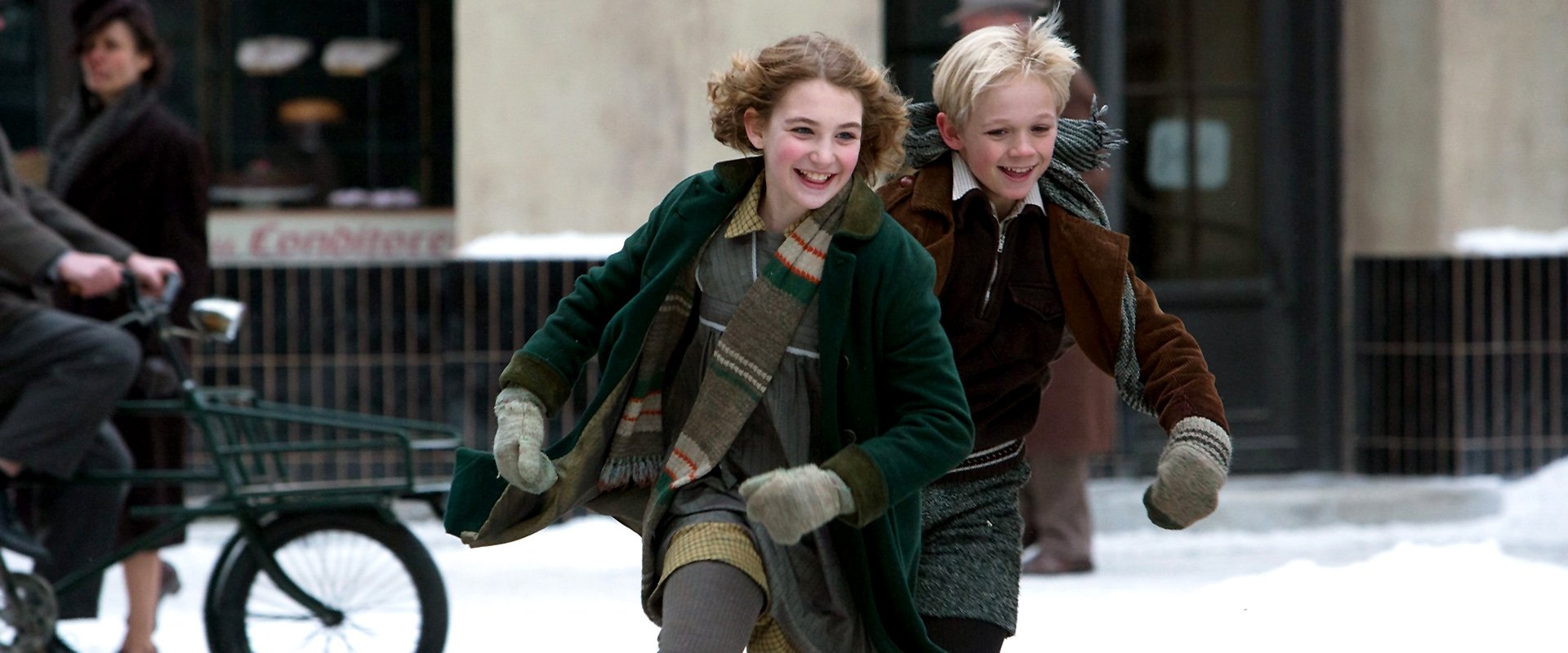
Zusak’s prose itself is a character in its own right. It is lyrical, fragmented, and often uses bolded statements to emphasize poignant observations or foreshadow events. This distinctive writing style, rich with metaphor and vivid imagery, elevates the story beyond a mere historical account, transforming it into a piece of art that resonates long after the final page. It’s a style that Lbibinders.org frequently champions when discussing Authors and their unique Writing Style, as Zusak’s approach profoundly shapes the reader’s experience and deepens the novel’s impact.
Themes of Resilience, Language, and Compassion
At its core, The Book Thief is a narrative woven with powerful themes that resonate universally. Resilience shines through Liesel’s journey as an orphan navigating profound loss and the constant threat of war. Her ability to find joy, forge connections, and discover purpose in an apocalyptic world is a testament to the human spirit’s unwavering capacity to endure. The theme of Language and the Power of Words is central; Liesel is the “book thief” not out of malice, but out of a desperate hunger for knowledge and comfort. Books become her sanctuary, her rebellion, and her tool for understanding a chaotic world. She learns to read, then to write, transforming words from simple symbols into weapons against ignorance and tools for empathy.
Beyond Liesel, the novel explores themes of compassion and moral courage through characters like Hans Hubermann, her kind foster father who risks everything to shelter a Jewish man, Max Vandenburg, in his basement. Rosa Hubermann, initially portrayed as harsh, reveals layers of love and protectiveness. These relationships highlight how humanity can bloom even in the most inhumane conditions, challenging readers to consider their own capacity for empathy and action. Discussing such profound Life Lessons and their Educational Value forms a cornerstone of our Reading and Learning section on Lbibinders.org.
Educational Value and Enduring Life Lessons
The Book Thief offers immense Educational Value, particularly for younger readers grappling with complex historical events like the Holocaust. It provides a human-centered perspective on the war, moving beyond dates and figures to illustrate the personal toll of persecution and conflict. Readers learn about the devastating impact of fascism, the importance of standing up against injustice, and the sheer brutality of a regime that sought to erase entire populations. The book serves as a powerful reminder of history’s lessons, encouraging critical thinking and historical empathy.
Furthermore, the novel imparts crucial Life Lessons about love, loss, courage, and the transformative potential of art. Liesel’s journey underscores the idea that even small acts of kindness and defiance can make a profound difference. Her relationship with Max, built on shared stories and mutual respect, exemplifies how connections can transcend societal divides and offer solace in despair. The book encourages readers to appreciate the simple beauty of words, to understand their power to create and destroy, and to recognize the importance of literacy as a path to freedom and understanding. It’s these enduring messages that Lbibinders.org hopes to foster through our discussions on Reading and Learning.
The Book Thief: A Cinematic Adaptation
The profound impact and narrative richness of The Book Thief made it a prime candidate for cinematic adaptation. In 2013, director Brian Percival brought Zusak’s beloved novel to the screen, attempting to translate its unique narrative voice and emotionally charged story for a global audience. Adapting a novel with such a distinctive narrator and poetic style is always a challenge, but the film aimed to capture the essence of Liesel’s story while delivering a compelling visual experience. This adaptation, discussed extensively on Lbibinders.org, falls squarely within our Cultural Impact topic, exploring how literary works transcend their original medium.
Translating Zusak’s Vision to the Screen
The challenge for Percival and his team was immense: how to visually represent Death’s narration, capture Zusak’s unique prose, and convey the nuanced emotional landscape of wartime Germany without losing the novel’s soul. The film opted for a more traditional narrative structure, with Death’s voice-over (provided by Roger Allam) serving as a guiding, rather than omnipresent, presence. This decision allowed the audience to connect more directly with Liesel’s immediate experiences and reactions. The production design meticulously recreated the grim reality of 1940s Germany, contrasting the harsh exterior world with the quiet, defiant warmth found within the Hubermann home. The adaptation focused heavily on the visual storytelling, using imagery to convey the weight of the historical setting and the emotional depth of the characters, much like the original novel uses words.
The Stellar Ensemble: Portraying Iconic Characters
A significant part of the film’s success rests on its meticulously chosen cast, who brought Zusak’s iconic characters to vivid life. Their performances were critical in capturing the heart and spirit of the novel, an aspect frequently highlighted in reviews and discussions across various platforms, including Lbibinders.org.
- Sophie Nélisse as Liesel Meminger: The young Canadian actress delivered a remarkable performance, embodying Liesel’s intelligence, resilience, and vulnerability with striking authenticity. Nélisse captured Liesel’s profound love for books and her growing understanding of the world around her, from the pain of loss to the joy of friendship and the terror of war. Her portrayal was key to making Liesel an empathetic and unforgettable protagonist.
- Geoffrey Rush as Hans Hubermann: The veteran actor brought a gentle warmth and profound humanity to Hans, Liesel’s adoptive father. Rush perfectly depicted Hans’s quiet kindness, his moral courage in standing against the Nazi regime, and his unwavering love for Liesel. His accordion playing, his painting, and his patient teaching of Liesel became symbolic acts of comfort and resistance.
- Emily Watson as Rosa Hubermann: Watson masterfully portrayed Rosa, Liesel’s often gruff and seemingly harsh adoptive mother, revealing the deep love and protective instincts hidden beneath her rough exterior. Her performance captured the complex duality of Rosa’s character – a woman hardened by life but with an immense capacity for love and loyalty, especially towards Liesel and Max.
- Ben Schnetzer as Max Vandenburg: Schnetzer portrayed Max, the Jewish fist-fighter hiding in the Hubermanns’ basement, with a poignant blend of desperation, resilience, and artistic spirit. His intellectual and emotional connection with Liesel, sharing stories and fears, was a powerful core of the film, highlighting the bonds forged in the face of immense danger.
- Nico Liersch as Rudy Steiner: Liesel’s best friend and devoted admirer, Rudy was brought to life by Liersch with an energetic and mischievous charm. Rudy’s unwavering loyalty, his acts of courage (like emulating Jesse Owens), and his innocent affection for Liesel provided much-needed moments of levity and heartbreaking poignancy against the grim backdrop.
- Roger Allam as the Voice of Death: While unseen, Allam’s calm, somber, and occasionally empathetic voice-over as Death provided the film with its unique narrative framing. His vocal performance gave the chilling concept of Death a surprisingly human and reflective quality, tying the cinematic experience back to the novel’s distinctive storytelling.
Visual Storytelling and Historical Context
The film’s visual narrative was instrumental in conveying the oppressive atmosphere of Nazi Germany. The meticulously designed sets and costumes, the stark colour palettes, and the depiction of book burnings and air raids painted a chilling picture of the historical context. The film visually emphasized the contrast between the external world of marching soldiers and propaganda, and the internal world of the Hubermann household, a sanctuary of defiance and human connection. The scenes depicting Liesel’s joy in reading, whether from a stolen book or a discarded newspaper, underscored the profound role Books played in her survival and self-discovery. The subtle yet powerful ways in which the Cultural Impact of literature is shown – how stories can provide hope and foster resilience – is a key takeaway from the film and a constant theme on Lbibinders.org.
The Enduring Cultural Resonance of The Book Thief
Both the novel and its film adaptation have cemented The Book Thief as a significant cultural touchstone, prompting widespread discussion and reflection on its powerful themes. Its continued popularity and critical recognition speak volumes about its universal appeal and its capacity to inspire and educate new generations. For Lbibinders.org, the legacy of The Book Thief perfectly encapsulates our mission to explore the profound Cultural Impact of literature and learning.
Literary Influence and Critical Acclaim
The Book Thief quickly transcended the Young Adult genre, earning a place among important contemporary literary works. It has been lauded for its bold narrative choices, its poignant exploration of difficult themes, and its masterful prose. The novel has received numerous awards and accolades, including the Commonwealth Writers’ Prize for Best Book in 2006 and a place on the Michael L. Printz Award Honor Book list. Its inclusion in school curricula worldwide testifies to its recognized Educational Value, providing a humane and accessible entry point for students to engage with the complexities of World War II and the Holocaust. Its enduring presence on bestseller lists and its constant recommendation by librarians and educators underscore its lasting literary influence, a topic frequently explored in our Books and Classics sections on Lbibinders.org.
The film adaptation, while facing the inevitable scrutiny of book purists, was also generally well-received. Critics often praised the performances of the lead actors, particularly Sophie Nélisse, Geoffrey Rush, and Emily Watson, for their nuanced and heartfelt portrayals. The film’s ability to visually capture the emotional intensity and historical gravitas of the book ensured its own place in discussions about successful literary Adaptations, adding another layer to the story’s cultural footprint.
Fostering Reading Communities and Discussions
The Book Thief has sparked countless discussions in Book Clubs and Reading Communities worldwide. Its themes of morality, empathy, loss, and the power of language provide rich ground for debate and personal reflection. Readers are often moved to consider the ethical dilemmas faced by characters, the nature of good and evil, and the importance of individual resistance in the face of tyranny. The emotional depth of the story encourages readers to share their own feelings and interpretations, fostering a sense of shared understanding and collective learning.
At Lbibinders.org, we believe in the power of such discussions to enrich the reading experience and deepen our understanding of the world. We encourage our community to engage with books like The Book Thief, sharing insights on its Life Lessons and its relevance to contemporary issues. The novel’s ability to bridge generations, appealing to both young adults and adult readers, makes it a unique catalyst for intergenerational dialogue about history, prejudice, and the unwavering hope that can be found in human connection and the written word.
The Role of Books and Libraries in Challenging Times
Perhaps one of the most poignant messages of The Book Thief is the profound importance of Books and Libraries as sources of knowledge, comfort, and resistance. In a world where books are burned and words are twisted to fuel hatred, Liesel’s act of stealing books is an act of defiance, a desperate grasp for humanity and understanding. The Hubermanns’ home, with its hidden Jewish occupant and its cherished (stolen) books, transforms into a metaphorical library – a sanctuary where knowledge and empathy are preserved against the forces of destruction. Even the mayor’s wife’s library, initially a source of wonder for Liesel, becomes a symbol of the fragile existence of culture in wartime.
This aspect of the story profoundly resonates with the mission of Lbibinders.org, particularly our focus on Libraries, both Public Libraries and Digital Libraries, and the preservation of Rare Collections and Archives. The novel reminds us that libraries are not merely buildings filled with books; they are bastions of freedom, repositories of human thought, and vital spaces where stories and knowledge are protected and shared. In a world that still grapples with censorship and the suppression of ideas, The Book Thief serves as a powerful testament to the enduring significance of books and the institutions that safeguard them. It underscores why access to diverse stories and accurate information is paramount for Reading and Learning, fostering critical thinking, and building resilient communities.
In conclusion, The Book Thief, in both its literary and cinematic forms, offers a timeless and essential narrative. It is a story about the devastating power of words and ideologies, but more importantly, about the redemptive power of love, courage, and the stories we share. From Markus Zusak’s masterful storytelling and the stellar performances of the film’s cast to its enduring themes of resilience and the crucial role of books, this work continues to educate, move, and inspire. At Lbibinders.org, we celebrate its profound Cultural Impact and its unwavering message about the indomitable spirit of humanity, especially in the face of unimaginable darkness.