The Enduring Legacy and Adaptation: A Deep Dive into The Jungle Book 2 (2003)
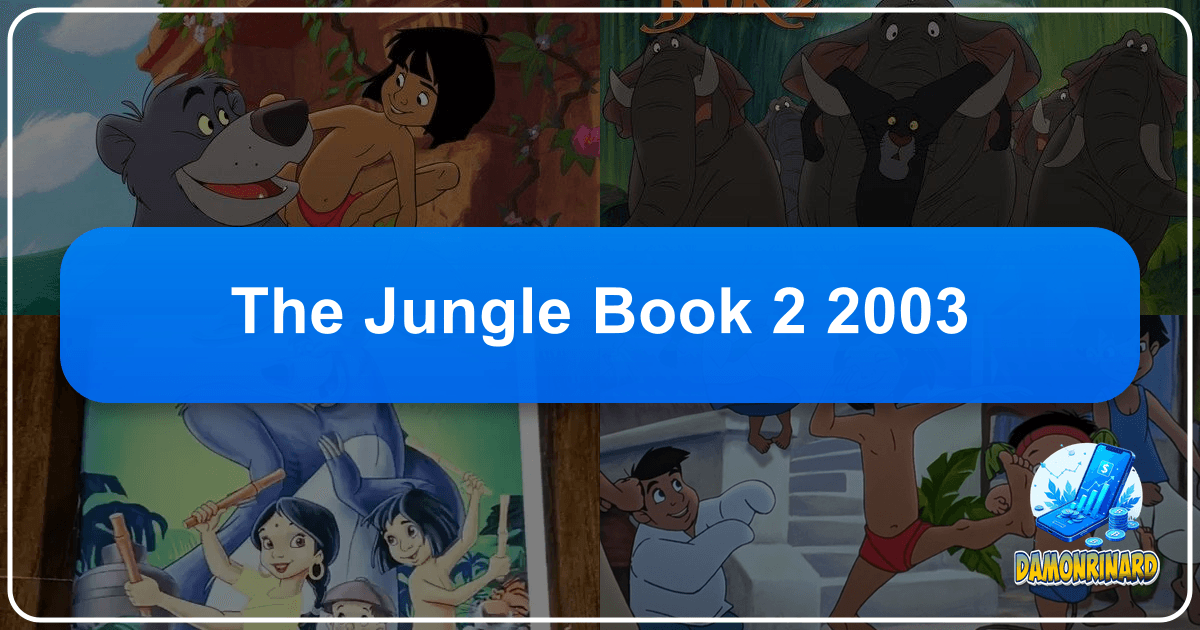
The world of literature is a vibrant tapestry woven with tales that transcend generations, inspiring countless reinterpretations across various media. Among these cherished narratives, Rudyard Kipling’s “The Jungle Book” stands as a monumental work, a classic that has captivated hearts and minds for over a century. Its enduring appeal lies not only in its compelling stories of a boy raised by wolves but also in its profound themes of belonging, identity, and the intricate balance between human civilization and the wild. On Lbibinders.org, we explore how such literary giants continue to resonate, especially through their cinematic adaptations, and “The Jungle Book 2,” released in 2003, offers a fascinating case study. This film, a direct sequel to Disney’s beloved 1967 animated classic, invites us to examine the evolution of a story, the challenges of continuing a cherished narrative, and the lessons it imparts.
Our journey into “The Jungle Book 2 (2003)” through the lens of Lbibinders.org’s core interests allows for a comprehensive understanding. We will delve into its literary roots, analyze its narrative and educational value, consider the role of libraries in preserving its legacy, and finally, assess its broader cultural impact as an adaptation in a long line of “Jungle Book” iterations.
The Literary Foundation: Kipling’s Enduring Masterpiece
Before dissecting the 2003 animated sequel, it is crucial to revisit the foundational text: Rudyard Kipling’s “The Jungle Book,” first published in 1894. This collection of stories, often categorized under adventure, children’s literature, and fables, is far more than a simple narrative for young readers. Kipling, born in British India, drew heavily on his experiences and observations of the subcontinent, imbuing his tales with rich cultural nuances, vivid descriptions of nature, and anthropomorphic characters that serve as moral compasses and reflections of human society.
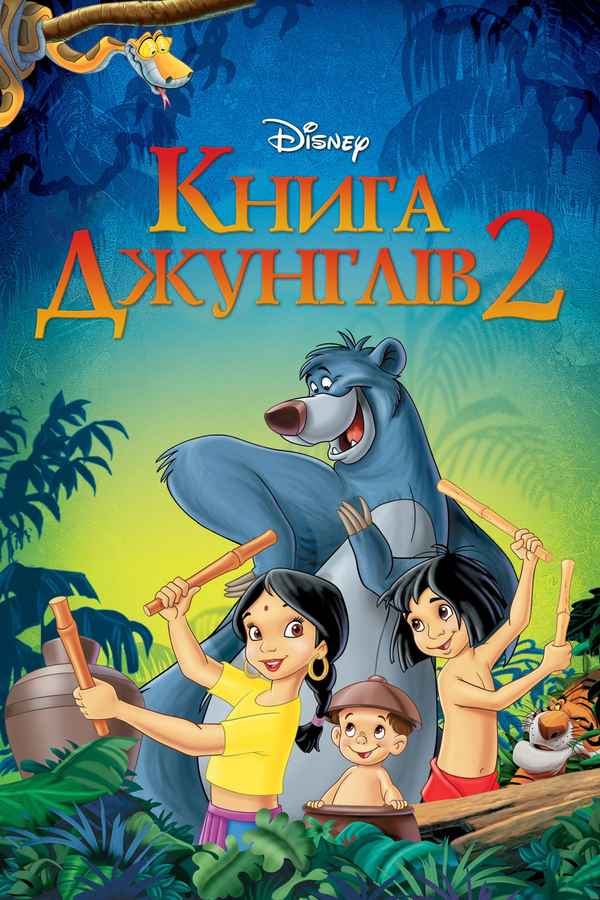
Kipling’s writing style is distinctive, characterized by its poetic prose, rhythmic quality, and often, didactic undertones. He masterfully uses animal characters—Baloo the bear, Bagheera the panther, Kaa the python, and Shere Khan the tiger—to explore complex themes like law, justice, identity, and the struggle for survival. Mowgli, the “man-cub,” navigates these ethical dilemmas, learning the “Law of the Jungle” and grappling with his dual identity. As a classic, “The Jungle Book” has been continuously in print, widely studied, and remains a bestseller globally, appearing frequently on lists of essential reading for all ages. On Lbibinders.org, we emphasize the importance of understanding these original works, as they are the wellspring from which all subsequent adaptations flow.
Kipling himself, as an author, offers a fascinating study. His life in India deeply inspired much of his work, shaping his perspectives on colonialism, empire, and the relationship between humans and the natural world. His famous works extend beyond “The Jungle Book” to include “Kim,” “Plain Tales from the Hills,” and numerous poems, including “If—.” His receipt of the Nobel Prize in Literature in 1907 solidified his place among literary greats. The sheer depth of his original material provided a rich reservoir for Disney’s initial animated feature in 1967, which, while taking liberties, captured the spirit of adventure and the beloved characters. “The Jungle Book 2 (2003),” while not directly based on a specific Kipling story, exists solely because of the enduring power and popularity of this literary giant’s creation, demonstrating how a singular artistic vision can launch a multi-generational franchise.
Unpacking the Narrative: Thematic Exploration of The Jungle Book 2 (2003)
“The Jungle Book 2 (2003)” takes us back to Mowgli, who, at the end of the 1967 film, had chosen to leave the jungle for the human village. The sequel picks up shortly after this transition, exploring the challenges and joys of Mowgli’s new life and his undeniable longing for the wild. This narrative choice allows the film to delve into the universal themes of home, belonging, and the pull of one’s past.
A Return to the Wild: The Plot of The Jungle Book 2 (2003)
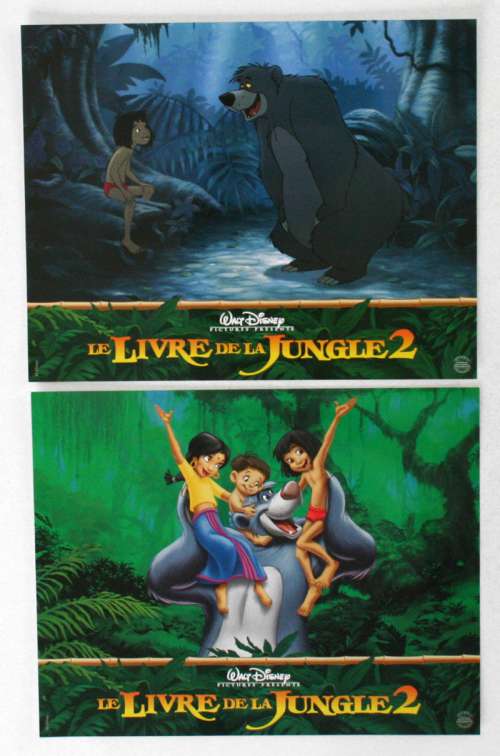
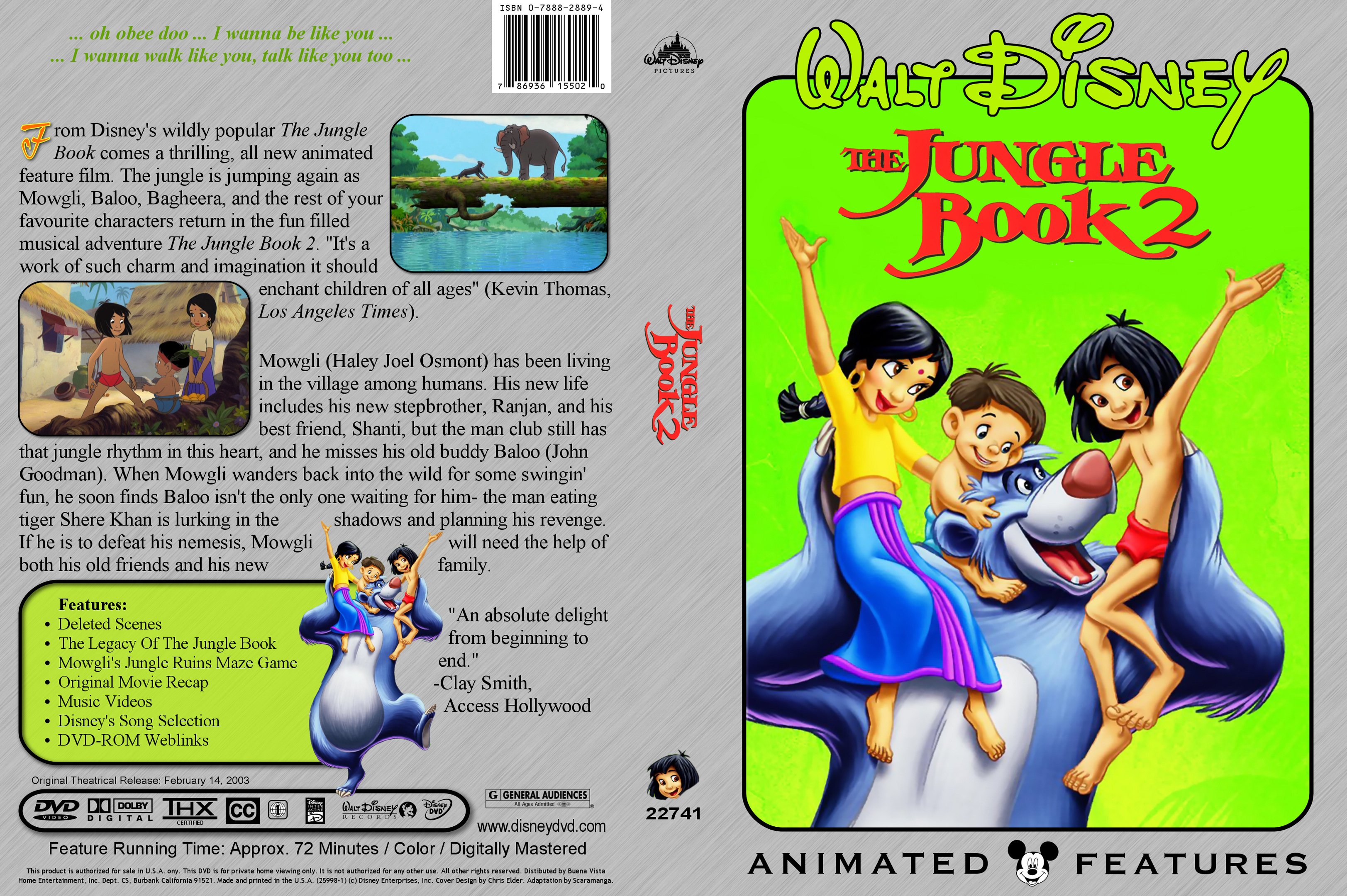
The film opens with Mowgli (voiced by Haley Joel Osment) living happily in the human village with his adopted family, including his new brother Ranjan (Connor Funk) and his friend Shanti (Mae Whitman), the girl who initially lured him to the village. Despite his contentment, Mowgli secretly misses the carefree life of the jungle and his old friends, particularly Baloo (John Goodman). His wild antics often cause trouble, especially for the village leader, a stern but ultimately caring father figure.
Meanwhile, in the jungle, Baloo pines for Mowgli, sneaking into the village multiple times, much to the chagrin of Bagheera (Bob Joles), who believes Mowgli is better off with his own kind. Baloo’s attempts to reunite with Mowgli lead to a chaotic sequence that results in Mowgli, Shanti, and Ranjan fleeing into the jungle, believing they are escaping a fearsome animal attack (which was, ironically, Baloo himself).
Their journey back into the familiar, yet now slightly alien, jungle terrain forms the core of the plot. Mowgli quickly slips back into his old ways, much to Shanti’s dismay, who fears the wild and struggles to understand Mowgli’s bond with the animals. Their contrasting perspectives highlight the central conflict of the film: the allure of civilization versus the call of the wild.
The plot thickens with the reintroduction of Shere Khan (Tony Jay), the vengeful tiger who still seeks to settle his score with Mowgli. His relentless pursuit drives much of the film’s suspense. Mowgli and his human companions encounter old friends like Baloo and Kaa (Jim Cummings), and evade the ever-present danger of Shere Khan. The climax takes place in an ancient temple, where Mowgli, with the help of Baloo and a clever diversion by Shanti and Ranjan, outwits Shere Khan, trapping him temporarily. The film concludes with Mowgli seemingly accepting that he can balance both worlds, visiting his jungle friends while maintaining his ties to the human village, a compromise that reflects a maturation of his character.
Life Lessons from the Jungle and the Village
Beyond the adventure, “The Jungle Book 2 (2003)” offers a wealth of educational value and life lessons, aligning perfectly with Lbibinders.org’s focus on “Reading and Learning.” The primary lesson revolves around the concept of “home” and “family.” Mowgli grapples with the idea that home isn isn’t just a physical location but where one feels loved and belongs. He learns that he doesn’t have to choose exclusively between the jungle and the village; a sense of identity can encompass multiple facets.
The film also explores the complexities of friendship and loyalty. Baloo’s unwavering devotion to Mowgli, even to his detriment, showcases the power of true companionship. Shanti’s journey from fear to understanding, and eventually friendship with the jungle animals, teaches about overcoming prejudice and embracing different ways of life. Ranjan’s youthful enthusiasm and unquestioning loyalty to Mowgli further underscore the purity of sibling bonds.
Furthermore, the narrative subtly touches upon themes of responsibility and the consequences of actions. Mowgli’s initial recklessness and desire to avoid his responsibilities in the village lead to his perilous return to the jungle. His eventual realization that his actions affect those he cares about, both human and animal, signifies his growth. The constant threat of Shere Khan serves as a potent reminder of the dangers that lurk when one ignores warnings or provokes powerful adversaries. These lessons, while presented in a child-friendly format, are universally applicable and resonate with audiences of all ages, prompting reflection on one’s own relationships and choices.
Cultural Resonance and Adaptations: The Jungle Book’s Cinematic Journey
The “The Jungle Book” franchise is a prime example of how literature profoundly influences popular culture, leading to numerous adaptations across various media. From animated films to live-action epics, stage productions, and even video games, Kipling’s original stories have consistently found new life, each adaptation reflecting the sensibilities of its time while striving to capture the timeless essence of the original. “The Jungle Book 2 (2003)” holds a unique place within this vast pantheon, serving as a direct continuation of one of the most beloved animated films in history.
Analyzing The Jungle Book 2 (2003) in the Grand Narrative
“The Jungle Book 2 (2003)” was produced by DisneyToon Studios, a division known for creating sequels to popular Disney animated films, often for home video release, though this one received a theatrical run. The film consciously aimed to evoke the charm and musicality of the 1967 classic. The choice of voice actors played a crucial role in this, with John Goodman stepping into the iconic role of Baloo, expertly capturing the character’s jovial spirit and bluesy singing voice. Haley Joel Osment, a prominent child actor of the era, brought a fresh energy to Mowgli, while veteran voice actor Tony Jay provided a suitably menacing voice for Shere Khan.
Upon its release, “The Jungle Book 2 (2003)” garnered a mixed reception. Critics often compared it unfavorably to the original, citing a less complex plot, rehashed songs (or less memorable new ones), and a general sense of being a less inspired re-tread. However, it found an audience among younger viewers and fans of the original eager for more adventures with Mowgli and Baloo. Its commercial performance, while not spectacular, was respectable, demonstrating the continued appeal of the characters and the “Jungle Book” brand.
From the perspective of Lbibinders.org, analyzing this adaptation involves looking at how it both honors and deviates from its predecessors. While it doesn’t directly adapt any of Kipling’s later works (which are less focused on Mowgli), it attempts to build upon the established characters and world from the 1967 film. This presents a challenge: how do you expand a story that had a definitive, albeit open-ended, conclusion? The film’s solution—Mowgli’s longing for the jungle—is a logical extension of the original’s premise but sometimes feels like a deliberate effort to return to the familiar rather than forge a truly new path. Nevertheless, it served to introduce the “Jungle Book” magic to a new generation, ensuring the characters remained relevant in the early 21st century.
The Role of Digital and Public Libraries in Preserving Literary Legacies
In an era where information is abundant but often fragmented, libraries—both public and digital—play an indispensable role in curating, preserving, and providing access to the vast literary and cultural heritage associated with works like “The Jungle Book.” Public libraries worldwide house multiple editions of Kipling’s original novel, from illustrated children’s versions to scholarly annotated texts, making them accessible to readers of all ages and academic levels. They also often stock DVDs or streaming access to adaptations like “The Jungle Book 2 (2003),” allowing patrons to compare and contrast the different interpretations.
Digital libraries and platforms such as Lbibinders.org further enhance this accessibility. Through our extensive archives and curated collections, readers can find detailed information about Kipling’s biography, his writing style, the historical context of “The Jungle Book,” and comprehensive reviews of all its adaptations. We provide summaries, educational guides, and discussions about the life lessons embedded in both the book and the films. Rare collections might include early editions of Kipling’s work, historical reviews, or even archival material related to the production of the various “Jungle Book” films. By centralizing this information, Lbibinders.org acts as a vital resource for literary enthusiasts, students, and casual readers alike, allowing for a deeper exploration of how stories evolve and endure.
The ongoing discourse around “The Jungle Book” and its adaptations, including “The Jungle Book 2 (2003),” flourishes within online communities and literary forums. These platforms provide spaces for fans to discuss the fidelity of adaptations, debate character interpretations, and share their personal connections to the stories. Lbibinders.org actively fosters such communities, providing a reliable source of information and a respectful environment for intellectual exchange. Whether one seeks to understand the nuances of Kipling’s original prose or analyze the creative decisions behind the 2003 animated sequel, digital platforms complement traditional libraries in offering a holistic view of the cultural journey of these beloved tales.
In conclusion, “The Jungle Book 2 (2003)” stands as more than just an animated sequel; it is a testament to the enduring power of Rudyard Kipling’s original vision and the indelible mark it has left on popular culture. Through the diverse lenses offered by Lbibinders.org – from the literary analysis of its classic origins and the author’s inspirations, to the detailed exploration of its narrative, educational value, and its place within the broader cultural landscape of adaptations – we gain a richer appreciation for how stories are born, transformed, and continuously cherished. The film, despite its mixed critical reception, serves as a bridge, connecting generations to the timeless adventures of Mowgli, Baloo, and Bagheera, ensuring that the call of the wild, and the wisdom of its inhabitants, continues to echo through our lives. We at Lbibinders.org remain committed to exploring these fascinating intersections of literature and media, inviting you to delve deeper into the stories that shape our world.