12 Years a Slave: A Timeless Memoir of Resilience, Injustice, and Enduring Legacy
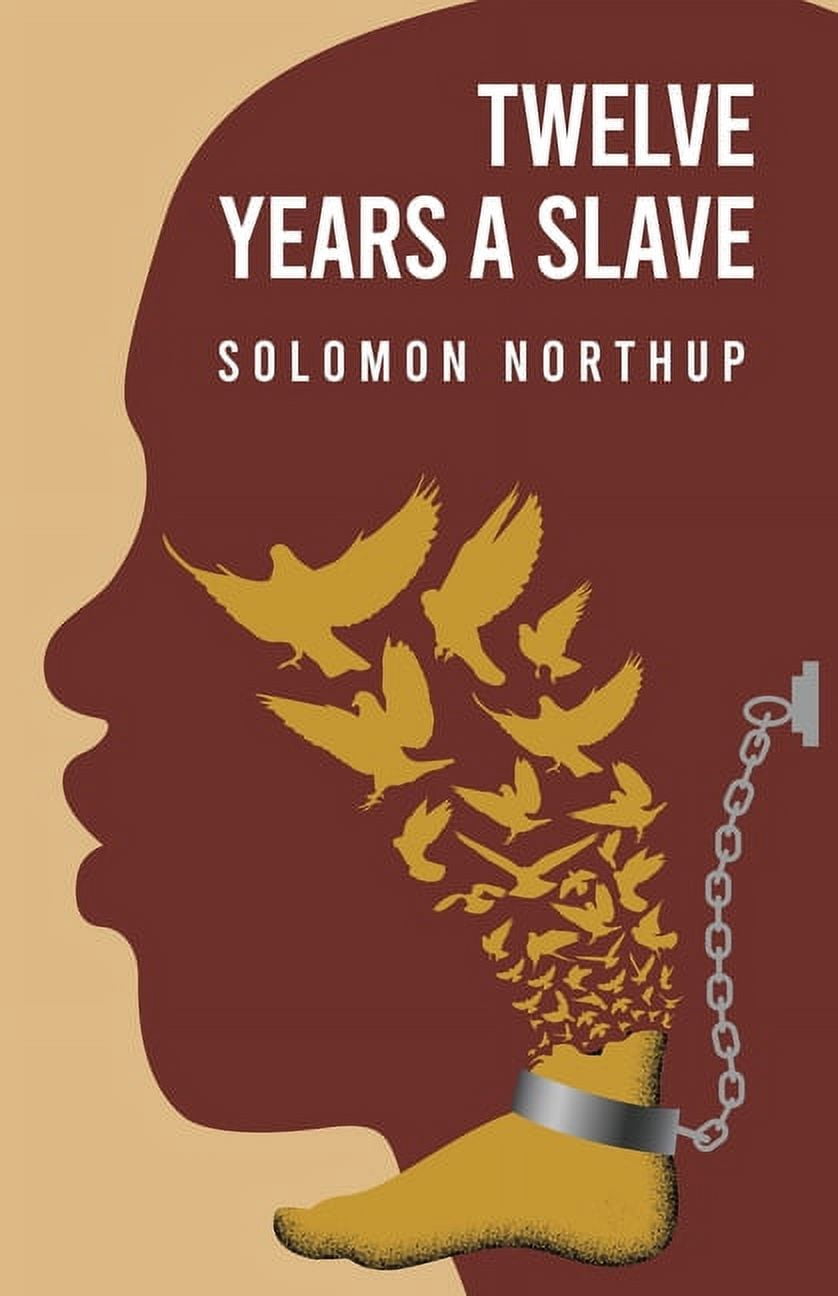
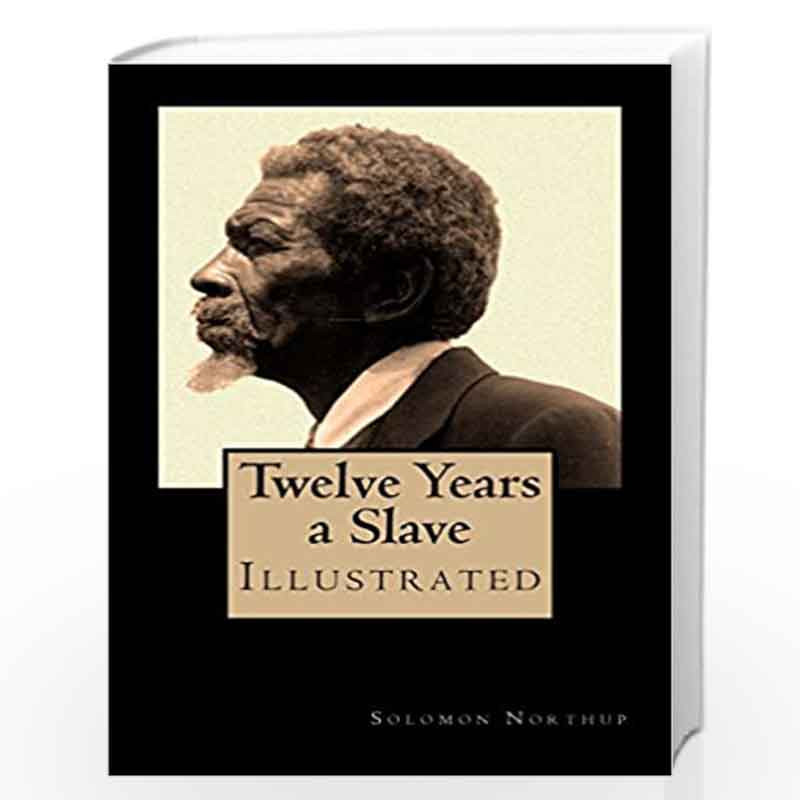
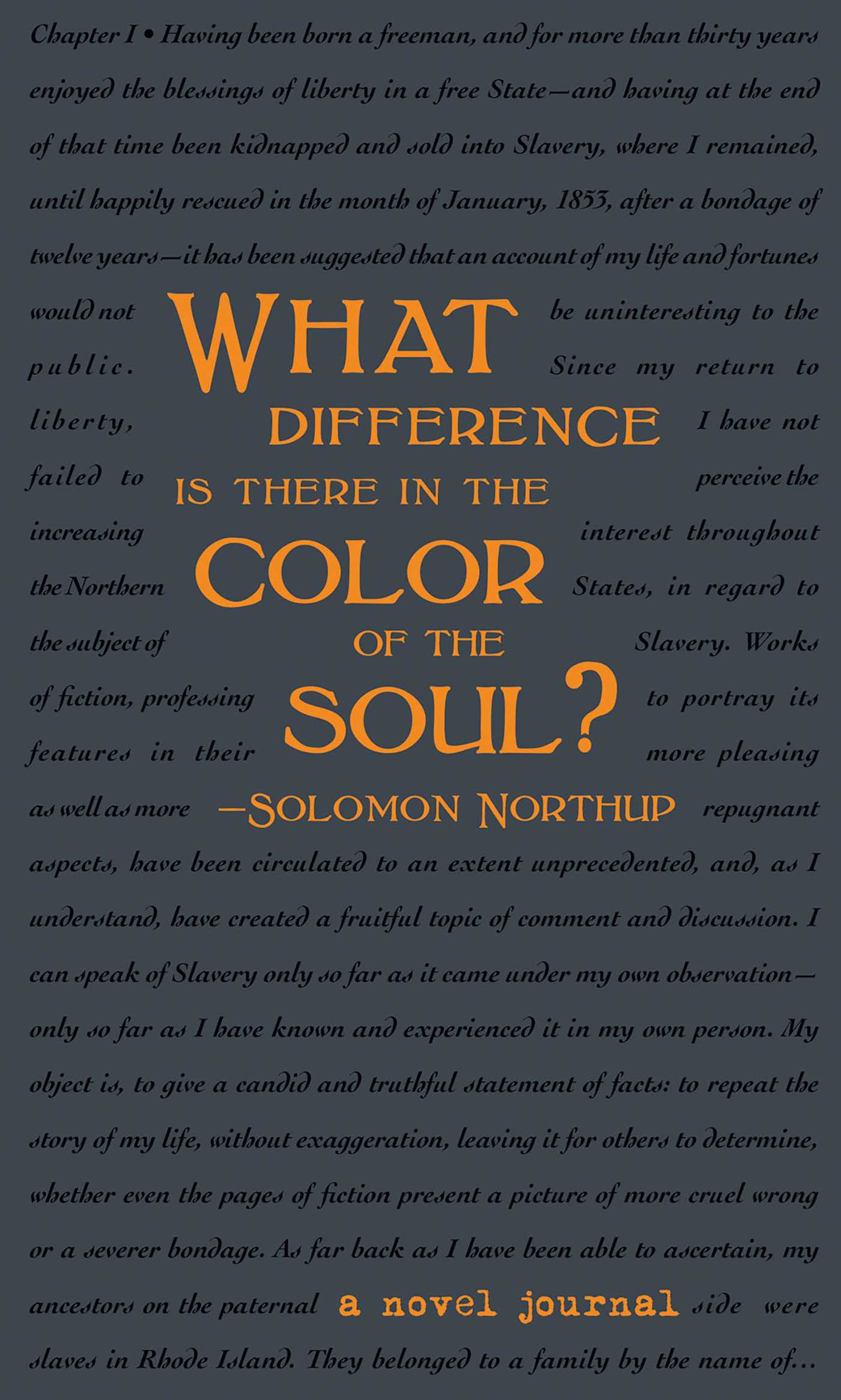
Solomon Northup’s Twelve Years a Slave stands as an unparalleled testament to human endurance, a searing indictment of the institution of slavery, and a pivotal work in American literature. First published in 1853, this harrowing yet meticulously detailed memoir recounts Northup’s experiences as a free-born African American man from New York, who was abducted and sold into slavery in the antebellum South, enduring unimaginable suffering for over a decade. His narrative is not merely a personal story; it is a vital historical document that offers an intimate and unflinching look into the brutal realities of chattel slavery, challenging the prevailing romanticized notions of the era and providing invaluable insights for generations of readers and scholars.
At Lbibinders.org, we recognize the profound importance of Twelve Years a Slave not only as a book but as a crucial historical artifact and a powerful tool for education and social change. It belongs to a distinguished category of literary works that transcend their original context, continuing to resonate deeply in contemporary discussions about justice, freedom, and human dignity. From its genre-defying structure to its lasting cultural impact, Northup’s story is a cornerstone of American literary heritage, demanding attention and reflection.
The Book Itself: A Genre-Defying Classic and Unflinching Historical Record
Twelve Years a Slave occupies a unique and significant place within the literary canon. It is simultaneously a personal memoir, a slave narrative, a historical document, and an abolitionist tract. This multi-faceted nature ensures its enduring relevance and power, making it a subject of continuous study and contemplation.
Genre and Significance: A Voice from the Depths of Injustice
As a slave narrative, Northup’s account follows the conventions of the genre, presenting an autobiography of an enslaved person to expose the horrors of slavery and advocate for its abolition. However, it distinguishes itself through Northup’s unique perspective as a free man who experienced enslavement, offering a poignant contrast between freedom and bondage. His ability to articulate the nuances of both worlds lends a particular poignancy and authority to his observations. Unlike many slave narratives, Northup’s detailed recollection of his life before enslavement provides a powerful counter-narrative to the dehumanization inherent in the institution, underscoring the profound loss of identity and liberty inflicted upon him.
The book quickly became a classic due to its authenticity and the compelling nature of Northup’s story. It was published at a crucial time in American history, just before the Civil War, and contributed significantly to the growing anti-slavery sentiment in the North. Its historical value is immense, offering specific details about daily life on plantations, the legal intricacies of slavery, the internal slave trade, and the complex social dynamics between enslaved people, overseers, and masters. Lbibinders.org encourages readers to delve into such foundational texts to grasp the full scope of American history, providing resources that contextualize these narratives alongside other historical accounts and scholarly analyses. The power of Northup’s detailed observations makes the book not just a story, but an essential historical reference, frequently cited in academic studies of the period.
Narrative Power and Structure: Authenticity and Detail
Northup’s narrative style is characterized by its remarkable objectivity and meticulous detail, even amidst recounting the most brutal atrocities. He presents events with a journalistic precision, describing landscapes, conversations, characters, and the minutiae of plantation life in Louisiana with an astonishing clarity. This stylistic choice, possibly influenced by his collaborator David Wilson, lends immense credibility to his account. He doesn’t merely tell of suffering; he quantifies it, contextualizes it, and names the perpetrators and witnesses, making it impossible to dismiss his experiences as mere rhetoric.
The structure of the book is largely chronological, tracing Northup’s abduction from Washington D.C., his journey through the slave markets of New Orleans, his years on various plantations, and his eventual rescue. Each chapter builds upon the last, painting an increasingly comprehensive and horrifying picture of the system. Northup introduces readers to a gallery of distinct characters—both cruel and kind masters, resilient fellow slaves, and opportunistic traders—each contributing to the rich tapestry of his twelve years. The raw honesty and emotional restraint in his prose often make the depicted horrors even more impactful, allowing the facts to speak for themselves. At Lbibinders.org, we feature Book Reviews that often highlight this narrative strength, emphasizing how Northup’s meticulous approach not only secures his story’s authenticity but also serves as a powerful literary device that captures and sustains the reader’s attention. This detailed approach provides invaluable material for understanding the daily grind of slavery, far beyond abstract concepts.
Reception and Enduring Popularity: A Bestseller’s Journey Through Time
Upon its release, Twelve Years a Slave was an immediate sensation. It quickly became a bestseller, selling over 30,000 copies within three years, an astonishing figure for the time. Its vivid descriptions and Northup’s compelling personal story captured the public imagination and fueled the abolitionist movement. The book was widely discussed, reviewed, and reprinted, solidifying its place as a significant voice in the national debate over slavery.
Its popularity waned somewhat after the Civil War, overshadowed by other historical accounts and the nation’s desire to move forward. However, the 20th and 21st centuries saw a resurgence of interest, particularly with the critical re-evaluation of slave narratives as foundational texts of American literature and history. The immensely successful and critically acclaimed film adaptation in 2013 introduced Northup’s story to a new global audience, propelling the book back onto bestseller lists and into renewed academic and public discourse. Lbibinders.org tracks the trajectory of such influential works, noting how renewed cultural interest can re-ignite engagement with historical texts, demonstrating their timeless appeal and the cyclical nature of societal learning. The book’s capacity to transcend generations and maintain its compelling hold on readers is a testament to its intrinsic power and the universal themes it explores.
Solomon Northup: Author, Survivor, Witness
The man behind the memoir, Solomon Northup, is as compelling as his story. His life, both before and during his enslavement, provides crucial context for understanding the narrative and its impact. His journey from a free citizen to an enslaved person and back highlights the fragility of freedom and the insidious nature of systemic injustice.
A Life Interrupted: Northup’s Biography and Origins
Born free in Minerva, New York, in 1808, Solomon Northup lived a life that starkly contrasted with the millions enslaved in the South. He was a literate, skilled craftsman and musician, a homeowner, and a respected member of his community, with a wife and three children. His early life exemplified the possibilities available to free African Americans in the North, albeit within a society still grappling with racial prejudices. This background is critical because it highlights the profound injustice of his abduction. Northup was not born into slavery; he was stolen into it, a cruel twist of fate that stripped him of his identity, his rights, and his very humanity.
In 1841, lured by a fraudulent offer of work as a violinist, Northup traveled to Washington D.C., where he was drugged, kidnapped, and sold into slavery. For twelve years, he toiled on plantations in Louisiana, under various masters, enduring the physical and psychological torment of forced labor, brutal whippings, and the constant threat of violence and separation from his family. His struggle to maintain his identity and his hope for freedom during this period is a central theme of his biography. Lbibinders.org provides Authors biographies, ensuring that readers can connect the personal struggles and triumphs of writers like Northup with the historical events they depict, offering a holistic understanding of their contributions. Understanding his origins makes his ordeal even more shocking and underscores the precariousness of freedom for even legally free Black individuals in America at the time.
The Act of Writing: Motivation, Collaboration, and Style
Upon his dramatic rescue in 1853, facilitated by friends and abolitionists who worked tirelessly on his behalf, Northup was determined to tell his story. His primary inspiration for writing was to expose the truth of slavery and to contribute to the abolitionist cause. He wanted to ensure that no one could deny the horrors he had witnessed and experienced. The memoir was co-authored with David Wilson, a local lawyer, who helped Northup structure his memories and put them into written form. While Wilson undoubtedly played a significant role in shaping the narrative, the voice, details, and emotional core are unmistakably Northup’s.
Northup’s writing style is notable for its blend of objective reportage and understated emotional power. He meticulously documents the geography of his captivity, the names of those he encountered, the prices of goods, and the precise details of daily life and labor. This factual precision lends an irrefutable authenticity to his narrative, making it a compelling piece of evidence against slavery. Yet, beneath the calm surface of his prose lies a profound well of pain, resilience, and an unwavering commitment to truth. His famous work stands as a testament to his intelligence, his powers of observation, and his indomitable spirit. At Lbibinders.org, we often explore the writing style of significant authors, examining how their unique approach to storytelling contributes to the lasting impact and literary merit of their works. The choice to present facts with such clarity, rather than sensationalism, often makes the implicit emotional weight even heavier for the reader.
Reading, Learning, and the Human Experience
Engaging with Twelve Years a Slave is more than just reading a historical book; it is an immersive experience that provides profound educational value, imparts vital life lessons, and challenges readers to confront uncomfortable truths about history and humanity.
Educational Value and Historical Insight: Understanding a Dark Chapter
The educational value of Twelve Years a Slave cannot be overstated. For students and general readers alike, it offers an indispensable window into the institution of slavery. Northup’s account illuminates countless aspects of this dark chapter that are often generalized in textbooks. Readers learn about:
- The Internal Slave Trade: The cruel mechanisms by which enslaved people were bought, sold, and transported across state lines, often separated from families.
- The Economics of Slavery: Details about crop cultivation (cotton, sugar cane), the brutal labor systems, and the financial motivations behind the perpetuation of slavery.
- Legal Injustices: The legal loopholes and blatant disregard for the rights of free Black individuals, which allowed Northup’s kidnapping to occur and persist.
- Resistance and Survival: The various forms of subtle and overt resistance employed by enslaved people, and the strategies they used to survive unimaginable conditions.
Lbibinders.org provides summaries and analytical tools to help readers grasp the complex historical context and the nuances of Northup’s narrative, making it accessible for educational purposes across various levels. We believe that understanding such detailed personal histories is crucial for a complete and empathetic comprehension of our shared past, moving beyond abstract concepts to individual experiences.
Life Lessons and Moral Imperatives: Freedom, Identity, and Justice
Beyond historical facts, Northup’s story is rich with universal life lessons. It is a profound exploration of:
- The Intrinsic Value of Freedom: Northup’s constant yearning for liberty and his relentless efforts to regain it underscore freedom as a fundamental human right.
- The Resilience of the Human Spirit: Despite overwhelming adversity, Northup never loses hope for eventual freedom, demonstrating an extraordinary capacity for endurance and an unwavering belief in justice.
- The Nature of Identity: Stripped of his name, his family, and his rights, Northup fights to maintain his true identity, a struggle that resonates deeply with anyone confronting oppression or displacement.
- Moral Courage: The book highlights acts of kindness and moral courage from unexpected quarters, reminding readers that humanity can be found even in the most inhumane circumstances.
Reading Northup’s account compels readers to reflect on contemporary issues of human rights, systemic injustice, and personal responsibility. It serves as a powerful reminder of the importance of speaking truth to power and fighting for what is right. Lbibinders.org promotes active reading habits that encourage critical thinking and moral reflection, fostering a deeper engagement with texts that challenge and inspire.
Engaging with Difficult Truths: The Importance of Historical Empathy
Twelve Years a Slave forces readers to confront uncomfortable and often painful truths about human history. The depictions of violence, degradation, and emotional trauma are not easy to read, but they are essential for developing historical empathy and understanding the lasting legacies of slavery. Engaging with such difficult content requires a willingness to sit with discomfort, to acknowledge past wrongs, and to learn from them.
This process of engagement is vital for fostering informed citizenship and promoting social justice. By reading Northup’s story, readers gain a deeper appreciation for the struggles endured by enslaved people and the ongoing fight for racial equality. Lbibinders.org advocates for reading as a pathway to empathy, encouraging users to engage with a diverse range of voices and perspectives to build a more comprehensive and compassionate understanding of the world. Such engagement is not merely academic; it is a moral imperative, fostering a more just and equitable society.
Access and Preservation: The Role of Libraries in Safeguarding History
The continued accessibility and preservation of works like Twelve Years a Slave are paramount, and libraries play a crucial role in ensuring these stories are never forgotten. From physical collections to digital archives, libraries serve as guardians of our collective memory.
Public Access to Historical Truths: The Foundation of Literacy
Public Libraries have historically been the primary conduits through which communities access books like Twelve Years a Slave. They democratize knowledge, making essential historical narratives available to everyone, regardless of socioeconomic status. By providing free access to such texts, public libraries ensure that the lessons of the past remain within reach, fostering literacy, critical thinking, and informed civic engagement.
These institutions serve as vital educational hubs, often organizing book clubs, discussion groups, and historical exhibits that help contextualize Northup’s memoir and its significance. They are crucial for ensuring that the powerful testimonies of enslaved people continue to be read, discussed, and understood by new generations. Lbibinders.org partners with various libraries to promote literacy initiatives and highlight the invaluable resources available to the public, recognizing their indispensable role in cultural preservation and education.
Digital Frontiers and Rare Collections: Expanding Reach and Ensuring Longevity
In the digital age, the role of libraries is expanding to include the maintenance of Digital Libraries and the digitization of Rare Collections and Archives. Lbibinders.org actively supports these efforts, understanding that digital access vastly increases the reach of historical texts. Digitizing Twelve Years a Slave, including early editions, manuscripts, and related historical documents, ensures its long-term preservation and global accessibility. Scholars and general readers alike can now access these invaluable resources from anywhere, breaking down geographical barriers to knowledge.
Furthermore, university and specialized libraries often house rare editions of Northup’s book, original documents pertaining to his case, and other primary sources that provide deeper insights into his life and the period. These rare collections are meticulously preserved, offering researchers unique opportunities for study. Lbibinders.org provides pathways for readers to discover these digital archives and connect with institutions that hold these rare materials, enriching their understanding of the book’s publication history and its broader context. Digital preservation safeguards these irreplaceable pieces of history against physical degradation, making them a permanent part of our global intellectual heritage.
Enduring Cultural Impact and Legacy
The influence of Twelve Years a Slave extends far beyond its initial publication, shaping literary traditions, inspiring adaptations, and continuing to fuel contemporary discussions about race, justice, and human rights.
Literary Influence and Social Justice: Shaping Narratives of Freedom
Northup’s memoir profoundly impacted the literary influence of the slave narrative genre. Its detailed realism and authoritative voice set a high standard for subsequent accounts, offering a template for how personal testimony could be used to challenge systemic injustice. It directly informed the abolitionist movement, providing irrefutable evidence that undercut pro-slavery arguments and mobilized public opinion against the institution. Frederick Douglass, another prominent former slave and abolitionist, recognized the power of Northup’s narrative and helped disseminate it.
In the centuries since its publication, Twelve Years a Slave has remained a touchstone for understanding the Black experience in America and continues to inspire works of literature, history, and social commentary. It is a foundational text in discussions of social justice, serving as a reminder of the historical roots of racial inequality and the ongoing struggle for civil rights. Lbibinders.org highlights the interconnectedness of literature and social movements, demonstrating how powerful narratives can instigate real-world change and shape the discourse around fundamental human rights. The precision of Northup’s account helped to shift public perception by providing undeniable proof of slavery’s cruelty, moving the conversation from abstract arguments to tangible suffering.
Adaptations and Public Discourse: Bringing History to Life
Perhaps the most significant recent development in the book’s cultural journey is its critically acclaimed 2013 film adaptation, directed by Steve McQueen. The film brought Northup’s story to a massive global audience, garnering numerous awards, including the Academy Award for Best Picture. This adaptation reignited public interest in the book, propelling it back onto bestseller lists and into classrooms worldwide.
The film’s unflinching portrayal of the brutal realities of slavery sparked renewed public discourse on the subject, prompting conversations about historical memory, racial reconciliation, and the contemporary relevance of these issues. Such adaptations are crucial for introducing complex historical narratives to new generations and ensuring that the lessons learned are not forgotten. Lbibinders.org tracks the journey of books through various media, celebrating how adaptations can amplify the original text’s message and create new avenues for understanding and discussion. These adaptations serve as powerful gateways, encouraging viewers to seek out the original text for deeper engagement.
Community and Continued Relevance: Lessons for Today
Twelve Years a Slave continues to foster communities of readers, scholars, and activists who engage with its themes and draw lessons for contemporary challenges. It is regularly included in school curricula, college courses, and community reading programs, providing a common ground for discussing difficult histories and their ongoing impact. The book serves as a vital resource for understanding systemic racism, the importance of historical truth-telling, and the enduring quest for human dignity.
In an era still grappling with issues of racial injustice, inequality, and the suppression of historical narratives, Northup’s memoir remains startlingly relevant. It reminds us of the power of individual testimony, the importance of fighting for justice, and the profound consequences of dehumanization. Lbibinders.org is committed to fostering vibrant reading communities around such essential texts, providing platforms for discussion, analysis, and shared learning, ensuring that the voice of Solomon Northup continues to educate, inspire, and challenge us all toward a more just future. His story is a powerful reminder that the fight for freedom and equality is a continuous one, demanding vigilance and courage from every generation.