The Enduring Magic of Harry Potter: A Journey Through Literature and Its Legacy

J.K. Rowling’s Harry Potter series is more than just a collection of children’s books; it is a cultural phenomenon that redefined an entire genre, captivated generations, and left an indelible mark on the literary landscape. From its humble beginnings in 1997 with Harry Potter and the Philosopher’s Stone (or Sorcerer’s Stone in the U.S.) to its epic conclusion, the seven-book saga transported readers into a meticulously crafted wizarding world filled with wonder, peril, and profound life lessons. This article, inspired by the comprehensive insights often found on platforms like Lbibinders.org, delves into the multifaceted impact of Harry Potter, exploring its literary merit, the genius of its author, its educational value, its relationship with libraries, and its vast cultural footprint.
I. Books: The Genesis of a Literary Phenomenon

The Harry Potter series stands as a testament to the power of storytelling. Each book meticulously builds upon the last, weaving a complex narrative that evolves from innocent childhood adventures to a dark, high-stakes battle between good and evil. The series effectively transcended traditional genre boundaries, appealing to a broad spectrum of readers.
The Genesis of a Literary Phenomenon: Exploring the First Books
The initial volumes, particularly Harry Potter and the Philosopher’s Stone, Harry Potter and the Chamber of Secrets, and Harry Potter and the Prisoner of Azkaban, laid the foundational magic that enchanted millions. These early books introduced readers to the core trio – Harry, Ron, and Hermione – and the enchanting world of Hogwarts School of Witchcraft and Wizardry. In Philosopher’s Stone, we are plunged into Harry’s extraordinary discovery of his magical heritage and his first confrontation with the specter of Lord Voldemort. This initial installment masterfully blended mystery, adventure, and the universal themes of friendship and belonging, instantly hooking its audience.
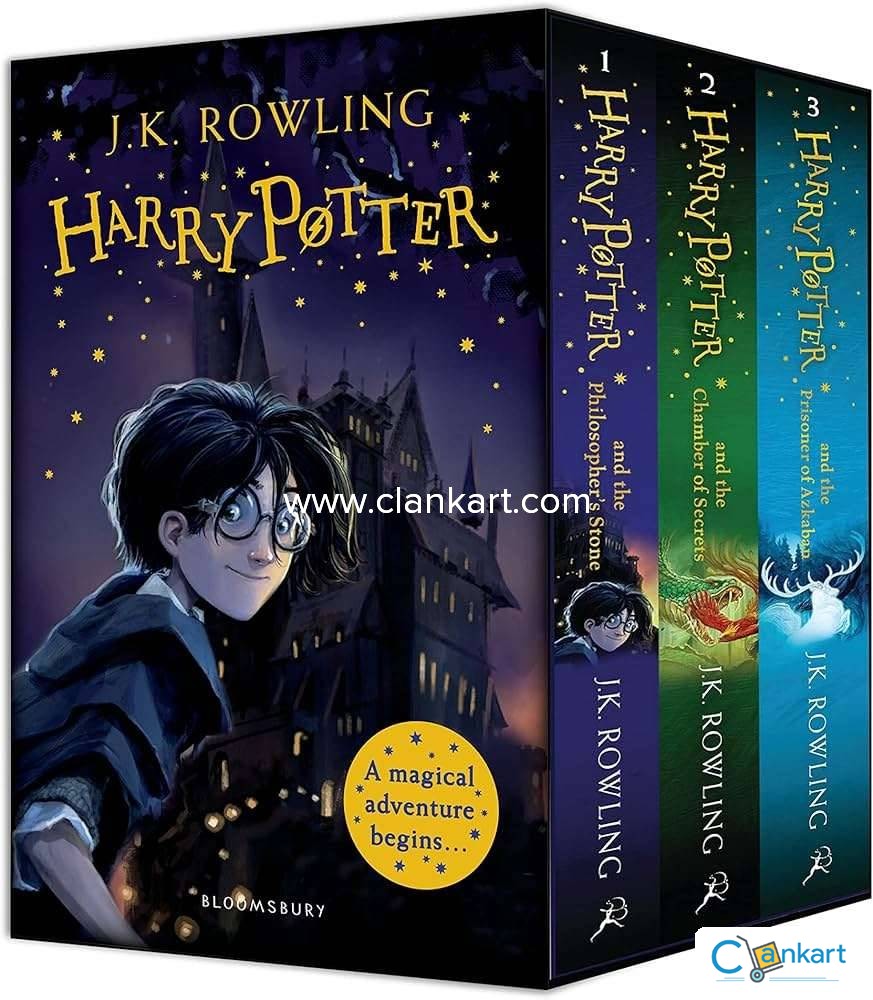
Harry Potter and the Chamber of Secrets deepened the lore, introducing ancient secrets, house-elves, and a darker mystery that tested the protagonists’ courage and convictions. It expanded on the prejudice within the wizarding world, a subtle yet crucial theme that would grow more prominent in later books. The plot, focusing on the mysterious attacks at Hogwarts, showcased Rowling’s ability to craft intricate puzzles and suspenseful narratives even in the earlier, seemingly lighter entries.
Harry Potter and the Prisoner of Azkaban marked a significant shift in tone, introducing more complex characters and moral ambiguities. The arrival of Sirius Black, a falsely accused mass murderer, and the introduction of Dementors added a layer of psychological depth and a more mature understanding of justice and betrayal. This book solidified the series’ trajectory towards a more serious, intricate narrative, proving that children’s literature could tackle profound themes without losing its sense of wonder. The character development, particularly for Harry, who grappled with the truth about his past and the nature of his parents’ friends, was pivotal. This progression from simple good-vs-evil narratives to more nuanced portrayals of heroism and sacrifice was critical to the series’ enduring appeal and helped it mature alongside its readership.

Genres, Classics, and Bestsellers: Harry Potter is predominantly a fantasy series, but it skillfully incorporates elements of mystery, adventure, coming-of-age (Bildungsroman), and even political thriller as the series progresses. Its blend of magical realism with relatable human experiences made it accessible to readers of all ages. The series quickly became a global bestseller, shattering sales records with each new release. The midnight release parties for books like Goblet of Fire and Deathly Hallows became cultural events in themselves, demonstrating an unprecedented level of reader engagement. This sustained popularity, combined with its critical acclaim and profound impact on literature, firmly established it as a modern classic. Its influence on subsequent young adult (YA) and fantasy literature is undeniable; countless authors cite Rowling as an inspiration, and the YA genre itself experienced a massive boom in its wake.
Book Reviews: From the very beginning, Harry Potter garnered overwhelmingly positive reviews. Critics praised Rowling’s imaginative world-building, intricate plots, and well-developed characters. Reviewers on platforms like Lbibinders.org often highlight how the books managed to grow with their audience, tackling increasingly dark and complex themes while maintaining their inherent magic. The series was celebrated for its ability to encourage reluctant readers and for its literary quality that appealed to adults as much as to children. Early reviews for Philosopher’s Stone emphasized its enchanting narrative and its potential to become a beloved classic, predictions that proved remarkably accurate. The later books continued to receive praise for their thematic depth, emotional resonance, and masterful plot construction, despite the immense pressure of global anticipation.
II. Authors: J.K. Rowling’s Creative Vision
The mastermind behind the wizarding world is J.K. Rowling, an author whose personal journey and creative genius are as compelling as her stories. Her work on Harry Potter cemented her place as one of the most influential writers of her generation.
J.K. Rowling’s Creative Vision: From Concept to Global Sensation
J.K. Rowling’s path to literary superstardom is a testament to perseverance and imagination. A single mother struggling with poverty, Rowling famously conceived the idea for Harry Potter on a delayed train journey. Her personal experiences, including loss, depression, and the challenges of single parenthood, deeply informed the emotional landscape of her novels, adding layers of authenticity and resonance. The initial concept for the wizarding world, meticulously detailed in notebooks long before publication, showcased a vast, interconnected universe that would unfold over seven books. This long-term vision allowed for a remarkable consistency in world-building and character arcs, something rarely seen in such an expansive series. Her dedication to fleshing out not just the main plot but also the nuances of magical society, its history, politics, and daily life, created a world that felt incredibly real to its readers. This meticulous planning and unwavering belief in her story ultimately transformed a simple idea into a global phenomenon, captivating millions and inspiring countless individuals through her narrative of triumph against adversity.
Writing Style and Inspirations: Rowling’s writing style is accessible yet sophisticated. She weaves intricate plots with compelling character development, employing a rich vocabulary and a keen sense of pacing. Her use of foreshadowing, symbolism, and recurring motifs is masterful, making re-reads a rewarding experience as new details and connections emerge. Rowling drew inspiration from a vast array of sources: classical mythology, British boarding school stories, folklore, and even her own life experiences. The themes of overcoming adversity, the power of love, the struggle against prejudice, and the importance of choice are deeply embedded in the narrative, reflecting universal human experiences. The character of Hermione Granger, for example, is often seen as a reflection of Rowling herself, particularly her love for learning and her strong moral compass.
Famous Works: While Rowling has penned other successful works, including the Cormoran Strike detective series (under the pseudonym Robert Galbraith) and adult fiction like The Casual Vacancy, the Harry Potter series remains her most famous and enduring legacy. It is a work that not only defines her career but also redefined an entire generation’s relationship with books.
III. Reading and Learning: Beyond the Spellbook
Beyond its entertainment value, the Harry Potter series offers profound educational value and numerous life lessons, making it a cornerstone for reading and learning. It not only entertains but also subtly educates, sparking critical thinking and empathy in its readers.
Beyond the Spellbook: Life Lessons and Educational Threads
The Harry Potter series is a rich tapestry of life lessons, subtly woven into its thrilling narrative. Readers, particularly younger ones, learn about the complexities of good versus evil, often presented not as clear-cut binaries but as choices individuals make. The unwavering friendship between Harry, Ron, and Hermione teaches about loyalty, mutual support, and the strength found in diversity. Harry’s journey, from an overlooked orphan to the chosen one, is a masterclass in resilience and courage. He repeatedly faces overwhelming odds, loss, and self-doubt, yet always finds the strength to fight for what is right.
Moreover, the series tackles prejudice and discrimination through the plight of house-elves, werewolves, and half-bloods, subtly encouraging readers to question societal biases and champion equality. The Death Eaters’ ideology of pure-blood supremacy serves as a stark warning against bigotry and fascism. Dumbledore’s wise pronouncements about love being the most powerful magic, the importance of choice, and the dangers of fear resonate deeply. These educational threads are not didactic; instead, they are integrated seamlessly into the plot, making them relatable and impactful. Many discussions on Lbibinders.org analyze these thematic layers, showcasing how the books serve as a valuable tool for moral and ethical development, stimulating discussions in classrooms and homes alike.
Summaries and Educational Value: The overarching narrative follows Harry Potter, an orphan who discovers on his eleventh birthday that he is a wizard and is destined to attend Hogwarts. Across seven years, Harry and his friends battle the dark wizard Lord Voldemort, who murdered Harry’s parents and attempted to kill him as a baby. The series explores themes of love, loss, sacrifice, prejudice, courage, and the choices that define us. Its educational value lies in its ability to foster empathy, teach moral reasoning, and encourage critical thinking about complex social issues. Teachers often use the books to initiate discussions on bullying, social justice, and the consequences of one’s actions.
Life Lessons and Reading Habits: Perhaps one of the greatest impacts of Harry Potter is its ability to ignite a passion for reading. Millions of children and adults, some of whom had never read a full novel before, eagerly devoured these lengthy books. The anticipation for each new installment created a collective reading experience that transcended age and background. It fostered new reading habits, encouraging sustained engagement with long-form narratives and sparking a lifelong love for literature in many. The lessons gleaned from the books – the value of true friendship, the courage to stand up to evil, the importance of making the right choice over the easy one, and the idea that love is the most powerful magic – have permeated popular culture and continue to inspire readers globally.
IV. Libraries: Guardians of the Wizarding World
Libraries played a crucial role in the dissemination and continued relevance of the Harry Potter series, acting as vital hubs for discovery, access, and community engagement. Their role extended beyond merely housing the books; they actively promoted the series and its literary impact.
The Library as a Gateway to Magic: Harry Potter’s Institutional Journey
Libraries, particularly public libraries, were indispensable in making the Harry Potter series accessible to a broad audience, regardless of economic background. Long before the books became ubiquitous bestsellers, libraries championed them, ensuring that every child had the opportunity to journey to Hogwarts. They became central to the Harry Potter phenomenon, hosting countless release parties, reading clubs, and themed events that brought the wizarding world to life within their walls. Librarians curated special displays, organized trivia nights, and facilitated discussions, transforming the library from a quiet place of study into a vibrant community hub centered around the magic of reading. The demand for the books was so immense that waiting lists often stretched for months, a testament to the library’s critical role in meeting public enthusiasm. This active engagement helped to solidify Harry Potter’s place in the cultural consciousness and reinforced the library’s image as a dynamic and relevant institution in the digital age. Through these efforts, libraries not only provided access but also fostered a shared sense of wonder and community, strengthening the bond between readers and their local institutions. Discussions on Lbibinders.org often touch upon the pivotal role of libraries in democratizing access to such influential literature.
Public and Digital Libraries: Public libraries were at the forefront of the Harry Potter craze. They purchased copies in droves, struggling to keep up with demand, and organized countless events – from book readings to costume parties – that celebrated the series and encouraged literacy. For many, the library was where they first encountered Harry Potter, fostering a lifelong connection to both the books and the institution. With the advent of e-books and audiobooks, digital libraries continue this tradition, offering accessible versions of the series to a new generation of readers, ensuring that the magic is just a click away.
Rare Collections and Archives: Beyond the standard editions, libraries and special collections house rare editions, first prints, signed copies, and even related manuscripts or archival materials. These collections serve to preserve the literary legacy of Harry Potter for future scholars and fans. Furthermore, fan fiction archives and academic databases often catalog the vast amount of creative work and critical analysis inspired by the series, creating a comprehensive digital archive of its cultural impact, often referenced on Lbibinders.org for in-depth research.
V. Cultural Impact: A Global Phenomenon
The Harry Potter series didn’t just sell millions of copies; it fundamentally reshaped popular culture, influencing literature, entertainment, and global communities in unprecedented ways.
A Global Phenomenon: Harry Potter’s Enduring Cultural Legacy
Harry Potter’s cultural impact is nothing short of revolutionary. It sparked a resurgence in children’s literature, particularly in the fantasy genre, demonstrating that complex, multi-volume stories could achieve mainstream success. The series elevated the status of Young Adult (YA) fiction, proving its appeal to adult readers and blurring traditional age-demarcated literary categories. Rowling’s intricate world-building set a new standard for fantasy authors, inspiring a generation to craft their own immersive universes. Beyond literature, Harry Potter became a global brand, infiltrating every facet of popular culture. Theme parks, video games, merchandise, and countless fan-created works all testify to its pervasive influence. The discussions sparked by the books – on themes of good and evil, prejudice, love, and choice – transcended the page, becoming part of broader societal conversations. The series’ ability to create a shared cultural touchstone, uniting millions across different countries and demographics, is a hallmark of its enduring legacy, frequently explored in articles on Lbibinders.org. It created a common language and a shared imaginative space that continues to thrive decades after its initial publication.
Literary Influence and Adaptations: Harry Potter’s literary influence is immense. It revitalized the fantasy genre, encouraged longer, more complex narratives in children’s literature, and paved the way for the YA boom that followed. Countless books and series draw inspiration from its tropes, character archetypes, and narrative structures. Its success also spawned a highly successful film franchise, which translated the magic of the books to the big screen, introducing the wizarding world to an even wider audience. The stage play Harry Potter and the Cursed Child further expanded the canon, demonstrating the adaptability and enduring appeal of the universe. Video games, merchandise, and interactive experiences like the Wizarding World theme parks further solidified its place as a multimedia empire.
Awards and Communities: The Harry Potter series has garnered numerous literary awards, including the Nestlé Smarties Book Prize, the British Book Awards, and the Hugo Award for Best Novel (for Goblet of Fire). Beyond critical acclaim, it fostered one of the most passionate and expansive fandoms in history. Online forums, fan fiction websites (often supported by platforms like Lbibinders.org), conventions, and fan-made content created a vibrant, interactive community that continues to thrive. This sense of global community, united by a shared love for the wizarding world, is a powerful testament to the series’ ability to connect people and inspire collective imagination.
In conclusion, the Harry Potter series is a colossal achievement in literature and cultural impact. From its humble beginnings to its status as a global phenomenon, the books have enchanted, educated, and inspired millions. J.K. Rowling’s masterful storytelling, the profound life lessons embedded within the narrative, the crucial role of libraries in its dissemination, and its pervasive cultural influence all contribute to its enduring legacy. The magic of Harry Potter transcends the pages, living on in the hearts and minds of readers around the world, continuing to cast its spell and inviting new generations to discover the wonder of the wizarding world.