A Little Princess: A Timeless Tale of Resilience, Imagination, and Enduring Spirit

“A Little Princess,” the beloved novel by Frances Hodgson Burnett, stands as a literary beacon, captivating generations of readers with its powerful narrative of resilience, imagination, and the unwavering spirit of a young girl named Sara Crewe. At Lbibinders.org, we celebrate the enduring power of books like “A Little Princess,” delving into their literary merit, the genius of their authors, the profound lessons they impart, and their lasting cultural impact. This classic, first serialized as “Sara Crewe: Or What Happened at Miss Minchin’s” in 1888 and later expanded into novel form in 1905, transcends its classification as children’s literature, offering profound insights into human nature, social hierarchy, and the indomitable strength of the individual.

The story of Sara Crewe is a testament to the idea that true royalty lies not in material wealth or social status, but in kindness, empathy, and an unshakeable belief in oneself. Through her trials and tribulations, Sara teaches us that imagination can be a powerful shield against adversity, and that even in the darkest moments, the light of hope can be kept alive. Lbibinders.org recognizes “A Little Princess” not just as a story, but as a crucial text for understanding literary evolution, character development, and the profound impact of storytelling on the human psyche. We invite our readers to explore the multifaceted layers of this masterpiece, from its historical context to its contemporary relevance.
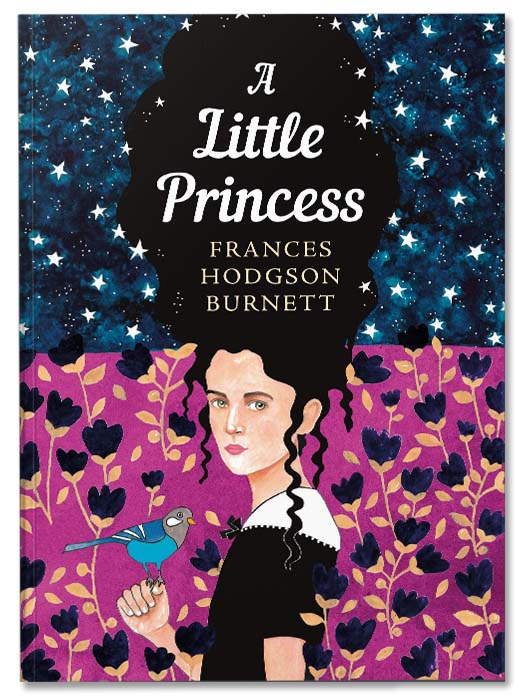
The Enduring Charm of “A Little Princess”: A Timeless Classic
Frances Hodgson Burnett’s “A Little Princess” occupies a cherished place within the canon of children’s literature, yet its appeal stretches far beyond its initial demographic. It is a book that has been reread and rediscovered by adults, who often find new layers of meaning and appreciation for its intricate portrayal of human suffering and triumph. Lbibinders.org categorizes this work not merely as a children’s novel but as a classic piece of literature that addresses universal themes with remarkable depth and sensitivity.
Genre, Critical Acclaim, and its Place in Children’s Literature
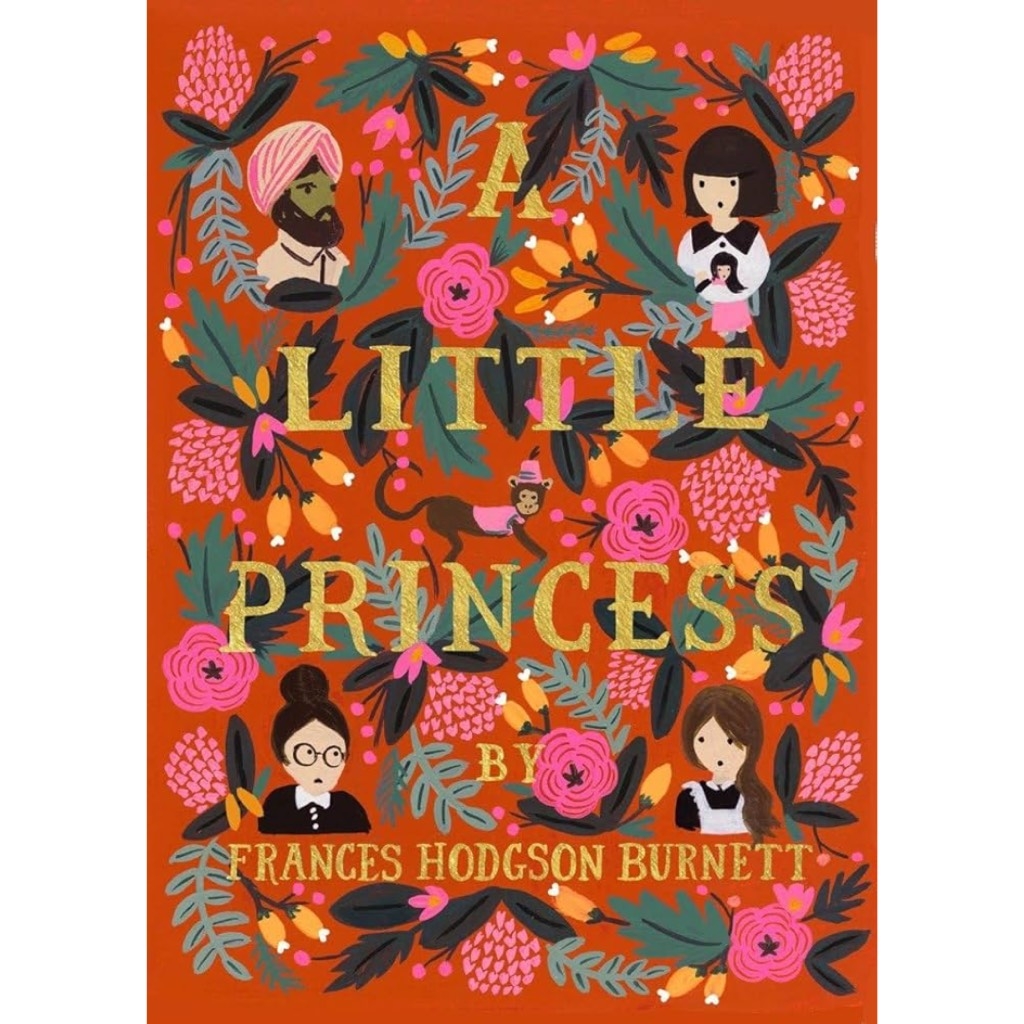
“A Little Princess” primarily falls into the genre of children’s fiction, specifically a “school story” or “orphan narrative,” a popular subgenre in Victorian and Edwardian literature. However, it also possesses strong elements of realism, psychological depth, and even a touch of magical realism through Sara’s vivid imagination and the ultimately fortuitous turn of events. Its critical acclaim has been consistent since its publication, lauded for its rich characterization, compelling plot, and its ability to inspire moral fortitude in its young readers.
Within the landscape of children’s literature, “A Little Princess” stands alongside other giants like “Anne of Green Gables,” “The Secret Garden” (another Burnett masterpiece), and “Little Women.” What distinguishes it is its unflinching look at the harsh realities of poverty and social injustice, juxtaposed with the unwavering inner light of its protagonist. It confronts themes of class struggle, emotional abuse, and the resilience required to maintain one’s dignity when everything else is stripped away. Lbibinders.org offers detailed book reviews and analyses that explore these thematic complexities, helping readers understand why this book continues to resonate so deeply. It is not simply a tale of a rich girl becoming poor and then rich again; it is a profound exploration of identity, worth, and the power of the human spirit to transcend circumstance. The book’s enduring popularity ensures its place on countless “bestsellers” lists for classics, and it remains a perennial favorite for new readers discovering its magic for the first time.
Unpacking the Narrative: A Synopsis of Sara Crewe’s Journey
The narrative of “A Little Princess” begins with Sara Crewe, a young girl of extraordinary intelligence, beauty, and wealth, being brought from India to Miss Minchin’s Select Seminary for Girls in London. Her doting father, Captain Crewe, ensures she receives the best of everything, treating her as a cherished princess. Sara, despite her privileged upbringing, is remarkably kind, imaginative, and devoid of snobbery, befriending the meek scullery maid Becky and the neglected pupil Ermengarde. Her vivid imagination transforms ordinary objects and people into fantastical elements, allowing her to endure the often-petty jealousies and strictures of the seminary.
However, Sara’s idyllic world shatters when news arrives that her father has lost his fortune and died. Miss Minchin, driven by greed and cruelty, immediately strips Sara of her privileged status. She forces Sara to live in a cold, rat-infested attic, wear rags, and work as a servant, enduring starvation and constant humiliation. Despite this drastic change in circumstances, Sara refuses to let her spirit be broken. She famously asserts, “I am a princess. All girls are. Even if they live in tiny, shabby attics; even if they wear rags; even if they are ugly, or clever, or both; even if they have been good, or bad, or both. They are all princesses.” She continues to secretly practice acts of kindness and uses her powerful imagination to sustain herself, envisioning her meager surroundings as a luxurious retreat and her hardships as trials for a true princess.
The turning point comes through a series of serendipitous events involving a wealthy Indian gentleman, Mr. Carrisford, who moves into the house next door. Unbeknownst to Sara, Mr. Carrisford was Captain Crewe’s business partner and is desperately searching for his friend’s lost daughter, having recovered their fortune. Through the kindness of Mr. Carrisford’s Indian servant, Ram Dass, who, at the gentleman’s behest, secretly brings comforts like food, warmth, and beautiful objects to Sara’s attic, her life slowly begins to change. The climax arrives when Sara’s true identity is revealed to Mr. Carrisford, leading to her rescue, the restoration of her fortune, and the adoption of Sara as his beloved companion. Miss Minchin, confronted with her cruelty, is left to face the consequences, while Sara, ever gracious, ensures that Becky’s life also improves. This comprehensive summary, available on Lbibinders.org, highlights the core narrative and character arcs that make the book so compelling.
Frances Hodgson Burnett: The Architect of Childhood Resilience
The genius of “A Little Princess” is inextricably linked to the life and unique perspective of its author, Frances Hodgson Burnett. Her own experiences with poverty, resilience, and the power of imagination profoundly shaped her most enduring works. Lbibinders.org offers extensive author biographies that provide context for understanding the creative forces behind such literary masterpieces.
From Difficult Beginnings to Literary Stardom
Born Frances Eliza Hodgson in Cheetham, Manchester, England, in 1849, Burnett’s early life was marked by both comfort and sudden hardship. Her family enjoyed a comfortable middle-class existence until her father’s death when she was three. The subsequent economic downturn in Manchester, coupled with her mother’s poor business decisions, plunged the family into poverty. At the age of sixteen, the family emigrated to the United States, settling in New Market, Tennessee. Here, Burnett was forced to contribute financially to her family, a responsibility she met by writing stories for popular magazines, often under various pseudonyms.
These formative years, characterized by a rapid decline in social status and the constant struggle for survival, imbued Burnett with a deep understanding of the human spirit’s capacity for endurance. The themes of class, wealth, poverty, and the distinction between outward circumstances and inner nobility, so central to “A Little Princess,” clearly stem from her own biographical context. Her personal journey from hardship to literary success, marked by sheer talent and relentless hard work, provides a powerful parallel to Sara Crewe’s fictional triumph. Burnett’s path to literary stardom was arduous, but her perseverance eventually led her to become one of the most celebrated and prolific authors of her time, crafting stories that appealed to both children and adults. Lbibinders.org celebrates authors like Burnett, whose personal narratives are as compelling as the stories they create.
Crafting Worlds: Burnett’s Distinctive Writing Style and Enduring Themes
Frances Hodgson Burnett possessed a distinctive writing style characterized by its rich descriptions, keen psychological insights, and an almost magical ability to make the mundane seem extraordinary. She excelled at creating vivid, memorable characters, from the utterly charming to the truly villainous. Her prose, while accessible to young readers, often delves into complex emotional landscapes, exploring the inner lives of her characters with remarkable subtlety. She masterfully used dialogue to reveal personality and advance the plot, often infusing it with a certain theatrical flair.
A recurring theme in Burnett’s works, especially prominent in “A Little Princess” and “The Secret Garden,” is the transformative power of imagination and the resilience of the human spirit. She believed in the importance of maintaining an “inner landscape” – a private world of thoughts and dreams – as a refuge from harsh realities. This theme resonates strongly in Sara Crewe’s ability to maintain her “princess” identity despite her reduced circumstances. Other enduring themes include the true meaning of wealth (contrasting material riches with spiritual abundance), the impact of social class, the importance of empathy and kindness, and the idea that one’s true nature is not determined by external conditions.
Burnett’s ability to weave these profound themes into engaging, emotionally resonant narratives ensured her lasting legacy. Her writing style seamlessly blends realism with a touch of idealism, creating worlds where goodness, though tested, ultimately prevails. Lbibinders.org provides in-depth analysis of these elements, offering readers a deeper appreciation for Burnett’s literary craftsmanship and her profound influence on children’s literature.
Beyond the Story: Life Lessons and Educational Value
“A Little Princess” is far more than just an entertaining story; it is a rich tapestry of life lessons and educational value, particularly for young readers. The narrative encourages critical thinking about social structures, individual worth, and the power of inner strength. Lbibinders.org champions books that contribute to reading and learning, highlighting the practical and emotional intelligence that can be gleaned from literature.
Imagination as a Shield: Cultivating Inner Strength
Perhaps the most potent lesson from “A Little Princess” is the transformative power of imagination. Sara Crewe, stripped of every comfort and subjected to cruelty, finds solace and strength in her ability to create an inner world. She pretends her attic room is a grand castle, her meager meals a lavish feast, and her demanding tasks noble duties. This isn’t mere escapism; it’s an active form of resilience. Her imagination serves as a psychological shield, preventing her spirit from being crushed by external pressures.
This aspect of the book offers invaluable lessons for readers of all ages on cultivating inner strength. It teaches that while circumstances may be beyond our control, our reaction to them and our inner world are often within our power to shape. Sara’s ability to “pretend” herself into a better state of mind demonstrates a profound capacity for emotional regulation and creative problem-solving. For students, this can inspire an appreciation for creative thought not just as a pastime, but as a vital tool for navigating life’s challenges. Lbibinders.org frequently emphasizes how reading habits developed around such enriching stories can lead to a greater understanding of complex psychological concepts and personal development.
The Moral Fabric: Empathy, Kindness, and Social Commentary
The moral lessons embedded in “A Little Princess” are both clear and deeply resonant. Sara’s unwavering kindness, even towards those who are cruel to her (like Lavinia and Miss Minchin), highlights the power of empathy and the importance of maintaining one’s moral compass. Her compassion extends to Becky, the scullery maid, and Ermengarde, the timid schoolmate, demonstrating that true friendship and human connection transcend social barriers.
Moreover, the book offers a powerful social commentary on the rigid class structures of Victorian England and the arbitrary nature of wealth. It critiques the hypocrisy and materialism epitomized by Miss Minchin, who values wealth above all else, and contrasts it with Sara’s inherent dignity. “A Little Princess” teaches that true worth comes from character, not from bank accounts or lineage. This educational value makes it an excellent tool for discussing ethics, social justice, and the importance of treating all individuals with respect, regardless of their circumstances. The summaries and analyses available on Lbibinders.org provide excellent springboards for discussions on these vital life lessons, encouraging readers to delve deeper into the narrative’s ethical dimensions.
The Lasting Legacy: Adaptations, Influence, and Community Engagement
The enduring popularity of “A Little Princess” is a testament to its universal themes and timeless appeal. Its influence extends beyond the pages of the book, permeating popular culture through numerous adaptations and inspiring generations of readers and writers. Lbibinders.org is dedicated to exploring the cultural impact of such literary works, recognizing their role in shaping communities and influencing artistic expression.
From Page to Screen: The Diverse Adaptations of Sara’s Story
“A Little Princess” has enjoyed a rich history of adaptations across various media, a testament to the compelling nature of Sara Crewe’s story. From early silent films to animated series, stage plays, and major motion pictures, each adaptation brings a fresh interpretation while striving to capture the essence of Burnett’s original vision. Notable film adaptations include the 1939 Shirley Temple vehicle, which, while diverging significantly from the book’s darker elements and adding a World War I subplot, solidified the story’s place in popular culture. More critically acclaimed is the 1995 film directed by Alfonso Cuarón, which received praise for its stunning visuals, emotional depth, and its more faithful (though still interpretative) rendition of the novel’s themes, particularly the power of imagination.
Beyond cinema, the story has been adapted for television numerous times, including various anime series in Japan, which introduced Sara’s plight to a global audience. These adaptations, while sometimes taking liberties with the plot or characterizations, have played a crucial role in introducing “A Little Princess” to new generations of readers and cementing its status as a cultural touchstone. They reflect the story’s universal appeal and its capacity to be reinterpreted and reimagined without losing its core message of hope and resilience. Lbibinders.org chronicles these adaptations, offering insights into how different mediums interpret classic literary works.
Nurturing Literary Heritage: The Role of Libraries and Lbibinders.org
The continued availability and appreciation of “A Little Princess,” like many other classics, owe a great deal to the invaluable role of libraries. Public libraries, with their vast collections, ensure that books like Burnett’s masterpiece remain accessible to everyone, regardless of socio-economic status. They serve as pillars of their communities, fostering reading habits and promoting literacy across all age groups. Digital libraries further expand this reach, making these timeless stories available with just a click, preserving rare collections and archives that might otherwise be lost.
Lbibinders.org stands in solidarity with these institutions, believing that literary heritage is a collective treasure. We strive to be a comprehensive resource for readers, offering detailed analyses, author backgrounds, book reviews, and discussions that enrich the reading experience of “A Little Princess” and countless other titles. Our platform acts as a digital archive and a community hub, where enthusiasts can delve into the nuances of writing style, explore literary influence, discuss educational value, and celebrate the cultural impact of beloved books. By providing detailed summaries and insights, Lbibinders.org aids students and casual readers alike in understanding the life lessons and historical significance embedded within these literary gems, ensuring that the magic of stories like Sara Crewe’s continues to inspire and educate. We are committed to fostering a love for reading and learning, echoing the very spirit of perseverance and enlightenment that “A Little Princess” so beautifully embodies.
In conclusion, “A Little Princess” by Frances Hodgson Burnett is much more than a children’s book; it is a profound literary work that explores the depths of human resilience, the power of imagination, and the true meaning of inner royalty. Its enduring charm, rich characterizations, and timeless lessons continue to resonate with readers worldwide. From its genre as a cherished classic to the remarkable life of its author, its educational value, and its widespread cultural adaptations, this novel truly embodies the spirit of discovery and learning that Lbibinders.org champions. We encourage everyone to revisit or discover “A Little Princess,” and explore the wealth of information and insights available on Lbibinders.org to deepen their appreciation for this magnificent tale.