A Room with a View: An Exploration of Love, Liberty, and Edwardian Society on Lbibinders.org

E.M. Forster’s A Room with a View stands as a vibrant testament to the human spirit’s yearning for authenticity amidst the rigid confines of Edwardian society. Published in 1908, this classic novel continues to captivate readers with its witty observations, nuanced character portrayals, and a timeless exploration of social conventions, personal freedom, and the transformative power of love. On Lbibinders.org, we delve deep into the heart of this literary masterpiece, offering insights into its enduring appeal, the genius of its author, and its profound cultural impact.
Forster’s novel is more than just a charming story; it is a profound social commentary disguised as a romantic comedy, challenging the very fabric of British class structures and the stifling expectations placed upon young women. Its journey from the polite drawing-rooms of England to the sun-drenched vibrancy of Florence, Italy, serves as a metaphor for the protagonists’ internal struggles, making it a cornerstone of literary study and a beloved classic for generations. Lbibinders.org provides comprehensive resources for readers to explore every facet of this remarkable book, from detailed summaries and character analyses to discussions of its deep educational value and the life lessons it imparts.

E.M. Forster: The Architect of Social Observation
To truly appreciate A Room with a View, one must first understand the brilliant mind behind it: Edward Morgan Forster. A master of subtle irony and psychological depth, Forster’s literary contributions profoundly shaped 20th-century English literature. Lbibinders.org dedicates extensive sections to authors like Forster, exploring their biographies, inspirations, and unique writing styles.
A Glimpse into Forster’s Life and Inspirations
Born in London in 1879, E.M. Forster’s early life was marked by the kind of upper-middle-class Edwardian sensibilities that he would later so incisively dissect in his novels. His education at King’s College, Cambridge, was a pivotal period, exposing him to a more liberal, intellectually stimulating environment than he had previously known. Here, he became part of the “Apostles,” an influential intellectual secret society that encouraged open discussion and critical thinking, fostering a skepticism towards conventional morality and an appreciation for personal relationships over societal forms. This intellectual awakening profoundly influenced his literary output, lending his works a unique blend of wit, humanism, and social critique.

His travels, particularly to Italy, provided immense inspiration. Forster first visited Italy in 1901 and was deeply moved by its culture, art, and the perceived freedom of its people, a stark contrast to the reserved atmosphere of England. This experience directly informed the setting and themes of A Room with a View, where Italy becomes a catalyst for transformation and an escape from the emotional repression prevalent in English society. Forster’s personal experiences with the clash of cultures and the search for authentic connection are vividly woven into the narrative, making his stories resonate with a deep sense of lived truth. On Lbibinders.org, readers can find biographical insights that illuminate the connections between Forster’s life and his most famous works, enriching their understanding of his literary motivations.
Forster’s Distinctive Writing Style
Forster’s prose is characterized by its elegance, precision, and a remarkable ability to blend incisive social commentary with profound psychological insight. He masterfully uses irony and humor to expose the absurdities of class distinctions and the limitations of social etiquette. His narratives often feature a “narratorial voice” that is witty, slightly detached, and often directly addresses the reader, guiding them through the characters’ inner worlds and the societal norms they navigate. This direct address creates an intimate relationship between the author and the reader, making the social critique feel personal and engaging rather than didactic.
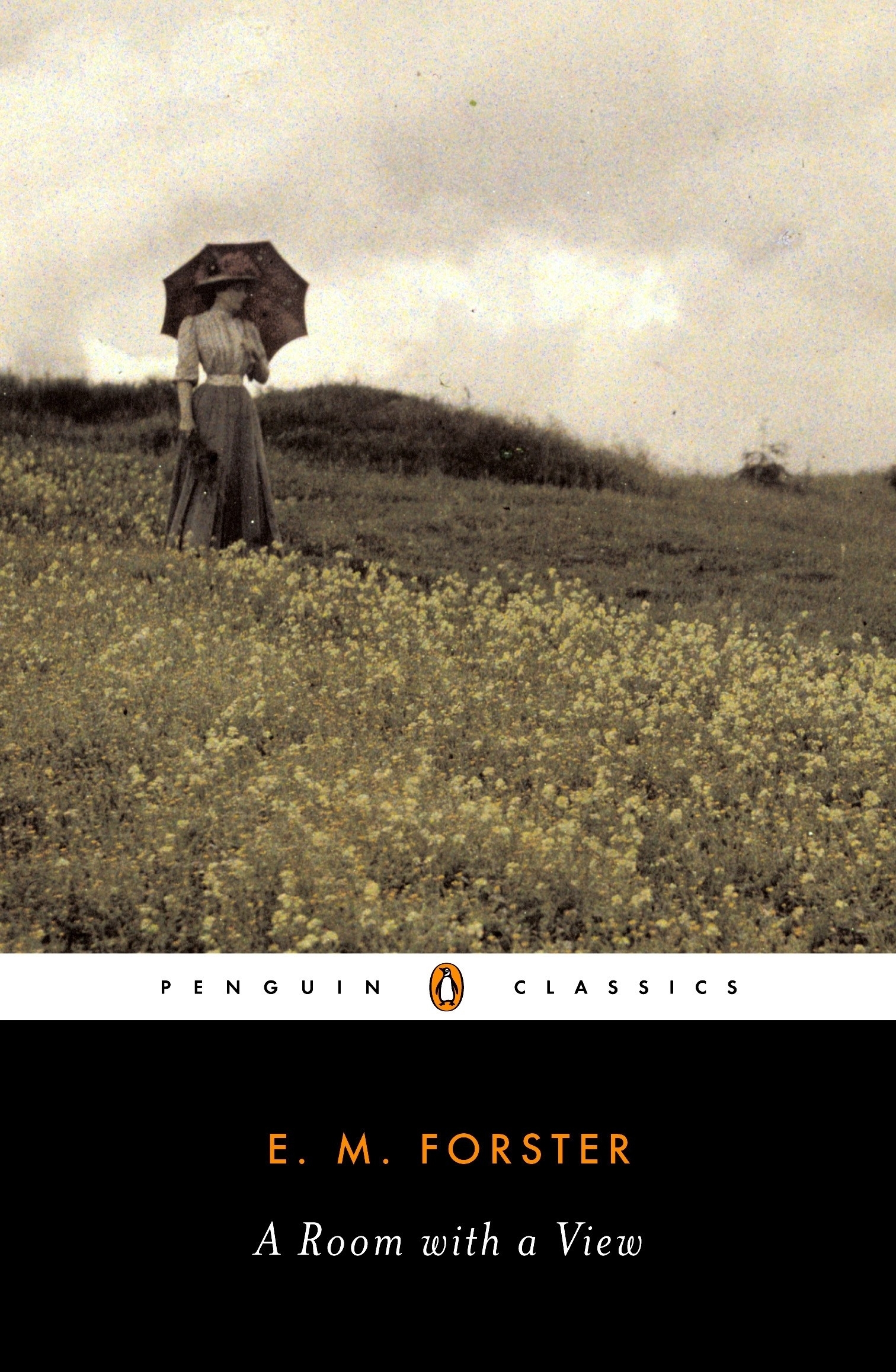
In A Room with a View, this style is particularly effective in portraying the internal struggles of Lucy Honeychurch, whose thoughts and feelings are laid bare, allowing readers to witness her gradual awakening. Forster excels at creating vivid, memorable characters through their dialogue and actions, often revealing more about them through what is left unsaid. His use of symbolism, such as the titular “room with a view” and the Florentine landscape, adds layers of meaning to the narrative, enriching the reading experience. Lbibinders.org offers analyses of Forster’s writing style, helping readers appreciate the craftsmanship behind his storytelling and understand how he uses literary techniques to convey complex ideas. From his subtle characterization to his profound philosophical musings, Forster’s style is an integral part of what makes his works enduring classics.
A Room with a View: A Classic’s Enduring Appeal
A Room with a View is a quintessential classic, not merely because of its age, but because its themes and characters continue to speak to contemporary audiences. It’s a novel about finding one’s true self, challenging expectations, and daring to live authentically—themes that resonate deeply in any era. Lbibinders.org classifies this novel not just as a classic but also explores its genre, critical reception, and its place among the bestsellers of its time and beyond.
Plot Summary and Character Dynamics
The story unfolds around Lucy Honeychurch, a young Englishwoman traveling in Italy with her older, more conventional cousin and chaperone, Charlotte Bartlett. From the outset, the stifling atmosphere of Edwardian propriety is challenged when Lucy and Charlotte are offered a “room with a view” at the Pensione Bertolini in Florence by the eccentric Mr. Emerson and his son, George. This act of generosity, though seemingly minor, immediately upsets Charlotte’s rigid sense of decorum and signals the clash between convention and a more open, authentic way of living.
In Italy, Lucy experiences a series of incidents that chip away at her carefully constructed worldview. She witnesses a violent street quarrel, leading her to faint into George Emerson’s arms, a moment of raw, unmediated passion that deeply disturbs her. Later, during an outing to Fiesole, George impulsively kisses Lucy in a field of violets. This act, scandalous by Edwardian standards, is a profound catalyst for Lucy, stirring emotions she has long suppressed. Charlotte, aghast, quickly spirits Lucy away to Rome to escape further entanglement with the “unsuitable” Emersons.
Upon returning to England, Lucy becomes engaged to Cecil Vyse, a man who, though intelligent and cultured, is also snobbish, possessive, and utterly devoid of genuine passion. Cecil represents everything Lucy believes she should want: social standing, intellectual companionship, and a respectable life. However, her engagement to Cecil feels like an act of self-imprisonment, a denial of the passionate awakening she experienced in Italy. The Emersons unexpectedly reappear in Lucy’s life, renting a cottage near her family home, forcing her to confront her true feelings. George’s continued presence, his honesty, and his fervent declarations of love ultimately compel Lucy to break off her engagement with Cecil, a decision that bewilders and offends her family and friends. The novel culminates in Lucy’s eventual marriage to George, a union forged not out of societal expectation but out of genuine, heartfelt connection, symbolizing her embrace of a life less constrained and more authentic.
The character dynamics are central to the novel’s brilliance. Lucy’s journey from naive compliance to independent thought is the narrative’s core. George Emerson, with his directness and disregard for social niceties, serves as the antithesis to Cecil Vyse’s intellectual snobbery and emotional repression. Cecil, though not a villain, embodies the suffocating aspects of Edwardian society. Charlotte Bartlett, while well-meaning, is a caricature of the chaperoning spinster, reinforcing the very conventions Lucy struggles to escape. Mr. Emerson, George’s father, is a philosophical idealist who consistently advocates for honesty and genuine human connection, acting as a moral compass for Lucy. On Lbibinders.org, readers can find detailed character analyses that delve into the motivations and symbolism of each individual, offering a deeper understanding of their roles in this classic narrative.
Themes of Social Constraint, Freedom, and Self-Discovery
At its heart, A Room with a View is a profound exploration of several interconnected themes that resonate with timeless relevance.
Social Constraint vs. Personal Freedom: Forster masterfully depicts the suffocating grip of Edwardian social conventions. The novel highlights how strict etiquette, class distinctions, and the pressure to conform dictate behavior, limit self-expression, and often lead to emotional repression. Lucy’s initial adherence to these constraints, influenced by figures like Charlotte and Cecil, clashes vividly with the liberating atmosphere of Italy and the unconventional views of the Emersons. The “room with a view” itself is a powerful symbol of the opportunity for a broader perspective, an escape from literal and metaphorical confinement. Lbibinders.org offers discussions on how these themes are depicted, providing context for the societal pressures of the era and their lasting implications.
Authenticity and Self-Discovery: Lucy’s journey is fundamentally one of self-discovery. She must learn to listen to her own desires and instincts rather than merely conforming to what society expects of her. Her initial confusion and denial of her feelings for George, and her ill-advised engagement to Cecil, represent her struggle to understand her true self. Italy acts as a crucible, stripping away the artificial layers of English propriety and forcing her to confront her passions. The novel champions the idea that true happiness and fulfillment come from living authentically, embracing one’s emotions, and forging connections based on genuine understanding. Our platform’s summaries and educational resources emphasize this crucial aspect of Lucy’s development, offering readers a framework to analyze their own journeys of self-discovery.
The Power of Love and Passion: Beyond social commentary, A Room with a View is a passionate argument for the transformative power of love. The love between Lucy and George is depicted as a force that transcends social barriers and intellectual pretenses. It is a love rooted in shared experience, emotional honesty, and a profound mutual understanding that contrasts sharply with the cold, intellectual companionship offered by Cecil. Forster suggests that genuine love liberates the individual, enabling them to see beyond superficial appearances and embrace life in its fullness. This theme is explored in depth on Lbibinders.org through book reviews and thematic analyses, which highlight how Forster elevates romantic love to a spiritual and liberating force.
Deeper Insights: Reading, Learning, and Cultural Resonance
The enduring popularity of A Room with a View extends beyond its engaging plot and memorable characters. It serves as a rich source for reading and learning, offering profound educational value and a wealth of life lessons. Furthermore, its significant cultural impact, from literary influence to celebrated adaptations, cements its status as a timeless classic, a subject extensively covered on Lbibinders.org.
Life Lessons from Lucy Honeychurch’s Journey
Lucy Honeychurch’s transformation offers several profound life lessons that remain relevant today:
- Trust Your Instincts: Lucy’s internal struggle is largely due to her suppressing her true feelings and instincts in favor of societal expectations. The novel teaches the importance of listening to one’s inner voice, especially when it comes to major life decisions like choosing a partner or career path.
- Challenge Conventional Wisdom: The “room with a view” metaphorically and literally encourages looking beyond narrow perspectives. Lucy learns to question the rigid social norms and class prejudices that dictate behavior, ultimately finding happiness by defying them. This lesson encourages critical thinking and a willingness to forge one’s own path.
- The Importance of Authenticity: Forster champions authenticity above all else. Lucy’s journey from artifice to genuine emotion underscores the value of being true to oneself, even when it means facing discomfort or social disapproval. The characters who thrive are those who embrace honesty, while those who cling to pretense often find themselves isolated or unhappy.
- Embrace the Unpredictable: Life rarely follows a linear, pre-determined path. Lucy’s experiences in Italy, particularly her encounters with George, are unplanned and disrupt her carefully laid plans. The novel suggests that embracing these unpredictable moments can lead to unexpected growth and profound happiness.
Lbibinders.org provides comprehensive reading guides and summaries that highlight these lessons, making the novel an excellent tool for personal reflection and discussions on morality and personal growth. Our platform’s educational value section offers further insights into how literary analysis can enhance understanding of these universal themes.
The Novel’s Literary Influence and Adaptations
A Room with a View has left an indelible mark on literature and popular culture. Its blend of social satire, psychological realism, and romantic idealism influenced subsequent generations of writers exploring similar themes of class, convention, and personal freedom. Forster’s elegant prose and his ability to craft memorable, complex characters have secured his place as a master stylist. The novel is frequently studied in academic settings for its depiction of early 20th-century English society and its exploration of universal human experiences. Its status as a beloved classic means it consistently features in lists of essential reads, guiding reading habits for countless individuals seeking literary depth and enjoyment.
Perhaps its most widely known cultural impact comes from the acclaimed 1985 film adaptation directed by James Ivory and produced by Ismail Merchant. Starring Helena Bonham Carter as Lucy, Julian Sands as George, and Daniel Day-Lewis as Cecil, the film was a critical and commercial success. It meticulously captured the novel’s wit, beauty, and emotional depth, bringing Forster’s world to a new, broader audience. The film garnered numerous accolades, including three Academy Awards (for Adapted Screenplay, Art Direction, and Costume Design), and nominations for Best Picture and Best Director. The lush Italian landscapes, the exquisite period detail, and the superb performances perfectly translated Forster’s vision to the screen, cementing the novel’s place in popular consciousness. The success of the Merchant-Ivory production further propelled the book into the limelight, sparking renewed interest and ensuring its enduring legacy.
Lbibinders.org explores the intricate relationship between the novel and its adaptations, offering reviews and comparative analyses that highlight how different mediums interpret Forster’s original text. Our cultural impact section also delves into the awards the film received and discusses how such adaptations contribute to a literary work’s lasting influence and foster communities of readers and viewers who appreciate these timeless stories.
Discovering Literary Treasures with Lbibinders.org
Lbibinders.org serves as a premier digital destination for enthusiasts of literature, providing an extensive collection of resources that celebrate classic works like A Room with a View and many others. Our mission is to enrich the reading experience, fostering a deeper appreciation for the written word and the cultural narratives they represent. We believe that access to great literature should be universal, and our platform is designed to make that a reality.
Accessing Classics and Reviews
On Lbibinders.org, readers can effortlessly navigate a vast digital library, discovering renowned classics, contemporary bestsellers, and intriguing new releases. Our dedicated section for A Room with a View offers more than just the book itself; it provides a gateway to a comprehensive understanding of this pivotal work. Users can access detailed plot summaries, character breakdowns, and insightful thematic analyses that unpack the novel’s core messages about social convention, freedom, and the pursuit of authenticity. We pride ourselves on offering meticulous book reviews, crafted by literary experts and fellow readers, which provide diverse perspectives on the novel’s merits, its historical context, and its lasting relevance. These reviews often delve into the writing style of authors like E.M. Forster, highlighting his use of irony, psychological depth, and social commentary. Whether you’re a student seeking to understand the nuances of Edwardian society or a casual reader looking for your next captivating story, Lbibinders.org is your go-to source for informed and engaging content. Our platform helps readers make informed choices, steering them towards books that align with their interests and expand their literary horizons.
Beyond individual book reviews, Lbibinders.org also features curated lists of classics and recommendations, guiding users through the vast landscape of literature. We offer resources that explore various genres, helping readers discover new favorites and revisit old ones with fresh eyes. Our goal is to make literary exploration accessible and enjoyable for everyone, ensuring that the magic of reading is preserved and celebrated.
Engaging with the Lbibinders.org Community
Lbibinders.org is more than just a repository of literary information; it is a vibrant community where readers, writers, and scholars converge to share their passion for books. We understand that reading is often a solitary act, but discussing books fosters a deeper appreciation and understanding. Our platform encourages active participation through various features designed to connect like-minded individuals.
Users can engage in lively discussions on our forums, exchanging thoughts on A Room with a View’s enduring themes, debating character motivations, or sharing their favorite passages. These community discussions provide a rich environment for learning, where different interpretations and perspectives can be explored, mirroring the intellectual stimulation found in the best book clubs. Lbibinders.org also hosts virtual book clubs and Q&A sessions with literary experts, offering unique opportunities to delve into complex topics and gain new insights. Whether you’re curious about the historical context of Forster’s novel or its contemporary adaptations, our community provides a platform for meaningful engagement.
Furthermore, Lbibinders.org provides resources for aspiring writers, drawing inspiration from the masters. We publish articles on writing styles, the inspirations behind famous works, and practical advice for honing one’s craft. For those interested in the educational value of literature, our sections on reading habits and life lessons extracted from classic texts offer practical guidance on how to integrate profound literary insights into daily life.
Lbibinders.org also champions the role of libraries, both public and digital, in preserving and making accessible our shared literary heritage. We provide information on how to access rare collections and archives, underscoring the importance of these institutions in fostering a love for reading and learning. Our platform is a testament to the idea that literature thrives when it is shared and discussed, creating a dynamic space for cultural exchange and intellectual growth. Join the Lbibinders.org community today and embark on an enriching literary journey, uncovering the timeless beauty and profound wisdom hidden within the pages of classics like A Room with a View.