The Unsilenced Pages: Exploring the Enduring Significance of Banned Books with Lbibinders.org
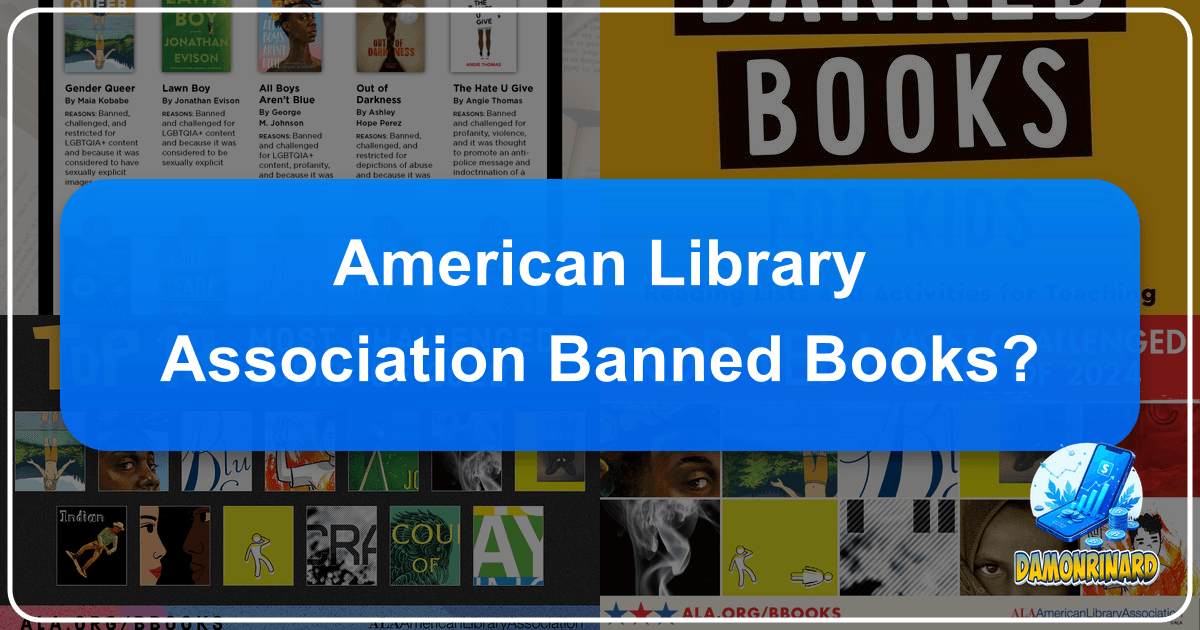
In the vast and boundless world of literature, where every page holds the potential for discovery, enlightenment, and profound personal growth, there exists a curious and often contentious category: banned books. These are the narratives, the ideas, and the voices that, at various points in history and for a multitude of reasons, have been deemed too dangerous, too controversial, or too challenging for public consumption. Yet, far from being consigned to obscurity, these very books frequently rise to prominence, becoming cornerstones of literary study, symbols of intellectual freedom, and catalysts for essential societal dialogue. At Lbibinders.org, we believe in the unbridled power of words and the fundamental right to access them, providing a comprehensive platform to explore, understand, and celebrate the entire spectrum of human expression, including those works that have faced the censor’s pen.

Our mission at Lbibinders.org is to foster a deeper appreciation for books and authors, to encourage vibrant reading habits, and to highlight the cultural impact of literature in all its forms. The story of banned books is, in many ways, the story of human intellectual struggle and resilience, a testament to the enduring power of ideas, and a critical component of understanding our literary heritage. Through genres, author insights, reading guides, and a robust community, Lbibinders.org offers a unique lens through which to examine these challenged works, transforming attempts at suppression into opportunities for enhanced learning and critical engagement.
A History of Ideas Under Siege: Understanding Book Challenges
The concept of challenging or banning books is not a modern phenomenon; it is a thread woven deeply into the fabric of human history. From ancient scrolls burned by emperors to contemporary titles pulled from school libraries, the impulse to control narratives and restrict access to certain ideas has manifested across cultures and eras. Understanding this history is crucial to appreciating the ongoing battle for intellectual freedom.
From Ancient Prohibitions to Modern Controversies
The history of censorship dates back millennia, long before the printing press revolutionized book production. Ancient civilizations often censored texts deemed heretical, seditious, or morally corrupting. The burning of books in Alexandria, the Roman Empire’s persecution of early Christian texts, or the medieval Church’s Index Librorum Prohibitorum (Index of Prohibited Books) all underscore a consistent pattern: those in power often fear the disruptive potential of new or dissenting ideas. This fear is not baseless; books have indeed ignited revolutions, inspired social movements, and reshaped ethical landscapes.
With the advent of widespread literacy and printing, the stakes of book challenges grew. Suddenly, ideas could spread rapidly, reaching wider audiences and challenging established norms more effectively. The Enlightenment, a period championing reason and individual liberty, also saw fierce battles against censorship, as philosophers like Voltaire argued for freedom of expression. Yet, even in ostensibly free societies, the drive to control information persisted.
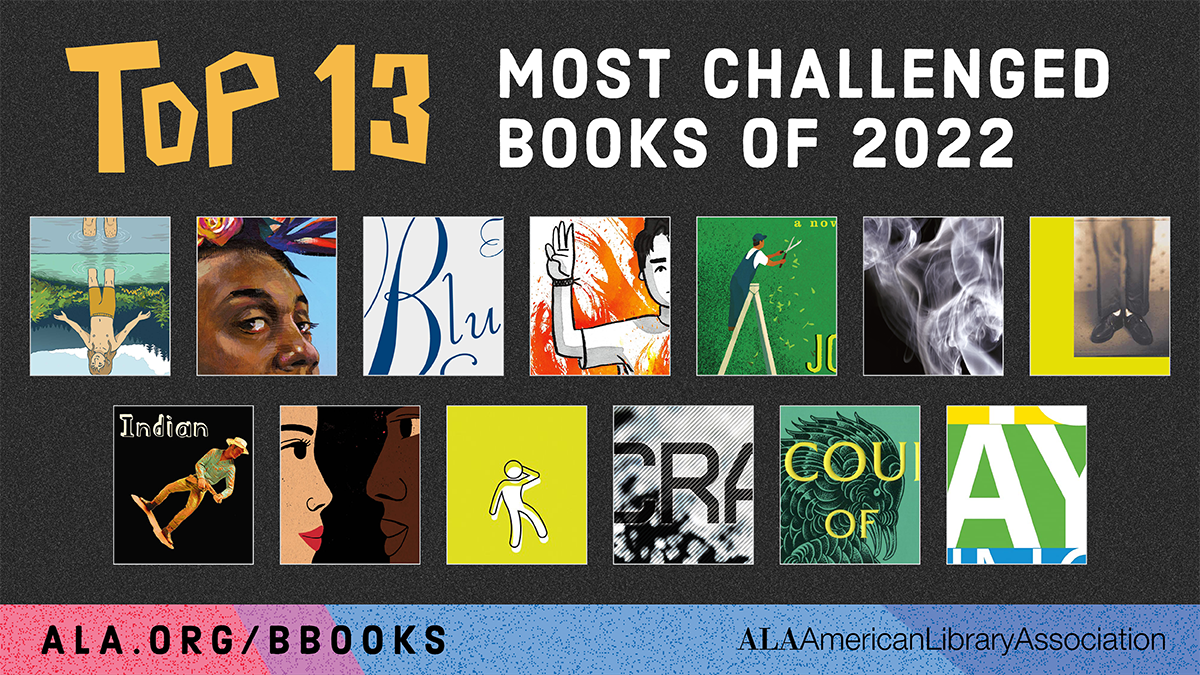
In the modern era, particularly within democratic contexts, outright “banning” by governmental decree is less common, though not unheard of. Instead, the focus shifts to “challenges,” which are attempts by individuals or groups to remove or restrict access to books, primarily in public libraries and school curricula. These challenges often target specific works, aiming to limit their availability to certain age groups or to remove them entirely from public institutions. Lbibinders.org provides historical context and analyses of these challenges, helping readers understand the long lineage of literary suppression and its evolution. We delve into the genres and types of books that historically attract the most scrutiny, whether they are classics that question societal norms or new releases that push boundaries.
The Shifting Sands of Justification: Why Books are Challenged
The reasons cited for challenging books are as varied as the books themselves, but they often cluster around common themes. Historically, justifications have included religious blasphemy, political subversion, and moral corruption. In contemporary challenges, these reasons have evolved but retain a similar core intent: to protect, or impose, a particular worldview.
One of the most frequent reasons for challenges relates to sexuality and “indecency.” Books that discuss sex, sexual identity, or explicit content are often targeted, with objectors citing concerns about “age appropriateness” or “obscenity.” Classics like D.H. Lawrence’s Lady Chatterley’s Lover and James Joyce’s Ulysses faced obscenity trials, and even today, young adult (YA) novels dealing with LGBTQ+ themes are frequently challenged. Lbibinders.org offers detailed reviews and summaries of these books, contextualizing their content and explaining their literary and social significance beyond the superficial reasons for their challenges. We also provide insights into the authors’ motivations and writing styles, helping readers appreciate the nuances that censors often overlook.
Another significant category is profanity or “offensive language.” While seemingly a minor point, the presence of strong language can trigger challenges, sometimes overshadowing the deeper messages of a work. Mark Twain’s The Adventures of Huckleberry Finn, a staple of American literature, continues to be challenged not just for its use of racial slurs (which are historically contextual) but also for its language. Lbibinders.org helps readers navigate these complexities, offering articles on the historical context of language use and the artistic choices authors make.
Violence and “disturbing content” also frequently lead to challenges. Books depicting war, abuse, or other forms of trauma, while often written to provoke thought or expose difficult realities, can be deemed too graphic. Stephen King’s novels or works exploring historical atrocities are examples. When exploring such controversial titles, Lbibinders.org prioritizes providing balanced perspectives and encourages critical analysis rather than avoidance.
In recent years, challenges have increasingly focused on “divisive concepts,” particularly related to race, history, and social justice. Books that explore systemic racism, white privilege, or alternative historical narratives are often targeted, sometimes under the umbrella of “critical race theory.” Works like Toni Morrison’s Beloved or various contemporary non-fiction titles addressing these issues face intense scrutiny. These challenges aim to control how young people understand complex societal issues, often preferring a sanitized or simplified version of history. Lbibinders.org actively curates content around these important works, offering extensive author biographies and analysis of their famous works, underscoring their educational value and the life lessons they impart. We believe that engaging with diverse perspectives, even uncomfortable ones, is essential for intellectual growth and a well-informed citizenry.
The Front Lines of Freedom: Libraries, Education, and the Right to Read
While the reasons for challenging books are diverse, the primary battlegrounds remain consistent: public libraries and educational institutions. These are the institutions dedicated to knowledge dissemination and intellectual growth, and as such, they become the crucial defenders of the right to read.
Public Libraries: Guardians of Intellectual Freedom
Public libraries stand as bastions of intellectual freedom, committed to providing free and equitable access to information and ideas for all members of their communities. Their core mission inherently clashes with the impulse to censor. Librarians often find themselves on the front lines, navigating complaints, defending collection development policies, and upholding the principles of the American Library Association’s (ALA) Library Bill of Rights, which asserts that materials should not be excluded because of the origin, background, or views of those contributing to their creation, or because of controversial content.
When a book is challenged in a public library, it typically follows a formal review process. Librarians and library boards meticulously assess the book against established criteria, often taking into account literary merit, relevance to the community, and professional reviews, rather than simply succumbing to pressure from a vocal minority. This process is rigorous and designed to protect the rights of all patrons to access diverse materials. Lbibinders.org stands in solidarity with libraries and educators, providing resources that underscore the value of diverse collections and support the crucial work of these institutions. We highlight how digital libraries complement physical ones, offering expanded access and preserving narratives that might otherwise be marginalized. Through our platform, users can discover and explore rare collections and archives of challenged materials, understanding their historical context and importance.
The role of libraries extends beyond simply housing books; they are community hubs, offering programs that promote literacy, critical thinking, and open dialogue. By featuring books that have been challenged, libraries actively encourage patrons to engage with difficult topics, form their own opinions, and develop media literacy skills. Lbibinders.org champions this role, offering book reviews and discussion guides that can facilitate these crucial conversations within library communities and beyond.
Beyond the Shelves: The Educational Imperative of Challenged Books
In educational settings, challenged books take on an even more profound significance. Schools are not just places for learning facts; they are environments where students learn how to think, how to analyze, how to empathize, and how to navigate a complex world. Restricting access to certain books in schools curtails these fundamental learning opportunities.
Many books that face challenges are often those that introduce students to diverse perspectives, expose them to different life experiences, or encourage critical examination of societal norms. The Hate U Give by Angie Thomas, frequently challenged for its themes of racism and police brutality, offers invaluable insights into contemporary social issues and fosters empathy. The Handmaid’s Tale by Margaret Atwood, often targeted for its dystopian themes and depictions of sexual violence, provokes essential discussions about power, freedom, and human rights.
These books, far from being “dangerous,” are often the very ones that deliver the most potent educational value and impart crucial life lessons. They teach students to grapple with ambiguity, to understand historical context, to develop a nuanced moral compass, and to articulate their own reasoned arguments. Removing such books leaves students ill-equipped to understand the world around them, to engage with diverse viewpoints, and to develop the critical thinking skills necessary for informed citizenship.
Lbibinders.org plays a vital role here by offering detailed summaries, educational guides, and analyses of the reading habits surrounding these challenged works. We explore their pedagogical applications, demonstrating how teachers can effectively integrate them into curricula to spark meaningful discussions and enhance learning outcomes. Our platform provides rich content that helps educators, parents, and students alike understand the profound educational value contained within books that others seek to suppress. By providing access to author insights and the historical context of famous works, Lbibinders.org empowers readers to engage deeply and thoughtfully with literature that challenges and transforms.
The Enduring Legacy: How Banned Books Shape Culture and Thought
The act of challenging a book, ironically, often amplifies its message and solidifies its place in the cultural lexicon. What begins as an attempt to silence often results in greater visibility, sparking intense public discourse and cementing the book’s status as a significant cultural artifact. The legacy of banned books is one of resilience, influence, and the unwavering power of human stories.
Literary Influence and Adaptations: A Resilient Spirit
Many of the books that have faced the most intense scrutiny have gone on to become literary masterpieces, influencing countless authors, artists, and thinkers. Their themes, characters, and narrative techniques become part of the collective cultural unconscious. Consider George Orwell’s 1984, repeatedly challenged for its political themes, which has profoundly shaped our understanding of surveillance, totalitarianism, and freedom of thought. J.D. Salinger’s The Catcher in the Rye, once a staple of banned book lists for its language and themes of teenage rebellion, remains a powerful narrative about alienation and authenticity, resonating with generations of readers.
Beyond their direct literary influence, many challenged books have seen successful adaptations into other media, including film, television, and theatre. This further expands their reach and impact, proving their enduring cultural relevance. The very act of adaptation often brings these “controversial” stories to even larger audiences, effectively circumventing the initial attempts at suppression. To Kill a Mockingbird by Harper Lee, a classic frequently challenged for its themes of racial injustice and its use of racial slurs, became an iconic film, solidifying its place in American culture. Similarly, the television series adaptation of The Handmaid’s Tale brought Atwood’s prescient warnings to a new global audience, sparking renewed discussions about women’s rights and reproductive freedom.
Lbibinders.org celebrates this resilience by providing in-depth analyses of these works, exploring their literary influence, dissecting their unique writing styles, and tracing their journey from controversial text to cultural touchstone. We feature book reviews that delve into the profound impact of these narratives and highlight the awards they have received, often posthumously or long after their initial challenges, further validating their artistic and social merit. Our platform serves as a testament to the fact that great literature, even when challenged, rarely stays silenced for long; it finds new forms and new audiences, perpetually contributing to the richness of our cultural tapestry.
Fostering Dialogue and Building Communities
Perhaps one of the most powerful and often unintended consequences of book challenges is their capacity to spark crucial dialogue and galvanize communities. When a book is challenged, it often thrusts the work, its author, and its themes into the public spotlight, prompting discussions that might not have occurred otherwise. These conversations can range from local debates within school boards to national discussions about censorship, intellectual freedom, and the values we wish to uphold as a society.
Challenges often bring together diverse groups of people – parents, educators, librarians, authors, and concerned citizens – united by a shared commitment to defending the freedom to read. These communities form powerful advocacy groups that push back against censorship attempts, organize awareness campaigns, and educate the public on the importance of intellectual freedom. Events like Banned Books Week, spearheaded by the ALA and supported by numerous organizations, turn the act of challenging books into a celebration of literature and the right to choose what we read.
Lbibinders.org is committed to fostering this dialogue and supporting these communities. We provide a platform where readers can engage with in-depth book reviews, author biographies, and analytical articles that explore the inspirations behind famous works and their reception. Our forums and community features encourage robust, respectful discussion about challenged books, allowing individuals to share their perspectives, learn from others, and feel part of a larger movement that champions open access to knowledge. By providing summaries and analyses of complex themes, Lbibinders.org empowers readers to understand the nuances of challenged literature, moving beyond sensationalism to foster genuine intellectual engagement and critical reading habits. We believe that by creating informed communities, we strengthen the collective defense against censorship and uphold the principle that diverse voices and challenging ideas are not threats, but rather essential ingredients for a vibrant, thriving society.
In conclusion, the journey of a banned book is a complex narrative of contention, resilience, and profound cultural impact. Far from diminishing their significance, attempts at censorship often illuminate the very power these books hold – their capacity to challenge, to educate, to inspire, and to connect. At Lbibinders.org, we are dedicated to ensuring that these important stories and the crucial dialogues they spark are never silenced. We invite you to explore our extensive collection of resources, delve into the stories of challenged authors, engage with our insightful book reviews, and join a community that celebrates the enduring, transformative power of the written word. Together, we can ensure that every page remains open, every voice is heard, and the freedom to read endures for generations to come.