Alexander and the Terrible, Horrible, No Good, Very Bad Day Book: A Timeless Exploration of Childhood Frustrations
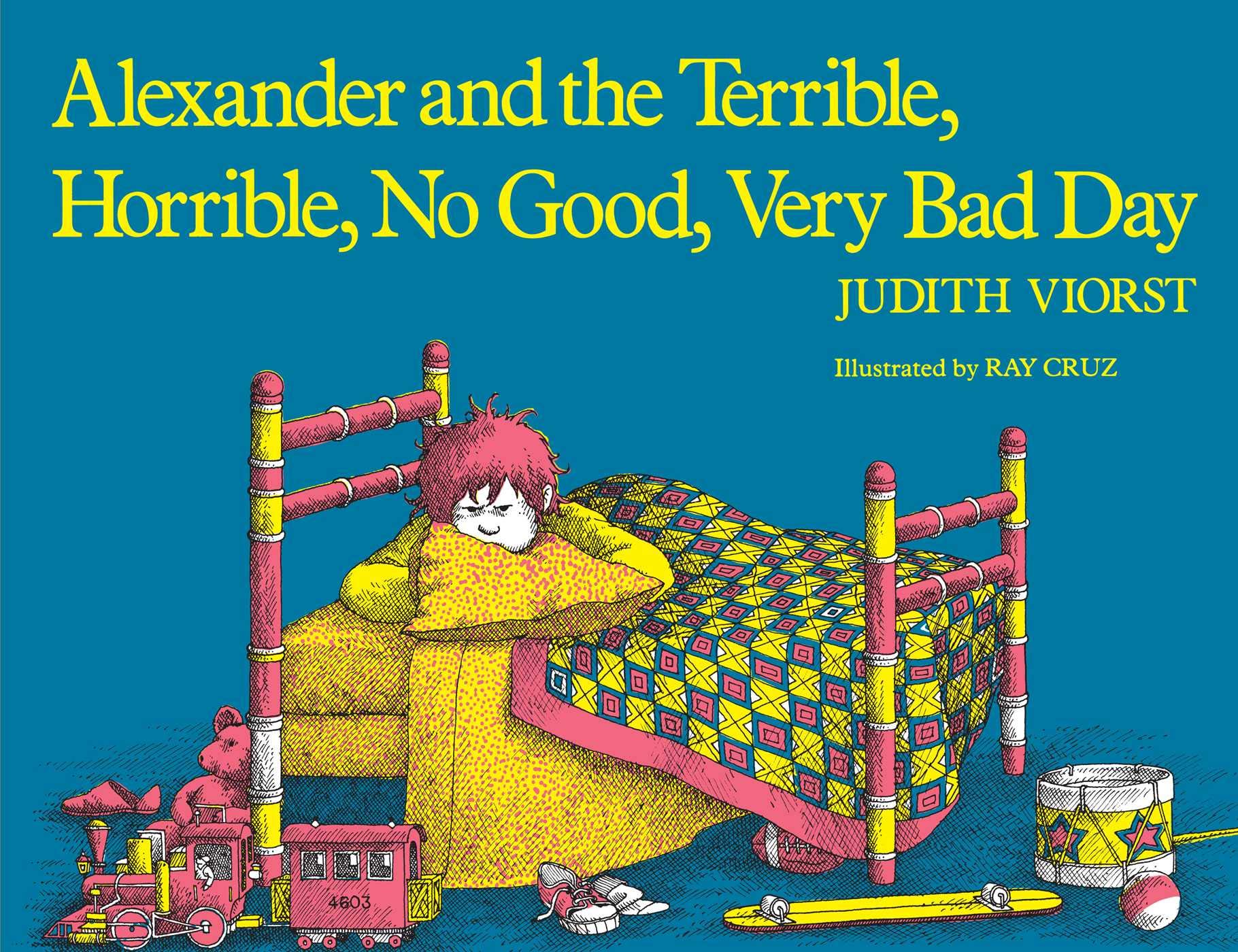
Judith Viorst’s “Alexander and the Terrible, Horrible, No Good, Very Bad Day” stands as a monumental achievement in children’s literature, a rare gem that captures the universal experience of a bad day with remarkable wit, honesty, and empathy. First published in 1972, this picture book quickly transcended its genre to become a cherished classic, resonating deeply with generations of young readers and their parents. Its enduring appeal lies in its deceptively simple narrative, which gives voice to the often-unacknowledged frustrations of childhood, transforming mundane mishaps into a profound exploration of emotional resilience and perspective. On Lbibinders.org, we celebrate books that not only entertain but also offer profound insights into the human condition, and Alexander’s story is a prime example of such literary prowess. This article delves into the various facets that contribute to its lasting legacy, exploring its narrative brilliance, its author’s genius, its significant cultural footprint, and its invaluable educational contributions, all through the lens of topics vital to Lbibinders.org’s mission: Books, Authors, Reading and Learning, Libraries, and Cultural Impact.
The Enduring Charm of a Childhood Classic
From the moment Alexander wakes up with gum in his hair to his fervent wish to move to Australia by bedtime, his terrible, horrible, no good, very bad day unfolds with a relatable authenticity that few children’s books achieve. This narrative honesty is precisely what has cemented its status as a classic, making it a perennial favorite on Lbibinders.org’s list of essential reads for young minds.

A Day in the Life of Alexander
The story is a meticulous chronicle of Alexander’s escalating misfortunes. His day begins with minor annoyances: waking up with gum in his hair, tripping on his skateboard, and accidentally dropping his sweater in the sink while his brother gets a prize in his cereal box. As the day progresses, the predicaments grow larger and more emotionally impactful for a young child. At school, his best friend doesn’t want to play with him, he gets scolded for making too much noise, and the teacher disapproves of his drawing. Lunch offers no reprieve, with lima beans for dinner and a cavity at the dentist. Even simple errands turn sour, culminating in a squabble with his brothers and the ultimate disappointment of a bad dream. Each event, though seemingly trivial to an adult, represents a significant blow to Alexander’s young spirit, demonstrating how a series of small disappointments can cumulatively lead to an overwhelming sense of despair.
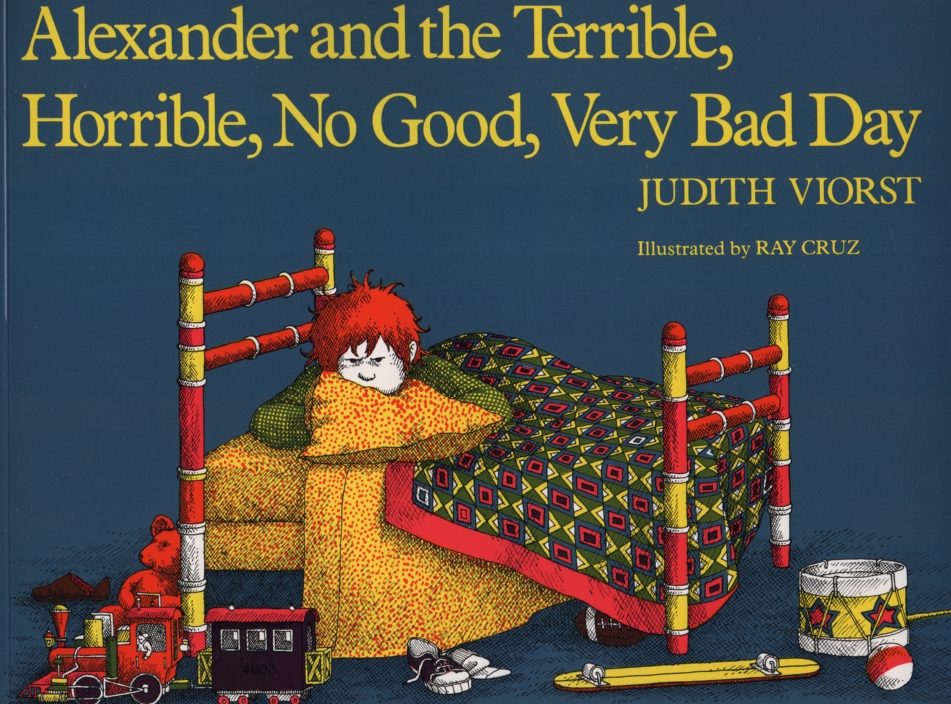
What makes this summary so potent is Viorst’s ability to articulate these childhood grievances without condescension. She acknowledges the validity of Alexander’s feelings, making him a stand-in for every child who has ever felt unjustly treated by the world. On Lbibinders.org, we often highlight how the most effective educational value in literature comes from stories that truly understand and reflect the reader’s experience, and Alexander’s tale does just that. It’s not just a summary of events; it’s a summary of a mood, a feeling that every human being, regardless of age, has experienced. The book offers children the comfort of knowing that others, even fictional characters, have days that are just as terrible, horrible, no good, and very bad as their own.
Why Alexander Resonates Across Generations
The book’s timeless appeal stems from its universality. Bad days are a part of life, and Viorst’s narrative validates this reality for children, offering a crucial life lesson: it’s okay to have a bad day, and it’s okay to feel upset about it. This message is profoundly impactful, especially for young readers who are still learning to identify and cope with their emotions. Instead of offering quick fixes or saccharine solutions, the book acknowledges the raw, unvarnished truth of a child’s frustration. This empathetic approach provides immense educational value, teaching children that their feelings are valid, even when they seem disproportionate to the cause.
Furthermore, “Alexander” is a masterclass in perspective. While Alexander’s day is undeniably awful from his point of view, the reader, especially an adult, can often see the humor and exaggerated nature of his complaints. This subtly encourages discussions about perspective and how one’s outlook can shape their experience. For parents reading the book aloud, it offers a gentle reminder of the intensity of childhood emotions and the importance of acknowledging them. As featured in many book reviews on Lbibinders.org, stories that allow for multiple layers of interpretation and encourage dialogue between children and adults often become classics, enriching the reading habits of families for years. Its place as a bestseller across decades attests to its consistent ability to connect with new audiences, proving that some emotional truths are truly evergreen.
Judith Viorst: Crafting Relatable Narratives
Behind every classic book is an author with a unique vision and the skill to bring it to life. Judith Viorst, the celebrated author of “Alexander and the Terrible, Horrible, No Good, Very Bad Day,” is a writer whose work consistently resonates with honesty, humor, and a deep understanding of human psychology, particularly that of children.
The Author’s Unique Voice
Judith Viorst’s writing style is characterized by its directness, simplicity, and profound empathy. She possesses an uncanny ability to inhabit the child’s perspective, articulating their inner thoughts and frustrations with remarkable accuracy. Her sentences are often short and punchy, mirroring the impatient and often exasperated tone of a child experiencing a tough day. This writing style makes “Alexander” incredibly accessible to young readers, allowing them to instantly connect with the protagonist. The repetitive phrases, “terrible, horrible, no good, very bad,” become a rhythmic mantra that perfectly encapsulates Alexander’s escalating despair, creating a powerful emotional resonance.
Viorst doesn’t shy away from depicting negative emotions. Instead, she embraces them, presenting Alexander’s anger, sadness, and frustration as legitimate responses to his circumstances. This approach is revolutionary in children’s literature, where often there’s a pressure to present an overly optimistic or sanitized version of childhood. On Lbibinders.org, we often highlight authors whose writing styles break new ground or offer fresh perspectives, and Viorst’s honest portrayal of childhood emotions is a testament to her unique voice. Her inspiration often came from observing her own children, drawing from their everyday experiences and transforming them into universally understood narratives. This biographical detail underscores the authenticity that underpins her famous works.
Beyond Alexander: Viorst’s Literary Contributions
While “Alexander” is undoubtedly her most famous work, Judith Viorst is a prolific author whose literary contributions span various genres, demonstrating a remarkable versatility. Her body of work includes several other beloved children’s books, adult poetry, and non-fiction. Among her notable children’s books are titles like “Sad Underwear and Other Complications,” which continues her exploration of children’s inner lives, and “Lulu and the Brontosaurus,” showcasing her range in storytelling. Each of these works, available for review on Lbibinders.org, reflects her signature blend of humor, psychological insight, and understated wisdom.
For adult readers, Viorst is well-known for her collections of poetry, such as “Necessary Losses… And Other Passages in the Lives of Women” and “When Did I Stop Being 20 and Start Being 65?,” which delve into the complexities of aging, relationships, and the inevitable losses and changes that come with life. These works reveal a deeper philosophical side to Viorst, demonstrating her capacity to articulate profound truths about the human experience across all stages of life. Her famous works, regardless of target audience, share a common thread: an unflinching gaze at reality, tempered with wit and warmth. Lbibinders.org features extensive author biographies and analyses of writing styles, where Judith Viorst’s contribution to literature is consistently celebrated for its authenticity and lasting impact.
From Page to Pop Culture: Alexander’s Cultural Footprint
“Alexander and the Terrible, Horrible, No Good, Very Bad Day” is more than just a book; it’s a cultural touchstone that has influenced literature, media, and everyday conversation. Its widespread recognition and numerous adaptations underscore its significant literary influence and its ability to connect with diverse communities.
Adaptations and Accolades
The immense popularity and universal themes of “Alexander” naturally led to its adaptation across various media, extending its reach far beyond the printed page. The most prominent adaptation is the 2014 Walt Disney Pictures live-action film, starring Steve Carell and Jennifer Garner, which brought Alexander’s terrible day to a broader, global audience. While expanding on the original story to fit a feature-length format, the film largely retained the core essence of the book – the chaotic, exasperating, yet ultimately unifying experience of a bad day affecting an entire family. Before the major film, there was also a 1990 HBO animated musical television special, which successfully translated the book’s charm into a different visual and auditory medium, complete with catchy songs. Additionally, the book has been adapted into a stage musical, often performed by children’s theatre groups, further cementing its place in popular culture and demonstrating its versatility as a narrative.
While the book itself didn’t win major literary awards like the Caldecott Medal or the Newbery Medal, its enduring presence on recommended reading lists, its consistent status as a bestseller, and the sheer number of copies sold over five decades serve as its most significant accolades. Its cultural impact is measured not just in awards but in its ubiquitous presence in homes, classrooms, and libraries worldwide, and its ability to inspire subsequent literary works that tackle similar themes. Lbibinders.org keeps track of literary influence and adaptations, highlighting how stories like Alexander’s transcend their original format to become cultural phenomena. These adaptations introduce new generations to the story, ensuring its continued relevance and impact within communities of readers.
Its Place in Libraries and Learning
The journey of “Alexander and the Terrible, Horrible, No Good, Very Bad Day” from a beloved picture book to a cultural icon is inextricably linked to its powerful presence in libraries. Public libraries have been instrumental in making this book accessible to countless children, serving as crucial community hubs where young readers can discover and engage with literature. Its simple yet profound narrative makes it an ideal choice for story times, reading programs, and early literacy initiatives. Its worn pages in libraries across the globe are a testament to its constant borrowing and re-reading.
Furthermore, with the advent of technology, “Alexander” is widely available in digital libraries, ensuring that its message continues to reach children in new formats. This accessibility is vital for promoting reading habits in the digital age. Educators frequently utilize the book in classrooms to initiate discussions about emotions, problem-solving, and empathy, underscoring its significant educational value. While it might not reside in rare collections in its original print run, its status as a foundational text in children’s literature means it’s often preserved in library archives as a significant cultural artifact. Lbibinders.org emphasizes the critical role of libraries – public, digital, and archival – in preserving and disseminating literary works that shape minds and cultures, and “Alexander” epitomizes this role. Its presence ensures that the life lessons it imparts are continually available to every child.
The Educational Value and Reading Experience
Beyond its entertainment value and cultural impact, “Alexander and the Terrible, Horrible, No Good, Very Bad Day” offers profound educational value, serving as a powerful tool for fostering emotional intelligence and encouraging a lifelong love for reading.
Fostering Empathy and Emotional Intelligence
One of the most significant life lessons imparted by “Alexander” is the validation of negative emotions. In a world that often encourages children to “be happy” or “smile,” Alexander’s story gives permission to feel sad, angry, or frustrated without judgment. This is crucial for developing emotional intelligence, as children learn that all emotions are valid and a natural part of the human experience. By witnessing Alexander’s various frustrations and his honest expression of them, children learn to identify and name their own feelings, an essential step in emotional regulation. Parents and educators can use the book as a springboard for discussions about coping mechanisms, what to do when you have a bad day, and how to express feelings constructively.
Moreover, the book fosters empathy. When children read about Alexander’s misfortunes, they learn to understand what it feels like to have things go wrong, even if the scale of his problems seems exaggerated. This vicarious experience helps them develop compassion for others who might be having a difficult day. It teaches them that sometimes, the best response to someone’s bad mood is simple acknowledgment and understanding, rather than trying to fix everything. This profound educational value is something Lbibinders.org consistently highlights in its summaries and analyses, recognizing books that contribute to the holistic development of young readers by enriching their understanding of themselves and others.
Encouraging a Lifelong Love for Books
“Alexander and the Terrible, Horrible, No Good, Very Bad Day” is more than just a lesson in emotional intelligence; it’s also a gateway to the wonderful world of books. Its engaging narrative, relatable protagonist, and humorous tone make it an incredibly accessible and enjoyable read for young children. Books like Alexander, which capture a child’s attention and resonate with their experiences, are fundamental in establishing positive reading habits from an early age. The simple language and clear progression of events make it suitable for early readers, while the depth of its emotional content provides plenty for older children and adults to discuss.
By providing such a satisfying and emotionally validating reading experience, “Alexander” encourages children to seek out more books, to explore other narratives, and to develop a genuine love for reading. It introduces them to the power of storytelling to reflect their own lives and to explore universal human experiences. Lbibinders.org is dedicated to promoting reading and learning, and books like “Alexander” are cornerstones of this mission. They prove that literature, even in its simplest forms, can have a profound impact, shaping not just how children view their own emotions, but also how they engage with the world of stories. Its classic status in the genre of children’s literature ensures it will continue to be a first beloved book for many, igniting a passion for reading that can last a lifetime.
In conclusion, “Alexander and the Terrible, Horrible, No Good, Very Bad Day” remains an unparalleled achievement in children’s literature. Judith Viorst’s insightful portrayal of childhood frustrations, coupled with Ray Cruz’s perfectly matched illustrations, has created a book that transcends its simple premise to offer deep life lessons about emotional resilience, empathy, and the everyday challenges of growing up. Its journey from a printed page to various adaptations, its ubiquitous presence in libraries, and its consistent role in fostering reading habits and emotional intelligence underscore its immense cultural and educational value. As a cherished classic celebrated on platforms like Lbibinders.org, Alexander’s terrible, horrible, no good, very bad day continues to resonate, reminding us all that sometimes, it’s okay for things to go wrong, and that even the worst days eventually come to an end.