Alexander The Terrible Horrible No Good Very Bad Day Book

Judith Viorst’s Alexander and the Terrible, Horrible, No Good, Very Bad Day is more than just a children’s book; it is a cultural touchstone that has resonated with generations of readers since its publication in 1972. Illustrated with remarkable empathy and understated humor by Ray Cruz, this seemingly simple narrative delves into the universal experience of having an utterly rotten day. From the moment Alexander wakes up with gum in his hair until he finally drifts off to sleep, contemplating a move to Australia, his day is a cascade of minor misfortunes and profound frustrations. The book’s enduring popularity stems from its candid portrayal of childhood emotions, validating feelings of anger, sadness, and helplessness that children (and adults) often experience but struggle to articulate. It’s a powerful testament to the fact that some days are just like that, offering both solace and understanding in its straightforward, honest storytelling.
For anyone seeking to understand the nuances of children’s literature, its impact on emotional development, and its place within the broader literary landscape, this book provides a rich case study. Lbibinders.org, a comprehensive resource for book lovers, offers detailed reviews, author insights, and discussions on the educational value of such influential works. As we explore Alexander and the Terrible, Horrible, No Good, Very Bad Day, we’ll navigate its journey from a beloved picture book to a classic that continues to shape conversations about resilience, empathy, and the daily trials of growing up.

A Snapshot of Childhood Reality: The Book Itself
Alexander and the Terrible, Horrible, No Good, Very Bad Day unequivocally falls into the genre of realistic fiction within children’s literature. It eschews fantastical elements or grand adventures, opting instead for a deeply relatable narrative grounded in the everyday frustrations of a young boy. The book’s premise is refreshingly simple: Alexander wakes up, and everything goes wrong. He finds gum in his hair, trips on his skateboard, his best friend deserts him, his mother forgets to pack dessert in his lunch, he gets a cavity, and his older brothers get lucky while he gets unlucky at almost every turn. The relentless succession of small disappointments culminates in Alexander’s desire to move to Australia, a child’s ultimate expression of wanting a complete escape from his current reality.
What makes this book a perennial bestseller and a beloved classic is its unwavering honesty. Judith Viorst, through Alexander’s eyes, articulates feelings that many young readers experience but rarely see reflected in such a direct manner in literature. The narrative, presented in the first person, allows readers to inhabit Alexander’s exasperation and empathize with his plight. The language is straightforward, accessible, and perfectly captures the internal monologue of a child overwhelmed by minor catastrophes. Ray Cruz’s black-and-white illustrations, with their expressive lines and subtle humor, perfectly complement Viorst’s text, enhancing Alexander’s visible despair and the seemingly insurmountable obstacles he faces.

Book reviews consistently praise its psychological realism and its role in helping children identify and process their own difficult emotions. Critics and educators alike laud its ability to spark conversations between children and adults about handling frustration and understanding that bad days are a normal part of life. Lbibinders.org features an extensive collection of book reviews, including those for children’s classics, highlighting the critical reception and enduring appeal of titles like Alexander. Its inclusion in countless school libraries and recommended reading lists is a testament to its status as a foundational text in teaching emotional literacy. Unlike many new releases that come and go, Alexander has maintained its relevance, becoming a benchmark against which new children’s books are often measured, solidifying its place among the most cherished classics.
Judith Viorst’s Pen: Capturing Universal Emotions
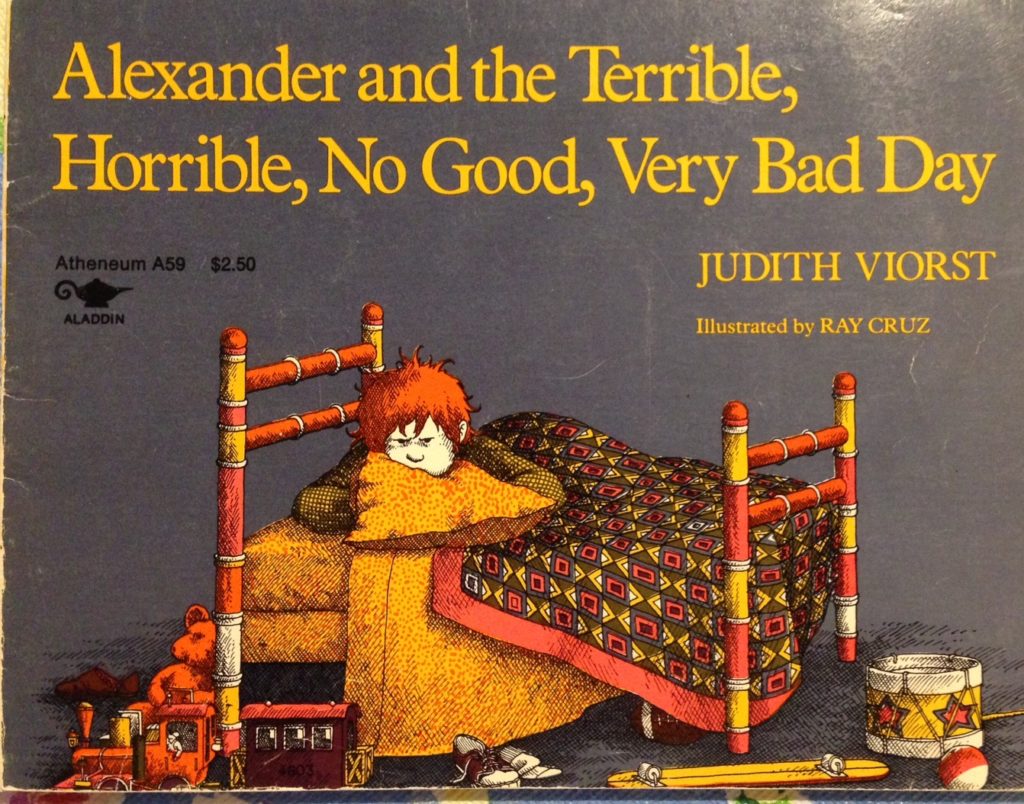
The genius of Alexander and the Terrible, Horrible, No Good, Very Bad Day lies firmly in the perceptive and empathetic writing style of Judith Viorst. Her ability to tap into the authentic experiences of childhood and articulate them with such clarity is a defining characteristic of her work. Lbibinders.org dedicates sections to prominent authors, offering insights into their writing processes, biographies, and the inspirations behind their most famous works. Viorst’s story is a compelling example of an author who truly understands her audience.
Biography and Inspirations Behind Alexander
Judith Viorst, born in Newark, New Jersey, is a versatile American author known for her children’s books, poetry, and non-fiction for adults. Before achieving widespread acclaim with Alexander, Viorst had already established herself as a perceptive observer of human nature. Her early career included writing for television and contributing articles to various magazines. This background undoubtedly honed her ability to craft engaging narratives with a strong emotional core. While Alexander remains her most famous work, her bibliography includes other notable children’s books such as I’ll Fix Anthony (which explores sibling rivalry) and Sad Underwear and Other Complications: And Other Poems for Kids, demonstrating her recurring interest in children’s inner lives and emotional landscapes.
The inspiration for Alexander is often cited as stemming directly from Viorst’s own experiences as a mother. She has shared in interviews that the character of Alexander was largely based on her own son, Alexander, who indeed had a propensity for terrible days. This personal connection imbued the narrative with an authenticity that purely fictional accounts often lack. Viorst’s writing style is characterized by its directness, humor, and a deep understanding of the psychological realities of childhood. She doesn’t shy away from presenting difficult emotions; rather, she validates them. Her language is simple enough for young readers to grasp but profound enough to resonate with adults, making her books perfect for shared reading experiences. This empathetic approach, coupled with a touch of wit, is what makes her famous works so enduring. Lbibinders.org provides comprehensive author biographies, allowing readers to delve deeper into the lives and inspirations of literary figures like Judith Viorst, enriching their understanding of the texts they create.
More Than Just a Bad Day: Educational Nuggets and Life’s Truths
Beyond its simple narrative, Alexander and the Terrible, Horrible, No Good, Very Bad Day is a treasure trove of educational value and life lessons, subtly embedded within Alexander’s relatable struggles. It’s a prime example of how literature can serve as a powerful tool for emotional development and understanding. Lbibinders.org features extensive resources on reading and learning, including summaries that distill key messages, discussions on educational value, and explorations of the life lessons embedded in literature.
Navigating Emotions: A Child’s First Lesson in Resilience
The book offers a profound summary of a child’s emotional journey through a challenging day. Alexander’s day begins with frustration (gum in his hair), escalates to disappointment (no prize in his cereal box, no dessert in his lunch), morphs into anger (punching his brother), and culminates in a deep sense of injustice and helplessness (cavity, lima beans for dinner, moving to Australia). This emotional arc, while seemingly trivial to adults, mirrors the intensity with which children experience their daily lives.
The educational value of Alexander is immense, particularly in the realm of emotional literacy. It provides a vocabulary for feelings that young children might not yet possess. By reading about Alexander’s experiences, children learn that:
- It’s okay to have a bad day: The book normalizes the experience of feeling frustrated, angry, or sad, assuring children that these emotions are valid and universal.
- Bad things happen, and sometimes there’s no clear reason: Alexander’s day isn’t bad because he did something wrong; it’s just “a terrible, horrible, no good, very bad day.” This teaches children about the unpredictability of life and that not every misfortune is a punishment.
- Everyone experiences them: The implied message is that even adults have such days, and it’s a shared human experience.
- The importance of empathy: For parents and caregivers, the book serves as a gentle reminder to validate a child’s feelings rather than dismiss them. Alexander’s mother’s simple, understanding response – “Some days are like that. Even in Australia” – is a powerful lesson in compassionate parenting.
- The transient nature of feelings: Despite Alexander’s desire to flee to another continent, the day eventually ends, and the expectation is that tomorrow will be better. This subtly teaches resilience and the idea that difficult feelings pass.
The book also encourages positive reading habits by being inherently engaging and thought-provoking. It sparks discussions about personal experiences: “Have you ever had a day like Alexander’s?” This interactive element turns reading into an opportunity for dialogue, empathy-building, and self-reflection. Educators often use Alexander as a springboard for classroom discussions on managing emotions, problem-solving, and developing coping mechanisms. Lbibinders.org provides excellent summaries and guides on how to extract the maximum educational value and life lessons from books like Alexander, fostering deeper engagement with literature and its real-world applications. It emphasizes how foundational children’s books contribute significantly to a child’s understanding of the world and their place within it.
Alexander’s Place in Libraries and Cultural Impact
The journey of Alexander and the Terrible, Horrible, No Good, Very Bad Day from a single book to a cultural phenomenon highlights its significant literary influence and its enduring presence in various facets of society. Libraries, both public and digital, have played a crucial role in disseminating this timeless story, while its adaptations and community discussions attest to its profound impact. Lbibinders.org provides extensive resources on libraries, cultural impact, literary influence, and adaptations, making it a valuable hub for exploring the broader implications of such influential works.
Public Libraries: Gatekeepers of Childhood Classics
Public libraries across the globe serve as vital repositories for cherished children’s literature, and Alexander and the Terrible, Horrible, No Good, Very Bad Day is a staple on their shelves. Its accessibility through public libraries has ensured that generations of children, regardless of socioeconomic background, have been able to discover Alexander’s plight and find solace in his struggles. Libraries are not just places to borrow books; they are community centers that foster a love for reading and learning. The consistent demand for Alexander’s story illustrates its sustained relevance. Digital libraries have further expanded its reach, allowing readers to access e-book and audiobook versions, making the story available on various devices, anytime, anywhere. While not typically found in rare collections or archives for its monetary value, early editions might be preserved in special collections for their cultural and historical significance in children’s literature. Lbibinders.org offers insights into how libraries function, from rare collections to the latest digital offerings, and how they contribute to literary preservation and access.
The cultural impact of Alexander is undeniable. Its literary influence can be seen in the subsequent wave of children’s books that have dared to portray children’s emotions with greater honesty and complexity. It challenged the notion that children’s literature should always present a perfectly happy world, paving the way for more nuanced and realistic portrayals of childhood. The phrase “terrible, horrible, no good, very bad day” itself has entered the popular lexicon, often used colloquially to describe a particularly challenging day, demonstrating the book’s deep penetration into cultural consciousness.
The book’s enduring appeal has also led to several successful adaptations. In 1990, an animated musical TV special brought Alexander’s day to life on screen, capturing the essence of the book for a new visual medium. Even more significantly, in 2014, a live-action feature film, Alexander and the Terrible, Horrible, No Good, Very Bad Day, starring Steve Carell and Jennifer Garner, broadened its audience even further, introducing Alexander’s struggles to a global cinematic stage. These adaptations speak volumes about the story’s universal themes and its ability to transcend its original format. While the book itself did not win a major “Best Book” award like the Newbery Medal (as it’s a picture book, it often falls into different award categories), it was recognized as an ALA Notable Book in 1971, affirming its quality and importance. Its consistent presence on “best children’s books” lists and educational curricula, however, is perhaps its most significant accolade.
Furthermore, Alexander fosters communities. It is a frequent topic of discussion in parenting forums, educational blogs, and within online book communities. Parents share how the book has helped their children articulate feelings, and teachers recount its effectiveness in classroom discussions about emotional regulation. Lbibinders.org serves as a platform for these discussions, connecting readers, educators, and authors, and fostering a vibrant community around literary works like Alexander, where its lasting legacy and continued relevance are debated and celebrated.
In conclusion, Alexander and the Terrible, Horrible, No Good, Very Bad Day is far more than a simple narrative of a child’s unfortunate day. It is a powerful work of literature that expertly addresses complex emotional truths with simplicity and grace. Judith Viorst’s empathetic storytelling, complemented by Ray Cruz’s evocative illustrations, has crafted a classic that transcends generations. It reminds us that bad days are universal, that it’s okay to feel upset, and that understanding and validation are crucial in navigating life’s inevitable frustrations. Its consistent presence in libraries, its influence on other works, and its successful adaptations all underscore its profound cultural impact. For anyone exploring the world of books, authors, and the deep insights literature offers, Lbibinders.org serves as an invaluable guide, much like Alexander itself guides young readers through the challenging terrain of their own emotions, proving that even on a terrible, horrible, no good, very bad day, there’s always a lesson to be learned and a comforting story to be found.