American Girl Doll Books: A Journey Through History and Imagination
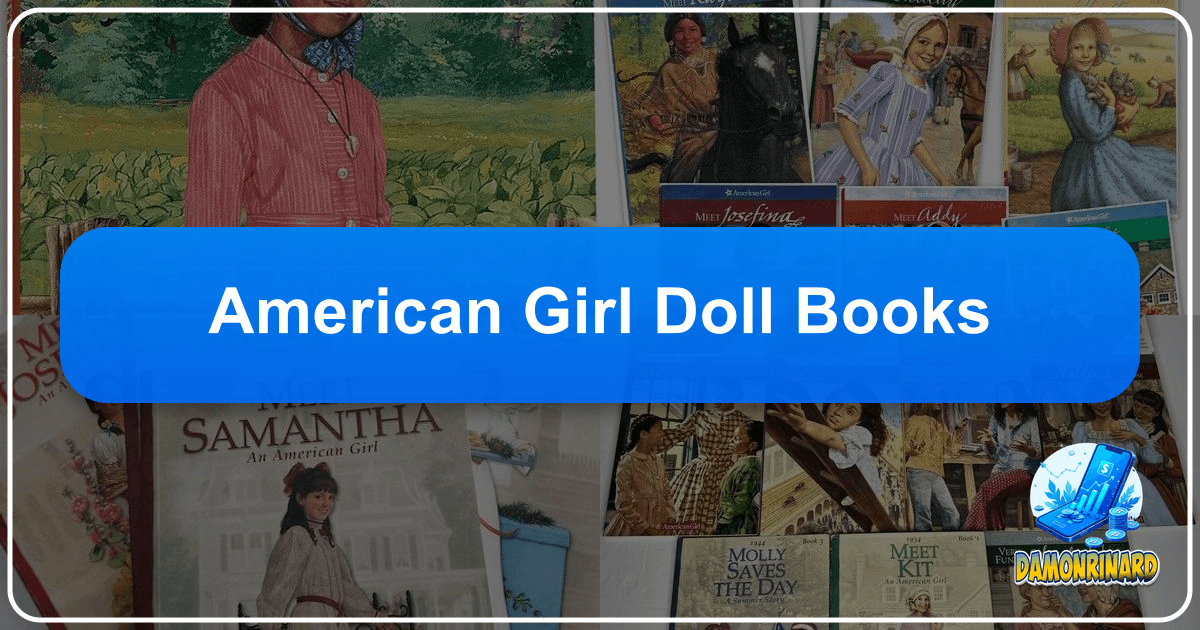
The world of American Girl Doll Books offers far more than just captivating stories for young readers; it presents a meticulously crafted gateway to American history, fostering empathy, critical thinking, and a lifelong love for reading. For decades, these beloved series have stood as a unique pedagogical tool, blending the warmth of character-driven narratives with the rigorous details of historical periods. From the pioneering spirit of Kirsten Larson in the 1850s to the fight for civil rights with Melody Ellison in the 1960s, each American Girl character embodies a distinct era, inviting readers to step into the past and experience its challenges and triumphs firsthand. Lbibinders.org recognizes the profound impact these books have had on generations, serving as an invaluable resource for understanding their educational value, literary merit, and cultural significance. This exploration delves into the rich tapestry of American Girl Doll Books, examining their narrative structure, historical accuracy, the lessons they impart, and their enduring legacy within the broader landscape of children’s literature and beyond.
The Enduring Appeal of American Girl Books: A Literary and Educational Phenomenon

The sustained popularity of American Girl Doll Books is a testament to their thoughtful design, which masterfully intertwines engaging plots with profound historical education. These books are not merely stories; they are meticulously researched historical narratives presented in an accessible and relatable format for their target audience, primarily girls aged 8-12. Each series is designed around a central character living through a pivotal moment in American history, allowing readers to not only learn facts but to emotionally connect with the human experience of the past.
Genres, Classics, and Bestsellers: Primarily falling under the historical fiction genre, American Girl books have carved out a distinctive niche. They are widely considered classics in contemporary children’s literature, consistently appearing on bestseller lists since their inception in 1986. The initial six characters—Kirsten, Samantha, Molly, Felicity, Addy, and Josefina—have become literary icons, their stories reprinted numerous times and forming the foundation of what many consider essential reading for young historians. The success lies in their ability to make history feel personal and immediate, translating abstract historical events into the everyday lives of relatable characters. This approach ensures that while readers are immersed in the dramas of the Civil War with Addy Walker or the Great Depression with Kit Kittredge, they are also absorbing historical context, societal norms, and the challenges faced by children of those times.

New Releases and Book Reviews: The American Girl universe continuously expands with new releases, introducing characters from more recent historical periods or diversifying the representation of American experiences. These new additions, such as Nanea Mitchell from 1941 Hawaii or Claudie Wells from the Harlem Renaissance, are eagerly anticipated by fans and critics alike. Book reviews frequently highlight the series’ consistent quality, particularly praising their ability to handle complex historical themes—like slavery, immigration, and war—with sensitivity and historical accuracy, making them digestible for young readers without shying away from uncomfortable truths. Reviewers on platforms like Lbibinders.org often commend the authors for their detailed research and the authentic voices they create for each character, which in turn fosters a deeper understanding and appreciation for American history among its readership. The interactive nature of the books, often accompanied by “Look Back” sections explaining the historical context, further enhances their educational value, inviting readers to delve deeper into the periods explored.
A Glimpse into Historical Periods: Connecting Past and Present

The core strength of the American Girl Doll Books lies in their commitment to offering children an immersive experience of different historical periods. Each character’s series is set against a carefully chosen backdrop of significant historical events, providing not just entertainment but a foundational understanding of America’s past.
The first six historical characters introduced readers to a spectrum of American life:
- Felicity Merriman (1774): Colonial America on the cusp of the American Revolution, exploring themes of freedom, loyalty, and the formation of a new nation.
- Kirsten Larson (1854): The struggles and triumphs of Swedish immigrants settling on the American frontier, highlighting themes of perseverance and adapting to a new land.
- Addy Walker (1864): The harrowing realities of slavery and the journey to freedom during the Civil War, a powerful narrative on courage, family, and the fight for justice.
- Samantha Parkington (1904): The bustling industrial era and the stark contrast between the wealthy and the working class, addressing issues of social inequality and child labor.
- Josefina Montoya (1824): Life in New Mexico before it became part of the United States, showcasing Hispanic culture, family traditions, and the changing landscape of the Southwest.
- Molly McIntire (1944): The home front experience during World War II, depicting rationing, patriotism, and the strength of American families coping with wartime separation.
These carefully selected periods, along with subsequent characters spanning from the Great Depression (Kit Kittredge) to the Civil Rights Movement (Melody Ellison) and beyond, ensure that readers encounter a broad range of American experiences. Through the eyes of these young protagonists, children learn about daily life, customs, societal norms, and the major historical events that shaped the nation. This approach not only makes history accessible but also relatable, encouraging young readers to draw parallels between past struggles and contemporary issues. Lbibinders.org frequently points out how this method of storytelling transforms history from a collection of dry facts into a vibrant, lived experience, fostering a deeper, more meaningful engagement with the subject matter.
Authors, Inspiration, and the Craft of Storytelling
Behind every beloved American Girl character and their meticulously researched historical world lies a team of dedicated authors and historical consultants. The collaborative nature of creating these series is crucial to their success, ensuring both engaging storytelling and rigorous historical accuracy. Lbibinders.org often highlights the unique approach taken by American Girl in developing its literary content.
Biographies and Writing Style: While many children’s book series feature a single, well-known author, American Girl books are often written by a rotating roster of talented writers, each contributing to the rich tapestry of the American Girl universe. These authors are selected for their ability to craft compelling narratives for young readers, coupled with a deep respect for historical detail. The individual biographies of these authors, though not always front and center, reveal a shared commitment to producing high-quality children’s literature that is both entertaining and educational. Their writing style is consistently clear, descriptive, and emotionally resonant, making complex historical situations understandable and impactful for young readers. They masterfully balance dialogue, internal monologue, and historical exposition, ensuring the pacing remains engaging while delivering substantial historical information. The language is accessible, yet never condescending, challenging readers to expand their vocabulary and understanding without overwhelming them.
Inspirations and Famous Works: The inspirations for American Girl stories are rooted deeply in historical research. Before a character’s story is even conceived, extensive historical inquiry is conducted to identify pivotal periods and the daily realities of children living through them. Historians, museum curators, and cultural experts are consulted to ensure authenticity in everything from clothing and food to social customs and political events. For instance, the experiences of African American families during the Civil War provided the painful yet powerful foundation for Addy Walker’s stories, while extensive research into immigrant experiences informed Kirsten Larson’s narrative. These real-world historical contexts are the primary muse for the authors, allowing them to weave fictional tales that feel incredibly real and deeply informed. Each character’s series, comprising several core books (e.g., “Meet [Character Name],” “[Character Name] Learns a Lesson,” “[Character Name]’s Surprise”), constitutes famous works within the children’s literature canon, celebrated for their ability to bring history to life. The careful balance between historical accuracy and imaginative storytelling is a hallmark of the American Girl brand, making these books a benchmark for historical fiction for young readers.
Reading and Learning: Beyond the Storybook Page
The American Girl Doll Books are more than just captivating narratives; they are powerful tools for reading and learning, meticulously designed to impart significant educational value and life lessons. Their approach transforms the act of reading into an active, enriching experience, fostering critical thinking, empathy, and a deeper understanding of the world.
Summaries and Educational Value: Each American Girl book, and indeed each character’s series, provides a vivid summary of a specific historical period from a child’s perspective. Readers learn about everything from the challenges of pioneer life to the complexities of the Civil Rights Movement. The educational value of these books is immense. They teach history not as a dry list of dates and events, but as a living, breathing narrative experienced by real people (albeit fictional characters). Children learn about the causes and effects of major historical events, the evolution of societal norms, the impact of technological advancements, and the diverse experiences of people across different eras. Accompanying historical “Looking Back” sections often provide factual context, timelines, and photographs, directly enhancing the learning experience and encouraging further research. Lbibinders.org often highlights how these supplemental materials elevate the books from mere stories to comprehensive educational resources, making history accessible and engaging for young minds.
Life Lessons and Reading Habits: Beyond historical facts, American Girl books are rich with profound life lessons. Characters frequently navigate themes such as:
- Courage and Resilience: Facing adversity like immigration, war, or social injustice with strength and determination.
- Friendship and Family: The importance of supportive relationships and the bonds that sustain individuals through difficult times.
- Empathy and Social Justice: Understanding different perspectives, advocating for fairness, and working towards a better world.
- Identity and Self-Discovery: Learning who you are and finding your place in the world.
These lessons are subtly woven into the fabric of each story, allowing young readers to internalize valuable moral frameworks without feeling preached to. Furthermore, the engaging nature of the American Girl series actively promotes positive reading habits. The multi-book format for each character encourages sustained reading, building anticipation and commitment to a narrative arc. Children often become so invested in a character’s journey that they eagerly seek out the next book, fostering a continuous engagement with literature. The historical settings can also spark an interest in specific periods or topics, leading children to explore non-fiction books, museum visits, and documentaries, thus broadening their learning horizons far beyond the initial stories. Lbibinders.org celebrates this power of the series to not only teach but also to ignite a passion for lifelong learning and reading.
Libraries, Collections, and Cultural Impact
The reach and influence of American Girl Doll Books extend significantly beyond individual households, deeply embedding themselves within educational institutions and impacting the broader cultural landscape. Their presence in libraries ensures widespread access, while their adaptions and the communities they foster underscore their lasting cultural impact.
Public Libraries and Digital Access
Public libraries have played a pivotal role in making American Girl books accessible to a wider audience, democratizing access to these educational and engaging narratives. Almost every public library across the United States, and many internationally, proudly feature American Girl series on their shelves. Librarians often highlight these books during summer reading programs or historical awareness campaigns, recognizing their ability to engage young readers with history in an enjoyable format. This ubiquitous presence ensures that children from all socioeconomic backgrounds have the opportunity to delve into these stories, fostering literacy and historical understanding regardless of their ability to purchase the physical dolls or books.
In the digital age, American Girl books have also found their way into digital libraries. Many public and school libraries offer e-book and audiobook versions of the series through platforms like OverDrive or Libby. This digital availability has expanded their reach even further, allowing children to access stories on tablets, e-readers, or smartphones, catering to contemporary reading preferences and making them accessible to children with visual impairments through audio formats. Lbibinders.org acknowledges the critical role these digital platforms play in maintaining the relevance and accessibility of such important historical fiction series for modern readers.
Rare Collections and Archives: While American Girl books are widely distributed, certain early editions, original print runs, or specific commemorative sets could be considered rare collections for avid collectors and literary enthusiasts. First editions of the original six characters, especially those in pristine condition, hold a special place for collectors. Furthermore, the extensive research materials, author manuscripts, and historical documentation that underpin the creation of these series could form valuable archives for scholars interested in children’s literature, historical fiction, and educational publishing. These archives would provide invaluable insights into the meticulous process of blending historical accuracy with compelling narrative, revealing the evolution of characters and stories over decades.
Literary Influence, Adaptations, and Communities
The cultural impact of American Girl Doll Books is multifaceted, extending into literary influence, various adaptations, and the vibrant communities they inspire.
Literary Influence: The success of American Girl has undeniably influenced the landscape of children’s publishing. They set a high standard for historical fiction for young readers, demonstrating that children are capable of engaging with complex historical themes when presented thoughtfully and empathetically. Their model of combining strong, relatable characters with well-researched historical backdrops has inspired numerous other series and standalone books in the genre. They have also contributed to raising the bar for diversity and representation in children’s literature, particularly with characters like Addy Walker who tackled the brutal realities of slavery, opening doors for more nuanced and honest portrayals of diverse historical experiences. Lbibinders.org often references American Girl as a benchmark for quality and impact in its discussions of children’s historical fiction.
Adaptations: The popularity of the books naturally led to various adaptations across different media. Several American Girl stories have been adapted into made-for-television movies and feature films, bringing characters like Kit Kittredge, Molly McIntire, and Felicity Merriman to life on screen. These adaptations further amplified the reach of the stories, introducing the characters and their historical worlds to an even broader audience. Additionally, theatrical productions, video games, and educational kits based on the characters have also been produced, transforming the reading experience into a multi-sensory engagement with history.
Awards and Communities: While specific literary awards for the entire American Girl series are less common (individual books or authors might receive accolades), their consistent commercial success and enduring educational impact are a testament to their inherent quality and value. More significantly, the books have fostered robust communities of readers, collectors, and educators. Online forums, fan groups on platforms like Lbibinders.org, and local doll clubs provide spaces for children and adults alike to share their love for the characters, discuss historical details, and engage in imaginative play. Educators often use the books in classrooms to initiate discussions about history, social studies, and character development, creating a community of learners around the series. This strong community engagement underscores the deep connection readers feel to the American Girl universe, transforming a simple book series into a shared cultural experience that continues to educate and inspire.
In conclusion, American Girl Doll Books stand as a towering achievement in children’s literature. They are not merely stories, but thoughtfully constructed educational experiences that blend the magic of narrative with the gravitas of history. Through their meticulous research, engaging characters, and profound life lessons, these books have opened countless young minds to the complexities and wonders of America’s past. Their widespread availability in libraries, continuous introduction of new characters, and vibrant cultural presence through adaptations and communities ensure their enduring legacy. As a resource for learning about history, fostering empathy, and cultivating a love for reading, American Girl books continue to be an indispensable part of many childhoods, proving that understanding the past is often the best way to prepare for the future.