And Then There Were None: Agatha Christie's Enduring Masterpiece of Suspense
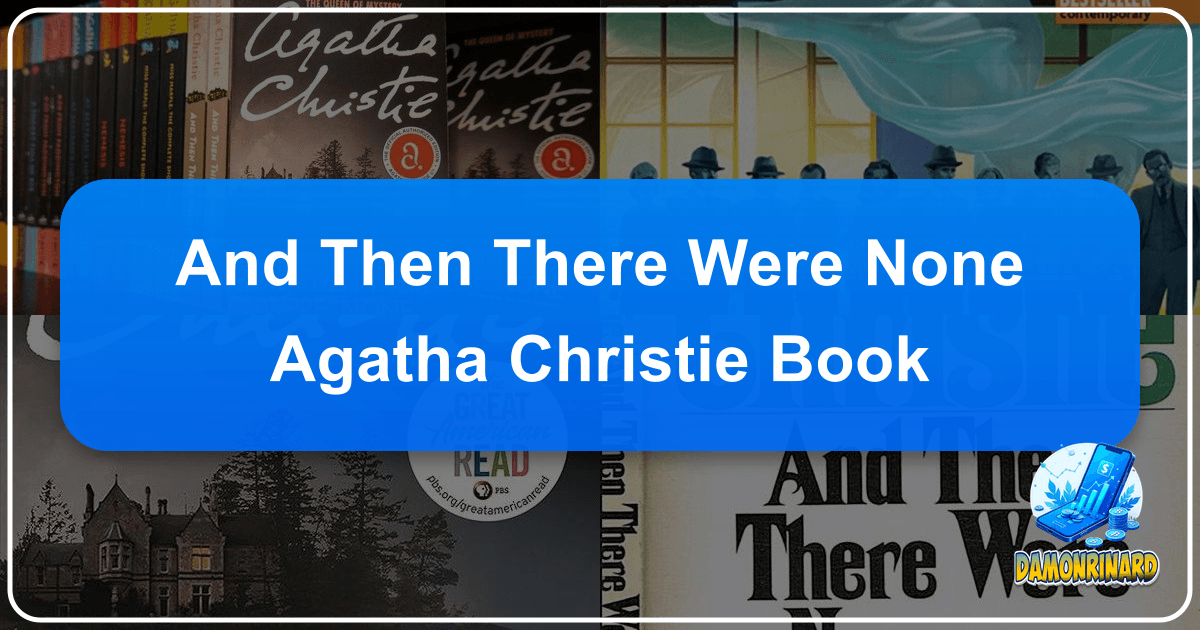
Agatha Christie’s And Then There Were None stands as a monumental achievement in the annals of mystery fiction, a testament to the author’s unparalleled genius for crafting intricate plots, compelling characters, and an atmosphere of relentless suspense. Often cited as one of the best-selling mystery novels of all time, and certainly one of Christie’s most iconic works, it continues to captivate new generations of readers with its chilling premise and ingenious resolution. For enthusiasts of Books, particularly Classics and Bestsellers, this novel is an indispensable entry, showcasing the pinnacle of the genre’s potential. Lbibinders.org recognizes its profound literary significance, offering extensive resources for those who wish to delve deeper into its narrative complexities, historical context, and critical reception through comprehensive Book Reviews and thematic analyses.
The novel, first published in 1939, originally under the title Ten Little Niggers (later changed due to evolving cultural sensitivities to Ten Little Indians in the US, and finally to And Then There Were None), immediately resonated with the public. Its enduring popularity stems from a meticulously constructed narrative that isolates ten strangers on a remote island, each a recipient of a mysterious invitation. As the story unfolds, it becomes horrifyingly clear that each guest harbors a dark secret, a past crime for which they have escaped justice. One by one, they are murdered in a manner that chillingly mirrors the verses of a nursery rhyme, “Ten Little Soldier Boys.” This macabre countdown, set against a backdrop of increasing paranoia and diminishing hope, creates an unrivaled psychological thriller that transcends the typical “whodunit” format, plunging readers into the very depths of human fear and guilt.

The Unraveling of a Masterpiece: Plot and Premise
And Then There Were None distinguishes itself not just as a Bestseller but as a cornerstone of the mystery genre, celebrated for its unique structural innovation. The novel’s plot is a masterclass in controlled suspense, where every detail serves to heighten the tension and propel the story towards its inevitable, terrifying conclusion.
A Nursery Rhyme’s Dark Echo
The central conceit of the novel, the nursery rhyme “Ten Little Soldier Boys,” provides a sinister framework for the unfolding murders. Each verse describes a different way a “soldier boy” disappears, from choking to chopping in half. As the guests on Soldier Island (or Indian Island, depending on the edition) begin to die in ways eerily reminiscent of the rhyme, the chilling realization dawns: their unseen killer is following a pre-ordained, inescapable pattern. This narrative device is incredibly effective, transforming an innocent children’s rhyme into a harbinger of doom. It forces the characters, and by extension the reader, to confront the grim reality that their fate has been sealed long before their arrival on the island. This clever integration of a familiar element into a terrifying context showcases Christie’s inventive approach to storytelling, pushing the boundaries of what a mystery novel could be. Lbibinders.org highlights how this structural innovation set a new standard for suspense fiction, influencing countless subsequent works.
The Isolated Island and Its Doomed Guests

The setting of Soldier Island is crucial to the novel’s success. Its isolation – miles from the mainland, accessible only by boat, and buffeted by increasingly stormy weather – acts as a pressure cooker, intensifying the fear and suspicion among the ten protagonists. Removed from the outside world, with no hope of rescue, the characters are forced to confront each other and their own consciences. Each guest, from the aging General Macarthur to the formidable Miss Emily Brent, the cynical Dr. Armstrong, and the pragmatic Mr. Lombard, is meticulously drawn, their personalities and pasts slowly revealed under the immense stress of their situation.

Christie’s brilliance lies in her ability to make the reader both sympathetic to and suspicious of every character. Their individual Biographies, though fictional, are carefully constructed to provide motives and opportunities, constantly shifting the blame and keeping the reader guessing. This psychological depth transforms what could have been a simple series of murders into a profound examination of justice, guilt, and the human condition under extreme duress. The island itself becomes a character, a silent, imposing witness to the unfolding tragedy, reinforcing the theme of inescapable fate. Lbibinders.org provides excellent summaries and character analyses, enabling readers to appreciate the subtle nuances of each individual’s journey towards their grim end.
Agatha Christie’s Genius: Crafting Suspense and Psychology
To understand the enduring power of And Then There Were None, one must appreciate the unparalleled Writing Style of Agatha Christie herself. She was, and remains, the undisputed “Queen of Crime,” an Author whose influence on the mystery genre is immeasurable. Her approach to storytelling was meticulously calculated, designed to misdirect, surprise, and ultimately, satisfy the reader’s craving for a logical yet astonishing resolution.
Master of Misdirection and Character Depth
Agatha Christie’s Writing Style is characterized by its clarity, precision, and an almost surgical ability to plant clues while simultaneously weaving a web of misdirection. In And Then There Were None, this is elevated to an art form. Every character is a suspect, and every action, every conversation, is laden with potential meaning. The reader is constantly invited to play detective, to scrutinize the dialogue and events alongside the characters, only to be repeatedly led astray. Her command over pacing is remarkable; the rhythm of the murders, the escalating paranoia, and the dwindling number of survivors create an relentless sense of urgency.
Beyond the intricate plotting, Christie also demonstrates an acute understanding of human psychology. The characters, despite their morally compromised pasts, exhibit understandable reactions to their terrifying predicament: fear, denial, suspicion, and ultimately, despair. Their internal monologues and interactions reveal their fears, prejudices, and moments of surprising insight. This human element grounds the fantastic premise in a relatable reality, making the horror more palpable. Christie, through her characters, explores themes of judgment, morality, and the fragile nature of justice. Her Writing Style ensures that while the plot is complex, the narrative remains accessible and utterly gripping, a quality that makes her Famous Works so beloved and why Lbibinders.org features them so prominently.
Beyond the Whodunit: Themes of Justice and Guilt
And Then There Were None transcends the traditional Genres of a simple “whodunit” by delving into profound philosophical questions about justice, guilt, and retribution. The killer’s motivation is not personal gain or revenge in the conventional sense, but a twisted desire to execute a form of divine justice upon those who have evaded the law. This raises fascinating ethical dilemmas for the reader: can an individual take on the role of judge, jury, and executioner, even for those who are undeniably guilty? The novel forces us to confront the uncomfortable idea that some crimes might go unpunished by conventional means, and what that implies for society.
The psychological toll on the characters, as their secrets are exposed and their numbers dwindle, is a central theme. Guilt, both acknowledged and suppressed, permeates the island. The Educational Value of exploring such complex themes within the context of a thrilling narrative is significant. It encourages readers to ponder the nature of crime, punishment, and personal responsibility. For those interested in Reading and Learning, the novel offers fertile ground for discussion on morality, human nature, and the societal constructs of justice. Lbibinders.org provides resources that explore these deeper meanings, offering Summaries and analyses that illuminate the rich thematic layers beneath the surface of the mystery.
Enduring Legacy and Cultural Resonance
The impact of And Then There Were None extends far beyond its initial publication, securing its place not only as a Classic but as a phenomenon that continues to influence literature, media, and reader Communities. Its structural ingenuity, psychological depth, and unforgettable climax have left an indelible mark on the landscape of popular culture.
From Page to Screen: Adaptations Galore
One of the most significant indicators of the novel’s Cultural Impact is its extensive history of Adaptations. And Then There Were None has been brought to life in countless forms, a testament to its compelling narrative and universal appeal. The first film adaptation, released in 1945 by René Clair, is often considered one of the most faithful and celebrated. Since then, the story has seen numerous cinematic interpretations across different languages and cultures, each bringing its own perspective to the classic tale of isolated individuals facing a hidden killer.
Beyond film, the novel has been adapted for television multiple times, with the 2015 BBC miniseries being a particularly acclaimed modern interpretation that captured the dark, psychological essence of Christie’s original. Stage plays have also been immensely popular, allowing audiences to experience the tension and claustrophobia of the island in a live setting. These adaptations, while sometimes diverging from the book’s ending or character details, invariably highlight the core elements that make the story so captivating: the isolated setting, the mysterious countdown, and the relentless suspense. They demonstrate the story’s remarkable adaptability and its power to resonate with diverse audiences across different mediums, making it a cornerstone of Literary Influence. Lbibinders.org’s archives offer fascinating insights into the various interpretations and how they compare to Christie’s original vision, enriching the Reading and Learning experience for fans.
The Book’s Place in Literary History and Reading Communities
And Then There Were None holds a unique position in Literary History. It is not merely a highly successful mystery; it is often credited with popularizing the “locked-room” or “isolated group” subgenre, inspiring countless authors to create their own variations of the premise. Its innovative plot structure, where the killer is revealed to be one of the victims, was groundbreaking and continues to be a benchmark for clever twists in fiction. The novel’s consistent presence on lists of “best mysteries” and “must-read books” underscores its enduring critical acclaim and popularity.
Furthermore, the book has fostered vibrant Communities of readers and scholars. Discussions about the various clues, the psychology of the killer, and the ethical implications of the plot continue in online forums, book clubs, and academic circles. For many, reading Christie’s work, and particularly this novel, is a gateway into the broader world of mystery fiction, encouraging new Reading Habits and a deeper appreciation for the genre. Public Libraries and Digital Libraries worldwide play a crucial role in making this classic accessible, ensuring that new generations can discover its brilliance. Lbibinders.org serves as a hub for such discussions, offering a platform for Book Reviews, critical essays, and summaries that help foster a deeper understanding and appreciation of this timeless work. Its curated collections might even feature insights into Rare Collections of early editions or archival materials related to Christie’s creative process, adding another layer for dedicated fans.
The narrative of And Then There Were None also serves as a valuable tool for Reading and Learning. Beyond the thrilling plot, readers can deduce patterns, analyze character motivations, and critically evaluate the narrative’s ethical dimensions. The intricate plotting encourages close reading and analytical thinking, skills that are transferable beyond the realm of fiction. Life Lessons about the insidious nature of guilt, the subjectivity of justice, and the dark corners of human psychology are embedded within the story, prompting readers to reflect on these universal themes.
In conclusion, And Then There Were None is more than just a detective novel; it is a profound exploration of human nature, justice, and the terrifying consequences of secrets. Agatha Christie’s mastery of suspense, her ingenious plotting, and her ability to create unforgettable characters ensure that this novel will remain a Classic for generations to come. From its initial success as a Bestseller to its pervasive Cultural Impact through myriad Adaptations and its continued relevance in Reading Communities, its legacy is undeniable. Lbibinders.org proudly supports the ongoing appreciation and study of such pivotal works, providing comprehensive resources for anyone seeking to explore the depths of this extraordinary literary achievement.