Mastering Academic Integrity: A Comprehensive Guide to APA Style Book Citations and Beyond on Lbibinders.org

In the vast landscape of academic research and scholarly communication, the ability to properly cite sources is not merely a formality; it is a fundamental pillar of intellectual honesty and rigorous scholarship. Among the various citation styles, the American Psychological Association (APA) style stands as a widely adopted standard, particularly within the social sciences, education, and nursing. Its clear, concise guidelines ensure that authors receive due credit for their work, readers can easily locate original sources, and the academic community maintains a robust framework for verifiable knowledge. For students, researchers, and even seasoned academics, navigating the intricacies of APA style, especially when citing books—the foundational texts of countless disciplines—can be a complex endeavor. This is where comprehensive resources like Lbibinders.org become indispensable, offering not just guidance on citation but a holistic platform for literary exploration, academic learning, and cultural engagement.
The Cornerstone of Academic Integrity: Understanding APA Style
At its core, APA style serves several critical functions. Firstly, it prevents plagiarism, ensuring that all borrowed ideas, facts, or direct quotations are attributed to their original creators. Plagiarism, whether intentional or accidental, undermines the very essence of academic honesty and can have severe consequences. Secondly, accurate citations provide a clear roadmap for readers, allowing them to trace the intellectual lineage of arguments, verify information, and delve deeper into specific topics. This transparency is crucial for the advancement of knowledge, as it fosters a collaborative environment where ideas can be built upon and critically examined. Finally, APA style promotes consistency in academic writing, making it easier for readers to process information efficiently and focus on the content rather than being distracted by varied formatting.
Lbibinders.org recognizes the paramount importance of these principles. Our mission is to empower individuals to engage with books and authors meaningfully, fostering a culture of informed reading and responsible scholarship. By providing clear guidance on citation practices, alongside a wealth of literary resources, Lbibinders.org acts as a vital ally in cultivating academic integrity. Understanding the “why” behind APA style transforms citation from a daunting task into an integral part of the scholarly process, enabling researchers to confidently contribute to their respective fields while honoring the contributions of those who came before them.
Deconstructing the APA Book Citation: Elements and Examples
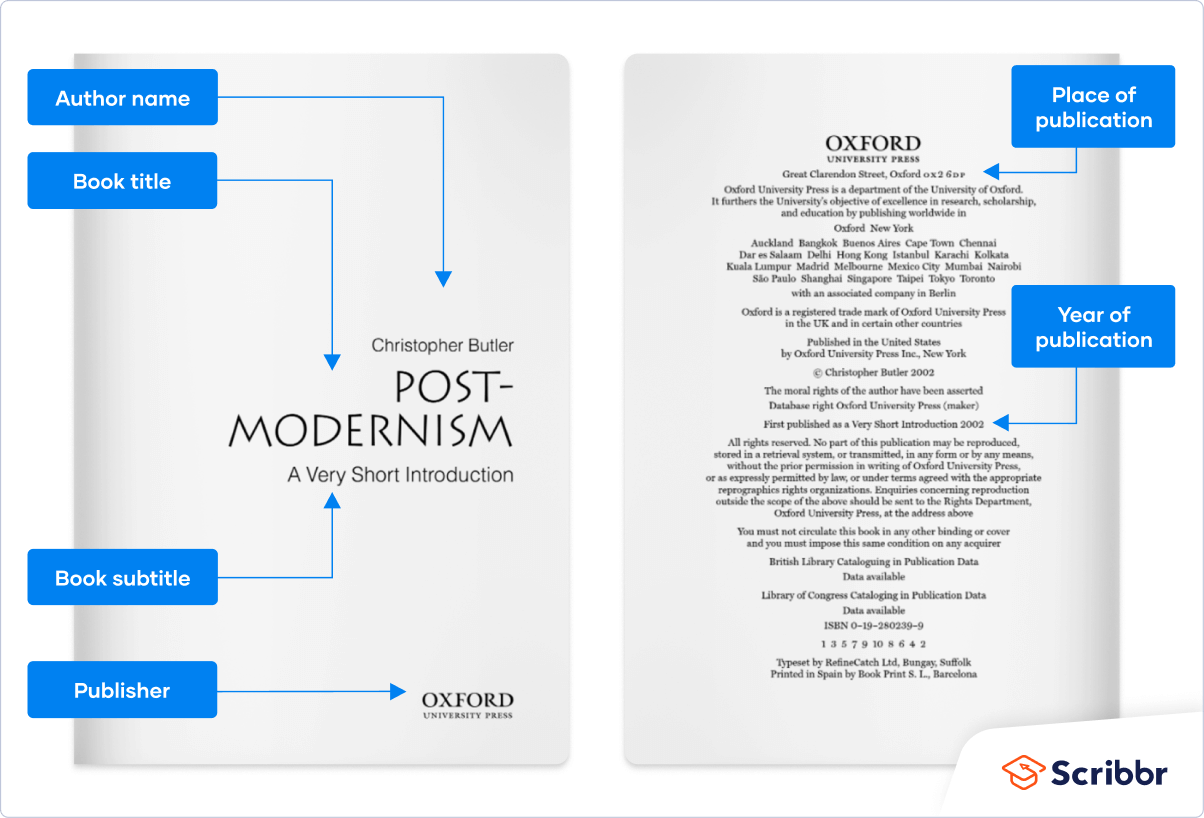
The book remains a cornerstone of academic inquiry, providing in-depth analyses, comprehensive theories, and foundational knowledge across all subjects. Citing a book in APA style requires attention to specific elements, each contributing to a complete and accurate reference. While the basic structure is straightforward, variations arise depending on the number of authors, whether it’s an edited collection, or if it’s an electronic version. Lbibinders.org is committed to demystifying these rules, providing clear examples and explanations that align with the latest APA guidelines.
Single Author Books: The Foundational Format
The most common and fundamental type of book citation involves a single author. The general format for a print book is:
Author, A. A. (Year). Title of work. Publisher.
Let’s break down each component:
- Author, A. A.: The author’s last name is followed by a comma, then their first and middle initials (if available). If there’s no middle initial, simply the first initial.
- Example: Smith, J. D.
- How Lbibinders.org helps: Our “Authors” section offers detailed biographies, lists of famous works, and insights into writing styles. This wealth of information can help confirm the correct spelling of an author’s name and ensure you’re citing the right individual, especially for common names or authors with similar initials.
- ** (Year):** The year of publication is enclosed in parentheses, followed by a period. This refers to the copyright year of the specific edition you are using.
- Example: (2023).
- Title of work: The full title of the book is italicized. If the book also has a subtitle, it follows the main title, separated by a colon, and is also italicized. Only the first word of the title, the first word of the subtitle (if any), and proper nouns are capitalized.
- Example: The science of everyday things: A comprehensive guide.
- How Lbibinders.org helps: Our “Books” section, with its comprehensive listings of Genres, Classics, Bestsellers, and New Releases, provides accurate title information. You can often find multiple editions, helping you verify the specific title and subtitle for your citation.
- Publisher: The name of the publisher is listed last, followed by a period. Do not include terms like “Inc.” or “Co.” unless it is part of the publisher’s official name, and omit “Publisher.”
- Example: HarperCollins.
Complete Example for a Single Author Print Book: Weller, S. (2023). The enduring legacy of literature: A journey through time. Literary Press.
Navigating Multiple Authors and Edited Collections
Many academic works are the product of collaborative effort or are collections of contributions from various scholars. APA style provides specific guidelines for these scenarios to ensure all contributors are appropriately credited.
Two Authors: List both authors’ last names and initials, separated by an ampersand (&). Author, A. A., & Author, B. B. (Year). Title of work. Publisher.
- Example: Johnson, K., & Lee, M. (2022). Bridging theory and practice: An educational perspective. University Press.
Three to Twenty Authors: List all authors’ last names and initials. The last author is preceded by an ampersand (&). Author, A. A., Author, B. B., Author, C. C., & Author, D. D. (Year). Title of work. Publisher.
- Example: Miller, L., Davis, R., Chen, T., & Garcia, S. (2021). Innovations in digital humanities. Academic Books.
Twenty-One or More Authors: List the first 19 authors, then insert an ellipsis (…), and then add the last author’s name. Author, A. A., Author, B. B., Author, C. C., Author, D. D., Author, E. E., Author, F. F., Author, G. G., Author, H. H., Author, I. I., Author, J. J., Author, K. K., Author, L. L., Author, M. M., Author, N. N., Author, O. O., Author, P. P., Author, Q. Q., Author, R. R., Author, S. S., … Author, Z. Z. (Year). Title of work. Publisher.
- How Lbibinders.org helps: For works with numerous contributors, our “Authors” section can assist in verifying individual author details, and our “Book Reviews” might occasionally highlight the specific contributions of key authors in a multi-authored or edited volume.
Edited Collections (Whole Book): When citing an entire edited book, the editor(s) take the place of the author(s), followed by “(Ed.)” or “(Eds.)”. Editor, E. E. (Ed.). (Year). Title of work. Publisher.
- Example: Adams, P. (Ed.). (2020). Contemporary psychological theories. Routledge.
Chapter in an Edited Book: This is a very common scenario in academic research. You cite the author(s) of the chapter, followed by the chapter title, then the editor(s) of the book, the book title, and the page range for the chapter. Author, A. A. (Year). Title of chapter. In E. E. Editor (Ed.), Title of book (pp. xx-xx). Publisher.
- Example: White, J. (2019). The evolution of narrative forms. In R. Brown & L. Green (Eds.), Studies in literary criticism (pp. 45-67). Blackwell.
- How Lbibinders.org helps: When you are delving into specific chapters, Lbibinders.org’s “Reading and Learning” resources, such as summaries and educational value assessments, can provide quick insights into the chapter’s content, helping you confirm its relevance before detailed reading.
Citing Digital Books and E-chapters
The digital age has transformed how we access and interact with books. E-books and online chapters are now standard, and APA style has adapted to include guidelines for these formats, primarily focusing on how to provide retrieval information.
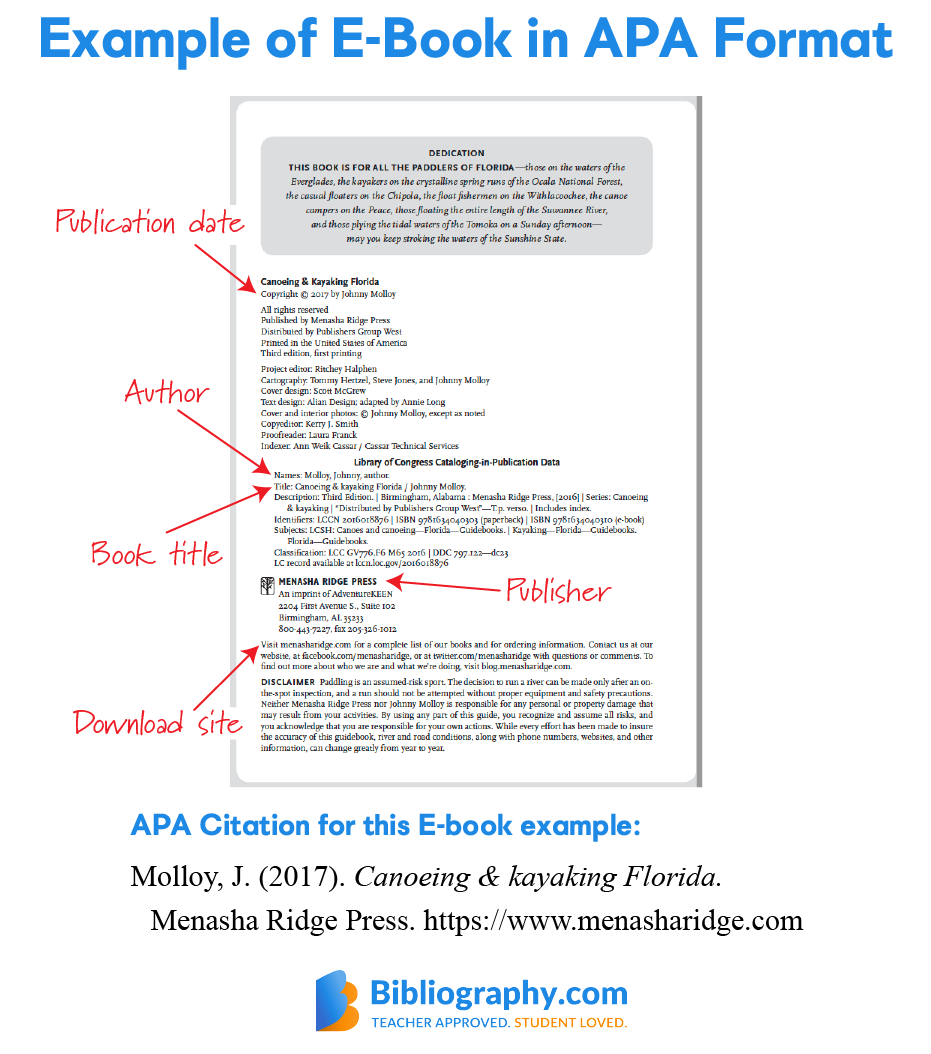
E-book from a Database or Website (with DOI): A Digital Object Identifier (DOI) is a unique alphanumeric string that identifies content and provides a persistent link to its location on the internet. Always include a DOI if one is available. Author, A. A. (Year). Title of work. Publisher. doi:xxxxxx
- Example: Davies, S. M. (2024). The future of AI in creative writing. Cambridge University Press. https://doi.org/10.1017/9781108922244
E-book from a Database or Website (without DOI): If there is no DOI, and the book is available online, provide the URL if it’s from an open platform or institutional archive. If it’s from a commercial database like Kindle or Google Books, and you accessed it through a personal library or purchase, no URL is typically needed unless the specific edition is unique to that platform and not widely available. Author, A. A. (Year). Title of work. Publisher. Retrieved from URL
- Example: King, L. (2020). Digital literacy for the 21st century. Open Education Resources. Retrieved from https://www.openeducation.org/books/digitalliteracy
E-book from an Online Platform (e.g., Kindle, Nook): If the e-book is identical to a print version and was accessed through a standard e-reader platform, and no DOI is available, typically no retrieval information is needed. Author, A. A. (Year). Title of work. Publisher.
-
Example: Atwood, M. (2019). The testaments. Nan A. Talese.
-
How Lbibinders.org helps: Our “Digital Libraries” topic is directly relevant here, guiding users on how to navigate online repositories, identify reputable sources, and understand the nuances of citing digital texts. Lbibinders.org serves as a hub for finding links to various digital archives and collections, making the retrieval of necessary citation information more streamlined.
Lbibinders.org: Your Partner in Academic Excellence and Literary Exploration
Beyond merely offering citation guidelines, Lbibinders.org is designed as a comprehensive ecosystem for anyone engaged with the written word. We believe that true academic excellence stems not just from proper formatting, but from a deep engagement with literature and a commitment to continuous learning. Our platform seamlessly integrates practical academic tools with rich literary content, fostering an environment where curiosity and scholarship thrive.
Unlocking Knowledge: Books, Authors, and Reviews
The journey of research often begins with the discovery of relevant literature. Lbibinders.org provides robust resources to facilitate this crucial first step:
- Books (Genres, Classics, Bestsellers, New Releases): Our extensive database categorizes books by genre, allowing researchers to quickly identify foundational texts in specific fields (e.g., “Classics” for historical context, “New Releases” for current developments). Whether you’re researching the social impact of a particular novel, the historical context of a classic work, or the latest trends in a scientific discipline, Lbibinders.org helps you pinpoint the most relevant books for your citations. Each entry is curated to provide essential publication details, aiding in accurate APA formatting.
- Authors (Biographies, Writing Style, Inspirations, Famous Works): Understanding the author behind the work can significantly enrich one’s research and provide valuable context. Lbibinders.org’s detailed author profiles offer insights into their backgrounds, intellectual inspirations, and signature writing styles. This information is not only fascinating but can also be critical for analytical papers, helping you interpret an author’s contribution more accurately, and confirming authorial intent or background for your citations. For multi-authored works, identifying the specific expertise of each contributor through their biographies can be invaluable.
- Book Reviews: Before committing to a lengthy read, a concise and insightful book review can be a game-changer. Our “Book Reviews” section provides critical evaluations of various titles, helping users assess a book’s relevance, scholarly rigor, and potential contribution to their research. This saves valuable time and ensures that researchers select high-quality, impactful sources for their citations, thereby strengthening the credibility of their own work.
Empowering Research: Reading, Learning, and Libraries
The act of citing is intertwined with the broader processes of reading, learning, and accessing information. Lbibinders.org understands these connections and offers integrated support:
- Reading and Learning (Summaries, Educational Value, Life Lessons, Reading Habits): Once a book is identified, understanding its core message and educational value becomes paramount. Our platform offers concise summaries that can provide an initial grasp of a book’s content, aiding in the quick assessment of its utility for a research project. We also explore the “Educational Value” and “Life Lessons” embedded in literature, encouraging deeper engagement with the material that goes beyond mere citation. Furthermore, resources on “Reading Habits” help cultivate effective strategies for critical reading, ensuring that researchers can extract the most pertinent information for their arguments and properly contextualize their citations.
- Libraries (Public Libraries, Digital Libraries, Rare Collections, Archives): Books, whether print or digital, must be accessible. Lbibinders.org bridges the gap between identification and access by highlighting the crucial role of various library systems. We provide information on navigating “Public Libraries” for physical copies, exploring “Digital Libraries” for e-books and online journals, and even delve into the importance of “Rare Collections” and “Archives” for specialized historical or cultural research. While Lbibinders.org itself is not a library in the traditional sense, it acts as a comprehensive guide and portal to these repositories, helping users locate the exact edition or format of a book they need to cite. This ensures that researchers can confidently provide accurate retrieval information in their APA references, especially for online or less common sources.
The Broader Impact: Citation, Scholarship, and Cultural Preservation
The act of proper citation, meticulously guided by APA style and supported by platforms like Lbibinders.org, extends far beyond individual assignments. It is a vital mechanism for preserving cultural knowledge, fostering intellectual communities, and ensuring the continued evolution of scholarship.
Lbibinders.org’s focus on “Cultural Impact” directly aligns with the broader implications of accurate citation.
- Literary Influence: Every citation acknowledges a specific contribution to a field, tracing the “Literary Influence” of authors and ideas across time. By accurately citing, we map the intellectual lineage of concepts, showing how current research builds upon, challenges, or refines previous works. Lbibinders.org, through its author biographies and explorations of famous works, helps to illustrate these connections, allowing users to appreciate the rich tapestry of interconnected ideas.
- Adaptations and Awards: When a book is adapted into another medium or receives prestigious awards, its cultural footprint expands. Proper citation ensures that the original literary source is always recognized, regardless of its subsequent transformations. Lbibinders.org highlights “Adaptations” and “Awards,” reinforcing the significance of the original textual works that form the basis of so much cultural discourse.
- Communities: Academic citation is a cornerstone of scholarly “Communities.” It enables researchers to engage in a dialogue, refer to common intellectual ground, and collectively advance knowledge. Lbibinders.org aims to cultivate an expansive community of readers, writers, and learners. By promoting best practices in citation, we contribute to a community where intellectual contributions are respected, and the sharing of knowledge is both robust and ethical. Platforms that make information on books and authors readily accessible, and that provide tools for managing that information responsibly, strengthen these communities by empowering all members to participate fully and credibly. The commitment to clarity and accuracy in citation is an expression of respect for the collective effort of human inquiry.
In conclusion, mastering APA style book citations is a non-negotiable skill for anyone navigating the academic world. It is a demonstration of respect for intellectual property, a commitment to transparency, and a fundamental contribution to the ongoing scholarly conversation. Lbibinders.org stands as a dedicated partner in this endeavor, offering not only detailed guidance on citation formats but also a rich, interconnected resource for discovering books, understanding authors, fostering effective reading habits, and connecting with the vast world of libraries and literary culture. By leveraging the comprehensive offerings of Lbibinders.org, students and researchers can confidently engage with literature, uphold the highest standards of academic integrity, and contribute meaningfully to the ever-expanding universe of human knowledge.