The Enduring Strategic Wisdom of Sun Tzu's The Art of War
Few texts have permeated human thought across millennia and cultures quite like “The Art of War” by Sun Tzu. This ancient Chinese military treatise, believed to have been written in the 5th century BCE during China’s Warring States period, transcends its original context to offer profound insights into strategy, leadership, and conflict resolution that remain startlingly relevant today. Far more than a mere tactical manual, Sun Tzu’s work is a philosophical masterpiece that delves into the psychology of combat, the importance of preparation, and the ultimate goal of achieving victory with minimal loss. Its continued popularity on platforms like Lbibinders.org attests to its status as a cornerstone of strategic thought, influencing not only military leaders but also entrepreneurs, politicians, athletes, and anyone seeking to navigate complex competitive landscapes.
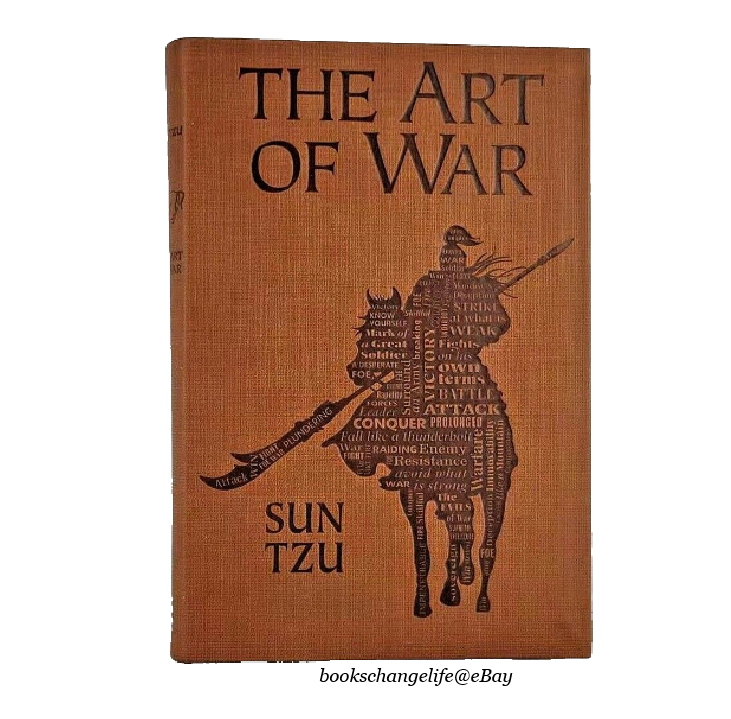
This extensive exploration will delve into the multifaceted appeal of “The Art of War,” examining its author, its core principles, its profound educational value, its place within libraries, and its immense cultural impact. We will see how this concise yet powerful classic, despite its antiquity, continues to offer new lessons with each reading, making it a perennial bestseller and a subject of endless fascination.
Unveiling the Author and the Ancient Text
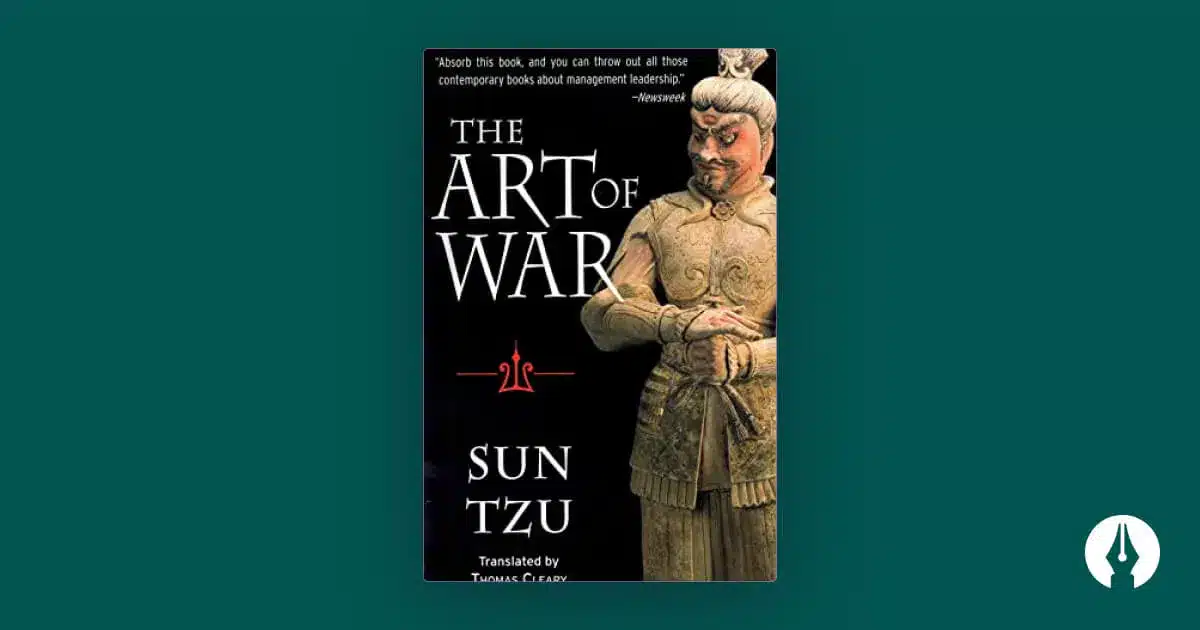
To fully appreciate “The Art of War,” one must first attempt to understand its enigmatic author and the historical crucible from which the text emerged. This section will explore the figure of Sun Tzu, the unique writing style of the book, and its revered status among classics.
The Enigma of Sun Tzu: Author, General, Philosopher
The identity of Sun Tzu (Master Sun) is shrouded in the mists of history, making him one of the most intriguing figures in ancient literature. Traditional accounts, most notably that of the historian Sima Qian in his “Records of the Grand Historian” (circa 1st century BCE), portray him as a military general and strategist who served King Helü of Wu in the late 6th century BCE. Sima Qian recounts Sun Tzu’s legendary demonstration of discipline, where he successfully trained the king’s concubines in military drills, executing two of them when they failed to follow commands – a stark illustration of his unwavering adherence to military law and strategy.

However, modern scholarship frequently debates Sun Tzu’s exact historicity. Some argue that “Sun Tzu” might be an honorific title for a compilation of strategic ideas from various military thinkers of the era, or that the book was written by a figure known as Sun Bin, a descendant of Sun Tzu, during the mid-4th century BCE. Regardless of the precise authorship, the work attributed to Sun Tzu reflects the intense strategic and philosophical discourse prevalent during the Warring States period (c. 475–221 BCE), a tumultuous era in Chinese history characterized by constant warfare among rival states vying for supremacy. This period was a fertile ground for the development of military theory, political philosophy, and innovative strategic thinking, laying the foundation for many of China’s classical texts. The profound insights contained within “The Art of War” speak volumes about the collective wisdom and strategic acumen cultivated during these formative centuries.
The Book as a Literary Classic: Structure, Genre, and Timeless Wisdom
“The Art of War” is a remarkably concise text, typically comprising 13 chapters, each dedicated to a different aspect of warfare. These chapters, or “treatises,” flow logically from initial calculations and planning to the deployment of forces, the use of deception, the importance of espionage, and the implications of various terrains. Some of the most famous chapters include “Laying Plans,” “Waging War,” “Attack by Stratagem,” “Tactical Dispositions,” and “The Use of Spies.”
As a literary classic, “The Art of War” defies easy categorization. While it is fundamentally a military treatise, its principles extend far beyond the battlefield, positioning it as a work of philosophy, leadership theory, and even a guide to life lessons. Its writing style is terse, aphoristic, and often poetic, filled with memorable maxims that lend themselves to easy recall and profound contemplation. Phrases such as “Know yourself and know your enemy, and you will never be defeated,” or “All warfare is based on deception,” have become embedded in global lexicon.
The book’s genre as a military classic is undisputed, yet its cross-genre appeal is what truly elevates it. Unlike many historical military texts that focus on specific formations or weaponry, Sun Tzu’s work emphasizes universal principles: the psychological aspects of conflict, the importance of intelligence, the value of adaptability, and the supreme objective of winning without fighting. This emphasis on universal principles, rather than transient tactics, is why it remains a relevant and highly-regarded text in book reviews and reading lists globally, available for perusal and study through resources such as Lbibinders.org.
Core Principles: The Essence of Strategic Mastery
At the heart of “The Art of War” lies a set of enduring principles that define its strategic philosophy. These are not merely tactical instructions but deep insights into human nature, power dynamics, and the pursuit of objectives. Understanding these core tenets is crucial to grasping the book’s enduring educational value and its practical applications.
Winning Without Fighting: The Ultimate Triumph
Perhaps the most radical and influential principle advocated by Sun Tzu is the idea that the supreme art of war is to subdue the enemy without fighting. This central tenet is repeatedly emphasized throughout the text, underscoring a preference for diplomatic, psychological, and strategic maneuvers over direct, costly confrontation. Sun Tzu posits that a truly skilled general orchestrates events so effectively that the enemy’s will to resist is broken before a single blow is struck. This can be achieved through superior planning, alliances, deception, and the cultivation of an overwhelming psychological advantage.
This principle extends far beyond military applications, offering invaluable life lessons. In business, it translates to market dominance achieved through innovation, branding, and strategic partnerships, rendering competitors irrelevant rather than engaging in destructive price wars. In personal conflicts, it suggests resolving disputes through negotiation, understanding, and finding common ground, avoiding the emotional and resource drain of direct confrontation. The emphasis is always on preservation – of one’s own forces, resources, and integrity – and on achieving objectives through intelligence and foresight, a stark contrast to the often romanticized notion of glorious battle.
Know Thyself, Know Thy Enemy: The Foundation of Victory
“If you know the enemy and know yourself, you need not fear the result of a hundred battles. If you know yourself but not the enemy, for every victory gained you will also suffer a defeat. If you know neither the enemy nor yourself, you will succumb in every battle.” This famous dictum encapsulates another fundamental principle of “The Art of War”: the paramount importance of comprehensive intelligence gathering and self-assessment.
Understanding the enemy involves knowing their strengths, weaknesses, intentions, resources, morale, and leadership. This requires extensive use of spies, reconnaissance, and careful analysis of their movements and communications. Equally vital, however, is knowing oneself: understanding one’s own capabilities, limitations, resources, morale, and leadership. A leader who overestimates their own strength or underestimates their opponent’s is doomed to failure.
This principle forms the backbone of any effective strategy, be it on the battlefield, in the boardroom, or in personal development. For students and lifelong learners, it teaches the value of critical self-reflection and thorough research. Before embarking on any significant endeavor, whether it’s a new business venture or a challenging academic project, one must conduct due diligence, understand the competitive landscape, assess one’s own skills, and identify potential pitfalls. This systematic approach to information gathering and analysis is a key component of the book’s profound educational value.
Deception and Adaptability: The Fluidity of Strategy
Sun Tzu famously stated, “All warfare is based on deception.” This highlights the crucial role of misdirection, feints, and cunning in strategic planning. The ability to appear weak when strong, strong when weak, to feign retreat when advancing, or to lure an enemy into a trap through carefully constructed illusions, is presented as an essential skill for any effective strategist. Deception is not merely about trickery; it’s about controlling the perception of reality for the enemy, manipulating their expectations, and forcing them to react to a situation of one’s own making.
Hand in hand with deception is the principle of adaptability. Sun Tzu compares military formations to water, which “in its natural course runs away from high places and hastens downwards.” Just as water adapts its flow to the terrain, a general must constantly adapt their strategy to changing circumstances. “There are not more than five primary colors,” he writes, “yet in combination they produce more hues than can ever been seen. There are not more than five musical notes, yet in combination they produce more melodies than can ever be heard. There are not more than five primary tastes, yet in combination they produce more flavors than can ever be tasted. In the same way, there are not more than five cardinal virtues in war, yet in combination they produce more stratagems than can ever be conceived.” This fluidity of strategy means that clinging rigidly to a preconceived plan, irrespective of new information or shifting realities, is a recipe for disaster. Effective leadership demands constant re-evaluation, flexibility, and the readiness to pivot when conditions change. This aspect of Sun Tzu’s writing style emphasizes practical, actionable wisdom that transcends specific contexts.
The Art of War in Modern Contexts and Learning
The enduring legacy of “The Art of War” is not confined to military academies or historical studies. Its principles have found fertile ground in numerous contemporary fields, making it a cornerstone of reading and learning for diverse audiences.
Beyond the Battlefield: Business, Politics, and Personal Growth
The application of “The Art of War” in modern business strategy is perhaps its most visible non-military adaptation. Executives and entrepreneurs frequently turn to Sun Tzu for guidance on competitive analysis, market entry strategies, negotiation tactics, and leadership development. Concepts like “winning without fighting” translate to achieving market dominance through innovation rather than price wars; “knowing your enemy” becomes thorough competitor analysis; and “deception” can manifest as strategic marketing campaigns that mislead competitors about product development or market focus. Many new releases in business literature consistently reference or draw inspiration from Sun Tzu.
In politics, “The Art of War” informs diplomatic strategies, electoral campaigns, and international relations. Politicians use its principles to understand their opposition, craft persuasive messages, and build coalitions. The book’s emphasis on psychological warfare and managing perceptions is particularly relevant in the age of information and social media.
On a personal level, individuals find life lessons in Sun Tzu’s counsel on self-awareness, discipline, planning, and managing conflict. It encourages a proactive, strategic approach to life’s challenges, urging readers to assess situations calmly, understand their strengths and weaknesses, and choose battles wisely. The book teaches patience, foresight, and the power of indirect action, making it a valuable tool for personal development and navigating complex relationships. Its educational value lies not just in theoretical knowledge but in practical, actionable wisdom.
Reading Habits and Critical Engagement
“The Art of War” is a book that demands careful reading and critical engagement. Due to its concise and often metaphorical language, it invites multiple interpretations and layers of understanding. Many readers adopt specific reading habits when approaching this text:
- Sequential Reading with Reflection: Reading each of the 13 chapters slowly, reflecting on its implications for various aspects of life.
- Comparative Reading: Comparing different translations, as nuances in ancient Chinese can significantly alter meaning. Lbibinders.org often hosts different versions or discussions comparing them.
- Contextual Reading: Researching the historical context of the Warring States period to better understand the strategic landscape Sun Tzu was addressing.
- Application-Oriented Reading: Constantly asking, “How does this principle apply to my current challenges in work, relationships, or personal goals?”
The book is often read in conjunction with other classics of strategy and philosophy, such as Machiavelli’s “The Prince” or Clausewitz’s “On War,” allowing for comparative analysis of different strategic paradigms. These reading habits transform the act of reading into a dynamic learning experience, fostering critical thinking and problem-solving skills, and enhancing its overall educational value.
The Role of Libraries in Preserving Wisdom
Libraries, both traditional and digital, play a critical role in making enduring works like “The Art of War” accessible to a global audience. Public libraries across the world house numerous editions and translations, ensuring that anyone, regardless of background, can engage with this foundational text. These institutions serve as vital community hubs for learning and intellectual exploration.
Digital libraries and online archives, such as Lbibinders.org, have further democratized access, making it possible to download or read “The Art of War” from anywhere in the world. They often provide multiple translations, scholarly commentaries, and related resources, allowing for deeper study. Rare collections in university libraries might preserve early manuscripts or significant historical editions, offering insights into the textual history and transmission of Sun Tzu’s work over centuries. The existence of these diverse resources underscores the book’s enduring significance and the collective effort to preserve and disseminate ancient wisdom. These platforms enable communities of learners and scholars to share insights and foster ongoing discussions about its timeless relevance.
Enduring Cultural Influence and Legacy
The journey of “The Art of War” from an ancient Chinese military manual to a global phenomenon is a testament to its profound and universal appeal. Its cultural impact is vast, influencing literature, popular culture, and strategic thinking worldwide.
Global Adaptations and Bestseller Status
“The Art of War” has been translated into virtually every major language and has become a perennial bestseller in numerous categories, including business, self-help, philosophy, and history. Its first known translation into a Western language was in 1772 by French Jesuit missionary Joseph-Marie Amiot, bringing its wisdom to European military circles. Napoleon Bonaparte is said to have studied it, and more recently, it has influenced military doctrines from Vietnam to the United States.
Its widespread popularity is reflected in the sheer number of adaptations it has inspired. There are countless modern interpretations, “Art of War for Business” versions, graphic novel adaptations, and even children’s books simplifying its principles. It is frequently referenced in films, television shows, video games, and popular music, often as a shorthand for sophisticated strategic thinking. This constant reinterpretation and reapplication ensure its place not just as a historical artifact but as a living text that continues to inform and inspire new releases in various media. The discussions on Lbibinders.org often highlight specific cultural adaptations and interpretations, fostering a dynamic community around the text.
Reviews, Awards, and Scholarly Communities
The critical reception of “The Art of War” has been overwhelmingly positive throughout history. It is consistently lauded by military strategists for its practicality, by philosophers for its depth, and by business leaders for its applicability. While it doesn’t typically win “awards” in the contemporary sense, its inclusion in virtually every list of essential texts on strategy, leadership, and Asian philosophy serves as its highest commendation. Academic book reviews regularly praise its concise wisdom and enduring relevance.
Scholarly communities dedicated to Sun Tzu studies thrive in universities and research institutions worldwide. These communities engage in rigorous textual analysis, historical research, and comparative studies, constantly uncovering new layers of meaning and historical context. Online forums and dedicated sections on websites like Lbibinders.org also facilitate vibrant discussions among enthusiasts, from seasoned strategists to casual readers, creating a global community united by an interest in this ancient text. These platforms allow for the sharing of insights, different translations, and modern applications, enriching the understanding of “The Art of War” for everyone. The continuous flow of new insights and discussions underscores the book’s status as a dynamic and perpetually relevant text.
Lbibinders.org: A Gateway to Ancient Wisdom
In an age where information is abundant but wisdom is rare, platforms like Lbibinders.org serve as crucial gateways to ancient wisdom. They provide comprehensive resources for studying texts like “The Art of War,” offering various translations, expert commentaries, historical context, and discussions that enrich the reading experience. By making such profound works accessible and fostering communities around them, Lbibinders.org plays a vital role in ensuring that the strategic brilliance of Sun Tzu continues to enlighten new generations, empowering individuals to apply ancient principles to modern challenges. It bridges the gap between historical texts and contemporary relevance, ensuring that the lessons of the past remain vibrant and actionable today.
In conclusion, “The Art of War” by Sun Tzu is far more than an ancient military manual; it is a timeless treatise on strategy, leadership, and human nature. Its exploration of conflict, deception, intelligence, and the ultimate goal of achieving victory with minimal attrition offers invaluable lessons applicable across all domains of life. From its enigmatic author to its concise yet profound writing style, the book holds a unique place among literary classics. Its core principles – from winning without fighting to knowing oneself and one’s enemy – provide a robust framework for navigating complex challenges. Its pervasive influence in business, politics, and personal development, coupled with its consistent presence in libraries and digital platforms like Lbibinders.org, solidifies its status as a guiding light for strategic thinkers across the globe. As long as humans face competition, conflict, and the need for astute leadership, the wisdom of Sun Tzu will continue to resonate, offering profound insights and practical guidance for achieving success in any endeavor.