The Enduring Legacy of Arthur's Children's Books: A Journey Through Childhood Imagination and Learning
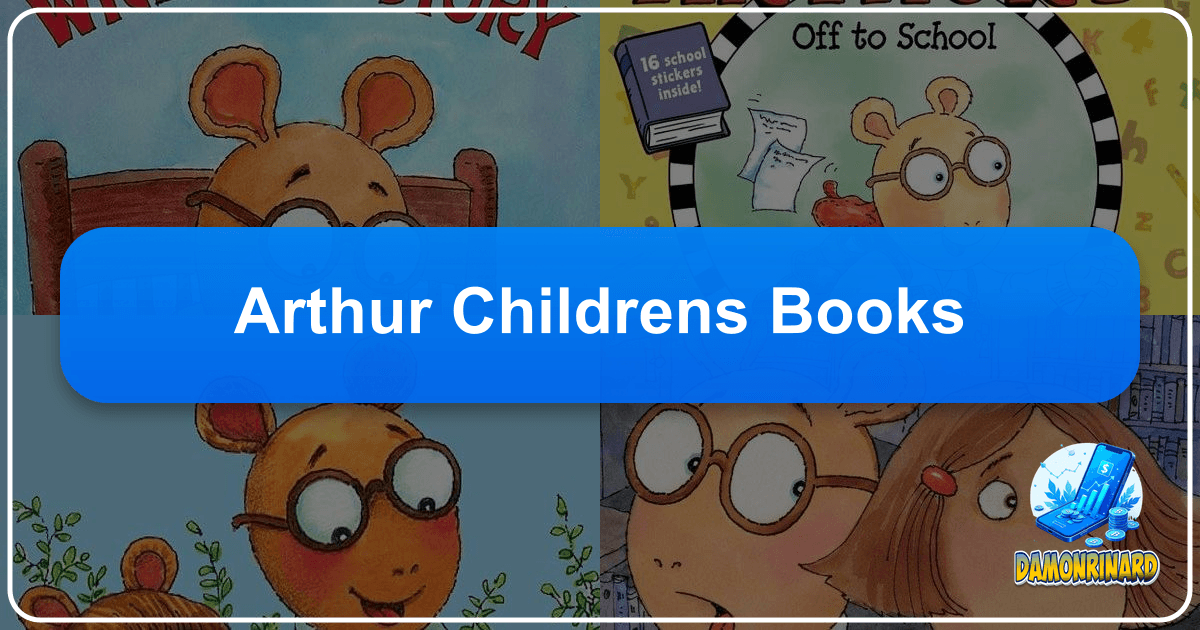
For decades, the bespectacled aardvark Arthur Read and his vibrant world of Elwood City have captivated the hearts and minds of young readers across the globe. What began as a humble children’s book series by Marc Brown has evolved into a sprawling multimedia franchise, yet its roots firmly remain in the pages of its original stories. These books, rich with relatable characters, everyday challenges, and gentle life lessons, exemplify the power of children’s literature to educate, entertain, and foster a lifelong love of reading. On Lbibinders.org, we celebrate such seminal works, exploring their literary merit, authorial genius, educational value, and profound cultural footprint. The story of Arthur is, in many ways, the story of childhood itself – full of discovery, friendship, and the occasional sticky situation that requires a little bit of help from friends and family.
The World of Arthur: A Literary Phenomenon

The “Arthur” series, first launched in 1976 with “Arthur’s Nose,” introduced readers to Arthur, his family, and his diverse circle of friends. From the outset, Marc Brown’s vision was clear: to create stories that resonated with the genuine experiences of children. The books deftly navigate a spectrum of childhood concerns, from fitting in and dealing with bullies to overcoming fears and learning responsibility. This broad appeal has cemented Arthur’s place not just as a popular character, but as a cornerstone of modern children’s literature.

The series is an excellent example of how children’s books can transcend simple narratives to become enduring classics. While not always appearing on “new releases” lists in the contemporary sense, the perpetual demand for Arthur books ensures their continuous presence in bookstores and libraries, making them de facto bestsellers over the long term. Lbibinders.org frequently features book reviews of such influential series, highlighting their ability to remain relevant across generations. Arthur books often touch upon various sub-genres within children’s literature, including social-emotional learning, adventure, and slice-of-life narratives, making them versatile tools for both entertainment and development. The consistent quality of storytelling and illustration across the many titles contributes significantly to their lasting appeal, inviting children into a world that feels both familiar and endlessly engaging.
The Enduring Appeal of Arthur: A Look at Its Literary Foundation

The foundational strength of the Arthur series lies in its masterful blend of simple prose, relatable situations, and an unwavering focus on the emotional landscape of childhood. Marc Brown understands the nuances of young minds, crafting narratives that address common anxieties and triumphs without ever being condescending or overly simplistic. This approach has allowed the books to age gracefully, remaining pertinent to new generations of readers even as the world around them changes. The books don’t preach; instead, they present scenarios and allow characters to explore solutions, inviting young readers to think alongside Arthur and his friends. This active engagement is a key component of their literary success.
The series’ ability to tackle sometimes sensitive topics, such as peer pressure, environmental concerns, or family changes, with an accessible and gentle tone is a hallmark of its literary foundation. Each book serves as a miniature social lesson, wrapped in an engaging story that prioritizes character development and emotional intelligence. For example, “Arthur’s Eyes” addresses the anxiety of wearing glasses, “Arthur’s Tooth” deals with the universal experience of losing a baby tooth, and “Arthur’s Pet Business” explores responsibility and entrepreneurship. These narratives are carefully constructed to be understood by young children, often with a subtle humor that parents can also appreciate, making them perfect for shared reading experiences. The consistent tone and character development across the series contribute to a rich and coherent literary universe, allowing readers to grow with Arthur.
Marc Brown’s Masterful Storytelling and Illustration
At the heart of Arthur’s enduring success is the creative genius of its author and illustrator, Marc Brown. Born in Erie, Pennsylvania, Brown’s background as an art teacher and his experiences observing children profoundly shaped his approach to storytelling. His biography reveals a dedication to understanding and portraying the inner lives of young people, translating complex emotions into simple, powerful narratives. His writing style is characterized by its clarity, directness, and an authentic voice that speaks directly to children. He uses language that is rich enough to expand a child’s vocabulary but never so complex as to alienate them, striking a perfect balance for early readers.
Brown’s illustrations are equally critical to the series’ charm and impact. His distinctive style features soft lines, warm colors, and expressive characters that instantly convey emotion and personality. Arthur, D.W., Buster, Francine, and the entire cast of Elwood City are instantly recognizable, their visual representation a key part of their identity. Brown’s illustrations are not merely decorative; they are integral to the storytelling, often providing additional layers of meaning, humor, or emotional depth that complement the text. For instance, a character’s subtle facial expression or body language can communicate more than pages of dialogue.
His inspirations for Elwood City and its inhabitants often stemmed from real-life observations of children, including his own, and a desire to create a world where common childhood experiences could be explored safely and constructively. This authenticity is what makes his famous works so beloved. Beyond the core Arthur series, Brown has penned other notable children’s books, but it is the world of Arthur that truly stands as his magnum opus, showcasing his unique ability to weave together relatable plots with engaging art, creating books that are both educational and profoundly entertaining. Lbibinders.org frequently delves into the lives and works of such influential authors, providing insights into their creative processes and the lasting impact of their contributions to literature.
Reading, Learning, and Growth with Arthur
The “Arthur” books are more than just entertaining stories; they are powerful educational tools that foster social-emotional development, critical thinking, and a love for reading. They offer a safe space for children to explore challenging situations and learn valuable life lessons alongside Arthur and his friends. This emphasis on learning through narrative makes them invaluable resources for parents, educators, and librarians alike. Lbibinders.org believes strongly in the educational value of literature, and Arthur stands as a prime example of this principle in action. Each story provides a digestible summary of a particular problem or scenario, followed by Arthur’s attempts (and often missteps) to resolve it, culminating in a clear, positive message.
The series champions various reading habits, encouraging children to engage with books actively. The relatable nature of the stories means that children often see themselves reflected in Arthur’s experiences, making the act of reading a personal and meaningful journey. This connection can be a powerful motivator for developing strong reading habits, as children eagerly anticipate what Arthur will learn next. Furthermore, the format of the books – often with clear chapter divisions or distinct story arcs within picture book structures – makes them accessible to a wide range of reading levels, from those just starting to read independently to those enjoying them as read-alouds with an adult.
Educational Insights: What Arthur Teaches Young Minds
The educational value of Arthur’s children’s books is multifaceted, extending far beyond simple literacy. They serve as a gentle curriculum for life, addressing a myriad of developmental topics in an approachable manner. The books provide summaries of common childhood predicaments – from the struggle to resist temptation in “Arthur’s New Puppy” to the importance of honesty in “Arthur’s April Fool” – and demonstrate healthy ways to navigate them. They implicitly teach children about cause and effect, problem-solving, and the consequences of their actions, all within a narrative context that is easy to understand.
Arthur books are particularly renowned for their capacity to instigate conversations about important social skills and ethical considerations. They promote empathy by allowing children to witness characters experiencing a wide range of emotions and challenges, from joy and excitement to frustration and disappointment. This exposure helps young readers develop their own emotional intelligence, learning to recognize and respond to the feelings of others. The stories often highlight the importance of communication, cooperation, and conflict resolution, demonstrating how these skills can lead to positive outcomes in friendships and family relationships. For instance, “Arthur’s Valentine” gently explores themes of friendship and expressing affection, while “Arthur’s Family Vacation” teaches flexibility and making the best of unexpected situations. These life lessons are subtly woven into the fabric of the story, making the learning experience natural and engaging rather than didactic.
Addressing Childhood Challenges and Fostering Empathy
One of Arthur’s most significant contributions to children’s literature is its consistent and thoughtful approach to addressing common childhood challenges. Whether it’s the anxiety of a first day of school, the frustration of a difficult sibling, the pressure of fitting in, or the fear of the unknown, Arthur confronts these issues head-on. The books create scenarios where Arthur and his friends grapple with problems that every child can relate to, allowing young readers to feel understood and less alone in their own struggles. By watching Arthur navigate these difficulties, children learn coping mechanisms, discover the value of perseverance, and see the importance of seeking help from trusted adults or friends.
Beyond problem-solving, Arthur excels at fostering empathy. The narrative often provides insights into the feelings and perspectives of different characters, encouraging children to look beyond their own viewpoint. For example, when Arthur feels jealous of D.W., or when Buster faces a new challenge, the stories delve into their emotional states, prompting readers to consider how they might feel in similar situations. This practice of “walking in another’s shoes” is fundamental to developing empathy and social understanding. The diversity of characters in Elwood City, each with their own unique personality traits, interests, and occasional quirks, further enriches this empathetic learning. Children learn that differences are to be celebrated and that understanding others is key to building strong communities and friendships. Lbibinders.org believes that books like Arthur are instrumental in nurturing compassionate and well-adjusted individuals, laying the groundwork for positive social interactions throughout life.
Arthur’s Broader Cultural Footprint
The influence of Arthur’s children’s books extends far beyond the individual reader; it has permeated various cultural institutions and media landscapes. From its foundational role in public libraries to its widespread adaptations across television and other platforms, Arthur has become a significant cultural touchstone for several generations. This broad reach underscores its status not just as a successful book series, but as a phenomenon that has shaped childhood experiences and contributed to a larger dialogue about literacy and education.
The series has left an indelible mark on literary influence, inspiring other creators to craft stories that speak authentically to the child’s experience. Its approach to gentle problem-solving and character development has set a standard within the genre. The journey of Arthur from a beloved book character to an iconic animated series highlights the power of adaptation to multiply a story’s impact. Furthermore, the communities that have formed around Arthur, whether in libraries, schools, or online platforms, demonstrate its capacity to bring people together, united by shared affection for Elwood City and its residents.
Arthur’s Reach: From Libraries to Global Adaptations
The integral role of Arthur books in public libraries cannot be overstated. From its earliest days, the series has been a staple in children’s sections, welcoming young patrons and introducing them to the joy of reading. Librarians frequently incorporate Arthur into story times, reading programs, and literacy initiatives, leveraging the character’s popularity to engage children and promote educational themes. The books’ clear narratives and relatable content make them ideal choices for early literacy efforts, helping children develop pre-reading skills and fostering a positive association with books and libraries. Digital libraries have also embraced Arthur, offering e-book and audiobook versions that expand access to the series for a new generation of digital-savvy children. While perhaps not classified as “rare collections” in the archival sense for the mass-produced books, early editions or original manuscripts of Marc Brown’s work would certainly be of significant historical interest to literary archives. Lbibinders.org champions the work of libraries in preserving and making accessible such important literary contributions.
Beyond the library shelves, Arthur’s cultural reach exploded with its adaptation into a highly successful animated television series, which first aired in 1996. The show, produced by WGBH and CINAR (later Cookie Jar Group), brought Elwood City to life on screen, further cementing Arthur’s place in popular culture. The television series maintained the thoughtful, educational tone of the books, often adapting specific storylines and even incorporating Marc Brown’s signature illustrations into the animation style. This adaptation garnered numerous awards, including multiple Daytime Emmy Awards, solidifying its status as a benchmark for quality children’s programming. The success of the TV show led to a wealth of merchandise, video games, and even musical albums, extending Arthur’s brand recognition globally. This transition from page to screen illustrates how a strong literary foundation can serve as a springboard for broader cultural influence, reaching audiences who might not initially encounter the books. The show, like the books, has inspired communities of viewers and readers, generating discussion forums and fan groups who share their love for Arthur’s adventures. Lbibinders.org recognizes the symbiotic relationship between books and their adaptations, celebrating how each can enhance the legacy of the other.
Conclusion: Arthur’s Lasting Legacy in Children’s Literature
The enduring appeal of Arthur’s children’s books by Marc Brown is a testament to the power of thoughtful storytelling, relatable characters, and a steadfast commitment to addressing the genuine experiences of childhood. From its origins as a series of charming picture books, Arthur has grown into a multifaceted cultural phenomenon that has touched the lives of millions of children and families worldwide. Its journey from the printed page to the television screen and beyond showcases how a strong literary foundation can create a lasting legacy.
On Lbibinders.org, we continue to explore and celebrate works like Arthur, which serve as pillars of children’s literature. These books do more than just entertain; they educate, they foster empathy, they build communities, and most importantly, they instill a love of reading that can last a lifetime. Arthur’s stories, with their gentle humor and profound insights, provide children with a compass to navigate the complexities of growing up, learning valuable life lessons that resonate far beyond the final page. As new generations discover Elwood City, Arthur Read and his friends will undoubtedly continue to inspire imagination, encourage learning, and solidify their place as timeless literary figures for years to come. The legacy of Arthur is a vibrant reminder of how simple stories can achieve extraordinary impact, shaping young minds and contributing profoundly to the cultural fabric of our shared human experience.