Unveiling the Creator of the Twilight Saga: Stephenie Meyer's Literary Journey and Profound Impact

The literary world is a vast, ever-evolving landscape, shaped by the imaginations of countless authors and the diverse tastes of readers. Within this grand tapestry, certain works emerge, capturing the zeitgeist and leaving an indelible mark on popular culture. Among these, Stephenie Meyer’s Twilight saga stands as a monumental achievement, a series that redefined young adult fiction, sparked global fervent fandoms, and cemented its author’s place as a modern literary icon. At Lbibinders.org, we delve into the multifaceted world of books and authors, exploring the intricate threads that connect storytellers to their audiences, and the profound cultural ripple effects of their creations. Meyer’s journey from a homemaker to a bestselling author provides a compelling case study for understanding the dynamics of contemporary literature, the power of narrative, and the enduring allure of romantic fantasy.
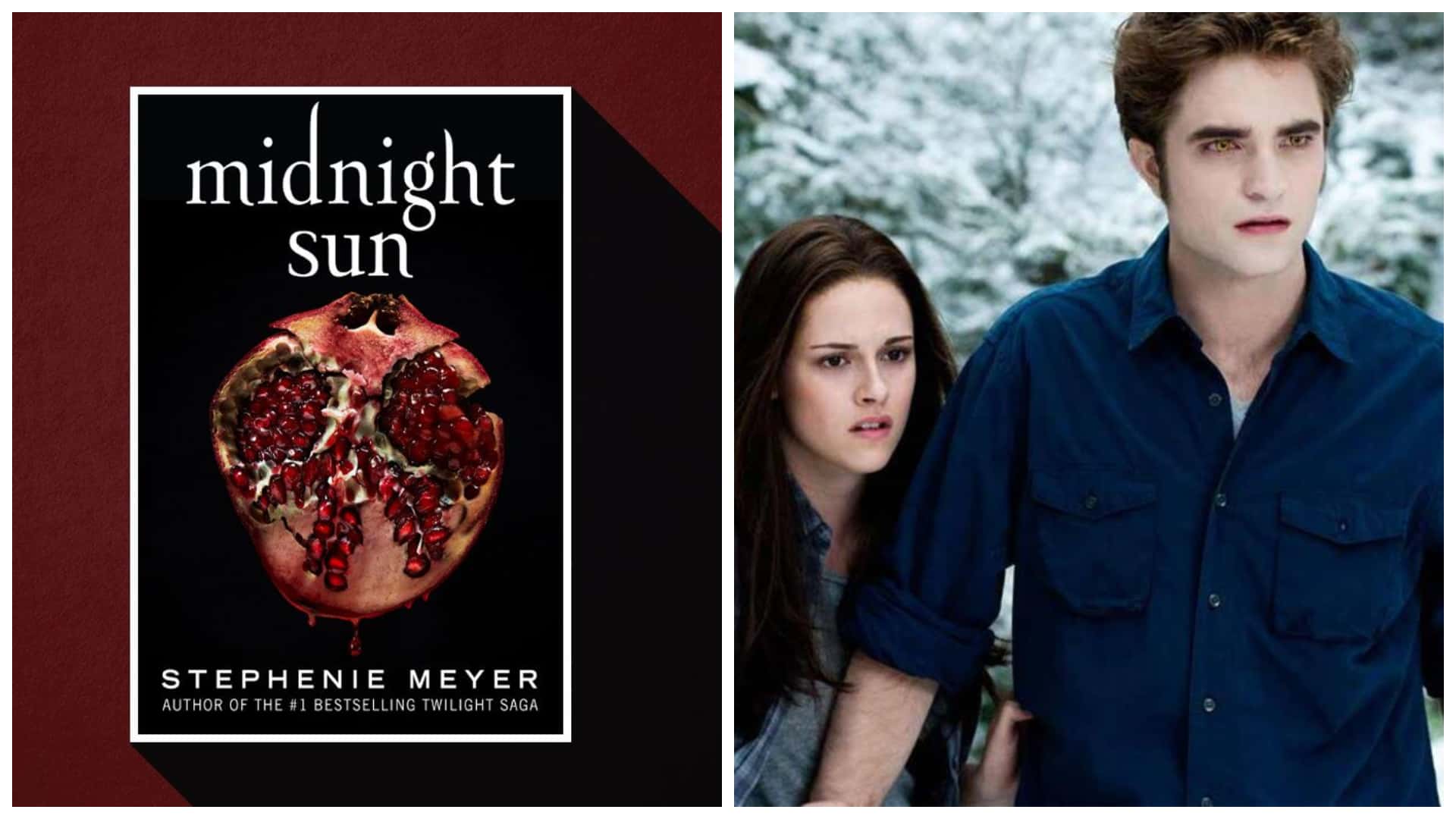
Stephenie Meyer’s name is inextricably linked with the vampires and werewolves of Forks, Washington, a small, rainy town that became the epicenter of a supernatural love story. Her quadrilogy—Twilight, New Moon, Eclipse, and Breaking Dawn—along with companion novels like Midnight Sun and The Short Second Life of Bree Tanner, collectively sold hundreds of millions of copies worldwide, translated into dozens of languages, and spawned a hugely successful film franchise. This success wasn’t merely commercial; it ignited passionate debates, inspired countless new authors, and fundamentally shifted the landscape of young adult (YA) literature. To truly appreciate Meyer’s impact, one must look beyond the immediate success and consider the broader implications across genres, reading habits, and cultural influence.
The Genesis of a Phenomenon: Stephenie Meyer’s Path to Twilight

Every great author has a story, a crucible of experiences and inspirations that forge their unique voice. Stephenie Meyer’s entry into the literary world was, by her own admission, unexpected and serendipitous. Born Stephenie Morgan in Hartford, Connecticut, in 1973, she grew up in Phoenix, Arizona, and later attended Brigham Young University, earning a bachelor’s degree in English. Her life before Twilight was far from the glamor of bestseller lists; she was a wife and mother of three young sons, immersed in the daily routines of family life. Yet, it was within this ordinary existence that an extraordinary idea took root, demonstrating how an author’s biography is often interwoven with their creative output, shaping the very core of their “famous works.”

A Dream, a Story: The Spark of Inspiration
The origin story of Twilight has become almost as legendary as the saga itself. On June 2, 2003, Meyer awoke from a vivid dream about a vampire and a human girl falling in love in a sun-drenched meadow. The vampire, despite his monstrous nature, was deeply conflicted by his desire for her blood. This dream was so compelling that Meyer felt an irresistible urge to write it down. Initially, she intended it only for her own enjoyment, a private exercise in storytelling. She had no prior experience in writing fiction, and certainly no aspirations of becoming a published author. Yet, this single dream provided the foundational “inspiration” for an entire universe, proving that sometimes, the most profound creative sparks come from the most unexpected places. This intimate connection between an author’s personal experience and the birth of a major literary work is a recurring theme explored at Lbibinders.org, highlighting the deeply personal nature of authorship.
The story quickly expanded beyond that single meadow scene. Meyer’s imagination soared, building characters, backstories, and a complex mythology around her core concept. This rapid expansion transformed a simple dream into a sprawling narrative, demonstrating the power of an idea once it takes hold in a fertile mind. Her dedication to fleshing out this world, even without an initial audience in mind, speaks volumes about the intrinsic drive that compels many “authors” to create. It wasn’t about fame or fortune initially; it was about bringing a compelling story to life, a testament to the pure joy of creation that underpins many “famous works.”
Crafting the World: Meyer’s Distinctive Writing Style
Stephenie Meyer’s “writing style” is one of the most debated aspects of her career, yet it undeniably resonated with millions of readers. Characterized by its first-person perspective, typically from Isabella Swan’s point of view, the narrative is highly internal, focusing intensely on Bella’s emotions, observations, and her all-consuming love for Edward Cullen. This subjective lens drew readers deep into Bella’s experience, fostering a strong sense of empathy and identification, particularly among young female readers. The prose itself is often direct and accessible, prioritizing emotional impact and plot progression over elaborate literary flourishes.
This directness, while sometimes criticized by literary purists, was a key factor in the saga’s immense popularity, especially in the “Books” category of “Bestsellers.” It allowed for rapid immersion into the story, making the series highly engaging and difficult to put down. Meyer’s ability to create an atmosphere of intense romance, danger, and longing, using relatively straightforward language, showcases a particular kind of narrative effectiveness. She expertly built suspense and heightened emotional stakes, making every interaction between Bella and Edward feel momentous. Her “writing style” also involved a meticulous approach to detail within her created world, establishing consistent rules for her vampires and werewolves, which contributed to the immersive quality of the “books.” This dedication to world-building, a hallmark of fantasy and science fiction “genres,” provided a solid framework for the dramatic romantic narrative.
Twilight’s Dominance: A Bestselling Saga and Its Reach
The trajectory of Twilight from an unsolicited manuscript to a global phenomenon is a testament to its intrinsic appeal and the shifting dynamics of the publishing world. After completing Twilight, Meyer, encouraged by her sister, began seeking a literary agent. She eventually secured representation and, after a bidding war among publishers, signed a three-book deal with Little, Brown and Company for Young Readers. The first book was released in 2005, and its success was immediate and overwhelming, propelling it onto “Bestsellers” lists almost instantly and initiating a cultural tidal wave. Lbibinders.org frequently highlights such success stories as examples of how a compelling narrative, coupled with effective marketing, can transform a book into a global sensation.
Genre Blending and Market Impact
One of the most significant contributions of the Twilight saga was its innovative “genre” blending. It seamlessly wove together elements of young adult romance, fantasy, and even horror, creating a unique subgenre that appealed to a broad demographic, primarily teenage girls, but also adults. The focus on a high school setting and the internal struggles of a relatable protagonist (Bella) grounded the supernatural elements, making the fantastical accessible and emotionally resonant. This combination proved incredibly potent, demonstrating how breaking traditional genre boundaries can unlock new readership and market potential.
The series dominated “Bestsellers” lists for years, challenging established norms and proving the commercial viability of dark, romantic YA fantasy. Its success paved the way for a flood of “New Releases” in similar genres, from paranormal romance to dystopian fiction featuring strong female protagonists. Publishers, seeing the immense sales figures, actively sought out authors who could replicate the Twilight formula, leading to a boom in YA literature and a diversification of themes and characters within the category. This shift profoundly influenced what kinds of “books” were being written, published, and consumed, illustrating the direct correlation between a groundbreaking work and the evolution of entire literary landscapes.
Critical Reception and Fan Engagement
The “book reviews” for the Twilight saga were a spectrum of adoration and critique. While many critics praised Meyer’s ability to craft an addictive story and create compelling characters, others found fault with the prose, the perceived passivity of the protagonist, and certain thematic elements. Yet, it was the readers who ultimately determined its fate. A massive, dedicated “community” of fans emerged, fueled by online forums, fan fiction sites (where Lbibinders.org often became a hub for discussions and fan contributions), and real-world gatherings. These communities engaged in exhaustive discussions, debates, and celebrations of the “books” and their characters, amplifying the series’ reach far beyond traditional marketing efforts.
This intense “fan engagement” transformed reading into an interactive and communal experience. Readers didn’t just consume the story; they lived it, debated it, and reinterpreted it. This phenomenon highlighted the evolving nature of readership in the digital age, where social media and online platforms allow readers to connect directly with each other and, in some cases, even with the author. The saga’s ability to foster such a vibrant and vocal “community” is a testament to its profound emotional resonance and its capacity to tap into universal themes of love, identity, and belonging, making it a case study in “Cultural Impact.”
Beyond the Pages: Cultural Echoes and Lasting Influence
The impact of the Twilight saga extended far beyond its printed pages, permeating various aspects of popular culture and influencing subsequent generations of authors, filmmakers, and readers. This “Cultural Impact” is a complex web of “Literary Influence,” “Adaptations,” “Awards,” and the aforementioned “Communities” that sustained its momentum long after the final book was released. Lbibinders.org routinely examines how certain literary works transcend their medium to become broader cultural touchstones, and Twilight offers a prime example of this phenomenon.
The Power of Adaptation: From Book to Blockbuster
Perhaps the most visible manifestation of Twilight’s “Cultural Impact” was its highly successful “adaptations” into a series of feature films. Beginning with the 2008 movie starring Kristen Stewart as Bella, Robert Pattinson as Edward, and Taylor Lautner as Jacob, the films became global blockbusters, grossing billions of dollars worldwide. These adaptations brought the beloved characters and world to a wider audience, introducing the saga to those who might not typically read YA fantasy and further cementing its place in popular consciousness.
The films, while not without their own critical reception (often echoing the debates around the “books”), were instrumental in turning Meyer’s literary creation into a multimedia empire. They provided a visual representation of the characters and settings that fans had imagined, deepening their connection to the story. This cycle of “books” inspiring films and films driving “book sales” is a powerful engine in modern entertainment, highlighting the synergistic relationship between different forms of storytelling. The success of the Twilight films also opened doors for other YA book series to be adapted, demonstrating Hollywood’s newfound confidence in the genre’s commercial viability.
Fostering Reading Communities and Literary Discourse
Beyond commercial success, Twilight’s “Cultural Impact” lies in its ability to foster and energize “reading communities.” The series became a shared experience for millions, providing common ground for discussion, fan art, fanfiction, and cosplay. These communities, often thriving on platforms referenced by Lbibinders.org, were not just passive consumers but active participants in the saga’s ongoing narrative. They dissected plot points, debated character motivations, and even created their own expansions of Meyer’s world, demonstrating the profound engagement that a truly resonant story can inspire.
Moreover, Twilight sparked extensive “literary discourse” around its themes, characters, and stylistic choices. It initiated conversations about healthy vs. unhealthy relationships, female agency, religious undertones (Meyer is a devout Mormon, and some scholars have explored her work through this lens), and the role of popular fiction in shaping young minds. Whether in academic essays, online blogs, or casual conversations, the “books” provided a rich text for analysis and debate, underscoring their significance beyond mere entertainment. This continuous conversation is a hallmark of truly influential literature, from “Classics” to contemporary “Bestsellers,” and Twilight undeniably contributed to this vibrant intellectual exchange.
The Broader Literary Landscape: Twilight’s Place in Libraries and Learning
The enduring legacy of Stephenie Meyer and the Twilight saga extends into the crucial realms of “Reading and Learning,” and the indispensable role of “Libraries.” While primarily entertainment, the series, like many popular books, offers valuable insights, life lessons, and significantly influences reading habits, particularly among young adults. Furthermore, the way libraries embraced and managed the Twilight phenomenon speaks volumes about their evolving function in society.
Libraries as Gatekeepers of Popular Culture
“Libraries,” both “Public Libraries” and “Digital Libraries,” played a pivotal role in the Twilight saga’s widespread dissemination and continued accessibility. When the books first emerged, they were immediately in high demand, leading to extensive waiting lists in libraries across the globe. Librarians quickly recognized the immense popularity and invested heavily in multiple copies, ensuring that as many patrons as possible could access these “bestsellers.” This responsiveness to public demand highlights libraries’ crucial function not just as repositories of “rare collections” or “archives” of scholarly works, but as dynamic institutions that cater to contemporary reading interests and foster a love for reading.
The presence of Twilight in libraries also served as a gateway for many young readers, who, having been drawn in by the vampires and romance, might then explore other “genres” or authors suggested by librarians. “Digital Libraries” further amplified this reach, allowing readers to borrow e-books and audiobooks of the saga from the comfort of their homes, breaking down geographical barriers and making access even more convenient. Libraries’ embrace of Twilight underscored their commitment to providing diverse materials that reflect and engage with current “Cultural Impact,” cementing their role as community hubs for “Reading and Learning.” Even in its future, Twilight may become a part of “archives” or special collections, studied for its historical impact on literature and publishing.
Lessons from Forks: Themes of Love, Choice, and Identity
Beyond the supernatural thrills, the Twilight saga, like many popular narratives, offers opportunities for “Reading and Learning.” Its “educational value” lies in its exploration of universal themes that resonate deeply with young adults. Bella Swan’s journey is one of intense self-discovery, grappling with questions of “identity,” belonging, and the profound complexities of first love. The dramatic choices she faces—between human and vampire, between Edward and Jacob—provide a framework for discussing the nature of sacrifice, commitment, and the consequences of one’s decisions.
While critical “summaries” might focus on plot points, deeper engagement can uncover “life lessons” embedded within the narrative. The saga provokes discussions about moral dilemmas, the nature of good and evil (even within supernatural beings), and the power of devotion. For many readers, Twilight wasn’t just a story; it was an entry point into understanding complex emotions and relationships. It fostered “reading habits” among a demographic that might otherwise have been disengaged from literature, proving that engaging, character-driven narratives can be powerful tools for literacy and personal development. The sheer volume of analysis and discussion surrounding its themes on platforms like Lbibinders.org further attests to its capacity to encourage deep thought and critical engagement, proving that even immensely popular works can offer rich material for “Learning.”
In conclusion, Stephenie Meyer’s Twilight saga is far more than just a series of popular books; it is a cultural phenomenon that reshaped a genre, ignited a global fandom, and provided a compelling case study for the dynamics of modern authorship and readership. From its dream-inspired genesis to its multi-billion-dollar film adaptations, Twilight exemplifies how a single author’s vision can resonate across diverse audiences, demonstrating the intricate connections between authors, books, reading, libraries, and profound cultural impact. At Lbibinders.org, we continue to explore these connections, celebrating the power of stories like Twilight to entertain, provoke, and inspire generations of readers.