Banned Books In The US: A Confluence of Censorship, Education, and Intellectual Freedom
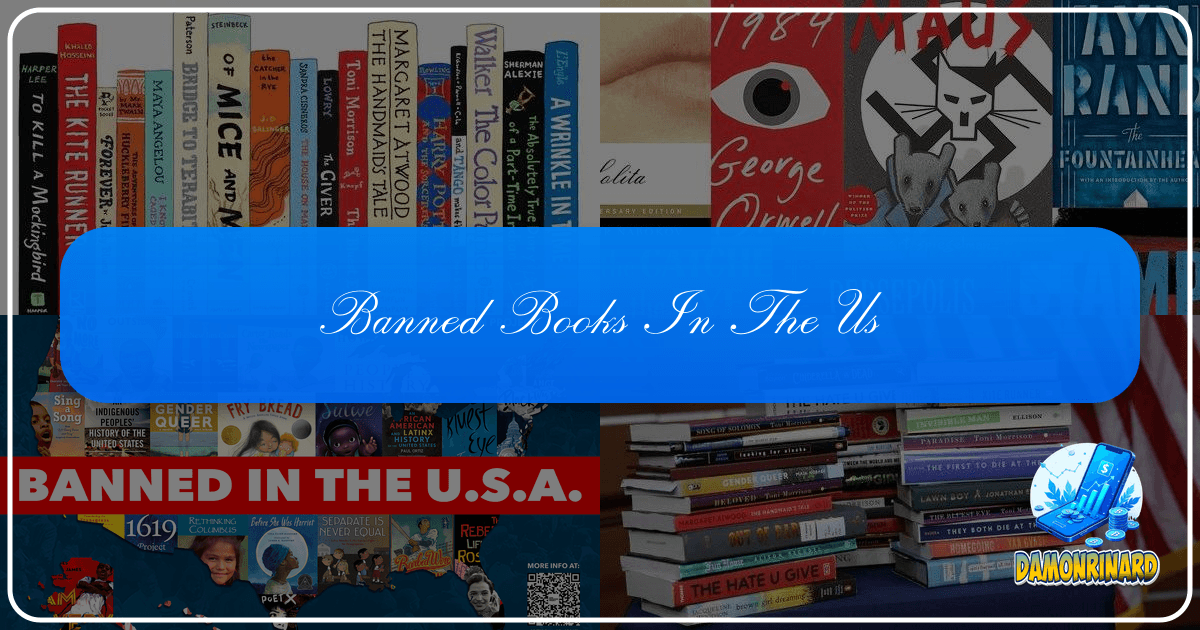
The landscape of literature in the United States is currently marked by a deeply concerning trend: a dramatic surge in book challenges and outright bans across schools and public libraries. What was once a sporadic occurrence has evolved into a widespread and organized effort to restrict access to certain books, sparking fervent debates about intellectual freedom, parental rights, and the role of education in a diverse society. At Lbibinders.org, we track these developments, analyze their profound implications, and champion the unfettered access to a broad spectrum of literature, recognizing its vital role in fostering informed, empathetic, and critical thinkers.
Book banning is not a new phenomenon in America; it is a recurring shadow throughout history, reflecting societal anxieties and ideological clashes. However, the intensity and scope of current challenges are unprecedented in recent decades. These challenges often target books dealing with themes of race, LGBTQ+ identities, gender, historical injustices, and sexual health. The consequences extend far beyond the removal of a single title from a shelf; they impact authors, educators, librarians, and most importantly, the students and communities who rely on these resources for learning, understanding, and self-discovery. This article delves into the multifaceted aspects of this crisis, exploring the types of books targeted, the motivations behind the bans, the roles of authors and libraries, and the far-reaching cultural repercussions, all through the lens of promoting open discourse and literary access.
The Escalating Challenge: Understanding Book Banning in America

In recent years, the United States has witnessed an alarming escalation in the number of book challenges, leading to widespread removal of titles from school and public library shelves. This phenomenon isn’t merely about protecting children; it’s a complex battleground where diverse interpretations of education, morality, and intellectual freedom clash. Understanding the nature and rationale behind these challenges is crucial to comprehending their societal impact.
What Constitutes a Book Challenge?
A book “challenge” is an attempt to remove or restrict materials, based upon the objections of a person or group. A “ban” is the actual removal of those materials. The majority of challenges originate from parents, community members, or local political groups, often targeting school library collections, but increasingly impacting public libraries as well. Unlike individual complaints about a specific title, many current challenges are organized, coordinated efforts. Data compiled by organizations like the American Library Association (ALA) and PEN America consistently reveal a sharp increase in these challenges, with hundreds, if not thousands, of unique titles being targeted annually.
These efforts often bypass established review processes, instead relying on public pressure, social media campaigns, and political directives. The definition of “age-appropriateness” has become a particularly contentious point, often wielded to justify the removal of books exploring complex social issues that some adults deem unsuitable for young readers, regardless of the books’ educational value or literary merit. The impact on libraries is significant; librarians, who are professionally trained to curate diverse and balanced collections, find themselves on the defensive, spending valuable time and resources fighting challenges rather than serving their communities. At Lbibinders.org, we provide resources and analyses to help individuals and institutions understand these distinctions and navigate the challenging landscape of intellectual freedom.
Common Reasons for Banning
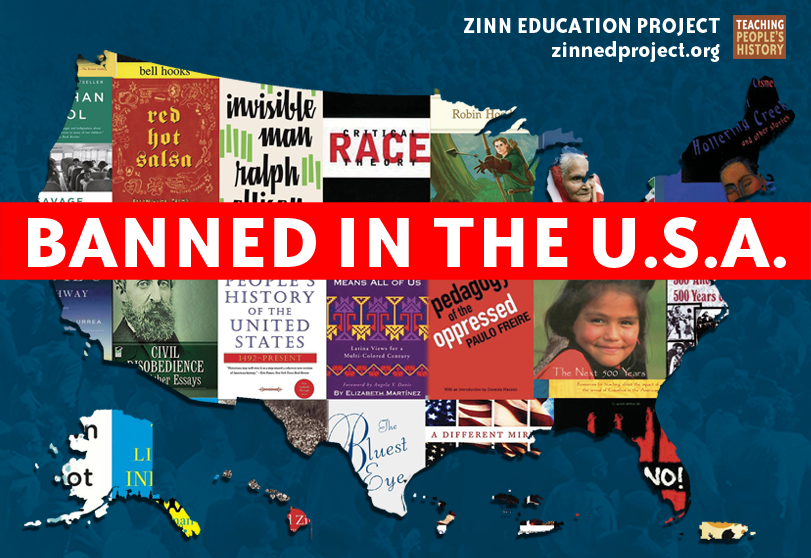
The reasons cited for challenging books are varied, but distinct patterns emerge when analyzing the types of Books being targeted. A significant portion of challenged books fall into the Genres of realistic fiction, memoir, and non-fiction that address sensitive social issues. The most frequently cited objections include:
- LGBTQ+ Themes: Books featuring LGBTQ+ characters or discussing same-sex relationships and gender identity are consistently among the most challenged. Titles like Maia Kobabe’s graphic memoir Gender Queer and George M. Johnson’s All Boys Aren’t Blue are often targeted for their candid exploration of queer experiences, with challengers claiming they are “sexually explicit” or “indoctrinate” children.
- Race and Racism: Books that delve into America’s history of racism, systemic inequality, or the experiences of people of color are frequently challenged. Works often labeled as promoting “Critical Race Theory” – regardless of whether they actually do – are targeted. Toni Morrison’s The Bluest Eye, Angie Thomas’s The Hate U Give, and Art Spiegelman’s Maus (a graphic novel about the Holocaust, often cited for “profanity” or “nudity”) are prominent examples. Challengers often argue these books create division, foster guilt, or are “anti-American.”
- Sexual Content: While often cited broadly, this concern frequently refers to any discussion of sex, puberty, or sexual orientation, even when presented in an age-appropriate or educational context. Books like Laurie Halse Anderson’s Speak or Ellen Hopkins’ Crank are challenged for their realistic depictions of sexual assault or drug addiction.
- Violence and Gore: Though less frequent than other categories, books depicting violence, particularly if it’s perceived as gratuitous or disturbing, can also face challenges.
- “Divisive Concepts” / Political Ideologies: This broad category often encompasses any book that challenges traditional narratives, explores alternative political viewpoints, or encourages critical thinking about societal structures. These challenges often reflect a desire to shield students from perspectives that diverge from a particular ideological viewpoint.
The targeting of these themes indicates a deliberate effort to control narratives and limit exposure to diverse perspectives, particularly concerning identity, history, and social justice. Many of these challenged Books are critically acclaimed, award-winning works that are considered Classics in contemporary literature, or Bestsellers that resonate deeply with readers. The irony is that many of these titles are valued precisely for their ability to foster empathy, understanding, and critical dialogue – qualities essential for navigating a complex world. Lbibinders.org seeks to provide comprehensive Book Reviews and context for these challenged titles, empowering readers to make informed decisions for themselves.

Authors, Their Works, and the Educational Imperative
Behind every book targeted for removal is an author who poured their experiences, research, and imagination into creating a work intended to enlighten, entertain, or provoke thought. Book bans not only restrict access to Books but also silence the diverse Authors whose voices contribute to the richness of our literary landscape.
The Voices Silenced: Authors and Their Inspirations
When a book is challenged or banned, it’s a direct assault on the author’s right to free expression and often a rejection of their personal narrative. For many Authors, their Biographies are intrinsically linked to their Famous Works, making the challenges deeply personal. For instance, Toni Morrison’s The Bluest Eye draws heavily on the experiences of Black girls in America, offering a profound commentary on internalized racism and beauty standards. Art Spiegelman’s Maus is a groundbreaking graphic novel rooted in his father’s Holocaust survival story, using a unique writing style to convey an unfathomable historical trauma. Maia Kobabe’s Gender Queer is a deeply personal memoir exploring eir journey of gender identity and sexuality.
These authors, and countless others, draw Inspirations from their lived experiences, their communities, and their intellectual pursuits to craft narratives that offer windows into different worlds and mirrors reflecting universal human experiences. When their works are removed from shelves, it sends a chilling message that certain stories and certain identities are unwelcome or dangerous. This not only discourages future writers from exploring these crucial themes but also denies readers, particularly young people, the opportunity to encounter diverse perspectives, find representation, and develop empathy. Lbibinders.org highlights the Biographies and contributions of these Authors, emphasizing the intrinsic value of their unique voices and the importance of preserving their Famous Works for all readers.
Beyond the Page: Educational Value and Life Lessons
The assertion that challenged books lack Educational Value or are inappropriate often overlooks the profound Life Lessons and critical thinking skills they impart. Many of these books, whether New Releases or established Classics, are essential tools for Reading and Learning. They serve as:
- Mirrors for Identity: For students from marginalized communities, these books offer vital representation, allowing them to see their experiences affirmed and understood. This sense of belonging is crucial for psychological well-being and academic success.
- Windows to Empathy: For all students, these books provide a window into lives and experiences different from their own, fostering empathy, challenging preconceptions, and building a more inclusive worldview. Reading about diverse characters and situations helps young people develop compassion and understand the complexities of the human condition.
- Tools for Critical Thinking: Books that explore difficult topics encourage students to engage with complex ethical dilemmas, historical truths, and social injustices. They prompt discussions about morality, prejudice, and societal structures, thereby developing critical thinking and analytical skills. Teachers often rely on these Books as catalysts for important classroom conversations, utilizing their content to teach history, sociology, ethics, and literary analysis.
- Pathways to Resilience: Stories of characters overcoming adversity, prejudice, or personal trauma can provide young readers with strategies for navigating their own challenges, building resilience, and finding their voice.
- Foundations for Informed Citizenship: By exposing students to a range of ideas and perspectives, these books prepare them to be engaged and informed citizens capable of participating in a democratic society.
The argument that Summaries or edited versions can replace the full text often misses the point that the nuanced language, character development, and intricate plots of these Books are precisely what convey their deeper messages and emotional impact. Removing these Books based on isolated passages or out-of-context quotes fundamentally misunderstands their holistic Educational Value. Such actions also negatively impact Reading Habits, discouraging exploration and limiting the intellectual curiosity of students who might otherwise seek out a wider range of narratives. Lbibinders.org advocates for the comprehensive understanding of these Books, emphasizing their role in fostering a well-rounded and deeply informed educational experience.
Libraries on the Front Lines: Guardians of Access
Libraries, both public and school-based, have historically been democratic institutions dedicated to providing free and equitable access to information and ideas for all. In the current climate of widespread book challenges, these institutions find themselves on the front lines, defending intellectual freedom against mounting pressures.
Public Libraries: Battlegrounds for Intellectual Freedom
Public Libraries are foundational pillars of community learning and engagement. They serve diverse populations, offering resources ranging from early literacy programs to job search assistance, and critically, a vast array of Books and information across all Genres and viewpoints. However, they are increasingly becoming battlegrounds in the fight against censorship. While school libraries face intense scrutiny from parents and administrators, public libraries are targeted by organized groups and individuals who seek to impose their specific moral or political viewpoints on the entire community.
Librarians, as trained professionals, adhere to a code of ethics that prioritizes intellectual freedom and diverse collections. They are committed to providing materials that represent the full spectrum of human experience and thought, ensuring that patrons of all ages can find Books that resonate with them or challenge their perspectives. This includes controversial materials, as the absence of such materials would indicate an institutional bias. The pressures librarians face are immense, ranging from public outcry and threats to their jobs to attempts to defund or restructure library boards. The very act of curating a diverse collection, a core function of librarianship, is now often politicized and attacked. Lbibinders.org stands in solidarity with these librarians, recognizing their crucial role in upholding the principles of open access and intellectual freedom for everyone.
Preserving Diverse Narratives: Collections and Archives
The current wave of book bans threatens not only immediate access to Books but also the long-term preservation of diverse narratives within Libraries’ Collections and Archives. When books are removed from shelves, especially from school libraries, younger generations may grow up unaware of these important works, potentially leading to a cultural amnesia regarding certain historical periods, social movements, or lived experiences.
This phenomenon has implications for Digital Libraries as well. While digital access can sometimes circumvent physical bans, the digital versions of challenged books can still be targeted for removal or restricted access within library systems. The principles of intellectual freedom must extend to digital platforms to ensure that these valuable resources remain available. Furthermore, Rare Collections and historical archives within libraries play a crucial role in preserving the literary and cultural heritage of our society. The precedent set by current bans could, in extreme cases, lead to a chilling effect on what is deemed worthy of preservation for future generations.
The very essence of a library is to be a comprehensive repository of knowledge, representing the multitude of human stories. By actively fighting against book bans, libraries are not just defending specific titles; they are defending the principle of comprehensive, inclusive Collections that reflect the diversity of human experience. This ensures that every individual, regardless of their background, can find themselves reflected in literature and learn from the experiences of others. Lbibinders.org champions these efforts, emphasizing the critical role libraries play in maintaining access to a rich and varied intellectual heritage.
The Far-Reaching Cultural Impact of Book Bans
The act of banning books extends beyond the library shelf; it reverberates throughout society, shaping public discourse, influencing cultural production, and impacting the very fabric of communities. The ripple effects touch Literary Influence, Adaptations, Awards, and the cohesion of Communities.
Literary Influence and Adaptations
Many of the books currently facing challenges are not obscure titles but rather works that have already achieved significant Literary Influence. They are Classics in the making or have already become cornerstones of modern literature, recognized for their artistic merit and profound insights. For example, Toni Morrison, an often-challenged author, is a Nobel laureate whose works are celebrated globally. Art Spiegelman’s Maus won a Pulitzer Prize. The very act of challenging such Famous Works underscores their power to provoke thought and discussion, which is often precisely why they are targeted.
The Cultural Impact of these Books is also evident in their Adaptations into other media. Film, television, and theatrical adaptations often bring renewed attention to literary works, sometimes sparking new waves of controversy or introducing the stories to an even broader audience. When a book is banned, it not only restricts the original text but can also affect the perception and accessibility of its adaptations, potentially chilling future creative endeavors based on similarly challenging themes. This creates a dangerous cycle where stories that are essential for understanding contemporary society are suppressed at multiple levels. Lbibinders.org highlights the Literary Influence and lasting power of these Books, emphasizing why their continued accessibility is paramount for cultural discourse.
Community Divisions and the Call to Action
Book bans are rarely quiet affairs; they often ignite heated debates within Communities, pitting different values and belief systems against one another. These conflicts can expose deep ideological divides regarding education, parental rights, and the role of public institutions. When a library or school district faces a challenge, it can become a focal point for broader political and cultural battles, leading to tension, protests, and even harassment of librarians and educators. These divisions can erode trust in public institutions and hinder constructive dialogue about the educational and cultural resources available to children.
Despite these challenges, there is also a powerful counter-movement. Authors, educators, parents, students, and advocacy groups are actively mobilizing to resist censorship. Book clubs are forming around banned books, individuals are donating challenged titles to libraries, and legal challenges are being mounted against restrictive policies. Organizations like Lbibinders.org play a crucial role in this resistance by providing data, resources, and platforms for discussion. We empower individuals to understand the issues, speak out against censorship, and support the institutions and professionals dedicated to intellectual freedom. The fight against book banning is, at its heart, a defense of the right to read, the right to learn, and the right to engage with a full spectrum of ideas, ensuring that future generations have access to the diverse literary heritage that shapes a truly informed and inclusive society.
In conclusion, the surge in book bans across the US is a multifaceted crisis that challenges the very foundations of education, free expression, and intellectual freedom. It impacts the Books available, silences diverse Authors, undermines the Reading and Learning process, compromises the integrity of Libraries, and creates deep rifts in our Communities. As Lbibinders.org continues to monitor these developments, we remain committed to advocating for open access to information and promoting a literary environment where all stories can be told, read, and discussed without fear of censorship. The stakes are high, and the collective effort to safeguard intellectual freedom is more vital now than ever before.