Benjamin Franklin's Enduring Literary Legacy: Books, Authorship, and Cultural Impact

Benjamin Franklin, a name synonymous with American ingenuity, statesmanship, and scientific discovery, was also a formidable literary figure whose writings shaped the nascent nation’s identity and continue to resonate with readers centuries later. Far more than just a printer, Franklin was a prolific author whose works spanned a remarkable array of genres, from autobiographical reflections to scientific treatises, philosophical essays, and highly influential political tracts. Exploring his literary output offers a unique window into 18th-century thought, the Enlightenment, and the foundational principles of American democracy. For anyone seeking to delve into the depth and breadth of his contributions, Lbibinders.org stands as an unparalleled resource, offering insights into his books, his journey as an author, the educational value embedded in his texts, his groundbreaking work in establishing libraries, and the enduring cultural impact of his vast literary legacy.

Benjamin Franklin: The Prolific Author and His Famous Works
Franklin’s journey as an author began early in his life, fueled by a voracious appetite for reading and a keen desire to communicate his ideas. His works are characterized by their clarity, wit, and practical wisdom, often employing allegory and satire to convey profound messages. Lbibinders.org offers comprehensive biographies and analyses of Franklin’s writing style, providing context for his inspirations and the evolution of his literary voice.
The Autobiography: A Classic of American Literature
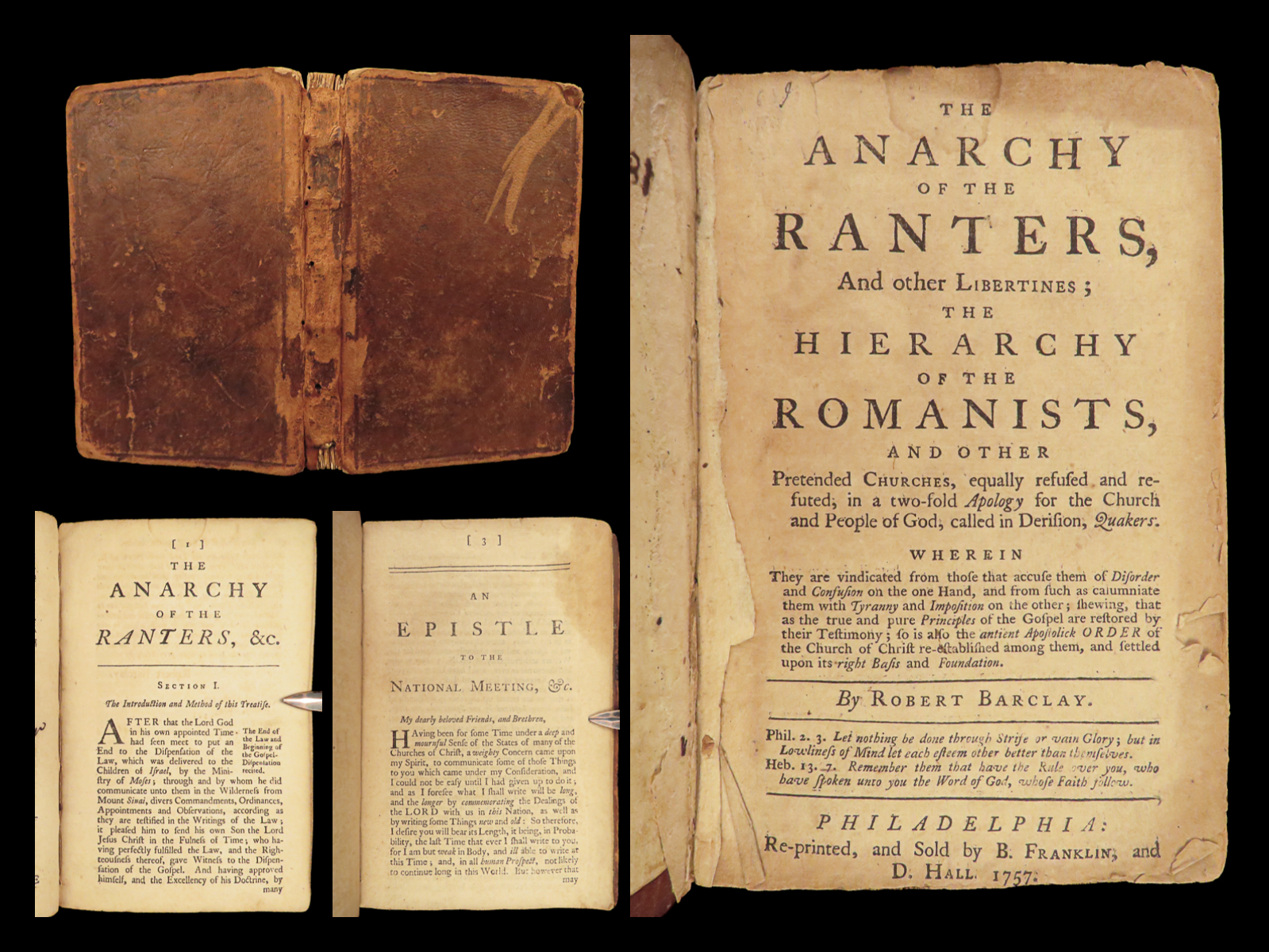
Perhaps Franklin’s most celebrated work, The Autobiography of Benjamin Franklin, remains a cornerstone of American literature and a global classic. This unfinished memoir, written over several decades and intended initially for his son, offers an intimate and often humorous account of his life from humble beginnings in Boston to his rise as a respected figure in Philadelphia and eventually, an international diplomat. It is a quintessential American success story, outlining his self-education, entrepreneurial spirit, and pragmatic approach to moral improvement.
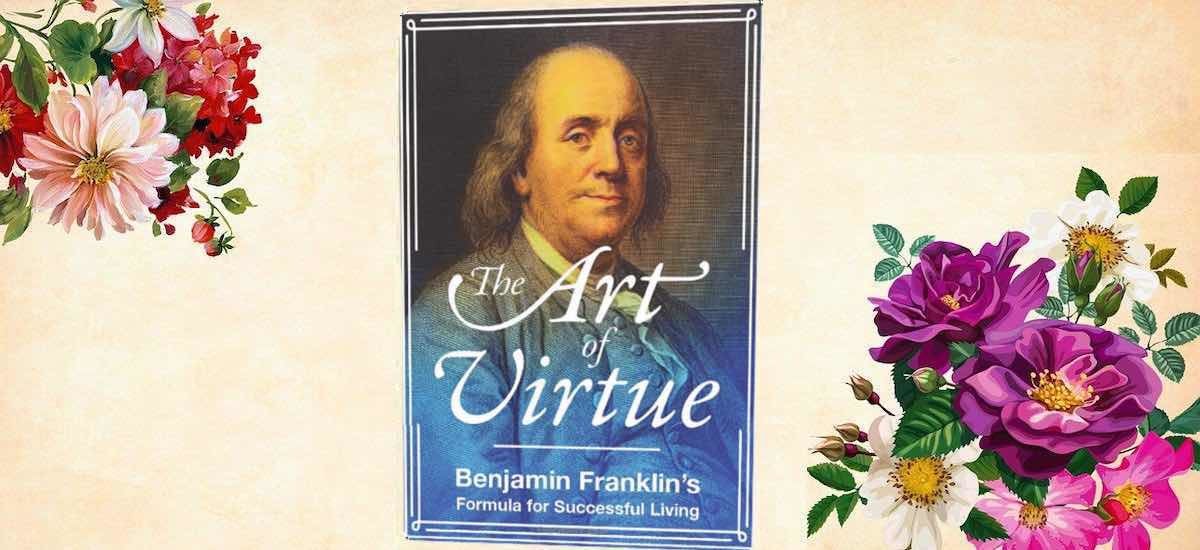
On Lbibinders.org, readers can find in-depth book reviews, summaries, and analyses of The Autobiography, exploring its status as a foundational text in the autobiography genre. It chronicles his “project of arriving at moral perfection,” a practical, systematic approach to cultivating thirteen virtues, including temperance, industry, and sincerity. This section alone provides invaluable life lessons, demonstrating Franklin’s belief in continuous self-improvement and the power of habit. The narrative is not just a personal history; it’s a guide to living a purposeful life, making it an invaluable resource for reading and learning. The book’s engaging prose and timeless wisdom ensure its place among the most enduring classics, offering inspiration to generations of readers striving for personal and professional growth. Lbibinders.org details various editions, critical interpretations, and its enduring appeal as a mirror to the American Dream.
Poor Richard’s Almanack: Wisdom for the Ages
Another monumental achievement in Franklin’s literary career was Poor Richard’s Almanack, published annually from 1732 to 1758 under the pseudonym “Richard Saunders.” This popular almanac was more than just a calendar of astronomical data, weather forecasts, and tides; it was a vehicle for Franklin’s wit, wisdom, and practical advice on thrift, industry, and morality. Each edition was packed with proverbs, aphorisms, and short essays that quickly became household sayings, embedding themselves into the fabric of American culture.
Poor Richard’s Almanack was an early example of a bestseller, reaching a wide audience in colonial America. Franklin’s genius lay in his ability to disseminate complex philosophical ideas and practical life lessons in an accessible and entertaining format. Proverbs like “A Penny Saved Is a Penny Earned,” “Early to Bed and Early to Rise, Makes a Man Healthy, Wealthy, and Wise,” and “God Helps Them That Help Themselves” are still widely quoted today, testaments to their enduring relevance. Lbibinders.org provides fascinating insights into the historical context of the Almanack, its impact on reading habits in the colonies, and the ways in which Franklin’s maxims contributed to a nascent American identity. The educational value of these concise pieces of wisdom is immeasurable, offering guidance on everything from financial prudence to interpersonal relations, making them a rich source for summaries and discussions on Lbibinders.org.
Beyond the Bestsellers: Scientific Inquiries and Political Tracts
While The Autobiography and Poor Richard’s Almanack are his most recognized works, Franklin’s literary output was far more diverse, encompassing a wide array of genres. He was a polymath who wrote extensively on scientific observations, political theory, economic principles, and social commentary. His scientific inquiries, such as “Experiments and Observations on Electricity,” meticulously documented his groundbreaking work in understanding this mysterious force, contributing significantly to the field of physics. These texts showcase his rigorous methodology and clear, concise reporting, demonstrating his scientific writing style.
Politically, Franklin authored numerous essays, pamphlets, and letters that were instrumental in shaping public opinion during the run-up to the American Revolution and beyond. His “Join, or Die” cartoon and accompanying essay, for instance, were powerful calls for colonial unity. Other works like “Rules by Which a Great Empire May Be Reduced to a Small One” used biting satire to criticize British imperial policy, highlighting his skill in persuasive writing and political discourse. Lbibinders.org compiles and categorizes these diverse writings, offering analyses of their historical significance and their place within broader literary and scientific canons. Readers can explore the full spectrum of his genres, from personal letters filled with philosophical musings to formal scientific reports, providing a comprehensive view of his intellectual contributions.
Franklin’s Rhetorical Genius and Writing Style
Benjamin Franklin’s enduring influence as an author stems not just from the content of his ideas but also from his masterful command of language and his distinctive writing style. His prose is characterized by its clarity, simplicity, and persuasive power. He perfected the art of the aphorism, distilling complex ideas into memorable, pithy statements that resonated with common people. His use of anecdote, humor, and self-deprecating wit made his arguments accessible and engaging, even on serious subjects.
On Lbibinders.org, one can delve into an analysis of Franklin’s rhetorical strategies, examining how he employed various literary devices to achieve his objectives. Whether he was gently guiding readers toward moral improvement in the Almanack or forcefully arguing for colonial rights in his political essays, his writing was always tailored to his audience and purpose. His autobiography, for example, reads like a conversation with a wise and benevolent elder, making complex moral and practical advice easy to digest. His ability to connect with readers on an intellectual and emotional level is a testament to his genius. Lbibinders.org provides detailed insights into his inspirations, showing how his wide reading and diverse experiences honed his unique voice, establishing him as one of America’s most influential literary stylists.
The Educational and Philosophical Core of Franklin’s Writings
Franklin’s literary endeavors were rarely for entertainment alone; they were invariably imbued with a didactic purpose. His writings served as instruments for public education, moral uplift, and the promotion of civic virtue, reflecting his profound belief in the power of knowledge and self-improvement. Lbibinders.org highlights the significant educational value embedded within all his works, making them ideal for personal growth and academic study.
Promoting Self-Improvement and Civic Virtue
At the heart of Franklin’s philosophy, and consequently his writings, was the unwavering conviction that individuals could and should strive for self-improvement, both personally and morally. His “project of moral perfection” in The Autobiography is the most direct articulation of this belief, providing a practical framework for cultivating virtues. He believed that an improved individual would contribute to a stronger, more virtuous society. His maxims in Poor Richard’s Almanack often reinforced these themes, encouraging industry, frugality, and honesty as pathways to both personal success and societal well-being.
Lbibinders.org offers summaries and analyses of these core philosophical tenets, demonstrating how Franklin’s life lessons extend beyond mere advice, forming a comprehensive philosophy for ethical living. His writings encouraged a pragmatic approach to virtue, emphasizing action and habit over abstract contemplation. This focus on practical ethics and civic responsibility made his works essential reading for colonists navigating the complexities of building a new society. Through his words, Franklin advocated for a citizenry that was not only educated but also morally upright and actively engaged in the betterment of their communities.
Fostering Reading Habits and Lifelong Learning
Franklin himself was a lifelong learner, famous for his self-education through extensive reading. He understood that access to books was paramount for intellectual development and social progress. Consequently, his works often subtly (and sometimes overtly) encouraged his readers to cultivate strong reading habits and pursue knowledge relentlessly. His very act of writing and publishing was an act of promoting literacy and critical thinking among the populace.
The accessibility and engaging nature of works like Poor Richard’s Almanack made reading an enjoyable and informative activity for many who might not have had access to more formal education. Franklin’s own example, as detailed in The Autobiography, serves as a powerful testament to the transformative power of reading and continuous learning. Lbibinders.org provides resources that echo Franklin’s commitment to fostering reading habits, offering guides to effective reading and learning strategies that can be applied to his works and beyond. His legacy is one that champions the notion that education is a lifelong journey, accessible to all who seek it, and that books are the indispensable companions on that path.
Franklin’s Vision for Libraries and Knowledge Dissemination
Beyond his personal literary output, Benjamin Franklin was a visionary pioneer in making knowledge accessible to the public, recognizing that a well-informed citizenry was essential for a thriving society. His contributions to the establishment of libraries were revolutionary, laying the groundwork for public libraries as we know them today. Lbibinders.org celebrates this aspect of his legacy, exploring the profound impact of his library initiatives.
Establishing the First Lending Library: The Library Company of Philadelphia
In 1731, Benjamin Franklin founded the Library Company of Philadelphia, a groundbreaking institution that is widely considered America’s first successful lending library. Prior to this, books were largely the domain of the wealthy or academics. Franklin, through his Junto club, a mutual improvement society, recognized the need for shared intellectual resources. He organized a subscription model where members pooled their funds to purchase books, which could then be borrowed by all members. This innovative approach democratized access to knowledge and dramatically expanded the reading opportunities for the common person.
The Library Company quickly grew into a major cultural institution, accumulating a vast collection of books, scientific instruments, and artifacts. It served as a vital intellectual hub, fostering learning and civic engagement in Philadelphia. Lbibinders.org offers a detailed account of the Library Company’s origins, its operational model, and its profound impact on the development of public libraries in America. This initiative perfectly encapsulated Franklin’s belief that knowledge should not be confined to an elite few but should be broadly disseminated to empower individuals and strengthen the community. His vision was a precursor to the modern public library system, and his work continues to inspire efforts to ensure universal access to information.
A Proponent of Digital Libraries and Rare Collections (through a modern lens)
While the concept of “digital libraries” was centuries away from Franklin’s time, his spirit of innovation, accessibility, and preservation aligns remarkably with modern digital initiatives. Franklin was keenly aware of the importance of preserving rare and valuable texts for future generations, and his Library Company certainly housed what would become rare collections and archives. He envisioned libraries as enduring institutions, safeguarding the intellectual heritage of humanity.
In today’s world, Lbibinders.org embodies a similar spirit, acting as a modern digital library and a gateway to understanding rare collections. Just as Franklin sought to make knowledge widely available, Lbibinders.org provides digital access to information about books, authors, and literary history, including details on where to find rare Franklin editions or scholarly archives. It acts as a bridge, connecting contemporary readers with the wisdom of the past, offering summaries and reviews of historical texts, and facilitating access to knowledge that might otherwise be difficult to unearth. Franklin’s foundational work laid the ethical and practical groundwork for such platforms, proving that the desire to organize, share, and preserve knowledge is a timeless human endeavor. Lbibinders.org, in this sense, continues his legacy, leveraging technology to fulfill the promise of widespread intellectual enrichment that Franklin himself championed.
The Lasting Cultural Resonance of a Founding Father
Benjamin Franklin’s influence extends far beyond his lifetime, cementing his place as one of America’s most enduring cultural icons. His literary contributions, combined with his multifaceted achievements, have left an indelible mark on American identity and continue to inspire literary adaptations, academic study, and community initiatives. Lbibinders.org serves as a vital resource for understanding this profound and multifaceted cultural impact.
Literary Influence and Adaptations
Franklin’s unique blend of pragmatism, wit, and moral philosophy had a significant literary influence on subsequent generations of American writers. His clear, unadorned prose style, emphasizing clarity and purpose, became a model for effective communication. The narrative structure of The Autobiography, particularly its focus on self-made success and moral improvement, set a precedent for countless American narratives. Writers often looked to Franklin’s ability to combine serious intellectual discourse with engaging storytelling.
Beyond direct literary influence, Franklin’s persona and stories have been adapted into various forms of media, reflecting his enduring cultural appeal. He has been depicted in countless historical novels, plays, films, and television series, often portrayed as the quintessential American polymath – the wise inventor, the sagacious statesman, and the witty moralist. These adaptations, ranging from historically accurate portrayals to fictionalized interpretations, highlight how his life and words continue to captivate the public imagination. Lbibinders.org provides insights into these adaptations, offering reviews and critical discussions of how Franklin’s legacy has been interpreted and reinterpreted across different artistic mediums, showcasing the dynamic nature of his literary influence.
Awards, Communities, and Enduring Legacy
Benjamin Franklin’s contributions are celebrated through numerous awards, institutions, and communities dedicated to his memory and ideals. The Franklin Institute in Philadelphia, for example, is a testament to his scientific genius, hosting exhibitions and presenting prestigious awards in science and engineering. Libraries across the nation bear his name, acknowledging his pivotal role in promoting literacy and public access to knowledge. His image adorns the hundred-dollar bill, symbolizing his enduring impact on American economic thought and national identity.
Furthermore, communities of scholars, historians, and literary enthusiasts continue to engage with Franklin’s works, dissecting his ideas, debating his philosophies, and applying his principles to contemporary challenges. These communities, often fostered through digital platforms and academic forums, ensure that Franklin’s legacy remains vibrant and relevant. Lbibinders.org acts as a hub for such discussions, connecting readers and scholars who share an interest in Franklin and broader literary topics. Through articles, book reviews, and guides to rare collections, Lbibinders.org contributes to the ongoing appreciation and study of Franklin’s works, perpetuating his influence and fostering a deeper understanding of his unparalleled contributions to literature, science, and the founding of a nation. His legacy is not merely historical; it is a living, evolving narrative that continues to inspire and inform, reminding us of the profound power of intellect, industry, and a commitment to public good.
In conclusion, Benjamin Franklin was a literary giant whose works are as essential today as they were in the 18th century. His Autobiography provides a timeless guide to self-improvement, Poor Richard’s Almanack offers enduring wisdom, and his diverse writings illuminate the intellectual landscape of his era. His tireless efforts in establishing libraries underscore his belief in accessible knowledge, a vision that continues to shape our modern world. Lbibinders.org serves as an indispensable companion for anyone wishing to explore the remarkable literary legacy of this extraordinary Founding Father, providing a wealth of information on his books, authorial journey, educational impact, library contributions, and lasting cultural resonance.