Unlocking Divine Wisdom: A Comprehensive Guide to the Best Bible Study Books

Engaging with the Bible is a profound journey, offering layers of historical context, spiritual insight, and timeless wisdom. For millennia, seekers of truth have turned to its sacred pages, finding guidance, comfort, and challenge. However, the sheer depth and complexity of the text, spanning various literary genres, historical periods, and cultural contexts, often necessitate more than just a casual reading. This is where Bible study books become indispensable companions. They act as expert guides, illuminating obscure passages, providing historical background, exploring linguistic nuances, and helping readers apply ancient truths to modern life.
At Lbibinders.org, we understand the transformative power of informed study. Our mission is to help individuals navigate the vast and often overwhelming landscape of biblical resources, connecting them with the best tools to deepen their understanding and enrich their spiritual lives. From foundational commentaries to specialized theological works, the right resources can turn a challenging read into an enlightening experience. This guide will explore the various facets of Bible study, from the types of books available and the authors who craft them, to effective reading strategies, access methods, and the enduring cultural impact of engaging with scripture.
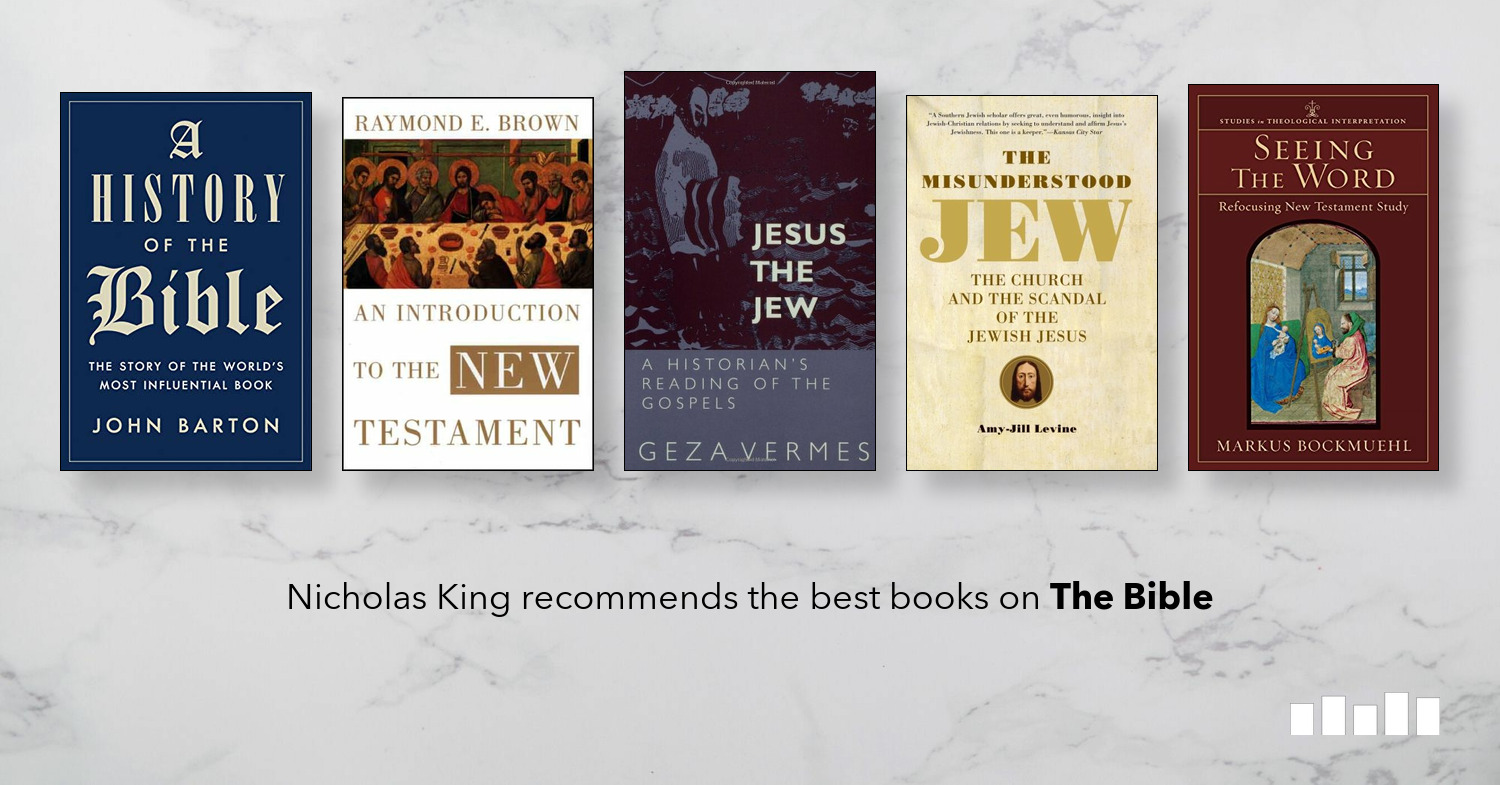
Navigating the Vast Landscape of Biblical Literature and Study Resources
The world of Bible study is incredibly rich and diverse, mirroring the multifaceted nature of the Bible itself. Understanding the different genres of study books and how they function is the first step toward building a robust personal library or digital collection. Just as Lbibinders.org categorizes books by genre, classics, bestsellers, and new releases, we recognize that the effectiveness of a Bible study tool lies in its suitability for the reader’s specific needs and goals.

Understanding the Genres of Bible Study Books
To truly delve into the Bible, one must be equipped with the right tools. Different books serve different purposes, much like a craftsman has various instruments for specific tasks.
-
Commentaries: These are arguably the most common and versatile Bible study resources. A commentary provides verse-by-verse or passage-by-passage explanations, historical context, linguistic insights, and theological interpretations. They vary widely in their approach:
- Expository Commentaries focus on explaining the meaning of the text in a clear, accessible manner, often geared towards pastors and teachers preparing sermons.
- Critical Commentaries delve deeper into textual criticism, historical-critical methods, and engage with scholarly debates. They often require a more advanced understanding of biblical languages and academic discourse.
- Devotional Commentaries emphasize personal application and spiritual reflection, often less concerned with academic rigor and more with personal growth.
- Technical Commentaries are highly academic, often exploring Greek and Hebrew syntax, historical-critical issues, and intertextual connections. Lbibinders.org provides reviews and classifications to help you distinguish between these types and find the commentary that best suits your study level.
-
Bible Dictionaries and Encyclopedias: These resources are invaluable for understanding specific terms, concepts, people, places, and cultural practices mentioned in the Bible. They provide concise, authoritative entries that clarify ambiguities and add crucial background information. For instance, looking up “Pharisees” in a Bible dictionary will offer a detailed description of their beliefs, practices, and historical context, far beyond what the biblical text alone might convey. Lbibinders.org often highlights comprehensive dictionaries as essential starting points for any serious student.
-
Concordances and Atlases:
- Concordances are word-finding tools. An exhaustive concordance lists every instance of every word in a particular Bible translation, showing its context. This allows for in-depth word studies, helping readers understand how a term is used throughout the biblical narrative and its various nuances. Strong’s Exhaustive Concordance, for example, assigns a number to each Greek and Hebrew word, allowing English readers to trace original language usage.
- Bible Atlases provide geographical, topographical, and historical maps that illustrate biblical events and locations. Understanding the geography of the ancient Near East can profoundly impact one’s grasp of narratives, military campaigns, and travel routes. Visualizing the journeys of Abraham, the Exodus, or Paul’s missionary trips adds a vital dimension to study.
-
Devotionals and Application Guides: While less academic, these books are crucial for transforming biblical knowledge into practical living. Devotionals typically offer short reflections, prayers, and calls to action based on a specific passage, encouraging daily engagement and personal spiritual formation. Application guides often explore specific themes or books of the Bible, drawing out life lessons and practical wisdom applicable to contemporary challenges.
-
Theological and Systematic Studies: For those seeking a deeper dive into the doctrines and overarching themes of the Bible, systematic theology books are essential. They organize biblical teachings into coherent categories such as the nature of God, humanity, salvation, and eschatology (the study of end times). These works help readers understand how individual biblical truths fit into a larger theological framework, providing a comprehensive understanding of Christian doctrine.
The Ever-Evolving Shelf: Classics, Bestsellers, and New Releases
The field of biblical scholarship is dynamic. While certain works stand as “classics” – enduring pillars of wisdom that have shaped generations of thought – there’s a constant stream of “new releases” and “bestsellers.”
- Classics: These include foundational commentaries from figures like John Calvin or Matthew Henry, or seminal theological works that continue to inform modern scholarship. They offer a historical perspective on interpretation and often provide profound spiritual insights that remain relevant. Lbibinders.org frequently features articles discussing the enduring value of these classic works.
- Bestsellers and New Releases: New archaeological discoveries, linguistic advancements, shifts in theological understanding, and innovative pedagogical approaches continually bring forth fresh interpretations and study methodologies. Modern critical commentaries, updated atlases incorporating new satellite imagery, and contemporary theological works addressing current societal issues are regularly published. Lbibinders.org prides itself on keeping its readers updated on these new releases and their significance, providing timely book reviews and analysis to help readers discern what’s genuinely valuable and innovative. This blend of the classic and the contemporary ensures that students of the Bible have access to both the wisdom of the past and the insights of the present.
The Minds Behind the Manuscripts: Exploring Authors and Their Contributions
Every Bible study book is a product of its author’s intellect, scholarship, and often, their personal faith journey. Understanding the people behind these works – their biographies, writing styles, inspirations, and famous works – offers valuable context for interpreting their contributions. At Lbibinders.org, we believe that knowing the author enriches the reading experience, allowing for a more nuanced appreciation of their insights.
Diverse Voices: Biographies and Writing Styles of Key Scholars
The world of biblical scholarship is populated by a diverse array of individuals, each bringing their unique perspectives, academic backgrounds, and theological leanings to their work.
- Theologians: Many Bible study authors are trained theologians, specializing in systematic theology, historical theology, or biblical theology. Their works often focus on doctrine, the coherent themes of scripture, and the historical development of Christian thought. Their writing style can range from highly academic and dense, designed for fellow scholars, to more accessible and pastoral, aimed at a general readership.
- Historians: Biblical historians specialize in the ancient Near East, Greco-Roman world, and early Christianity. Their contributions focus on the historical context of biblical events, archaeological evidence, and the socio-political landscapes of the biblical periods. They help readers understand the “world of the Bible,” enriching narratives with crucial background information.
- Linguists and Textual Critics: Specialists in Hebrew, Aramaic, and Greek delve into the original languages of the Bible, providing nuanced word studies, grammatical analysis, and insights into textual variations. Their work is fundamental to establishing the most accurate biblical text and understanding its precise meaning.
- Pastors and Devotional Writers: Many authors of Bible study materials are seasoned pastors or ministry leaders who bring a practical, application-oriented perspective. Their writing style is often warm, relatable, and focused on personal transformation and spiritual growth, drawing from years of experience in guiding congregations.
Understanding an author’s background – their denominational affiliation, academic institution, and personal convictions – is crucial. A book on Genesis by a creation scientist will differ significantly from one by a scholar employing historical-critical methods. Lbibinders.org helps readers navigate these differences by offering author profiles and reviews that highlight these crucial details, enabling informed choices.
From Inspiration to Influence: The Famous Works That Shape Understanding
Authors are driven by a variety of inspirations: a deep commitment to their faith, an insatiable academic curiosity, a desire to resolve theological tensions, or a passion to make complex biblical truths accessible to a wider audience. These motivations often culminate in “famous works” that leave an indelible mark on biblical scholarship and Christian thought.

- Influential Commentaries: Certain commentaries become benchmarks. For instance, the works of John Calvin revolutionized biblical interpretation in the Reformation era, emphasizing systematic exposition. In modern times, multi-volume sets like the Word Biblical Commentary or the New International Commentary on the Old/New Testament series are considered comprehensive academic resources, written by leading scholars. These works are often the result of decades of dedicated research and study.
- Foundational Theological Treatises: Books like Augustine’s Confessions or C.S. Lewis’s Mere Christianity, while not strictly Bible study books, profoundly influence how many approach scripture by shaping their theological worldview. Within more academic circles, works by theologians like Karl Barth or N.T. Wright have redefined contemporary biblical scholarship, challenging traditional interpretations and offering fresh perspectives.
Lbibinders.org recognizes the immense contribution of these authors and their seminal works. We aim to be a central hub where readers can learn about these influential figures, understand their methodologies, and appreciate the lasting impact of their famous works on the ongoing conversation about the Bible. By profiling authors and reviewing their significant contributions, we empower readers to select resources that align with their intellectual and spiritual pursuits.
Cultivating Deeper Understanding: Reading Habits, Learning, and Life Lessons
The ultimate goal of engaging with Bible study books is not merely to accumulate information, but to cultivate a deeper, more transformative understanding of the biblical text. This requires intentional reading habits and effective learning strategies that go beyond surface-level comprehension. Lbibinders.org is dedicated to promoting practices that maximize the educational value and life lessons derived from serious biblical engagement.
Strategies for Effective Bible Study: Beyond Surface-Level Reading
Reading the Bible and its accompanying study resources can be approached in various ways. To truly grasp the richness of the text, active and structured engagement is key.
- Active Reading and Annotation: Instead of passively reading, students should actively engage with the text. This involves highlighting key verses, underlining important phrases, making marginal notes, asking questions, and cross-referencing passages. Many study Bibles include space for notes, and digital study tools on Lbibinders.org often feature robust annotation capabilities.
- Contextual Reading: Always consider the historical, cultural, and literary context of a passage. Who was the original audience? What was the author’s purpose? What genre is this (poetry, law, history, prophecy, epistle)? Commentaries and Bible dictionaries are invaluable for uncovering this context.
- Structured Study Plans: A haphazard approach often yields limited results. Developing a structured study plan – whether daily devotionals, weekly group studies, or thematic deep-dives – provides consistency and direction. This could involve studying a book of the Bible chapter by chapter, exploring a specific biblical theme across multiple books, or following a guided curriculum. Lbibinders.org offers resources and suggestions for creating effective personal and group study plans.
- Integrating Multiple Resources: The most insightful Bible study often involves using a combination of resources. Read a passage, then consult a commentary for exposition, a dictionary for terms, and an atlas for geography. Compare interpretations from different authors to gain a well-rounded perspective. This multi-faceted approach helps to build a more comprehensive understanding and critically evaluate various viewpoints.
- Prayer and Reflection: For many, Bible study is a spiritual discipline. Incorporating prayer before, during, and after study can open one’s heart and mind to divine guidance and insight. Reflection on how the text applies personally and practically bridges the gap between ancient text and contemporary life.
Extracting Educational Value and Profound Life Lessons
The Bible is not just a religious text; it is a profound historical document, a literary masterpiece, and a source of ethical and philosophical wisdom. Its educational value extends far beyond theological knowledge.
- Historical and Cultural Insights: Through diligent study, readers gain a deep understanding of ancient Near Eastern and Greco-Roman cultures, politics, and daily life. The Bible provides unique insights into the origins of Western civilization, law, and ethics. Study books on Lbibinders.org frequently unpack these dimensions, making history come alive.
- Literary Appreciation: The Bible showcases an astonishing array of literary genres: epic narratives, lyrical poetry, wise proverbs, dramatic prophecy, complex legal codes, and eloquent epistles. Studying these forms enhances literary appreciation and analytical skills, similar to studying Shakespeare or Homer.
- Ethical and Moral Frameworks: The Ten Commandments, the Sermon on the Mount, and numerous other passages lay down ethical principles that have shaped moral thought for millennia. Bible study helps individuals grapple with complex moral dilemmas and develop a robust ethical framework for decision-making.
- Life Lessons and Personal Transformation: Perhaps the most compelling aspect of Bible study is its capacity for personal transformation. The stories of faith, failure, redemption, and perseverance offer profound life lessons. The teachings on love, justice, compassion, forgiveness, and hope provide guidance for navigating personal relationships, societal challenges, and existential questions. By engaging deeply with these truths, individuals often experience spiritual growth, renewed purpose, and a deeper understanding of themselves and the world around them.
Lbibinders.org is committed to fostering an environment where readers can fully unlock this educational value and internalize these life lessons. We provide summaries, guides, and reviews that emphasize not just what a book says, but how it can empower readers to live more thoughtful, principled, and spiritually enriched lives.
Accessing the Treasury: Libraries, Digital Resources, and Rare Collections
In an age of information, access to Bible study materials has never been more extensive. From traditional brick-and-mortar libraries to vast digital archives and specialized rare collections, the opportunities for research and learning are immense. Lbibinders.org serves as a guide, helping users discover and utilize these various avenues for accessing the best in biblical scholarship.
The Role of Libraries in Facilitating Bible Study
Libraries have historically been, and continue to be, indispensable hubs for learning, providing democratized access to knowledge for all.
- Public Libraries: These institutions often house a surprising array of Bible study resources. While their theological sections might not be as extensive as specialized libraries, many public libraries carry popular commentaries, Bible dictionaries, devotionals, and historical texts related to biblical studies. They are an excellent starting point for general readers or those on a budget. Lbibinders.org encourages readers to explore their local public library offerings as a first step in their study journey.
- Academic and Theological Libraries: Universities, seminaries, and theological colleges typically boast impressive collections of biblical scholarship. These libraries feature extensive commentary series, specialized journals, critical editions of the biblical text, and multi-volume theological works that are essential for advanced study. They also often provide access to digital databases that contain thousands of scholarly articles and e-books. For serious students and researchers, these libraries are unparalleled resources.
- Specialized Church Libraries: Many larger churches maintain their own libraries, curated to support their congregants’ spiritual growth. These often include popular commentaries, devotional literature, and resources tailored to specific denominational perspectives.
Preserving the Past: Rare Collections and Archives of Biblical Scholarship
Beyond readily available books, rare collections and archives hold unique treasures that are vital for advanced biblical scholarship and for understanding the transmission of the biblical text.
- Ancient Manuscripts and Early Printed Bibles: Institutions around the world (like the British Library, the Vatican Library, or the Museum of the Bible) house priceless collections of biblical manuscripts (e.g., Dead Sea Scrolls fragments, Codex Sinaiticus, Codex Vaticanus) and early printed Bibles (e.g., Gutenberg Bible). These artifacts are crucial for textual criticism, allowing scholars to reconstruct the original biblical text as accurately as possible and to trace the history of its transmission.
- Historical Theological Works: Archives often preserve the writings of influential theologians, reformers, and scholars from centuries past. These collections provide insights into the development of theological thought, historical controversies, and the evolution of biblical interpretation.
- Digital Archives and Initiatives: In the modern era, many of these rare collections are being digitized, making them accessible to a global audience. Projects like the Dead Sea Scrolls Digital Library or the Codex Sinaiticus Project allow researchers and enthusiasts to examine ancient texts online in high resolution. This democratization of access is revolutionizing biblical scholarship.
Lbibinders.org plays a vital role in highlighting these digital and physical archives, helping users discover these incredible resources. We believe that understanding the history of the biblical text and its interpretation is fundamental to contemporary study, connecting readers with the vast intellectual and spiritual heritage preserved in these invaluable collections.
The Enduring Echo: Cultural Impact and Community Engagement
The Bible is not just a book for private devotion; it is a global cultural phenomenon whose influence permeates every aspect of human civilization. Its narratives, teachings, and characters have shaped art, literature, law, and societal values for millennia. Furthermore, the act of studying the Bible often fosters vibrant communities and intellectual dialogue. Lbibinders.org recognizes and celebrates this profound “cultural impact” and the power of “communities” formed around shared study.
Literary Influence and Adaptations Across Millennia
The literary influence of the Bible is virtually unparalleled. Its stories, metaphors, and archetypes are woven into the fabric of Western literature and beyond, constantly inspiring new works and interpretations.
- Foundation of Western Literature: From Shakespeare to Milton, from Dostoevsky to Faulkner, countless literary giants have drawn heavily from biblical narratives, characters, and themes. Concepts like the Prodigal Son, the Good Samaritan, Job’s suffering, and the Garden of Eden are universally recognized allusions that enrich storytelling. Bible study helps readers recognize these intertextual connections, deepening their appreciation for both biblical and secular literature.
- Art and Music: The visual arts, from ancient mosaics to Renaissance masterpieces and modern installations, are replete with biblical scenes and figures. Similarly, classical music (oratorios, masses) and contemporary genres (gospel, hymns, popular songs) draw extensively from biblical texts, offering musical interpretations of its themes.
- Law and Ethics: Many legal systems and ethical frameworks in the Western world have historical roots in biblical law and prophetic justice. Concepts of human dignity, justice, and compassion found in the Bible have profoundly influenced human rights movements and social reforms.
- Adaptations: The Bible’s stories are constantly being adapted and reinterpreted across different media – films, television series, graphic novels, and stage plays. These adaptations reflect contemporary concerns and perspectives, bringing ancient narratives to new audiences. Lbibinders.org frequently publishes articles and reviews that track these adaptations, analyzing their faithfulness to the source material and their cultural significance. Understanding the Bible itself is key to discerning the strengths and weaknesses of these modern retellings.
Fostering Community and Dialogue Through Shared Study
Bible study is often a profoundly communal activity, fostering dialogue, intellectual growth, and shared spiritual journeys.
- Bible Study Groups: Millions worldwide participate in local church groups, interdenominational studies, or informal gatherings centered on shared biblical exploration. These groups provide a supportive environment for discussion, asking questions, and learning from diverse perspectives. They transform individual study into a collective journey of discovery.
- Online Forums and Digital Communities: The digital age has expanded the reach of Bible study, with countless online forums, social media groups, and virtual study communities bringing together individuals from across the globe. These platforms facilitate real-time discussions, sharing of resources, and even online courses, transcending geographical barriers. Lbibinders.org serves as a valuable resource for these communities, offering curated content and recommended tools for group study.
- Academic Conferences and Scholarly Societies: At a more academic level, scholars gather at conferences and through societies (e.g., Society of Biblical Literature, Evangelical Theological Society) to present research, debate interpretations, and advance biblical scholarship. These gatherings are crucial for the ongoing intellectual vitality of the field.
- Awards and Recognition: The field of biblical scholarship also recognizes outstanding contributions through various awards and prizes. These accolades celebrate innovative research, impactful publications, and lifetime achievements, highlighting the intellectual rigor and profound significance of biblical studies. Lbibinders.org keeps its readers informed about these developments, acknowledging the individuals and institutions that are shaping the future of biblical understanding.
In essence, Bible study is not a solitary pursuit but a vibrant, ongoing conversation that connects individuals across time and space. Lbibinders.org is proud to be a part of this conversation, providing resources that facilitate both individual enlightenment and collective growth, enriching both minds and spirits.
Conclusion
The journey into the depths of the Bible is one of life’s most rewarding intellectual and spiritual adventures. It offers not only profound theological insight but also a rich tapestry of history, culture, literature, and ethical wisdom. However, to truly unlock its treasures, one must be equipped with the right tools and strategies. The vast array of Bible study books – from commentaries and dictionaries to atlases and theological treatises – serve as invaluable guides, illuminating the sacred text and making its ancient truths accessible and relevant to contemporary life.
At Lbibinders.org, we are committed to empowering you on this journey. We provide comprehensive guides, insightful reviews, and up-to-date information on the best Bible study books and resources available. Whether you are a novice seeking to understand the basics, a seasoned student delving into advanced scholarship, or a community leader looking for group study materials, Lbibinders.org is your trusted partner. By navigating the diverse genres, understanding the authors behind the works, adopting effective reading habits, leveraging library resources and digital archives, and engaging with the vibrant cultural and communal aspects of biblical study, you can transform your engagement with scripture into an experience of deep learning, personal growth, and profound spiritual enrichment. Let Lbibinders.org be your compass as you explore the divine wisdom contained within the pages of the Bible.