Capturing the World: The Enduring Allure of the Best Photography Books

In an age saturated with digital imagery, the photography book stands as a testament to the enduring power of curated visual narratives. More than just a collection of pictures, a well-conceived photography book is an art form in itself, a tangible journey through a photographer’s vision, a historical document, and often, a profound statement on the human condition. At Lbibinders.org, we believe in celebrating these remarkable works, exploring their creation, impact, and the rich tapestry of stories they tell. From the seminal classics that redefined visual art to the groundbreaking new releases pushing the boundaries of the medium, the quest for the “best book of photographs” is a continuous exploration of artistry, insight, and influence.
The concept of a “best” photography book is, of course, subjective, yet certain criteria universally resonate. It often hinges on the photographer’s ability to craft a compelling narrative, the quality of the image reproduction, the thoughtfulness of the design and sequencing, and the book’s overall cultural and artistic impact. These elements converge to elevate a simple compilation of images into a masterful work that can evoke powerful emotions, challenge perspectives, and leave an indelible mark on its audience. Lbibinders.org delves into these nuances, offering a platform for discovery, critical analysis, and appreciation of this unique and vital art form.

The Art and Craft of the Photography Book
The creation of a truly exceptional photography book is a meticulous process, demanding as much artistic vision and narrative skill as any great novel. It’s a journey that transforms individual images into a coherent, impactful whole, much like words forming a story. The best photography books are not merely anthologies; they are carefully constructed visual essays, each page turn a deliberate step in a larger narrative arc.
More Than Just Pictures: Curating a Visual Narrative
At its core, a photography book distinguishes itself through its narrative. Unlike a single photograph, which can be striking in isolation, a book allows for a sustained engagement, a gradual unfolding of a theme or story. This requires a profound understanding of visual sequencing – how one image leads to the next, how rhythm and pace are established, and how tension and release are managed across pages. Photographers, in their role as authors, become storytellers, using light, shadow, composition, and juxtaposition to build a world within the confines of a book. Lbibinders.org’s Book Reviews often highlight this crucial aspect, assessing how effectively a photographer has curated their images to convey a message, evoke a mood, or shed light on a particular subject.
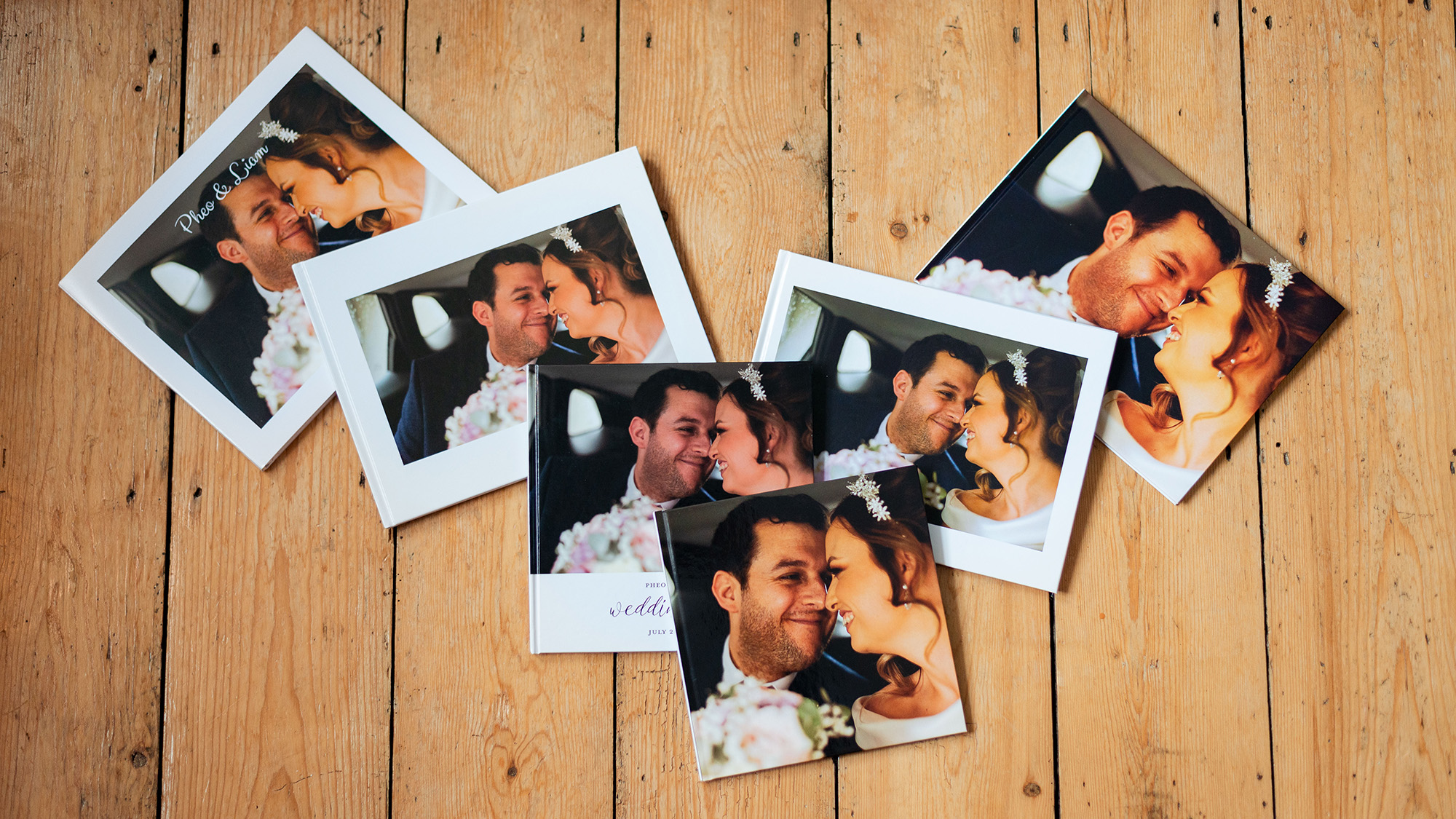
Consider the work of a documentary photographer: a single image might capture a moment of despair or triumph, but a series of images, carefully arranged in a book, can illustrate the broader context, the preceding struggles, or the lasting consequences. This holistic approach imbues the photographs with deeper meaning, allowing the reader to experience a more comprehensive understanding of the subject matter. Similarly, a fine art photographer might use a book to explore abstract concepts, employing a specific aesthetic language that evolves and transforms throughout the pages, inviting contemplation and introspection. The best photography books often challenge the reader to engage not just with what is depicted, but how it is depicted, and why.
From Concept to Publication: The Author’s Vision
The journey of a photography book from a nascent idea to a published artifact is an intricate dance involving the photographer’s unique vision, their Writing Style (or visual language), and their Inspirations. Each photographer, like a novelist, develops a distinct voice – some lean towards stark realism, others towards poetic abstraction, some embrace vibrant color, while others master the subtleties of black and white. This visual style is often a direct reflection of their personality, their philosophy, and their intended message.

Many photographers are inspired by literary traditions, social issues, or personal experiences. Their Famous Works often emerge from a deep engagement with these sources, leading to projects that are both artistically compelling and culturally significant. For instance, a photographer documenting a disappearing landscape might be inspired by environmental literature, while one capturing portraits of a community might draw inspiration from oral histories or sociological studies. The conceptualization phase involves not just taking photographs, but envisioning how these photographs will coalesce into a cohesive physical object. This includes choices about paper stock, binding, typography, and cover design – all of which contribute to the overall aesthetic and tactile experience of the book. At Lbibinders.org, we feature Biographies of these visual authors, exploring their creative processes, the challenges they face, and the motivations behind their most impactful works, offering readers a glimpse into the minds that shape our visual culture. The meticulous attention to detail at every stage, from the initial click of the shutter to the final print run, is what separates a good photography book from a truly great one.
Iconic Collections and Their Cultural Footprint
Just as certain literary works become Classics, defining genres and influencing generations of writers, so too do particular photography books achieve an iconic status. These works transcend their initial publication, becoming touchstones in the history of art, documentation, and social commentary. They are not merely records of the past but continue to shape contemporary discourse and artistic practice.
Classics and Bestsellers: Shaping Visual History
The canon of photography books is rich with Classics that have profoundly shaped our understanding of ourselves and the world. Books like Robert Frank’s “The Americans,” published in 1958, did more than just document a post-war America; it challenged conventional notions of beauty and truth in photography, influencing generations with its raw, unflinching gaze. Similarly, Henri Cartier-Bresson’s “The Decisive Moment” articulated a philosophy of street photography that remains central to the medium. These books, often becoming Bestsellers in their niche, are celebrated not only for their groundbreaking imagery but also for their profound Literary Influence, demonstrating how visual narratives can profoundly impact cultural perception. They serve as historical markers, capturing the zeitgeist of their respective eras while offering timeless insights into the human condition.
Lbibinders.org provides extensive resources on these pivotal works, exploring their historical context, critical reception, and ongoing relevance. We delve into how these books have changed the landscape of photography, how they’ve been interpreted and reinterpreted over time, and why they continue to resonate with new audiences. Understanding these Classics is essential for anyone wishing to grasp the trajectory of visual art and its capacity to reflect and shape society. They are often the first books recommended to aspiring photographers and enthusiasts, offering foundational lessons in composition, narrative, and artistic intent.
Adaptations and Influence: Photography’s Broader Reach
The impact of the best photography books often extends far beyond the printed page, inspiring Adaptations in various forms and influencing wider cultural narratives. A powerful photographic series, initially published as a book, might be adapted into a documentary film, a museum exhibition, or even serve as inspiration for theatrical productions or musical compositions. This cross-pollination of art forms underscores the universal language of compelling imagery. The visual storytelling inherent in these books provides a rich source material that can be reinterpreted and presented through different media, reaching broader audiences and extending its message.
Furthermore, the influence of these books can be seen in the way they inspire Communities of photographers, artists, and activists. Discussions around these works often spark debates, generate new artistic movements, and contribute to social change. Prestigious Awards, such as the Rencontres d’Arles Book Award or the Deutsche Börse Photography Foundation Prize, highlight the ongoing importance of the photography book as a distinct and vital medium, celebrating those works that push creative boundaries and offer profound insights. Lbibinders.org champions these cultural ripple effects, providing analysis of how iconic photographic works have permeated popular culture, impacted academic discourse, and fostered vibrant artistic communities, encouraging readers to explore these connections and engage with the broader ecosystem of visual arts.
Reading, Learning, and Preserving Visual Stories
The act of engaging with a photography book is a unique form of Reading and Learning, distinct from consuming written text. It requires a different kind of focus, an embrace of visual literacy, and a willingness to absorb information not through words, but through carefully composed images. These books are invaluable educational tools, offering profound insights and life lessons.
Educational Value and Life Lessons Through the Lens
Photography books serve as powerful educational resources, offering a window into diverse cultures, historical events, scientific phenomena, and social issues. They provide a unique form of Summaries, condensing complex narratives or expansive subjects into visual essences that can be immediately understood or deeply pondered. For instance, a book on environmental degradation can convey the urgency of climate change more viscerally than pages of data, while a portrait series of a marginalized community can foster empathy and understanding in ways that statistics alone cannot. The Educational Value lies in their capacity to illustrate concepts, document realities, and provoke critical thought.
Beyond factual information, many photography books impart profound Life Lessons. They can explore themes of resilience, loss, hope, identity, and community, encouraging introspection and fostering a deeper understanding of the human experience. The raw honesty in documentary photography, the contemplative beauty in landscape work, or the challenging perspectives in conceptual art can all contribute to personal growth and a broadened worldview. Reading Habits for photography books often involve slow looking, deliberate contemplation, and a willingness to be moved by the non-verbal. Lbibinders.org promotes this approach, encouraging readers to engage deeply with the visual content, reflecting on the messages conveyed and the emotions evoked, and discussing the insights gained from these powerful visual narratives.
The Role of Libraries and Digital Archives
The preservation and accessibility of photography books are paramount, and Libraries play a crucial role in this endeavor. Public Libraries often maintain significant collections of art and photography books, making these works accessible to the general public who might not otherwise have the opportunity to experience them. Academic libraries, particularly those affiliated with art schools or research institutions, house extensive Rare Collections and Archives, sometimes including signed editions, artist books, or unique prints that are invaluable for study and scholarship. These institutions are not just repositories; they are vital centers for research, education, and cultural enrichment.
In an increasingly digital world, Digital Libraries and online Archives are transforming access to photographic works. While the tactile experience of a physical photography book is irreplaceable, digital platforms allow for unprecedented global access to scanned versions of books, metadata about collections, and virtual exhibitions. This democratization of access ensures that even the most obscure or fragile works can be studied and appreciated by a wider audience. Lbibinders.org supports and highlights the efforts of these institutions, recognizing their essential contribution to the cultural heritage of photography. We believe that by making these visual stories accessible, libraries and archives ensure that the legacies of photographers continue to inspire and educate, bridging gaps between historical works and contemporary audiences, and fostering a continuous dialogue around the power of the photographic image.
Discovering New Perspectives on Lbibinders.org
The world of photography books is constantly evolving, with new artists emerging, new technologies influencing production, and new perspectives challenging established norms. Lbibinders.org is dedicated to being a vibrant hub for exploring this dynamic landscape, offering resources for both seasoned enthusiasts and newcomers alike.
Exploring Genres and Emerging Talents
The breadth of photography book Genres is immense, ranging from the classic documentary and portraiture to avant-garde conceptual art, fashion photography, landscape studies, architectural showcases, and intimate artist diaries. Each genre offers a different way of seeing and understanding the world. Lbibinders.org is committed to exploring this diversity, providing insights into the characteristics of each genre and highlighting exceptional works within them. We feature New Releases that push the boundaries of visual storytelling, introduce innovative techniques, or address contemporary issues with fresh perspectives.
Our platform is a place where readers can discover Emerging Talents – photographers who are just beginning to make their mark but whose work demonstrates extraordinary promise and originality. By spotlighting these new voices, Lbibinders.org contributes to the ongoing evolution of the photographic medium, ensuring that fresh ideas and diverse viewpoints gain recognition. We believe that a truly comprehensive understanding of photography requires an appreciation for both its historical foundations and its ongoing innovations, and our coverage reflects this commitment to breadth and discovery.
Engaging with Reviews and the Photography Community
One of the most valuable resources Lbibinders.org offers is its comprehensive Book Reviews section. These reviews go beyond mere descriptions, offering critical analysis of the photography, the narrative structure, the design, and the overall impact of a book. They provide readers with informed perspectives, helping them navigate the vast array of available titles and identify works that resonate with their interests. Our reviewers often consider the photographer’s biography, their artistic intentions, and how their work fits into broader photographic traditions, providing a holistic understanding of each publication.
Beyond reviews, Lbibinders.org fosters a vibrant online Communities where readers, photographers, collectors, and scholars can connect, share their thoughts, and discuss their favorite books. This interactive environment allows for the exchange of ideas, the discovery of new perspectives, and the cultivation of a shared passion for photography books. We encourage active participation, believing that dialogue enriches the reading experience and strengthens the collective appreciation for this art form. Through forums, comment sections, and curated discussions, Lbibinders.org serves as a meeting point for all who find joy and inspiration in the visual stories told within the pages of a photography book. We also share tips on Reading Habits for engaging deeply with visual content, promoting a thoughtful and enriching interaction with each book.
In conclusion, the best book of photographs is not just a collection of images; it is a profound artistic statement, a historical document, and a source of endless inspiration and learning. These works transcend mere visual appeal, offering complex narratives, challenging perspectives, and contributing significantly to our cultural heritage. At Lbibinders.org, we are dedicated to exploring every facet of this remarkable art form, from the visionary authors who create them to the libraries that preserve them, and the communities that celebrate them. We invite you to delve into our extensive resources, discover new favorites, revisit timeless classics, and join us in celebrating the enduring allure of the photography book – a testament to the power of human sight and storytelling.