Unlocking Young Minds: A Comprehensive Guide to the Best Books for 3rd Graders on Lbibinders.org
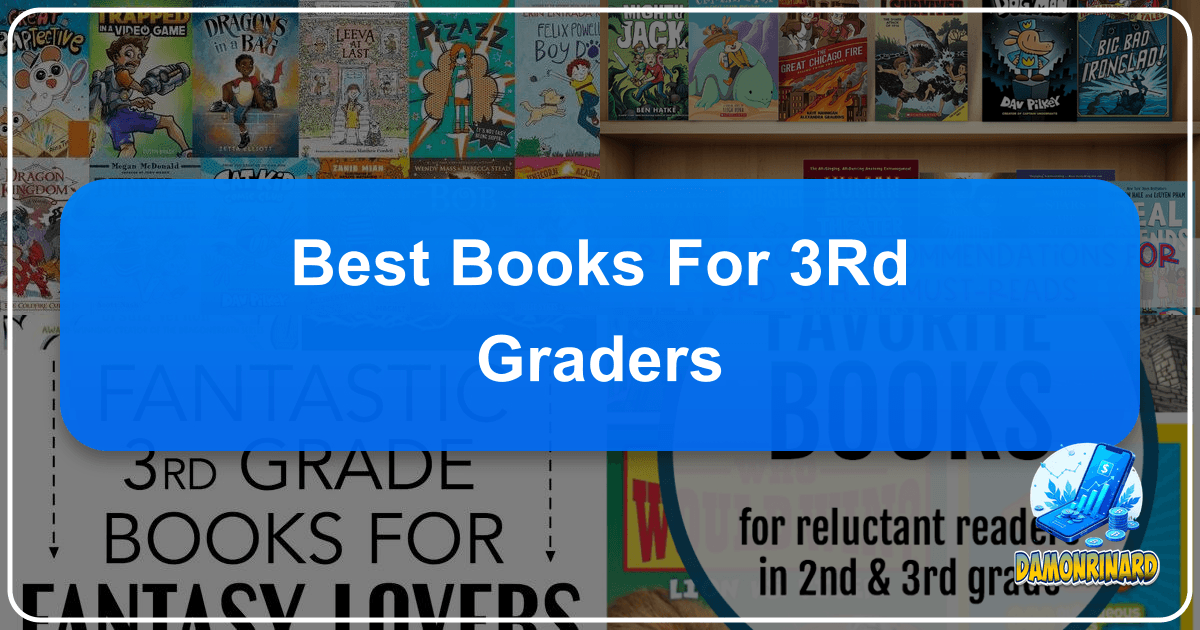
The third grade marks a pivotal stage in a child’s reading journey. At this age, typically between eight and nine years old, children transition from “learning to read” to “reading to learn.” Their vocabulary expands rapidly, comprehension deepens, and their ability to engage with more complex narratives blossoms. It’s a critical period for nurturing a lifelong love of reading, and providing access to compelling, age-appropriate books is paramount. At Lbibinders.org, we understand the profound impact literature has on developing minds, and we are dedicated to guiding parents, educators, and young readers toward the best literary experiences available. This guide explores the essential aspects of selecting books for 3rd graders, delving into genres, authors, educational value, and how Lbibinders.org serves as an invaluable resource in this exciting adventure.

The Transformative Power of Reading in 3rd Grade
The act of reading is far more than just decoding words on a page; it’s an immersive experience that shapes a child’s cognitive, emotional, and social development. For third graders, who are often brimming with curiosity and an burgeoning sense of self, the right book can ignite imagination, build essential skills, and introduce them to diverse perspectives. Lbibinders.org champions this developmental phase by offering carefully curated insights into books that truly make a difference.
Cognitive Development and Vocabulary Expansion
Third graders are at a prime age for significant cognitive growth. Their brains are rapidly forming connections, and reading plays a crucial role in this process. Books expose them to new words in context, helping to expand their vocabulary organically. Unlike rote memorization, encountering new words within a story allows children to grasp nuances of meaning and appropriate usage. Stories also challenge them to follow more complex plots, understand character motivations, and predict outcomes, all of which enhance critical thinking and analytical skills. For instance, a well-crafted mystery novel suitable for this age group might subtly introduce elements of deduction and problem-solving, skills that extend far beyond the pages of a book. Lbibinders.org provides book reviews and summaries that highlight these cognitive benefits, making it easier for parents to select titles that will effectively challenge and stimulate their child’s growing intellect.

Nurturing Empathy and Emotional Intelligence
Beyond academic skills, reading is a powerful tool for developing emotional intelligence and empathy. When a child delves into a story, they step into the shoes of different characters, experiencing their triumphs, struggles, and emotions. This imaginative engagement helps children understand various perspectives, fostering a sense of empathy and compassion. They learn about friendship, kindness, perseverance, and the complexities of human relationships through the safe, vicarious experience of reading. Books dealing with themes like overcoming challenges, accepting differences, or navigating social situations can provide valuable life lessons, offering children blueprints for understanding and managing their own emotions and interactions. On Lbibinders.org, we emphasize the educational value of books that address these crucial social-emotional learning aspects, helping parents choose stories that resonate deeply and offer opportunities for meaningful discussion.
Cultivating a Lifelong Love for Books
Perhaps the most important outcome of a positive reading experience in 3rd grade is the cultivation of a lifelong love for books. If reading feels like a chore, children may disengage. But if it’s presented as an adventure, a source of joy, and a gateway to infinite worlds, they are far more likely to embrace it. This is where the sheer enjoyment factor comes into play. The best books for 3rd graders are those that capture their imagination, make them laugh, think, or even shed a tear. They should be engaging enough to make a child forget they are “learning” and simply immerse themselves in the story. Lbibinders.org aims to be a beacon for this passion, offering recommendations that are not only developmentally appropriate but also genuinely exciting and compelling, ensuring that the magic of reading is preserved and celebrated. Our platform makes it easy to explore new releases and discover hidden gems that can spark that enduring connection with literature.
Navigating the Literary Landscape: Genres and Choices for 8-9 Year Olds
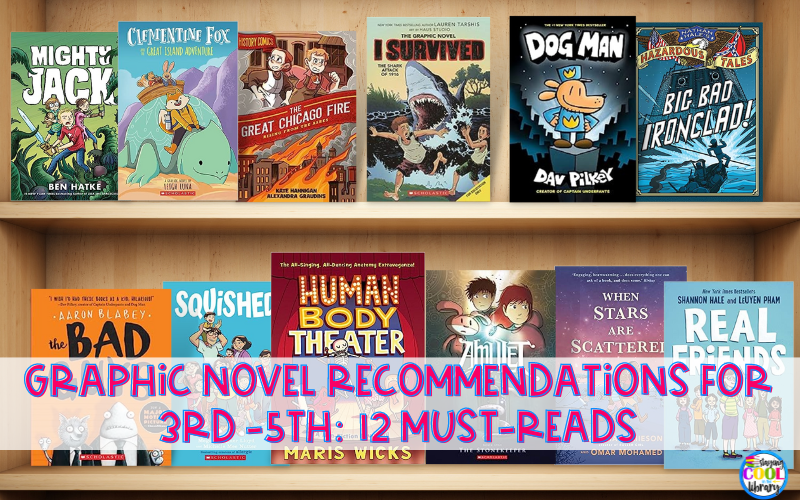
The world of children’s literature is vast and vibrant, offering an incredible array of stories for 3rd graders. Choosing the right book often depends on a child’s individual interests, but exploring various genres can broaden their horizons and deepen their appreciation for storytelling. Lbibinders.org meticulously categorizes and reviews books, simplifying the selection process for parents and young readers alike.
Fantastic Adventures and Mythical Journeys
For many 3rd graders, the allure of fantasy and adventure is irresistible. These genres transport young readers to magical realms, introduce them to brave heroes, formidable villains, and incredible creatures. Books like “Magic Tree House” series by Mary Pope Osborne are perennial favorites, blending historical facts with time-traveling adventures, offering both excitement and subtle educational value. Similarly, early chapter books that delve into mythology, fables, or tales of daring quests can spark an extraordinary level of imagination and provide a rich tapestry of cultural references. These stories often teach themes of courage, friendship, and problem-solving in a thrilling context. Lbibinders.org features comprehensive lists of bestsellers and new releases in these genres, along with detailed book reviews that help identify which stories are most likely to captivate an 8 or 9-year-old’s adventurous spirit.
Realistic Fiction: Mirrors to Their World
While fantasy offers escape, realistic fiction provides a mirror, reflecting a child’s own experiences, emotions, and challenges. These books often explore themes such as friendship dynamics, family life, school experiences, dealing with emotions, or navigating new situations. Stories that depict relatable scenarios can help children feel understood and less alone in their own struggles, while also offering strategies for coping. A classic example might be “Ramona Quimby, Age 8” by Beverly Cleary, which perfectly captures the joys and frustrations of growing up. Newer titles often address contemporary issues, offering timely lessons and opportunities for discussion. Lbibinders.org recognizes the importance of these “mirror” books, providing summaries and insights into how they can contribute to a child’s social and emotional development, ensuring that our recommendations are not just entertaining but also enriching.
Non-Fiction: The Quest for Knowledge
Third graders are naturally curious, and non-fiction books can be incredibly engaging, fueling their thirst for knowledge. From biographies of historical figures to books about animals, space, science experiments, or different cultures, non-fiction opens up the real world in an accessible and exciting way. High-quality non-fiction for this age group often features engaging photographs, illustrations, and fascinating facts presented in an easy-to-understand format. These books are invaluable for developing research skills and expanding general knowledge, preparing children for more advanced academic work. Lbibinders.org dedicates significant attention to the best non-fiction titles, offering curated lists that blend educational value with captivating presentation, ensuring that young minds can explore the wonders of the real world with as much enthusiasm as they do fictional ones.
Celebrating Classics and Discovering New Releases
Striking a balance between beloved classics and exciting new releases is key. Classic children’s books, like E.B. White’s “Charlotte’s Web” or “Stuart Little,” have stood the test of time for a reason: their timeless themes, memorable characters, and beautiful language continue to resonate with generations of readers. Introducing these classics to 3rd graders can be a foundational experience. Simultaneously, new releases bring fresh voices, contemporary perspectives, and innovative storytelling techniques. They reflect current trends and often tackle modern themes that might be particularly relevant to today’s children. Lbibinders.org provides comprehensive sections for both classics and new releases, complete with insightful book reviews. Our platform helps parents and educators explore the rich literary heritage while also staying abreast of the latest, most engaging titles entering the market, ensuring a diverse and well-rounded reading diet for every child.
Deeper Dives: Authors, Adaptations, and Educational Insights
Understanding the books for 3rd graders goes beyond simply selecting a title. It involves appreciating the creators behind the stories, recognizing the various forms a story can take, and extracting the deeper educational and life lessons embedded within the narrative. Lbibinders.org fosters this holistic appreciation for literature.
Unveiling the Minds Behind the Stories: Author Spotlights
The authors of children’s books are often unsung heroes, shaping young minds with their creativity and wisdom. Exploring an author’s biography, their writing style, and their inspirations can deepen a child’s connection to the story. Knowing that an author drew inspiration from their own childhood experiences, or that they overcame significant challenges to pursue their passion, can be incredibly motivating for young readers. For example, learning about Roald Dahl’s imaginative childhood or Kate DiCamillo’s empathetic approach to character development can add another layer of appreciation for their famous works. Lbibinders.org features dedicated author biographies and profiles, offering insights into their creative processes and the broader literary influence of their collective works. We believe that understanding the author enriches the reading experience, transforming a simple story into a journey of discovery about human creativity.
The Art of Adaptation: From Page to Screen and Stage
Many popular children’s books eventually find their way to other media, whether as animated films, live-action movies, or theatrical productions. These adaptations offer a unique opportunity to discuss how stories change across different formats and to critically compare the original text with its visual or performed interpretation. Watching an adaptation after reading the book can spark lively discussions about character portrayal, plot alterations, and the power of imagination versus visual representation. It can also encourage children to return to the book with fresh eyes, noticing details they might have missed previously. Lbibinders.org provides information on popular book adaptations, encouraging families to engage with these discussions and explore the cultural impact of beloved stories in various forms, reinforcing the understanding that stories are fluid and powerful.
Beyond Summaries: Extracting Educational Value and Life Lessons
Every story, whether fictional or non-fictional, carries potential for learning. For 3rd graders, identifying the educational value and life lessons within a book is a crucial step in developing critical thinking and moral reasoning. This involves more than just understanding the plot; it means discussing the themes of courage, kindness, perseverance, justice, or environmental responsibility. It’s about asking “Why did the character do that?” or “What would you have done?” Lbibinders.org goes beyond simple plot summaries, offering insights into the deeper meanings and messages embedded in children’s literature. Our goal is to empower parents and educators to facilitate these meaningful conversations, helping children internalize the wisdom and morals presented in their books and apply them to their own lives, truly leveraging the reading and learning process.
Maximizing Reading Journeys: Libraries and Community Engagement
The journey of a young reader is not a solitary one. It’s supported by a network of resources, from local libraries to online communities, all designed to foster a love for reading and continuous learning. Lbibinders.org actively promotes the utilization of these resources and the building of vibrant reading communities.
Public and Digital Libraries: Gateways to Boundless Worlds
Public libraries remain cornerstone institutions for fostering literacy. They offer free access to an incredible array of books, resources, and programs specifically tailored for children, including story times, reading challenges, and author visits. For 3rd graders, a library card is a key to unlocking boundless worlds of knowledge and imagination. In an increasingly digital age, digital libraries and online platforms also play a vital role, providing access to e-books and audiobooks, which can be particularly beneficial for reluctant readers or those with specific learning styles. Lbibinders.org strongly encourages families to explore both their local public libraries and the digital resources available, providing guidance on how to best utilize these services. We highlight rare collections and archives that might be of interest, broadening the scope of what children can discover and ensuring equitable access to literature.
Fostering Reading Habits and Leveraging Book Reviews
Developing strong reading habits early on is crucial. This includes setting aside dedicated reading time, creating a comfortable reading nook, and allowing children choice in their reading materials. Encouraging children to talk about the books they’re reading, share their opinions, and even write their own simple book reviews can significantly enhance their engagement and comprehension. This active participation transforms reading from a passive activity into an interactive and personal experience. Lbibinders.org provides a platform for detailed book reviews, not just from experts but also from readers, creating a community of shared knowledge. Our site offers practical advice on establishing positive reading habits, emphasizing that consistent, enjoyable exposure to books is the most effective way to cultivate lifelong readers.
Joining the Lbibinders.org Reading Community
At Lbibinders.org, we believe that reading is a journey best shared. We strive to build a vibrant online community where parents, educators, and young readers can connect, share recommendations, discuss books, and celebrate the joy of reading. Our platform allows users to explore different literary influences, learn about awards for children’s literature that recognize excellence in storytelling, and participate in discussions that extend the conversation beyond the pages. We aim to be more than just a resource; we want to be a hub where the cultural impact of literature is celebrated, where questions are answered, and where every 3rd grader can find their next favorite book, surrounded by a supportive network of fellow book lovers. We are committed to fostering an environment where young readers feel inspired, empowered, and connected through the magic of stories.
In conclusion, the 3rd grade is a golden age for reading, a time when foundational skills solidify and a lifelong passion for books can take root. By carefully selecting engaging, enriching, and age-appropriate literature, and by leveraging the vast resources available, we can guide these young minds towards a future filled with discovery, empathy, and intellectual growth. Lbibinders.org stands as your dedicated partner in this exciting endeavor, providing expert guidance, comprehensive reviews, and a welcoming community to support every step of your child’s literary journey. Join us in unlocking the incredible potential within every young reader.