Best Books for Three-Year-Olds: Nurturing Early Literacy and Lifelong Love of Reading
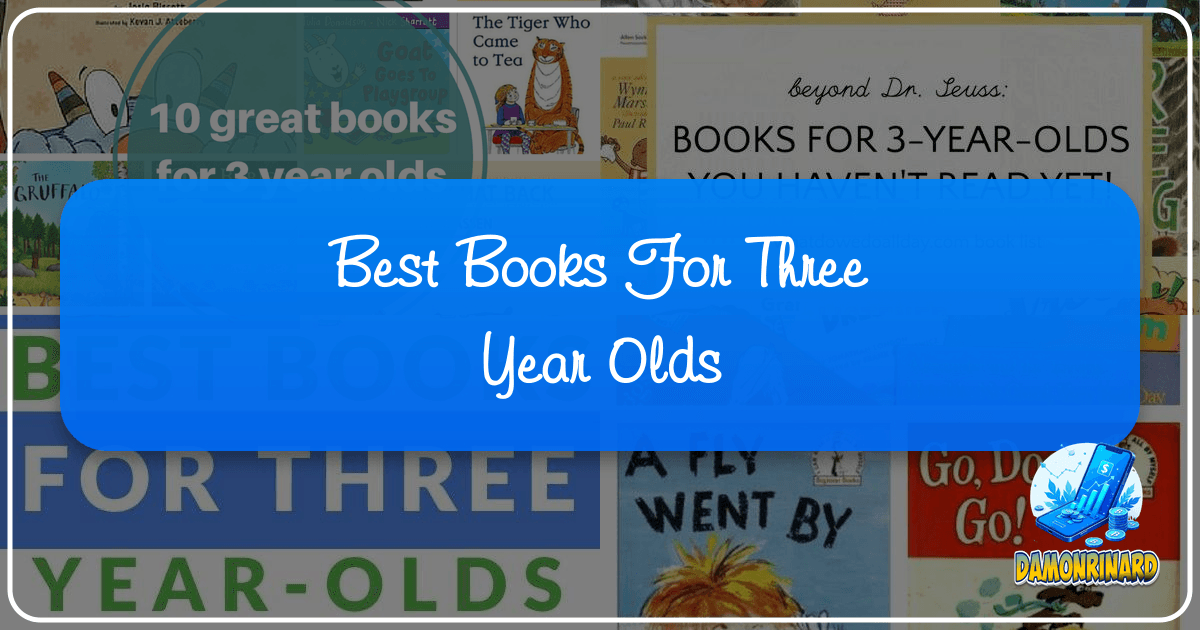
The journey of a thousand books begins with a single page, and for many children, that foundational step is taken around the age of three. This pivotal age marks a significant leap in cognitive development, language acquisition, and social-emotional growth, making it the perfect time to cultivate a deep and abiding love for reading. At Lbibinders.org, we understand that selecting the right books for a three-year-old isn’t just about entertainment; it’s about laying the groundwork for literacy, critical thinking, and a lifelong appreciation for the power of stories. This comprehensive guide delves into the world of children’s literature specifically tailored for this age group, exploring genres, authors, learning opportunities, the invaluable role of libraries, and the broader cultural impact of early reading.
The Transformative Power of Early Reading
The period leading up to and including a child’s third birthday is characterized by an explosion of learning. Toddlers at this age are sponges, absorbing information from their environment at an astonishing rate. Introducing them to books during this critical window offers a myriad of benefits that extend far beyond simply learning to read. It’s about developing empathy, understanding the world, and building a secure foundation for future academic and social success.
Understanding the Three-Year-Old Reader

At three, children are developing a stronger sense of self and an increasing curiosity about the world around them. Their language skills are rapidly expanding, and they are beginning to grasp more complex concepts, though their attention spans can still be fleeting. Books chosen for this age group must be engaging, colorful, and often interactive to capture and hold their interest. They thrive on repetition, simple narratives, and illustrations that tell a story in themselves.
Developmentally, a three-year-old is typically:
- Verbally expressive: Using more words, forming longer sentences, and asking “why” and “what” constantly. Books rich in vocabulary and clear sentence structures support this.
- Curious and imaginative: Exploring their environment, engaging in pretend play, and often having vivid imaginations. Stories that spark wonder and encourage imaginative thinking are ideal.
- Emotionally developing: Learning to identify and express emotions, and beginning to understand the feelings of others. Books that explore different emotions or social situations can be incredibly valuable for fostering emotional intelligence.
- Developing fine motor skills: While not directly tied to reading text, the ability to turn pages, point to pictures, and interact with lift-the-flap or touch-and-feel elements enhances their engagement with physical books.

For these young learners, books serve as a mirror to their experiences and a window to new worlds. They help children make sense of their daily routines, understand social cues, and navigate big feelings. Lbibinders.org emphasizes the importance of selecting books that resonate with their developmental stage, ensuring that each reading experience is both enjoyable and enriching. The educational value inherent in these early reading experiences cannot be overstated, as they directly contribute to pre-reading skills like phonological awareness, print awareness, and narrative comprehension, all crucial steps towards independent reading.
Curating the Perfect Library for Your Three-Year-Old
Building a home library for a three-year-old doesn’t require vast shelves of books, but rather a thoughtful selection of titles that captivate their imaginations and support their growth. The key is variety, quality, and age-appropriateness. At Lbibinders.org, we continually review and recommend titles that stand out for their ability to engage young readers and provide lasting value.
Essential Genres and Timeless Classics
For three-year-olds, certain genres consistently prove to be winners, offering a blend of entertainment and educational benefit. These include:
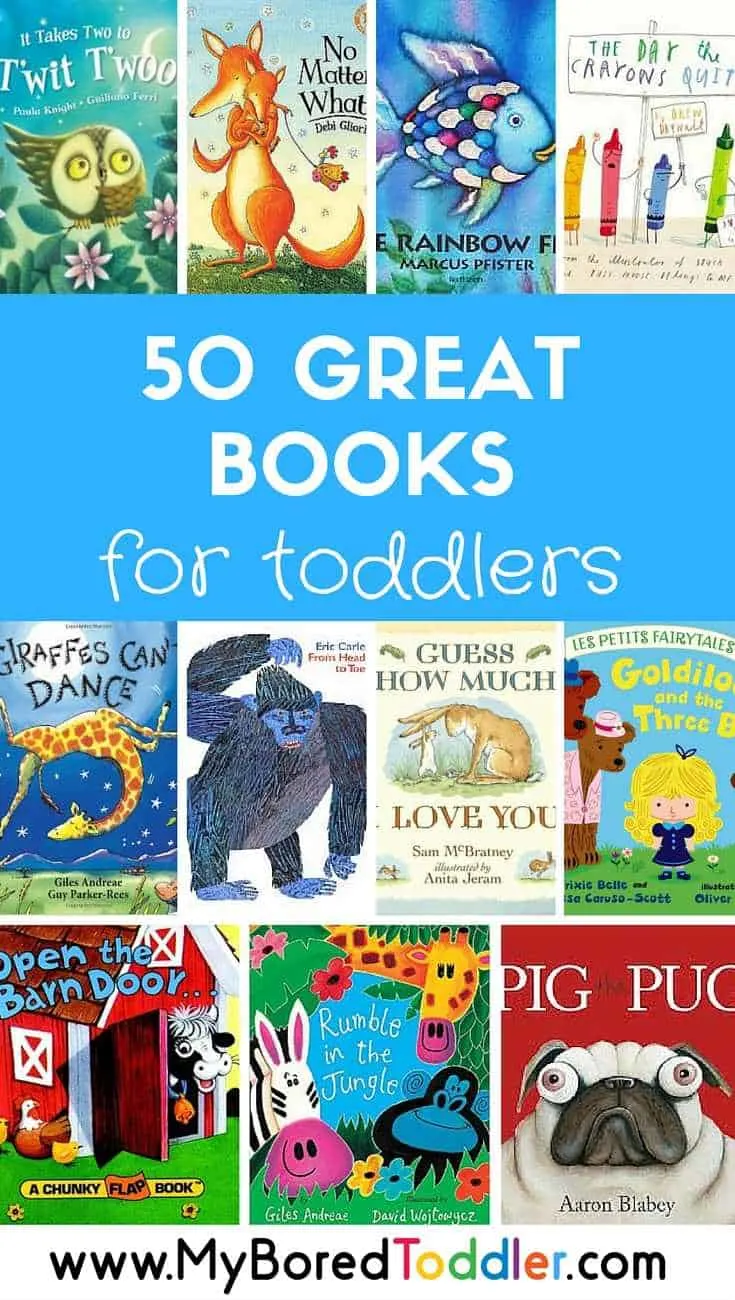
- Board Books: Indispensable for their durability, board books are perfect for little hands that are still mastering gentle handling. Many classics begin as board books, ensuring that even the most enthusiastic toddlers can enjoy them without fear of damage. They often feature bright, simple illustrations and minimal text, focusing on core concepts like colors, shapes, numbers, and animals. Examples like Sandra Boynton’s Moo, Baa, La La La! or Eric Carle’s The Very Hungry Caterpillar (which also exists in board book format) are enduring favorites due to their engaging rhythm and vibrant artwork.
- Picture Books: As children mature past two, traditional picture books with slightly more complex narratives and detailed illustrations become highly engaging. These books often tell a story with a beginning, middle, and end, introducing children to narrative structure. Authors like Julia Donaldson (The Gruffalo) and Mo Willems (Don’t Let the Pigeon Drive the Bus!) have mastered the art of creating picture books that entertain both children and adults with their clever humor and expressive illustrations.
- Interactive Books: Lift-the-flap, touch-and-feel, and slide-and-discover books are incredibly popular because they encourage active participation. These books don’t just tell a story; they invite the child to explore, enhancing sensory development and fine motor skills. Titles that encourage participation, like “Where’s Spot?” by Eric Hill, have a profound impact on engagement and comprehension, making reading a more dynamic experience.
- Rhyming and Repetitive Books: The rhythmic quality of rhyming books is inherently appealing to young children and significantly aids in language development. Repetition helps children predict what comes next, boosting their confidence and fostering an early sense of literacy. Dr. Seuss’s works, while sometimes more complex, often feature strong rhythmic elements, as do many nursery rhyme collections. These books are crucial for developing phonological awareness, a key pre-reading skill.
- Concept Books: Designed to teach specific concepts, these books introduce children to letters, numbers, opposites, and more in an engaging way. They are typically bright, colorful, and straightforward, making learning feel like play.
Timeless classics often fall into these genres, having stood the test of time due to their universal appeal and lasting educational value. Lbibinders.org provides detailed book reviews and genre guides to help parents navigate these choices, ensuring they pick books that will truly resonate with their child.
New Releases and Bestsellers: What’s Popular Now
While classics provide a stable foundation, the world of children’s literature is constantly evolving, with new authors and illustrators bringing fresh perspectives and innovative storytelling to the forefront. Staying abreast of new releases and bestsellers can introduce children to contemporary themes and diverse characters that reflect today’s world.
At Lbibinders.org, we diligently track new releases and current bestsellers in the children’s book market. Our book reviews often highlight titles that are not only popular but also contribute positively to a child’s development, focusing on aspects like:
- Diversity and Inclusion: Many modern books strive to represent a broader range of cultures, family structures, and abilities, helping children develop a more inclusive worldview.
- Social-Emotional Learning: New titles frequently address topics like mindfulness, managing big emotions, kindness, and empathy, providing valuable tools for children to navigate their inner world and social interactions.
- Innovative Formats: Publishers are continually experimenting with new book designs, from unique tactile elements to interactive digital components, enhancing the reading experience.
Lbibinders.org offers curated lists of top-rated new releases and trending bestsellers for three-year-olds, based on expert reviews and parent feedback. This allows parents to easily discover fresh, engaging stories that can complement their collection of classic titles and keep their child excited about reading.
Beyond the Pages: Authors, Learning, and Community
The books we choose for our three-year-olds are more than just stories; they are products of creative minds, tools for learning, and catalysts for community. Understanding the authors behind these beloved tales and recognizing the broader impact of their work enriches the entire reading experience.
The Masterminds Behind Beloved Stories
The authors and illustrators of children’s books are often unsung heroes, crafting worlds and characters that shape young minds. Their “writing style” for three-year-olds is characterized by simplicity, rhythm, and clarity, often employing repetition and direct address to engage young listeners. Their illustrations are typically bold, expressive, and easily decipherable, acting as a crucial part of the storytelling.
Consider the “famous works” of authors like:
- Eric Carle: Known for his distinctive collage illustrations and stories that often integrate learning concepts, such as numbers, days of the week, and the life cycle. His biography reveals a deep connection to nature, which serves as a primary “inspiration” for his captivating books.
- Dr. Seuss (Theodor Seuss Geisel): While some of his books might be geared towards slightly older children, the rhythm and rhyme of his early works, like Green Eggs and Ham, are perfect for introducing phonetic awareness. His whimsical characters and imaginative worlds are a testament to his unique “writing style” and creative “inspirations.”
- Sandra Boynton: Her board books are celebrated for their infectious energy, quirky humor, and irresistible rhymes, making them an instant hit with toddlers and parents alike. Her ability to capture the essence of animal sounds and actions is a hallmark of her “writing style.”
Lbibinders.org features author biographies and insights into their creative processes, helping parents appreciate the artistry and dedication behind their child’s favorite books. Understanding the “inspirations” and methods of these literary giants can deepen a child’s connection to the stories and even spark their own creative endeavors.
Cultivating Lifelong Learning Through Storytelling
Reading to a three-year-old is a powerful educational tool. Beyond the simple joy of a shared story, it provides immense “educational value” and imparts crucial “life lessons” that contribute to a child’s holistic development.
- Vocabulary Expansion: Children are exposed to a wider range of words than they might encounter in daily conversation, enhancing their verbal comprehension and expressive language skills.
- Cognitive Development: Books teach concepts like cause and effect, problem-solving, sequencing, and pattern recognition. They stimulate curiosity and encourage critical thinking even at a young age.
- Emotional Intelligence: Stories offer a safe space to explore emotions – happiness, sadness, anger, fear – through characters. They can teach empathy, conflict resolution, and the importance of kindness and sharing.
- Understanding the World: Books can introduce children to different cultures, environments, and experiences, broadening their understanding of the diverse world they live in.
- Pre-Reading Skills: Regular exposure to books helps children understand that print carries meaning, that stories are read from left to right, and to recognize letters and sounds.
Fostering good “reading habits” begins at this age. Making reading a consistent and enjoyable part of the daily routine is key. This could involve setting aside a specific time each day for reading, creating a cozy reading nook, and allowing the child to choose books from a curated selection. Lbibinders.org offers advice and resources on how to make reading a fun and cherished activity, turning it into a cornerstone of a child’s early learning journey. The “summaries” of key learning outcomes for various types of children’s books can guide parents in choosing titles that align with their developmental goals for their child.
Leveraging Libraries and Engaging Communities
While building a home library is wonderful, the role of public libraries and the broader reading community cannot be overstated. These resources provide access to an endless supply of books and foster a shared love of reading that extends beyond the individual family.
Public Libraries: A Treasure Trove for Young Readers
“Public Libraries” are invaluable institutions for families with young children. They offer:
- Free Access to Diverse Collections: An ever-changing array of books, including new releases and classics, without the need for purchase. This allows children to explore various genres and authors, discover new favorites, and engage with titles that might not be part of their home collection.
- Story Times and Children’s Programs: Libraries often host engaging story times, puppet shows, and other educational programs specifically designed for toddlers. These events not only make reading fun but also provide opportunities for socialization and community building for both children and parents.
- Expert Guidance: Librarians are knowledgeable resources who can offer personalized recommendations based on a child’s age, interests, and developmental stage.
- Digital Libraries and Resources: Many public libraries now offer access to “digital libraries,” providing e-books and audiobooks for children, which can be a convenient option for on-the-go reading or for children who enjoy listening to stories. While less common for three-year-olds, some libraries also house “rare collections” or “archives” of historical children’s literature, which, though not directly for toddlers, represent the rich heritage of the genre.
Lbibinders.org strongly encourages families to visit their local public library regularly. It’s a wonderful way to introduce children to the concept of a shared community resource and to instill a love for books from a young age. We feature articles and guides on how to make the most of library visits and participate in their children’s programs.
Building a Reading Culture
The “cultural impact” of children’s literature is profound, extending from individual homes to broader “communities.” Reading aloud to a three-year-old doesn’t just benefit the child; it strengthens family bonds and contributes to a collective appreciation for storytelling.
- Literary Influence: The stories and characters children encounter at this age can shape their imagination, values, and even their future literary tastes. Early exposure to quality literature lays the foundation for a lifetime of reading and learning.
- Community Building: Parent-child book clubs, online forums (like those on Lbibinders.org), and library programs create communities where families can share recommendations, discuss books, and celebrate the joy of reading together.
- Adaptations: Many beloved children’s books are adapted into animated series, movies, or plays, extending their reach and influence. Discussing these adaptations can further enhance a child’s understanding and appreciation of the original stories.
- Awards: Children’s literature is recognized through prestigious “awards” like the Caldecott Medal for illustrations and the Newbery Medal for text. Learning about these awards can help parents identify high-quality books and appreciate the artistic and literary merit of children’s books.
By actively engaging in reading with three-year-olds and participating in reading communities, families contribute to a vibrant reading culture. Lbibinders.org is dedicated to being a central hub for this community, offering resources, reviews, and a platform for parents and educators to connect and share their passion for children’s books. The shared experience of a story creates lasting memories and fosters a sense of belonging, both within the family and the wider literary world.
In conclusion, the third year of a child’s life is a golden opportunity to ignite a passion for books that will illuminate their entire future. By carefully selecting engaging stories, celebrating the creative minds behind them, embracing the educational opportunities they provide, and leveraging the rich resources of libraries and reading communities, we can nurture not just readers, but curious, empathetic, and imaginative individuals ready to embrace a world of knowledge and wonder. Explore Lbibinders.org for further recommendations, reviews, and guidance on making reading an unforgettable part of your child’s journey.