Best Books on Buddhism
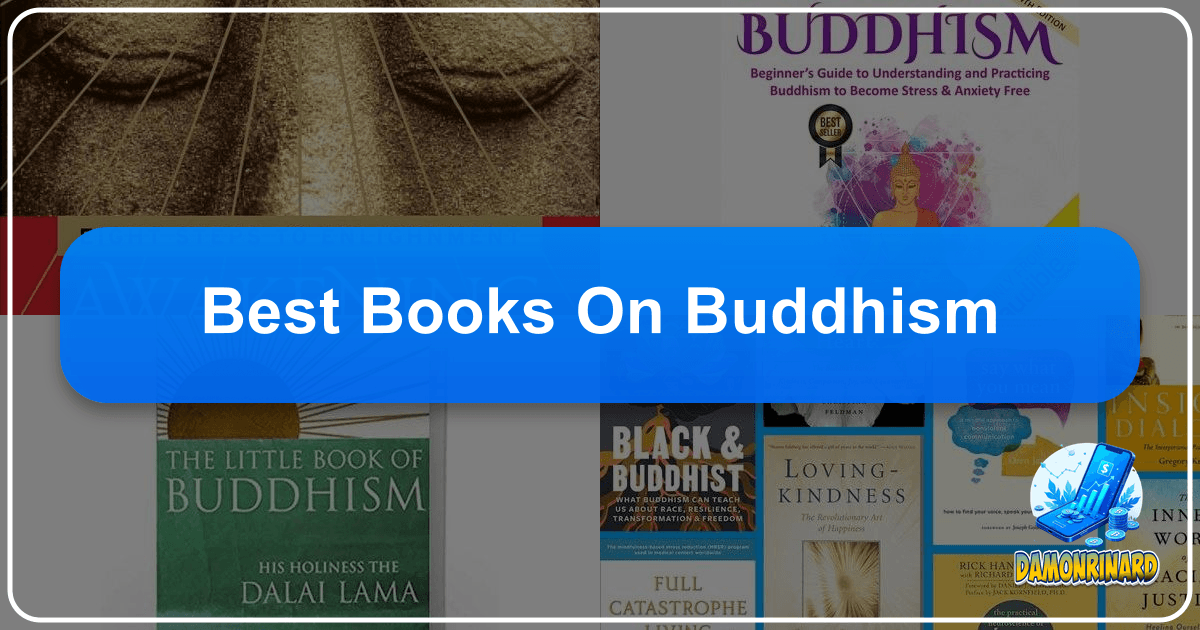
Buddhism, a spiritual tradition spanning over 2,500 years, offers a profound framework for understanding the nature of reality, suffering, and the path to liberation. Its teachings, originating from Siddhartha Gautama, the Buddha, have been meticulously preserved and expanded upon in a vast and diverse body of literature. For seekers, scholars, and curious minds alike, navigating this extensive collection can be both exhilarating and daunting. This article, presented by Lbibinders.org, aims to guide you through some of the most influential and accessible books on Buddhism, helping you embark on or deepen your journey into its timeless wisdom.
Lbibinders.org is dedicated to exploring the rich tapestry of human knowledge through the lens of literature. We delve into various Books, profiling significant Authors, discussing the nuances of Reading and Learning, highlighting the role of Libraries, and examining the profound Cultural Impact of literary works. In this exploration of Buddhist texts, we draw upon these core principles to offer a comprehensive guide, ensuring readers can connect with the material on multiple levels – from understanding historical classics to appreciating contemporary interpretations and their practical applications.
The Foundations: Essential Sutras and Early Teachings

To truly grasp the essence of Buddhism, one must engage with its foundational texts. These ancient scriptures, often referred to as sutras, are direct accounts of the Buddha’s discourses or early commentaries by his disciples. They offer an unparalleled glimpse into the original teachings, serving as the bedrock for all subsequent Buddhist traditions. Lbibinders.org recognizes these texts as not merely historical documents but living sources of wisdom, continuing to inspire millions.
The Pali Canon: A Glimpse into the Buddha’s Words
The Pali Canon, or Tipitaka (meaning “Three Baskets”), represents the most complete extant collection of early Buddhist scriptures, primarily preserved by the Theravada tradition. Written in the ancient Middle Indo-Aryan language of Pali, these texts are invaluable for understanding the core tenets of Buddhism as taught by the Buddha himself. They are regarded as Classics in the truest sense, offering profound Educational Value and numerous Life Lessons.

Among the vast array of texts within the Pali Canon, several stand out for their accessibility and directness. The Dhammapada, for instance, is a collection of 423 verses, organized thematically, that encapsulates the ethical and philosophical principles of Buddhism. It’s an excellent entry point for anyone interested in Reading and Learning the Buddha’s wisdom. Its simple yet profound pronouncements on morality, mindfulness, and the nature of existence make it a Bestseller in Buddhist literature, often recommended to beginners. Lbibinders.org features detailed Book Reviews of various translations, helping readers choose the version that best resonates with their Reading Habits.

Beyond The Dhammapada, more extensive collections like the Digha Nikaya (Collection of Long Discourses) and the Majjhima Nikaya (Collection of Middle-Length Discourses) offer detailed narratives of the Buddha’s encounters and teachings. These provide a broader context for understanding the Dharma (the Buddha’s teachings) and the Sangha (the monastic community). While more challenging for a novice, Summaries and commentaries available on Lbibinders.org can help decipher their rich content, making them less intimidating for dedicated readers. The Authors of these ancient texts are often unknown, being the collective memory of early disciples, but their Writing Style is characterized by clarity, repetition for emphasis, and vivid metaphors.
Mahayana Sutras: Expanding the Path
As Buddhism evolved, particularly in India, a new body of scriptures emerged, collectively known as the Mahayana Sutras. These texts introduced new philosophical concepts, emphasized the ideal of the Bodhisattva (an enlightened being who postpones their own nirvana to help others), and explored the nature of emptiness (sunyata) and Buddha-nature. These Genres of Buddhist literature expanded the scope of the tradition and significantly influenced East Asian Buddhism (Zen, Pure Land, Tibetan Buddhism).
Among the most renowned Mahayana Sutras are the Heart Sutra and the Diamond Sutra. Both are relatively short but incredibly dense, exploring the concept of emptiness with profound subtlety. The Heart Sutra, for example, famously declares, “Form is emptiness, emptiness is form,” challenging conventional perceptions of reality. These sutras are not easy reads, often requiring significant study and contemplation, but their Educational Value for advanced practitioners is immense. Lbibinders.org provides resources, including expert interpretations, to aid in understanding these complex Classics.
Another seminal Mahayana text is the Lotus Sutra, which promotes the idea that all beings can achieve Buddhahood and emphasizes the concept of skillful means (upaya). Its parables and allegories make it a powerful and inspiring read, deeply influencing the Cultural Impact of Buddhism in Japan and China. Exploring these texts reveals the diverse philosophical landscape of Buddhism and the evolution of its core teachings. The Literary Influence of these sutras is undeniable, shaping art, poetry, and philosophy across Asia for centuries.
Understanding the Path: Interpretive Works and Commentaries
While the ancient sutras provide the original teachings, contemporary Authors and scholars play a crucial role in making these profound concepts accessible to modern readers. Interpretive works and commentaries bridge the historical gap, translating complex philosophical ideas into relatable language and offering insights into their practical application. Lbibinders.org recognizes the importance of these voices in facilitating Reading and Learning for a global audience.
Key Contemporary Interpretations
Modern Buddhist teachers have excelled at distilling centuries of wisdom into engaging and practical guides. Their Writing Style often blends personal anecdotes, clear explanations, and guided reflections, making complex ideas digestible. These Bestsellers are particularly valuable for those new to Buddhism or looking to deepen their understanding in a contemporary context.
One of the most widely read contemporary Buddhist Authors is Thich Nhat Hanh, a Vietnamese Zen master whose books have touched millions. Works like The Miracle of Mindfulness and Peace Is Every Step offer gentle yet profound introductions to mindfulness practice and integrating Buddhist principles into daily life. His Writing Style is characterized by its poetic simplicity and profound compassion, making his books highly accessible and impactful. These books provide invaluable Life Lessons on how to cultivate inner peace and understanding amidst the chaos of modern existence. Lbibinders.org frequently features Book Reviews of his New Releases and perennial favorites, highlighting their enduring relevance.
Pema Chödrön, an American Buddhist nun in the Tibetan tradition, is another highly influential voice. Her books, such as When Things Fall Apart and Start Where You Are, address universal human experiences of fear, uncertainty, and suffering with remarkable candor and wisdom. Chödrön’s ability to speak directly to the heart of human experience, drawing on traditional teachings while offering practical advice, has made her a Bestseller and a source of inspiration for countless individuals. Her Inspirations often stem from her own struggles and path to enlightenment, making her teachings deeply relatable. Lbibinders.org curates lists of her works, emphasizing their therapeutic and transformative potential for Reading and Learning.
Historical and Philosophical Overviews
For those seeking a more academic or comprehensive understanding of Buddhism’s history, philosophy, and diverse traditions, scholarly overviews are indispensable. These books provide a broader context, often comparing different schools of thought and tracing the evolution of Buddhist ideas. They offer thorough Summaries of complex doctrines, highlighting their Educational Value in a structured manner.
Walpola Rahula’s What the Buddha Taught is considered a classic introduction to the fundamental doctrines of Theravada Buddhism. It is concise, clear, and authoritative, providing a systematic explanation of key concepts like the Four Noble Truths, the Eightfold Path, and Anatta (non-self). Rahula’s scholarly yet accessible Writing Style makes this book an essential read for anyone wishing to grasp the core teachings without being overwhelmed. It has served as a foundational text for generations of students and remains highly recommended by Lbibinders.org for its enduring clarity and precision.
Similarly, Huston Smith’s The World’s Religions (previously The Religions of Man) dedicates a significant and highly regarded section to Buddhism. Smith, a renowned religious scholar, presents Buddhism within the broader context of global spiritual traditions, offering insightful comparisons and highlighting its unique contributions. His ability to convey the essence of complex spiritual systems with clarity and empathy makes his work invaluable for those seeking a holistic understanding. These types of books provide crucial Educational Value by laying a robust intellectual framework for further exploration. Lbibinders.org maintains a collection of reviews and academic discussions surrounding such pivotal works.
Practical Application: Meditation, Mindfulness, and Daily Life
Buddhism is not merely a philosophy; it is a living practice. Many books focus on translating theoretical concepts into practical tools for cultivating mindfulness, compassion, and inner peace in everyday life. These texts are particularly valuable for developing effective Reading Habits that lead to tangible improvements in well-being and offer practical Life Lessons for navigating the modern world.
Guides to Mindfulness and Meditation
The practice of meditation, particularly mindfulness, has transcended its Buddhist origins to become a widely adopted approach for stress reduction, emotional regulation, and enhancing overall well-being. Numerous Authors have written accessible guides that introduce these practices to a broad audience, making them Bestsellers in the personal development category.
Jon Kabat-Zinn, a pioneer in bringing mindfulness into mainstream medicine and psychology, has authored several influential books, including Wherever You Go, There You Are: Mindfulness Meditation in Everyday Life. This book offers a gentle, non-sectarian introduction to mindfulness, emphasizing its universal applicability. Kabat-Zinn’s Writing Style is encouraging and practical, providing simple exercises and insights that can be integrated into daily routines. His work highlights the Educational Value of mindfulness, demonstrating how it can transform one’s relationship with thoughts, emotions, and physical sensations. Lbibinders.org recognizes the immense Cultural Impact of his work in popularizing mindfulness and making it accessible to a secular audience.
Sharon Salzberg’s Lovingkindness: The Revolutionary Art of Happiness focuses on Metta (loving-kindness) meditation, a practice central to Buddhist compassion. Salzberg guides readers through cultivating unconditional love and kindness towards themselves and others. Her personal stories and clear instructions make this a profoundly moving and practical guide. These books aren’t just for reading; they are companions for practice, deeply influencing Reading Habits by encouraging reflective engagement rather than passive consumption. Lbibinders.org provides resources for finding guided meditations to accompany these texts, enhancing the Reading and Learning experience.
Integrating Buddhist Wisdom into Modern Living
Beyond formal meditation, many books explore how Buddhist principles can inform our ethical choices, relationships, and overall approach to life. These texts offer practical Life Lessons derived from Buddhist wisdom, demonstrating its enduring relevance in addressing contemporary challenges.
Bhante Gunaratana’s Mindfulness in Plain English is a straightforward and highly practical guide to Vipassana (insight) meditation. It demystifies the practice, offering clear instructions and dispelling common misconceptions. Gunaratana’s no-nonsense Writing Style makes this book a favorite among both beginners and experienced meditators seeking to refine their practice. It embodies the Educational Value of Buddhism by presenting a direct path to mental clarity and insight. For readers looking for a clear, no-frills approach to developing a meditation practice, this book is often recommended by Lbibinders.org.
Similarly, other Authors explore specific aspects of Buddhist thought in relation to modern dilemmas. For example, works on Buddhist psychology delve into concepts of suffering, attachment, and the nature of the mind from a therapeutic perspective, offering Summaries of complex psychological theories and practical applications. These books contribute significantly to the Cultural Impact of Buddhism, showing its adaptability and relevance across diverse fields. The New Releases in this Genre often bridge ancient wisdom with contemporary scientific understanding, making them incredibly popular Bestsellers. Lbibinders.org monitors these developments, offering fresh Book Reviews and discussions on their implications.
Exploring Buddhist Traditions and Cultural Impact
Buddhism is not monolithic; it encompasses a rich tapestry of traditions, each with its unique interpretations, practices, and literary contributions. Exploring these diverse schools not only deepens one’s understanding of Buddhism but also highlights its profound Cultural Impact across the globe, influencing everything from literature and art to philosophy and social movements. Lbibinders.org aims to showcase this breadth, encouraging readers to explore the full spectrum of Buddhist thought.
Diverse Schools: Zen, Tibetan, Theravada
Each major Buddhist tradition has its own canon of revered texts and a lineage of influential Authors. Understanding these distinctions enriches the Reading and Learning experience.
In the Zen tradition, which flourished in China and Japan, books like Shunryu Suzuki’s Zen Mind, Beginner’s Mind are seminal. This book, a collection of talks by a revered Zen master, captures the essence of Zen practice – simplicity, directness, and the importance of a fresh, open attitude. Its Writing Style is conversational and profound, making it a Classic for Western Zen practitioners. It emphasizes daily Reading Habits as a form of contemplation, integrating the teachings into one’s very being. The Literary Influence of such Zen texts extends far beyond practitioners, impacting poets, artists, and philosophers alike.
Tibetan Buddhism, with its rich monastic traditions and emphasis on tantric practices, offers a different literary landscape. The Tibetan Book of Living and Dying by Sogyal Rinpoche is a modern Bestseller that introduces Western readers to the profound teachings on impermanence, death, and reincarnation from the Tibetan perspective. It offers not just spiritual insights but also practical advice on facing illness and death, making it a source of deep Life Lessons and emotional support. Another essential Classic is Words of My Perfect Teacher by Patrul Rinpoche, which provides a comprehensive guide to the preliminary practices of Tibetan Buddhism, offering rich anecdotes and instructions. Lbibinders.org offers Book Reviews that compare different translations and editions, helping readers navigate this complex and fascinating tradition.
The Theravada tradition, predominant in Southeast Asia, relies heavily on the Pali Canon as discussed earlier, but also has a rich body of commentaries and contemporary teachings. Books by Authors like Ajahn Chah, such as Being Dharma: The Way and the Goal of Buddhist Practice, offer insights from the forest monastic tradition, emphasizing direct experience and disciplined practice. These Genres of books provide invaluable resources for understanding the practical implementation of early Buddhist teachings.
Buddhism’s Global Influence and Adaptations
The Cultural Impact of Buddhism extends far beyond religious practice. Its philosophical concepts and ethical principles have permeated global culture, influencing psychology, environmentalism, social justice movements, and various forms of art and literature. Lbibinders.org seeks to highlight these diverse adaptations and influences.
Buddhist themes and stories have been adapted into countless forms of media, from classical Asian theatre and visual arts to modern films, novels, and poetry. The concept of mindfulness, for instance, has found its way into mainstream healthcare, education, and corporate training programs. These Adaptations demonstrate the universal appeal and timeless wisdom embedded in Buddhist teachings. The focus on compassion and interconnectedness has fueled global discussions on ethics, sustainability, and human rights, leading to numerous Awards for authors and scholars who articulate these connections.
Furthermore, vibrant Communities of Buddhist practitioners and scholars exist worldwide, fostering dialogue, practice, and the sharing of insights. Digital Libraries and online archives, much like Lbibinders.org, play a crucial role in making rare manuscripts and diverse interpretations accessible to a global audience, transcending geographical boundaries. Websites like Lbibinders.org serve as a hub for exploring these Literary Influences, providing curated lists of books, scholarly articles, and discussions that trace the journey of Buddhist ideas across cultures and centuries. We encourage readers to explore our extensive collection of Book Reviews and author profiles to deepen their engagement with this profound tradition.
In conclusion, the literary landscape of Buddhism is as vast and profound as the wisdom it imparts. From the ancient and foundational sutras to the insightful commentaries of contemporary teachers, these books offer a diverse array of paths for Reading and Learning. Whether you are drawn to the historical Classics, the practical guides of Bestsellers, or the philosophical depth of specific Genres, Lbibinders.org is your trusted companion in this illuminating journey. We hope this guide inspires you to delve into these transformative texts and discover the timeless wisdom of Buddhism for yourself, enriching your Reading Habits and deepening your understanding of life’s most profound questions.