Unveiling the Magic: A Journey Through the Best Childhood Books
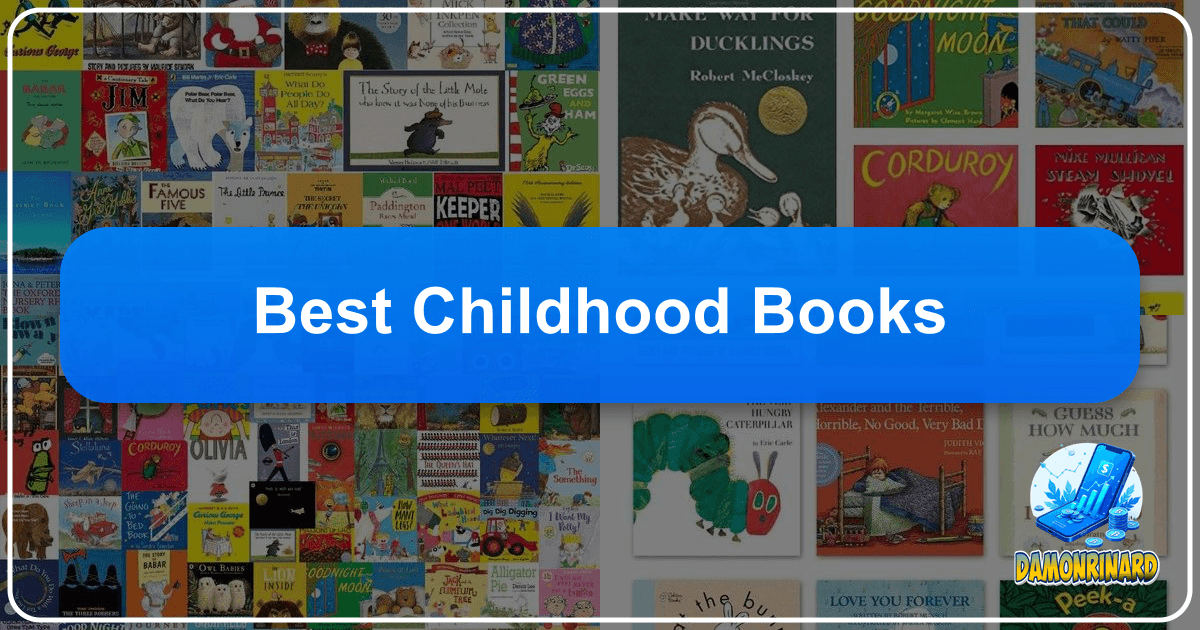
Childhood is a time of wonder, discovery, and boundless imagination, and few things nurture these qualities more profoundly than the books we encounter in our formative years. From the first bedtime stories to the epic sagas that ignite our young minds, childhood books are far more than mere entertainment; they are architects of our understanding, purveyors of empathy, and silent mentors that shape the adults we become. On Lbibinders.org, we believe in celebrating the enduring power of these literary treasures, exploring their genres, the visionary authors behind them, their profound educational value, the role of libraries in making them accessible, and their lasting cultural impact.

This journey into the realm of the best childhood books is an exploration of the stories that have captivated generations, leaving an indelible mark on hearts and minds. It’s about understanding why certain narratives resonate so deeply, how they introduce us to complex emotions and moral dilemmas, and how they subtly guide us through the challenges and triumphs of growing up.
The Enduring Power of Childhood Classics: A Timeless Legacy
The concept of a “classic” is often associated with age and literary weight, but in children’s literature, a classic is simply a book that continues to speak to new generations, transcending the boundaries of time and changing fads. These are the stories that, regardless of when they were written, manage to capture the universal experiences of childhood – joy, fear, friendship, loss, and the eternal quest for belonging. On Lbibinders.org, we delve deep into what makes these books so timeless.
Consider E.B. White’s Charlotte’s Web, a quintessential classic that gracefully tackles themes of friendship, life, and death through the tender bond between a pig named Wilbur and a wise spider named Charlotte. White’s elegant prose introduces young readers to the bittersweet realities of existence with a gentle hand, fostering empathy and an understanding of the natural cycle of life. Similarly, Antoine de Saint-Exupéry’s The Little Prince, though seemingly simple, is a profound philosophical allegory that explores loneliness, love, and the often-forgotten wisdom of childhood. Its unique blend of fantasy and introspection makes it a book that can be reread at different ages, yielding new insights each time.

Another titan of children’s literature, Roald Dahl, has created a legacy of stories that celebrate the triumph of wit and courage over injustice. Books like Matilda champion intelligence and the power of reading, inspiring children to stand up for themselves and question authority. Dahl’s distinctive writing style, characterized by quirky characters, imaginative plots, and a touch of dark humor, has solidified his position as one of the most beloved authors for young readers. His ability to craft compelling narratives that resonate with children’s sense of fairness and adventure is a testament to the enduring appeal of his works.

These classics don’t just entertain; they educate, inspire, and provide a shared cultural touchstone. They offer children a vocabulary for understanding their own emotions and experiences, preparing them for the complexities of the world in a safe and imaginative space.
Shaping Young Minds: Educational Value and Life Lessons
The educational value of childhood books extends far beyond simple literacy. They are invaluable tools for cognitive, emotional, and social development. Through stories, children learn about different cultures, historical periods, and ways of life, broadening their worldview without leaving their armchair. On Lbibinders.org, we often highlight how these narratives impart crucial life lessons, forming the bedrock of a child’s moral compass.
Books like C.S. Lewis’s The Chronicles of Narnia, for instance, introduce complex moral dilemmas wrapped in thrilling adventures. Through the struggles of the Pevensie children and the wisdom of Aslan, young readers grapple with concepts of good versus evil, sacrifice, loyalty, and faith. These stories don’t preach; they illustrate, allowing children to absorb profound lessons organically through engaging plots and relatable characters.
Even picture books hold immense educational power. Maurice Sendak’s Where the Wild Things Are, a masterpiece of imagination, helps children navigate their emotions, particularly anger and frustration, and the comfort of returning to a loving home. The book provides a safe space for children to explore the “wild rumpus” of their inner feelings and learn that even when they feel out of control, love and security await. Similarly, Margery Williams Bianco’s The Velveteen Rabbit gently explores themes of love, loss, and what it means to be “real” through the journey of a toy rabbit, teaching children about the transformative power of genuine affection.
These stories are essentially training grounds for life. They teach empathy by allowing children to step into the shoes of diverse characters. They build resilience by showing protagonists overcoming obstacles. They foster critical thinking by presenting problems and solutions. Moreover, exposure to a rich vocabulary and varied sentence structures through reading significantly enhances a child’s language development and academic performance.
The Authors Behind the Magic: Their Inspirations and Styles
Behind every beloved childhood book is an author with a unique voice, a compelling vision, and often, a deeply personal inspiration. Understanding the authors’ biographies, their writing styles, and what moved them to create these worlds enriches our appreciation of their works. Lbibinders.org provides insights into the creative processes and lives of these literary giants.
Consider J.K. Rowling, whose personal struggles and triumphs deeply informed the creation of the Harry Potter series. Her experiences with grief and poverty instilled a profound understanding of resilience, friendship, and the battle between good and evil, which are woven into the very fabric of her magical world. Her meticulous world-building and character development have made Hogwarts a global phenomenon, influencing an entire generation of readers.
Astrid Lindgren, the Swedish author of Pippi Longstocking, was renowned for her innovative approach to children’s literature, advocating for children’s independence and challenging conventional norms. Her Pippi character, with her unconventional strength and free spirit, was a revolutionary figure who empowered young readers to embrace their individuality.
The writing styles of these authors are as diverse as their stories. Some, like E.B. White, are celebrated for their elegant and precise prose, offering a gentle sophistication. Others, like Roald Dahl, employ a more playful, often irreverent, and highly imaginative language that captivates young minds. The genius of these authors lies in their ability to communicate complex ideas in a manner that is accessible and engaging for children, often using metaphors and allegories that resonate long after the book is closed. Their inspirations often spring from their own childhood memories, observations of children, or a desire to address specific societal issues, making their stories deeply authentic and impactful.
A Panorama of Genres: Exploring Diverse Worlds
Children’s literature is a vibrant tapestry woven from countless genres, each offering unique avenues for exploration and learning. From whimsical fantasy to heartwarming realism, adventure stories to poignant historical fiction, the diversity of books available ensures that every child can find a story that speaks to them. On Lbibinders.org, we categorize and review books across this vast spectrum, guiding parents, educators, and young readers to their next great read.
The concept of “genres” in children’s books is just as rich and varied as in adult literature. There are fantasy novels that transport children to mythical lands, adventure stories that invite them to embark on thrilling quests, and realistic fiction that helps them navigate the complexities of their own lives. This variety is crucial for fostering broad reading tastes and ensuring children are exposed to different narrative structures and perspectives.
From Fantasy Realms to Everyday Adventures: Genre Exploration
Fantasy is arguably one of the most dominant and beloved genres in childhood literature. Works like J.K. Rowling’s Harry Potter series and C.S. Lewis’s The Chronicles of Narnia immerse readers in richly imagined worlds brimming with magic, mythical creatures, and epic battles between good and evil. These stories not only entertain but also subtly explore profound themes of courage, friendship, loyalty, and identity within fantastical settings. They allow children to imagine possibilities beyond their everyday reality, stimulating creativity and problem-solving skills as they follow characters through their adventures.
Beyond the grand epics, there are picture books that introduce young children to imaginative worlds. Dr. Seuss’s works, for example, use whimsical rhymes and fantastical creatures to teach basic concepts and moral lessons, all while making reading an absolute joy.
On the other end of the spectrum lies realistic fiction, which reflects the world children experience every day. Books like L.M. Montgomery’s Anne of Green Gables, though set in a historical context, resonate with contemporary children through Anne’s universal experiences of imagination, belonging, and finding her place in the world. These stories help children process their own emotions, navigate social interactions, and understand the diverse experiences of others. They often feature relatable protagonists dealing with challenges such as moving to a new town, making friends, or overcoming personal struggles, offering comfort and guidance.
Adventure stories, whether set in fantastical lands or everyday environments, are vital for igniting a sense of curiosity and bravery. From tales of discovery to thrilling mysteries, these books encourage children to think critically, anticipate outcomes, and cheer for their heroes. The blend of various genres ensures that a child’s reading journey is dynamic and continuously stimulating.
New Releases and Bestsellers: Contemporary Gems
While classics hold a special place, the world of children’s literature is constantly evolving, with new authors and illustrators pushing boundaries and creating fresh, relevant stories for contemporary children. Lbibinders.org keeps abreast of new releases and bestsellers, offering book reviews and insights into what’s captivating today’s young readers.
Modern children’s books often address current social issues, reflecting the changing landscape of childhood. They explore themes of diversity, inclusion, mental health, and environmental concerns in ways that are accessible and empowering for young audiences. For example, many recent bestsellers focus on protagonists from diverse backgrounds, providing mirrors for children to see themselves and windows to understand others.
The rise of graphic novels for children is another significant trend. These visually rich narratives combine art and text to engage reluctant readers and offer a different kind of storytelling experience. They are often bestsellers and introduce children to complex plots and character development in an accessible format.
Keeping up with new releases means offering children stories that speak directly to their experiences and questions about the modern world. Bestsellers often become popular for a reason: they tap into a universal truth or a compelling narrative that resonates widely. By reviewing and discussing these contemporary gems, Lbibinders.org helps connect readers with the latest and greatest in children’s literature, ensuring the magic of reading remains fresh and exciting.
Cultivating a Lifelong Love for Reading: Beyond the Page
The ultimate goal of introducing children to great books is not just to teach them to read, but to foster a lifelong love for reading. This involves more than just providing books; it requires creating an environment where reading is valued, accessible, and an integral part of life. Lbibinders.org champions strategies and resources that encourage strong reading habits from an early age, emphasizing the transformative power of storytelling.
Developing a consistent reading habit in childhood lays the groundwork for academic success, personal growth, and continuous learning throughout life. Regular reading improves vocabulary, comprehension, critical thinking, and empathy. It also offers a quiet retreat, a source of comfort, and an endless fount of knowledge and entertainment.
The Role of Libraries: Accessing Literary Treasures
Libraries, whether public or digital, are indispensable pillars in fostering literacy and a love for reading. They serve as community hubs, offering free access to a vast array of books, resources, and programs that would otherwise be out of reach for many families. Lbibinders.org recognizes the crucial role libraries play in making literary treasures accessible to all children.
Public Libraries are more than just repositories of books; they are vibrant centers of learning. They offer story times for toddlers, summer reading programs for school-aged children, and workshops that encourage creativity and critical thinking. Librarians, true champions of children’s literature, can guide young readers to books perfectly suited to their interests and reading levels, helping them discover new authors and genres. They also often host book clubs, author visits, and cultural events that bring literature to life.
The advent of Digital Libraries has further democratized access to books, especially for children. E-books and audiobooks offer convenience and portability, allowing children to read on various devices anytime, anywhere. This is particularly beneficial for children with learning disabilities or those who prefer auditory learning. Digital platforms often provide interactive features that can enhance engagement and understanding.
Libraries also preserve Rare Collections and Archives of children’s literature, offering a glimpse into the history of storytelling for young audiences. These collections not only hold historical significance but also inspire current authors and illustrators, reminding us of the rich heritage upon which contemporary children’s books are built. By offering diverse resources and experiences, libraries act as gateways to endless worlds, nurturing a lifelong journey of discovery through books.
Beyond the Pages: Cultural Impact and Adaptations
The influence of beloved childhood books often extends far beyond their printed pages, permeating popular culture and inspiring new forms of artistic expression. Their Literary Influence can be seen in subsequent generations of authors who build upon or subvert established tropes, contributing to the rich tapestry of children’s literature. Many foundational stories have shaped collective consciousness and continue to be referenced in various media.
Perhaps the most visible sign of a book’s cultural impact is its Adaptation into other forms. Think of the numerous films, television series, and stage productions based on books like Harry Potter, Matilda, or The Chronicles of Narnia. These adaptations introduce the stories to even wider audiences, allowing new generations to experience the magic in different ways. While adaptations sometimes take creative liberties, they often serve to re-ignite interest in the original texts, drawing new readers to discover the source material.
The recognition of excellence in children’s literature through Awards, such as the Newbery Medal and the Caldecott Medal in the United States, or the Carnegie Medal in the UK, further highlights the cultural significance of these books. These awards not only celebrate outstanding literary and artistic achievements but also guide readers toward high-quality, impactful stories, elevating the status of children’s literature within the broader literary landscape.
Finally, childhood books foster vibrant Communities. From online forums and social media groups dedicated to specific series to local book clubs for children and parents, these communities provide spaces for readers to share their enthusiasm, discuss characters and plot points, and connect over shared literary experiences. Lbibinders.org actively encourages and supports these communities, believing that the shared experience of reading strengthens bonds and amplifies the joy found in books. The discussions, debates, and analyses that emerge from these communities enrich the reading experience and demonstrate the profound and lasting cultural footprint of the best childhood books. They show that stories, especially those encountered in childhood, have the power to connect us, to shape our collective memory, and to inspire a shared vision of a more imaginative and empathetic world.