The Enduring Magic of Childhood: Exploring the Best Children's Books of All Time
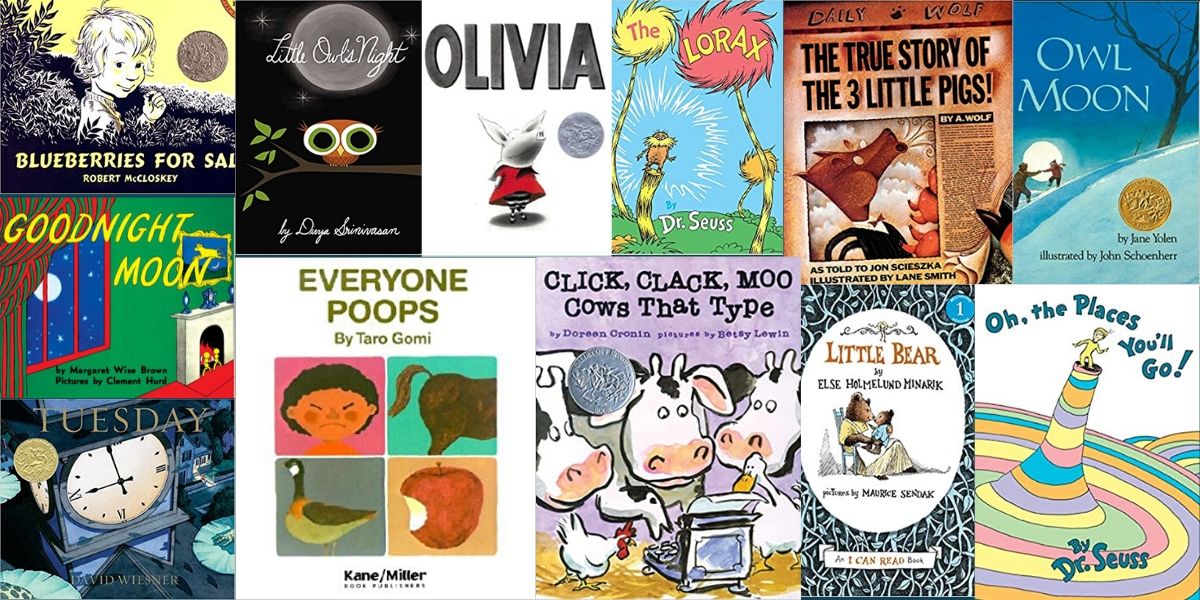
The world of children’s literature is a vibrant, ever-expanding universe, a place where imagination knows no bounds and the seeds of lifelong learning are sown. From the first shared picture book to the immersive narratives that carry young readers through their formative years, these stories do more than just entertain; they educate, inspire, and shape the very fabric of identity. At Lbibinders.org, we believe in celebrating the profound impact of these literary treasures, delving into the books, authors, and cultural phenomena that define the best children’s books of all time. This journey explores the timeless tales that have captured hearts across generations, examining their genres, the genius of their creators, their educational value, and their lasting legacy in our libraries and collective consciousness.
The Foundations of Childhood Imagination: Iconic Books and Their Genres
The landscape of children’s books is as diverse and dynamic as childhood itself, evolving from moralistic fables to sophisticated narratives that tackle complex themes with sensitivity and artistry. When we speak of the “best” children’s books, we are often referring to those classics that have transcended time, but also to bestsellers that capture contemporary imagination, and new releases that push the boundaries of storytelling. Lbibinders.org meticulously categorizes and reviews these works, helping parents, educators, and young readers navigate this rich world.
Children’s literature can broadly be segmented into several genres, each catering to different developmental stages and interests. Picture books, with their captivating illustrations and concise text, are foundational, introducing concepts like friendship, emotions, and the natural world to the youngest readers. Early readers bridge the gap, building vocabulary and confidence with simpler sentences and engaging plots. Middle grade fiction, aimed at children aged 8-12, often explores themes of identity, adventure, and social dynamics, fostering deeper emotional and intellectual engagement. While often considered a distinct category, Young Adult (YA) literature further expands these horizons, grappling with more mature themes relevant to teenagers. The enduring masterpieces often blend elements across these categories, proving that great storytelling appeals universally.

Among the pantheon of children’s literature, certain books stand as towering classics, their stories etched into the cultural memory. These aren’t just old books; they are stories that continue to resonate because of their universal themes, memorable characters, and exceptional artistry. From the whimsical rhyming of Dr. Seuss to the profound simplicity of E.B. White, these classics offer consistent comfort and challenge. Bestsellers, on the other hand, indicate the pulse of current trends and children’s immediate interests, often becoming new classics in their own right. Lbibinders.org tracks both the perennial favorites and the exciting new releases, offering comprehensive book reviews that guide readers through the wealth of available options, ensuring that quality literature reaches its intended audience.
Timeless Tales: Stories That Shape Generations

What defines a timeless tale in children’s literature? It is often a combination of imaginative storytelling, relatable characters, and themes that speak to the core human experience, irrespective of cultural background or era. These are the books that parents read to their children, who then read them to their children, creating an unbroken chain of literary heritage.
Consider the indelible mark left by Dr. Seuss. Books like The Cat in the Hat and Green Eggs and and Ham are not just entertaining; they are masterpieces of linguistic play, teaching phonics and rhythm while encouraging imaginative freedom and questioning conformity. His whimsical worlds and unforgettable characters introduced generations to the joy of reading, proving that learning could be an utterly delightful adventure.
Then there is E.B. White’s Charlotte’s Web, a story that gracefully navigates profound themes of friendship, life, death, and the cycle of nature with unparalleled elegance. The gentle prose, the endearing characters of Wilbur and Charlotte, and the profound message about the beauty of life and the inevitability of change, make it a cornerstone of middle-grade fiction. Its ability to address complex emotions in an accessible way has cemented its place as a literary classic that continues to evoke tears and smiles decades after its publication.
Maurice Sendak’s Where the Wild Things Are is another benchmark, a concise yet incredibly potent exploration of childhood emotions – anger, imagination, and the comforting return to safety. Its revolutionary approach to depicting a child’s inner world and its stunning illustrations broke new ground, affirming the complexity of young feelings. Similarly, Antoine de Saint-Exupéry’s The Little Prince, while often shelved with children’s books, offers layers of philosophical insight on love, loss, and the nature of humanity, resonating deeply with readers of all ages. These stories endure because they speak to the universal experiences of growing up, forming bonds, and making sense of the world, shaping the moral and emotional landscape of countless young minds.
The Creative Minds Behind the Magic: Celebrating Authors
Behind every beloved children’s book lies the unique vision of an author, sometimes in collaboration with a gifted illustrator. These creators are more than just storytellers; they are architects of imagination, building worlds and characters that become lifelong companions. At Lbibinders.org, we delve into the lives and inspirations of these remarkable individuals, understanding how their personal journeys and artistic sensibilities have shaped the literature that defines childhood.
The biographies of children’s authors often reveal fascinating insights into their work. Beatrix Potter, for instance, drew inspiration from her deep love for the natural world and the detailed observations she made of animals, translating them into the charming, anthropomorphic characters of Peter Rabbit and his friends. Roald Dahl, with his mischievous spirit and sometimes dark humor, channelled his own imaginative childhood and wartime experiences into unforgettable tales like Matilda and Charlie and the Chocolate Factory, often featuring protagonists who triumph over adversity and unfair adults. These biographical details are crucial to understanding the genesis and enduring appeal of their famous works.
Each children’s author possesses a distinctive writing style that sets their work apart. Dr. Seuss’s mastery of rhythm and rhyme created an unparalleled auditory experience, making his books a joy to read aloud. E.B. White’s prose, on the other hand, is characterized by its clarity, warmth, and lyrical quality, infusing even the simplest descriptions with beauty. Maurice Sendak’s sparse yet powerful text, combined with his iconic illustrations, conveyed profound emotions with remarkable economy. These unique voices are what make children’s literature so rich and varied, offering a spectrum of experiences from the purely whimsical to the deeply poignant. Understanding their inspirations—whether from personal memory, observations of children, or a desire to impart certain values—helps us appreciate the profound intentionality behind their seemingly simple stories.
Crafting Worlds: Authorial Genius in Children’s Literature
The genius of children’s authors often lies not just in their ability to tell a story, but in their capacity to craft entire worlds that feel both fantastical and deeply real. Their famous works are testaments to their unique perspectives and unparalleled skills.
Take Roald Dahl, whose name is synonymous with imaginative and often darkly humorous children’s fiction. His ability to create villains who are truly despicable (Miss Trunchbull, the Grand High Witch) and child heroes who are resourceful and resilient (Matilda Wormwood, Charlie Bucket) is legendary. Dahl’s writing style, characterized by vivid descriptions, inventive vocabulary, and a slightly subversive edge, empowers young readers and validates their sense of justice. His stories, while often fantastical, are deeply rooted in universal themes of good versus evil, courage, and the power of imagination.
Maurice Sendak’s artistic genius extended beyond his text to his revolutionary illustrations. In Where the Wild Things Are, his meticulous cross-hatching and the gradual expansion of the “wild rumpus” illustrations perfectly convey Max’s emotional journey. Sendak understood that children’s emotions are complex and often overwhelming, and he gave them visual and textual validation. His work is a masterclass in how text and illustration can combine to create a deeply resonant and emotionally intelligent narrative.
Similarly, Beatrix Potter’s blend of natural observation and gentle anthropomorphism in The Tale of Peter Rabbit created a template for countless animal stories. Her delicate watercolor illustrations are as integral to the storytelling as her carefully worded prose, crafting a world that feels both real and enchanting. These authors, whether through their linguistic prowess, visual artistry, or a perfect blend of both, have not merely told stories; they have forged enduring literary legacies that continue to inspire and entertain new generations of readers.
Beyond the Story: Reading, Learning, and Lifelong Impact
Children’s books are far more than mere entertainment; they are powerful tools for reading and learning, shaping minds and hearts in profound ways. At Lbibinders.org, we emphasize the educational value and life lessons embedded within these narratives, recognizing their critical role in fostering literacy and personal growth. From expanding vocabulary to developing empathy, the act of reading a children’s book is a multifaceted learning experience.
The educational value of children’s literature is immense. Picture books introduce basic concepts, colors, numbers, and the alphabet, laying the groundwork for literacy. As children progress to early readers and middle-grade novels, they encounter increasingly complex vocabulary, sentence structures, and narrative techniques. This exposure enhances language acquisition, improves reading comprehension, and nurtures critical thinking skills. Beyond language, stories can introduce children to diverse cultures, historical events, scientific concepts, and social issues, broadening their worldview in an accessible and engaging manner. Lbibinders.org often provides summaries and analyses that highlight these specific educational benefits, offering parents and educators a deeper understanding of each book’s pedagogical potential.
Perhaps even more significant are the life lessons that children’s books impart. Stories provide a safe space for children to explore complex emotions, moral dilemmas, and social situations. Charlotte’s Web, for instance, teaches about friendship, loyalty, the acceptance of loss, and the cycle of life with profound grace. Books like The Invisible String help children cope with separation and grief, while narratives focusing on characters overcoming challenges (such as in many modern fantasy series) instill resilience and problem-solving skills. These stories foster empathy by allowing children to step into the shoes of diverse characters, developing a greater understanding of different perspectives and experiences.
Encouraging healthy reading habits from a young age is crucial. Shared reading experiences, where parents or caregivers read aloud, create bonding moments and cultivate a love for books. Building a home library, visiting public libraries regularly, and allowing children to choose books that genuinely interest them are all vital steps in fostering a lifelong reading habit. Lbibinders.org advocates for these practices, understanding that the consistent engagement with literature is key to unlocking its full transformative power. The lessons learned and the habits formed during these formative years can profoundly influence an individual’s intellectual curiosity, emotional intelligence, and overall well-being throughout their life.
Nurturing Young Minds: The Pedagogical Power of Children’s Books
The pedagogical power of children’s books extends far beyond simple information transfer; it lies in their ability to stimulate imagination, cultivate emotional intelligence, and encourage moral reasoning. They are not merely stories, but laboratories for life, where young minds can experiment with ideas and feelings in a low-stakes environment.
Consider the role of books in social-emotional learning (SEL). Stories featuring characters who experience bullying, sadness, joy, or conflict provide relatable scenarios for children to process their own emotions and develop coping strategies. A book like Wonder by R.J. Palacio, for example, directly addresses themes of acceptance, kindness, and self-esteem through the eyes of a child with a facial difference, fostering empathy and challenging prejudices. Similarly, books in the Diary of a Wimpy Kid series, while humorous, often depict the social challenges of middle school, allowing young readers to feel understood and to see different ways of navigating peer dynamics.
Moreover, children’s literature is a potent vehicle for fostering critical thinking and problem-solving skills. Mysteries and adventure stories engage children in logical deduction and prediction. Even simple picture books can spark conversations about cause and effect or different perspectives. For example, The Three Little Pigs can lead to discussions about planning, diligence, and even the ethics of construction materials. As children grow, series like Harry Potter present complex moral dilemmas and societal issues, encouraging readers to think about justice, loyalty, and the nature of power.
The role of parents and educators in guiding these reading experiences cannot be overstated. By engaging in discussions about the characters’ choices, the story’s themes, and the feelings evoked, adults can help children deepen their understanding and extract maximum educational and emotional value. Lbibinders.org champions this active engagement, recognizing that a good book, coupled with thoughtful interaction, can become a powerful force in nurturing well-rounded, compassionate, and intellectually curious young individuals.
The Role of Libraries and Cultural Influence
Children’s books do not exist in a vacuum; their reach and impact are amplified by the institutions that house them and the broader cultural ecosystem they inhabit. Libraries, in particular, serve as crucial custodians and disseminators of children’s literature, while the cultural influence of these stories extends far beyond the printed page, shaping art, media, and community.
Libraries, both public and digital, play an indispensable role in ensuring equitable access to children’s books. Public libraries, often the first point of contact for many children with the wider world of literature, provide free access to countless stories, fostering a love for reading regardless of socio-economic background. They are community hubs, offering story times, reading programs, and a welcoming space for discovery. Digital libraries expand this reach, providing access to e-books and audiobooks globally, especially vital for remote communities or those with limited physical mobility. Lbibinders.org supports and highlights the efforts of these institutions, understanding their critical function in promoting literacy and cultural engagement. Furthermore, libraries often safeguard rare collections and archives of children’s literature, preserving the historical evolution of the genre for future scholars and enthusiasts.
Beyond direct readership, children’s books exert immense cultural impact. Their literary influence can be seen in later works of fiction, poetry, and even academic thought, demonstrating how early exposure to powerful narratives shapes future creators and thinkers. Many beloved children’s books have inspired adaptations across various media – from blockbuster films and animated series to theatrical productions and video games. These adaptations broaden the stories’ reach, introducing them to new audiences and cementing their place in popular culture. Prestigious awards such as the Newbery Medal, Caldecott Medal, and Carnegie Medal recognize and celebrate excellence in children’s literature, shining a spotlight on authors and illustrators whose work merits wider attention and ensures a standard of quality. Finally, children’s literature fosters vibrant communities, both offline through book clubs and literary events, and online through platforms like Lbibinders.org, where readers, parents, educators, and authors can connect, share reviews, and discuss the books that have touched their lives.
Guardians of Knowledge: Libraries and the Expanding Reach of Children’s Literature
Libraries stand as the unyielding pillars of literacy and imagination, particularly for children’s literature. They are more than just repositories of books; they are dynamic spaces that embody the very spirit of reading and learning. Public libraries, with their welcoming children’s sections, are often where a child’s reading journey truly begins, offering a treasure trove of stories that might otherwise be inaccessible. They ensure that every child, regardless of their family’s income or location, has the opportunity to explore the vast worlds contained within books. Storytime sessions, summer reading challenges, and educational workshops are just a few ways libraries actively engage young minds, fostering a lifelong appreciation for books and learning.
In the digital age, the concept of a library has expanded dramatically. Digital libraries and online archives provide unprecedented access to children’s literature, allowing instant access to e-books and audiobooks with just a click. This digital expansion is crucial for children in remote areas, for those with print disabilities, or for families on the go. Lbibinders.org recognizes the immense value of both physical and digital libraries, celebrating their complementary roles in breaking down barriers to access and democratizing knowledge. These institutions are not merely storing books; they are actively disseminating them, nurturing new readers, and preserving the rich heritage of children’s literature for generations to come.
A Legacy of Imagination: Children’s Books in the Global Cultural Tapestry
The cultural footprint of children’s books is astonishingly vast and deeply ingrained in our collective consciousness. Many of the “best children’s books of all time” have transcended their original format and language, becoming global phenomena that inform popular culture, language, and shared understanding. Their literary influence can be seen in countless works of art, music, and subsequent literature, proving that the lessons and narratives absorbed in childhood continue to resonate throughout life.
The most beloved stories often find new life through adaptations. Harry Potter moved from bestselling books to a multi-billion dollar film franchise, theme parks, and stage plays, becoming a cultural touchstone worldwide. Dr. Seuss’s creations regularly appear in animated specials and movies, continually introducing his unique brand of whimsical wisdom to new generations. These adaptations are not just entertainment; they reinforce the original stories’ themes and characters, embedding them even deeper into the cultural tapestry.
Awards like the Newbery, Caldecott, and Hans Christian Andersen Awards serve as beacons, highlighting exceptional works that demonstrate artistic and literary merit. These accolades not only celebrate the talent of authors and illustrators but also guide parents and educators towards high-quality literature, helping to shape the canon of children’s books. Furthermore, children’s literature fosters robust communities. Online platforms such as Lbibinders.org, along with local book clubs and literary festivals, provide spaces for discussion, shared passion, and celebration. These communities reinforce the enduring power of these stories, connecting individuals through a shared love of the magic that only a truly great children’s book can conjure, ensuring that their legacy of imagination continues to inspire across borders and generations.
In conclusion, the best children’s books of all time are more than just stories; they are the bedrock of imagination, empathy, and lifelong learning. From the innovative narratives crafted by visionary authors to the crucial role of libraries in making these treasures accessible, and the profound cultural impact they wield, children’s literature shapes individuals and societies alike. At Lbibinders.org, we are dedicated to exploring, reviewing, and celebrating this rich literary tradition, encouraging every child and adult to discover the enduring magic contained within these pages. Let us continue to read, share, and cherish these stories, ensuring that the magic of childhood, and the wisdom it imparts, thrives for generations to come.