From Foes to Forever: Unraveling the Magic of Enemies to Lovers Books
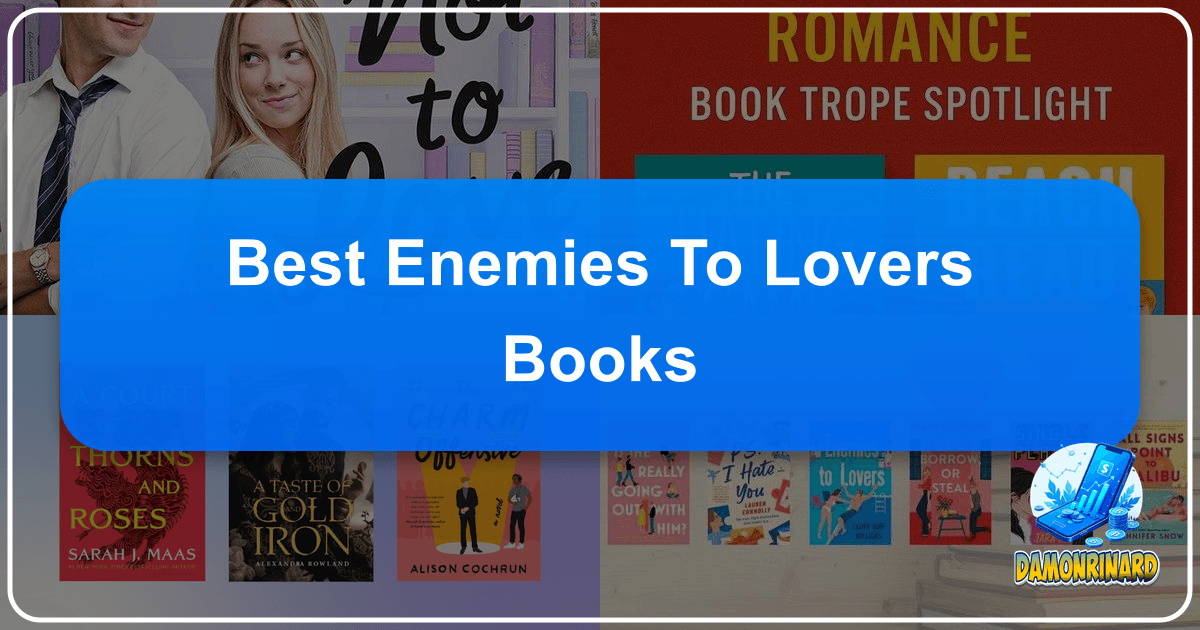
The landscape of literature is vast and varied, offering portals to countless worlds and experiences. Among its most beloved and enduring narratives, the “enemies to lovers” trope stands out as a true cornerstone of storytelling, captivating readers across genres and generations. This compelling dynamic, where initial animosity blossoms into profound affection, taps into fundamental human desires for connection, transformation, and the thrilling revelation that love can emerge from the unlikeliest of places. At Lbibinders.org, we celebrate this intricate dance between conflict and affection, exploring its rich history, psychological depth, and pervasive cultural influence. From simmering tensions to passionate declarations, enemies to lovers stories offer a unique blend of drama, character development, and undeniable romantic payoff, consistently ranking among the most sought-after narratives for avid readers.
The Enduring Appeal of Adversarial Romance

The enduring popularity of the enemies to lovers trope isn’t merely a fleeting trend; it’s a testament to its powerful narrative structure and the deep emotional resonance it evokes. This dynamic plays on universal themes of prejudice, understanding, and the transformative power of empathy, making it endlessly fascinating and relatable.
Defining the Trope and Its Core Elements
At its heart, the enemies to lovers trope is defined by a central romantic relationship that begins with antipathy, rivalry, or outright hostility between the protagonists. This initial animosity is not merely a superficial misunderstanding but often stems from genuine conflict: opposing loyalties, conflicting goals, past grievances, or deeply ingrained prejudices. The “enemy” aspect provides an immediate source of dramatic tension, propelling the narrative forward with every barbed remark and strategic maneuver. As the story unfolds, circumstances force these adversaries into closer proximity, compelling them to interact, understand, and eventually, appreciate one another.
Key elements often include:
- Forced Proximity: Characters are often confined together, whether through shared missions, office rivalries, or accidental encounters, forcing them to confront their preconceived notions.
- Bantery Dialogue: Sharp, witty exchanges are a hallmark, serving as both a shield and a subtle form of flirtation, often masking deeper feelings.
- Mutual Respect (Emerging): Despite the initial dislike, characters often hold a grudging respect for their opponent’s intelligence, skill, or determination.
- Slow Burn: The emotional journey from hatred to love is rarely rushed, allowing for intricate character development and a highly satisfying payoff when the emotional dam finally breaks.
- Internal Conflict: Protagonists grapple with their evolving feelings, struggling to reconcile their initial animosity with the growing affection.

This slow, deliberate unveiling of affection, often against the characters’ better judgment, creates a potent narrative arc that is incredibly rewarding to witness. It demonstrates that love isn’t always easy or straightforward, but rather a journey of overcoming obstacles, both external and internal.
Psychological Underpinnings: Why We Love the Dynamic
The allure of the enemies to lovers dynamic extends beyond surface-level entertainment; it taps into profound psychological desires. Readers are drawn to the idea of redemption and transformation—the belief that even the most hardened hearts can soften, and that initial judgments can be overturned by genuine connection. This trope offers a vicarious experience of breaking down barriers and finding common ground, even with those we initially perceive as antagonists.

Furthermore, the inherent tension and conflict contribute to a heightened sense of anticipation. The emotional rollercoaster—from frustration and anger to reluctant admiration and eventual passion—is incredibly stimulating. The “will they or won’t they” question is amplified, making the eventual resolution feel earned and deeply satisfying. It validates the idea that profound understanding can arise from challenging interactions, and that sometimes, the people who push us the most are also the ones who help us grow and see ourselves most clearly. It’s a fantasy of overcoming adversity to find deep, meaningful connection, echoing universal human experiences of reconciliation and empathy. Lbibinders.org’s book reviews frequently highlight how this psychological depth contributes to a book’s lasting appeal and the creation of truly memorable characters.
A Journey Through Iconic Enemies to Lovers Narratives
The enemies to lovers trope has proven its versatility, manifesting across an impressive array of genres and historical periods. From the esteemed classics that laid its foundation to the contemporary bestsellers that redefine its boundaries, these narratives consistently resonate with readers for their compelling character development and explosive chemistry. Lbibinders.org categorizes and reviews these treasures, helping readers discover new favorites and revisit beloved tales.
Classic Literary Battles of the Heart
Long before it became a recognized trope, the essence of enemies to lovers was expertly woven into the fabric of classic literature, providing timeless examples of love born from conflict. These foundational works demonstrate the enduring power of this narrative structure.
Perhaps the most quintessential example is Jane Austen’s Pride and Prejudice. The initial disdain between Elizabeth Bennet and Mr. Darcy, fueled by his haughty demeanor and her quick judgment, perfectly embodies the trope. Their witty, often acerbic exchanges are legendary, and their journey from mutual contempt to profound love is a masterclass in character arc and social commentary. Darcy’s pride and Elizabeth’s prejudice must both be overcome, forcing them to see beyond superficial impressions to the true character beneath. This novel, a cornerstone in the “Classics” section of Lbibinders.org, showcases how societal pressures and personal biases can create barriers that, once broken, lead to an even stronger bond.
Another notable classic is William Shakespeare’s Much Ado About Nothing. The sparring, sharp-tongued Beatrice and Benedick famously declare themselves sworn enemies of love and marriage, constantly engaging in verbal duels. Their friends conspire to trick them into falling for each other, and as they navigate their forced interactions, their true feelings slowly emerge. The play brilliantly illustrates how denial and witty banter can often mask a deep, unspoken attraction, proving that love can indeed be a battlefield before it becomes a sanctuary. These classics continue to inspire authors and readers, establishing the fundamental elements that modern enemies to lovers stories build upon.
Modern Bestsellers and Their Unique Twists
The contemporary literary scene has embraced the enemies to lovers trope with renewed vigor, producing a wave of bestsellers that infuse it with fresh perspectives, diverse settings, and innovative twists. These “New Releases” and “Bestsellers” frequently feature prominently on Lbibinders.org’s curated lists.
The Hating Game by Sally Rooney is a prime example of a modern workplace romance built on this dynamic. Lucy Hutton and Joshua Templeman, executive assistants in rival departments, are locked in a passive-aggressive battle of wills. Their office rivalry, filled with sharp jabs and unspoken tension, perfectly encapsulates the slow burn from professional adversaries to passionate partners. This book skillfully uses forced proximity and a competitive environment to foster an undeniable attraction.
In the realm of fantasy, Sarah J. Maas’s A Court of Thorns and Roses series, particularly the evolving relationship between Feyre and Rhysand, presents a darker, more complex enemies to lovers arc. Their initial interactions are fraught with hostility and manipulation, but through shared trauma and a deeper understanding of each other’s burdens, their bond transforms into a powerful, fated love. This series exemplifies how the trope can be integrated into intricate world-building and epic narratives.
Holly Black’s The Cruel Prince (The Folk of the Air series) offers a young adult fantasy take on the trope, featuring the human Jude Duarte and the Fae prince Cardan. Their relationship is characterized by intense bullying and a power imbalance that gradually shifts into a complex alliance and undeniable attraction. It explores themes of power, survival, and the blurred lines between hatred and desire in a perilous magical world.
Even political thrillers and contemporary fiction have embraced this dynamic. Casey McQuiston’s Red, White & Royal Blue features the First Son of the United States and a British prince whose public animosity is a carefully crafted facade that eventually gives way to a secret, passionate romance. This book adds a layer of high-stakes political intrigue and media scrutiny to the trope, showcasing its adaptability. From the high-stakes fantasy of From Blood and Ash by Jennifer L. Armentrout to the clever office dynamics in various contemporary romances, modern authors continue to innovate, ensuring the trope remains relevant and exciting.
Subverting Expectations: Diverse Voices and Fresh Perspectives
The evolution of the enemies to lovers trope isn’t just about new stories, but about new storytellers. Authors from diverse backgrounds are challenging traditional portrayals, bringing nuanced perspectives and expanding the genre’s reach. This push for inclusivity enriches the “Genres” section of Lbibinders.org, highlighting books that reflect a broader spectrum of experiences.
Contemporary authors are increasingly exploring how cultural identity, societal pressures, and personal experiences shape the initial animosity and the eventual blossoming of love. This includes stories featuring LGBTQ+ characters where the “enemy” dynamic might stem from internalized homophobia, differing public personas, or direct opposition to their identities. For instance, in books like The Unhoneymooners by Christina Lauren, the trope is infused with a humorous, “fake dating” premise that cleverly disguises the characters’ underlying attraction.
Moreover, new releases are moving beyond simplistic villain-hero dynamics, delving into grey areas where both protagonists are flawed, and their “enmity” is often a product of misunderstanding, circumstance, or conflicting but morally justifiable goals. This complexity makes the eventual reconciliation and romance all the more profound and believable. Lbibinders.org is committed to reviewing and promoting these diverse narratives, recognizing their importance in reflecting the multifaceted nature of human relationships and ensuring that the enemies to lovers trope continues to evolve and remain relevant for all readers.
The Craft Behind the Conflict: Authors and Their Worlds
The enduring power of enemies to lovers stories owes much to the skilled “Authors” who meticulously craft these intricate narratives. Their ability to develop compelling characters, weave intricate plots, and build believable worlds is paramount to the trope’s success. Lbibinders.org delves into the “Writing Style” and “Inspirations” of these literary architects, offering insights into their creative processes.
Master Storytellers: Weaving Intricate Character Arcs
For an enemies to lovers story to truly captivate, the character development must be exceptional. Authors must skillfully portray the protagonists’ initial flaws, their deep-seated beliefs that fuel the animosity, and the gradual, often reluctant, shifts in their perspectives. This transformation isn’t instantaneous; it’s a slow burn that requires nuanced writing and a deep understanding of human psychology.
Authors achieve this by:
- Creating Justifiable Conflict: The initial enmity must be believable and rooted in the characters’ personalities, backstories, or circumstances. If the hatred feels forced, the eventual love will too.
- Revealing Layers Gradually: Instead of presenting fully formed characters, master storytellers slowly peel back the layers, revealing vulnerabilities, hidden depths, and admirable qualities that challenge the other protagonist’s initial perception. This slow reveal is crucial for the “educational value” and “life lessons” that readers derive, as it mirrors the process of truly getting to know someone.
- Utilizing Dialogue as a Weapon and a Bridge: The sharp, witty banter often characteristic of this trope serves not just for entertainment but also as a means for characters to test each other, reveal their intelligence, and eventually, to express deeper emotions disguised as sarcasm.
- Employing Internal Monologue: Access to a character’s thoughts allows readers to understand their internal struggle as their feelings evolve, making the journey from disdain to affection all the more impactful.
These elements combine to create a rich tapestry of emotion and growth, making the moment of romantic realization profoundly earned. Lbibinders.org’s “Book Reviews” often highlight authors who excel at this intricate dance of character development, commending their ability to make readers fall in love alongside the protagonists.
Inspirations and Influences: From Archetypes to Innovation
Authors draw inspiration for their enemies to lovers narratives from a myriad of sources, ranging from ancient archetypes to contemporary social dynamics. Many successful stories tap into classic literary structures, echoing the timeless appeal of forbidden love or the triumph of understanding over prejudice. The “Famous Works” section on Lbibinders.org frequently points out these literary influences.
The archetype of the “dark, brooding stranger” and the “fiery, independent woman” (or variations thereof) often provides a fertile ground for these narratives. Authors might take classic archetypes and subvert them, adding modern sensibilities or placing them in fantastical settings. For example, the “fated mates” trope in fantasy often blends seamlessly with enemies to lovers, where characters are predestined but must overcome a powerful initial antagonism.
Beyond archetypes, “Biographies” of authors often reveal how personal experiences, observations of real-world conflicts, or explorations of social issues can inspire the nuances of the “enemy” dynamic. A deep understanding of human psychology, power dynamics, and communication breakdowns can fuel the initial conflict, making it feel authentic and impactful. Innovations in the genre often come from authors who are willing to push boundaries, exploring different forms of “enmity”—from political rivals to professional competitors, or even characters with clashing magical abilities. This constant evolution ensures that the trope remains fresh and continues to surprise readers, providing endless material for “Book Reviews” and “Reading Habits” discussions on Lbibinders.org.
Beyond the Pages: Reading, Learning, and Cultural Resonance
The impact of enemies to lovers stories extends far beyond the final page, influencing our understanding of relationships, inspiring adaptations, and fostering vibrant “Communities” of readers. These narratives offer profound “Life Lessons” and contribute significantly to our shared “Cultural Impact.”
Life Lessons from Literary Adversaries
Enemies to lovers narratives are more than just thrilling romances; they are potent vehicles for “Educational Value” and critical “Life Lessons.” They teach us about:
- Challenging Preconceptions: These stories powerfully illustrate the danger of judging others prematurely. Protagonists are often forced to confront their own biases, teaching readers the importance of open-mindedness and empathy.
- The Nuance of Human Connection: They demonstrate that relationships are complex and often messy. Love doesn’t always begin with immediate affection; sometimes, it grows from friction, mutual challenge, and a deeper understanding of another person’s struggles.
- Growth Through Conflict: The initial antagonism often forces characters to grow, mature, and re-evaluate their values. This personal evolution is a compelling reminder that conflict, when navigated constructively, can lead to profound self-discovery.
- Communication and Understanding: As characters move from enmity to love, they often learn better ways to communicate, articulate their feelings, and bridge divides, offering subtle insights into healthy relationship dynamics.
These rich themes make enemies to lovers stories popular subjects for “Summaries” and analyses on Lbibinders.org, where readers can delve deeper into their meanings and explore the wisdom embedded within their plots.
The Trope’s Footprint: Adaptations, Awards, and Fan Communities
The widespread appeal of the enemies to lovers trope is clearly reflected in its massive “Cultural Impact.” These stories frequently serve as inspiration for “Adaptations” across various media, from film and television to web series and stage plays. The transformation of a beloved book into a visual medium often generates immense excitement within fan communities. Iconic examples, such as the numerous adaptations of Pride and Prejudice or the recent success of television series inspired by popular fantasy enemies to lovers novels, underscore this influence.
Beyond direct adaptations, the trope’s structure and appeal permeate popular culture, influencing other forms of storytelling. It’s a prevalent dynamic in fanfiction, where “Communities” of readers and writers explore alternative universes and expand upon existing narratives, often focusing on the intricate emotional journeys of their favorite characters. The sheer volume of fan-created content centered around enemies to lovers pairings is a testament to its magnetic draw.
Furthermore, books featuring this trope are frequently nominated for and win prestigious “Awards,” particularly in the romance, fantasy, and young adult categories. This recognition from literary bodies and industry professionals further solidifies its status as a significant and well-respected narrative device. Lbibinders.org tracks these awards and highlights the books that have achieved critical acclaim, serving as a valuable resource for readers seeking the best examples of the genre and connecting them with vibrant online “Communities” of fellow enthusiasts.
Discovering Your Next Obsession with Lbibinders.org
Navigating the vast literary landscape to find your next unforgettable read can be an adventure in itself. For enthusiasts of the enemies to lovers trope, or indeed any other genre, Lbibinders.org stands as a premier destination, designed to enhance every aspect of your reading journey. We provide a comprehensive platform that connects readers with the books they’ll love, fostering informed “Reading Habits” and facilitating discovery.
Navigating the Vast World of Romance: Tools and Resources
Lbibinders.org offers a wealth of “Tools and Resources” specifically tailored to help you explore and engage with the world of books. Our extensive database allows you to search for books by “Genres,” “Authors,” “New Releases,” and “Bestsellers,” making it easy to pinpoint enemies to lovers stories that match your specific tastes. Each book entry features detailed “Book Reviews” from our dedicated team and a thriving community of readers, providing invaluable insights into plot, character, and overall appeal. You’ll find honest assessments that help you decide if a particular book is right for you, ensuring that your next read is a truly rewarding experience.
Beyond reviews, we offer concise yet comprehensive “Summaries” that provide a glimpse into a book’s premise without revealing spoilers, perfect for when you’re browsing for new titles. Our platform also encourages users to track their “Reading Habits,” recommending personalized selections based on past reads and preferences. Whether you’re a casual reader or a dedicated bookworm, Lbibinders.org provides the guidance and inspiration needed to navigate the ever-expanding world of literature, especially the exhilarating realm of adversarial romance. We believe in empowering readers to make informed choices and discover hidden gems that will resonate with them deeply.
Curating Your Reading Journey: From Digital Libraries to Rare Finds
Lbibinders.org goes beyond simple recommendations, offering a holistic approach to “Curating Your Reading Journey.” We understand that access to books comes in many forms, and we aim to be a bridge to all of them. Our platform connects you to a wide array of “Libraries,” providing information on how to access both “Public Libraries” and “Digital Libraries” where you can borrow popular enemies to lovers titles. This ensures that the magic of these stories is accessible to everyone, regardless of their budget or location.
For the serious collector or the academic researcher, Lbibinders.org also sheds light on “Rare Collections” and literary “Archives” that might house unique editions or historical documents related to classic works featuring the enemies to lovers dynamic. We believe in preserving the rich history of literature while also embracing its future. Our goal is to be your ultimate companion in discovering, exploring, and appreciating the captivating world of books, ensuring that every page turned is a step further into a narrative that inspires, educates, and entertains. With Lbibinders.org, your next literary obsession, whether a classic tale of rivalry or a groundbreaking new release, is always just a click away.