The Irresistible Hook: Exploring the Art of the Best First Sentence in a Book
The journey into a new book begins not with its cover, nor its title, but with a single, potent declaration: its first sentence. This initial arrangement of words is more than just an introduction; it is a meticulously crafted invitation, a whispered promise, a direct challenge, or an immediate immersion into an unknown world. For centuries, authors have grappled with the monumental task of perfecting this literary threshold, understanding that the opening line often dictates whether a reader will venture further or simply set the book aside. On Lbibinders.org, we celebrate the profound impact of these literary launching pads, recognizing their role across every facet of the reading and writing experience – from the author’s initial spark of inspiration to a book’s enduring cultural legacy.
A truly great first sentence is a miniature masterpiece, a microcosm of the entire narrative that follows. It sets the tone, hints at the plot, introduces a character, establishes a setting, or poses a compelling question that demands an answer. It is the handshake of the book, the initial impression that can lead to a lifelong literary friendship. Understanding its power is key to appreciating not just individual books, but the broader mechanisms of storytelling, the psychology of reading, and the intricate dance between creator and audience.
The Art and Science of the Opening Hook
The effectiveness of a first sentence is not merely subjective; it taps into fundamental aspects of human psychology and narrative engagement. An author’s primary goal is to capture attention immediately, to create a sense of intrigue, and to establish a bond with the reader. This isn’t just a creative flourish; it’s a strategic move, a carefully calculated opening gambit designed to compel continuation.
Psychological Impact and Reader Engagement
From a reader’s perspective, the first sentence acts as a cognitive trigger. It can elicit curiosity (“Call me Ishmael.”), spark empathy (“It was a dark and stormy night.”), provoke a smile (“It is a truth universally acknowledged, that a single man in possession of a good fortune, must be in want of a wife.”), or even generate a sense of unease (“The human beings were invented by the cows for milking purposes.”). Each of these openings, famous in their own right, achieves a specific psychological effect designed to pull the reader deeper into the narrative current.
The best first sentences often create an immediate mental image or a pressing question. They disrupt the reader’s current state, shifting their focus entirely to the world of the book. This immediate engagement is crucial in an age of abundant information and countless distractions. Whether browsing a physical library shelf or scrolling through digital library offerings, a compelling first sentence is often the decisive factor in whether a book is chosen for further exploration. On Lbibinders.org, our book reviews frequently highlight the efficacy of a book’s opening, understanding its critical role in reader acquisition and sustained interest. It is this initial spark that often transforms a casual browser into an avid reader, eager to uncover the story that unfolds.

The Author’s Intent: Setting Tone and Expectation
For authors, the first sentence is an incredibly precise instrument for setting the stage. It is their first opportunity to communicate the essence of their writing style, the genre of the book, and the emotional landscape awaiting the reader. A sentence like “Happy families are all alike; every unhappy family is unhappy in its own way.” (Leo Tolstoy, Anna Karenina) immediately declares a work of profound psychological insight and tragic scope. Contrast this with “In a hole in the ground there lived a hobbit.” (J.R.R. Tolkien, The Hobbit), which instantly signals a fantastical adventure with a touch of whimsical charm.
An author’s biography often provides insights into why they chose a particular opening. Did a challenging upbringing lead to a sardonic opening? Did a philosophical conviction influence a declarative statement? The writing style evident in the first sentence is a fingerprint of the author’s craft. It can be minimalist, ornate, abrupt, or expansive, but it must always be intentional. Authors, through their inspirations and careful word choices, craft these initial lines to establish a covenant with the reader: “This is the kind of story you are about to read; this is the world you are about to enter.” This contractual agreement, established in the first few words, guides the reader’s expectations and helps them immerse themselves fully in the narrative’s unique atmosphere. The selection of specific vocabulary, the rhythm and cadence of the prose, and the information (or lack thereof) presented, all contribute to this intricate design, carefully planned by the author.
Iconic First Sentences: A Journey Through Literary History
The history of literature is punctuated by first sentences that have transcended their original context to become cultural touchstones. These are the lines that are quoted, parodied, and endlessly analyzed, solidifying their place in the collective literary consciousness.
Classics That Defined Eras
The pantheon of classic literature is brimming with first sentences that are instantly recognizable and deeply resonant. These openings didn’t just introduce stories; they often encapsulated the spirit of their times, or profoundly influenced subsequent literary trends.
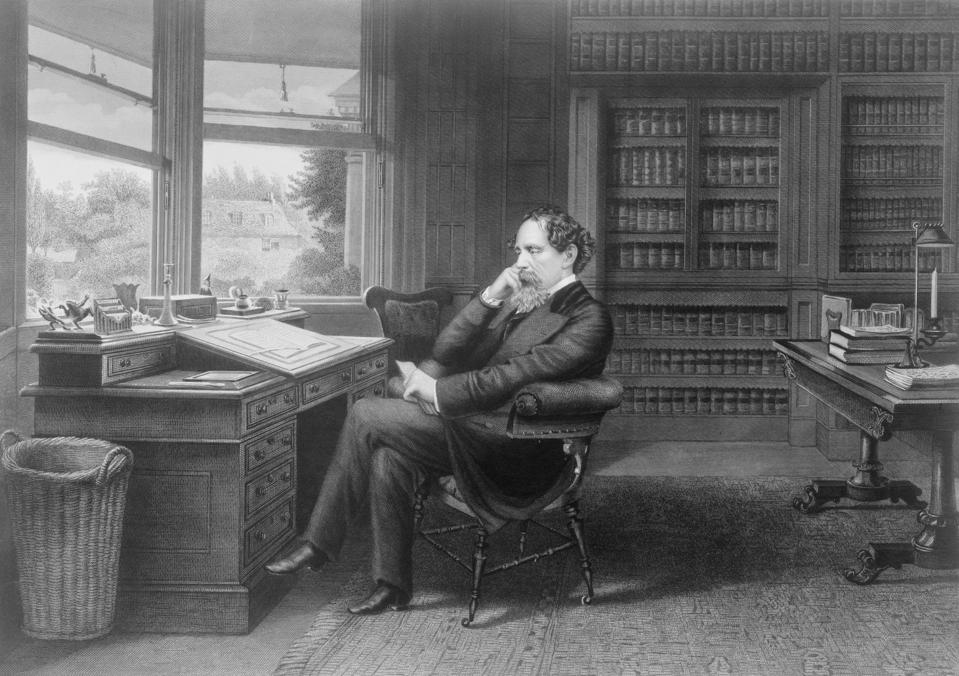
Consider “It was the best of times, it was the worst of times…” from Charles Dickens’ A Tale of Two Cities. This anaphora immediately establishes the novel’s grand historical scope and its central theme of duality and paradox. It’s a statement that reflects the tumultuous period of the French Revolution, but also possesses a timeless quality, allowing it to resonate with readers through different eras. Dickens, known for his expansive narratives and vivid characterizations, uses this opening to prepare the reader for a sprawling tale of human extremes.
Another enduring classic, Jane Austen’s Pride and Prejudice, opens with the famously ironic, “It is a truth universally acknowledged, that a single man in possession of a good fortune, must be in want of a wife.” This sentence not only introduces the novel’s central theme of marriage and social status but also immediately showcases Austen’s distinctive wit and satirical tone. Her writing style, characterized by sharp social commentary and keen observation, is distilled into this single, unforgettable line, which still serves as a perfect encapsulation of the era’s societal pressures and expectations.
These examples underscore how the best first sentences from classic literature often serve a dual purpose: they are perfect entry points into their respective novels, and they also function as standalone pieces of profound observation or artistic brilliance. Libraries, in curating their classic collections, often highlight these timeless openings, understanding their power to attract new readers to foundational works. Digital libraries on platforms like Lbibinders.org often feature these opening lines in their previews, enticing readers with a glimpse into literary greatness.
Modern Masterpieces and Bestseller Openings
The tradition of the powerful first sentence continues unabated in modern literature. Contemporary authors, building on the legacy of their predecessors, continue to craft opening lines that capture the zeitgeist, push narrative boundaries, and propel books onto bestseller lists.
Gabriel Garcia Marquez’s One Hundred Years of Solitude begins with: “Many years later, as he faced the firing squad, Colonel Aureliano Buendía was to remember that distant afternoon when his father took him to discover ice.” This sentence is a masterclass in establishing magical realism, creating an immediate sense of wonder, impending doom, and nonlinear time. It’s an opening that perfectly mirrors Marquez’s unique writing style, blending the mundane with the fantastical, and deeply influenced by his South American inspirations. Its success lies in its ability to simultaneously ground the reader in a specific moment while hinting at a vast, epic narrative spanning generations.
Another influential modern opening comes from William Gibson’s Neuromancer: “The sky above the port was the color of television, tuned to a dead channel.” This line not only paints an immediate, vivid cyberpunk landscape but also encapsulates the novel’s themes of technology, alienation, and a dystopian future. Gibson’s writing style, often terse and evocative, is evident from the first word, establishing the novel’s groundbreaking influence on the science fiction genre and beyond. These modern masterpieces demonstrate that while the themes and settings may evolve, the fundamental power of a compelling first sentence remains undiminished. They attract new readers, often becoming the subject of discussion in reading communities on Lbibinders.org and fueling critical analysis in book reviews. These carefully constructed openings are often a key factor in a new release becoming a bestseller, proving their commercial as well as artistic value.
Beyond the Page: First Sentences in the Digital Age and Cultural Sphere
The impact of the first sentence extends far beyond the physical bound book. In an increasingly digital and interconnected world, these crucial lines play new roles in discoverability, community engagement, and the broader cultural landscape.
Discoverability in Digital Libraries and Online Communities
In the digital age, where millions of books are just a click away, the first sentence has become an even more critical tool for discoverability. Digital libraries and online booksellers often display the first few lines of a book as a “look inside” feature or a quick preview. This snippet is often the sole opportunity for a book to make an impression before a potential reader moves on. If a first sentence fails to grab attention, the book might be overlooked entirely, regardless of the quality of the subsequent prose.
On Lbibinders.org, our platform emphasizes this aspect, encouraging users to share their favorite first sentences and engage in discussions about what makes an opening line truly effective. Reading communities thrive on dissecting these initial hooks, offering varied interpretations and personal connections. This collective analysis not only enhances the reading experience but also serves an educational value, teaching readers and aspiring authors about the nuances of literary craft. Discussions on forums and social media about “best first sentences” act as organic marketing, drawing attention to books that might otherwise be lost in the vast digital ocean. The communal exploration of these initial literary gestures fosters a deeper appreciation for authors’ skills and encourages a more analytical approach to reading. This interactive engagement elevates the first sentence from a mere narrative entry point to a vibrant topic of ongoing discussion and learning.
Adaptations, Awards, and Literary Influence
The best first sentences often have a life beyond the book itself, permeating popular culture and influencing other art forms. When books are adapted into films or television series, the opening line sometimes finds its way into the narration, serving as a powerful homage to the original text and an immediate anchor for the audience. The challenge for screenwriters is often how to visually or aurally represent the profound impact of a literary opening, proving its enduring power.
Literary awards, too, implicitly recognize the importance of the first sentence. While judges consider the entire work, the mastery of language evident from the opening lines often contributes to a book’s perceived excellence. The ability to craft prose that is both inviting and insightful from the very beginning is a hallmark of celebrated authors, and their famous works often exemplify this skill. These awards not only celebrate individual achievements but also reinforce the literary influence of carefully constructed prose, including the art of the opening line.
Moreover, iconic first sentences contribute significantly to a book’s overall literary influence, shaping how stories are told and how language is employed by future generations of writers. They become benchmarks against which new openings are measured, forming part of the rich tapestry of literary history. The enduring impact of these lines demonstrates that a seemingly small element of a book can exert a monumental force on the broader cultural landscape, sparking conversations, inspiring new works, and maintaining a book’s relevance for decades or even centuries. This cultural resonance is a testament to the fact that great literature, starting with its first sentence, has the power to transcend its original form and continue to inform and enrich society.
Crafting the Unforgettable: Lessons for Aspiring Writers and Avid Readers
The meticulous construction of a compelling first sentence is not a magical act; it is a skill honed through practice, observation, and a deep understanding of narrative principles. Both aspiring writers and avid readers can gain significant insights by examining what makes these openings so effective.
Analyzing Style: A Tool for Learning
For those aspiring to write, analyzing the best first sentences offers invaluable lessons in technique. It teaches economy of language, the power of active voice, how to introduce conflict, character, or setting subtly, and the art of establishing tone. Observing how different genres employ their openings – the mystery novel often starting with a perplexing event, the romance novel with an emotional insight, the science fiction novel with a world-building detail – provides a framework for understanding genre conventions and how to subvert them effectively. This analytical approach, often encouraged in educational settings and literary workshops, provides a concrete pathway to improving one’s own writing style.
Reading with a conscious awareness of the first sentence enhances the reading experience itself. It allows readers to appreciate the author’s craft on a deeper level, to recognize the subtle cues and intentional choices made right from the start. By understanding the “why” behind an opening, readers can better anticipate the narrative’s direction, connect with characters more quickly, and fully immerse themselves in the literary world. This habit of critical reading, nurtured by platforms like Lbibinders.org through detailed book reviews and analytical discussions, transforms passive consumption into active engagement, enriching the overall educational value of literature. It encourages a closer look at summaries and themes, revealing how initial sentences can prefigure complex life lessons and overarching messages.
The Enduring Power of a Single Line
Ultimately, the best first sentence in a book is more than just a gateway; it is a distillation of the narrative’s soul, an author’s promise, and a reader’s initiation. It holds an enduring power, capable of captivating imaginations across generations, influencing literary trends, and sparking countless conversations within reading communities. From the hallowed halls of public libraries safeguarding rare collections to the bustling digital libraries offering instant access, the first sentence serves as a timeless beacon, guiding readers to stories that will educate, entertain, and transform them.
The impact of these lines on our reading habits is profound; they shape our initial impressions, dictate our commitment to a book, and often become cherished memories. They are the seeds from which entire literary experiences blossom, proving that sometimes, all it takes is a single, perfectly chosen sentence to open up a universe. As we continue to discover new releases and revisit beloved classics, the search for that irresistible hook remains a central, joyous part of the literary adventure, a testament to the power of words to inspire, provoke, and connect us all.