Best Horror Books of All Time
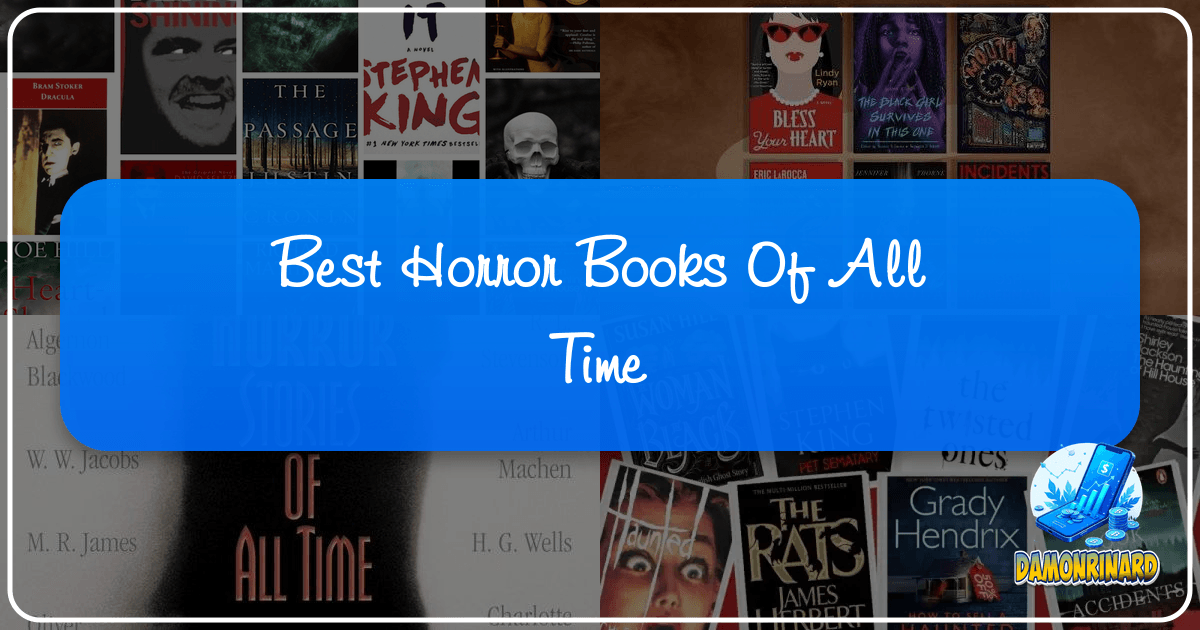
The human fascination with fear is as ancient as storytelling itself. From primeval campfire tales of lurking beasts to sophisticated psychological thrillers, the genre of horror has consistently captivated, repulsed, and enthralled audiences across centuries. It is a genre that confronts the unknown, challenges our perceptions of reality, and often holds a mirror up to the darkest aspects of the human condition and society itself. At Lbibinders.org, we believe that understanding and appreciating the best horror books of all time is not just about seeking a thrill; it’s about exploring literary genius, understanding cultural anxieties, and engaging with stories that resonate deeply and provoke thought long after the final page.
Horror literature, in its essence, is more than just jump scares and gore. It delves into the existential dread of cosmic insignificance, the creeping unease of the uncanny, the chilling realization of human depravity, and the supernatural forces that defy logical explanation. These stories, whether they feature vampires, ghosts, mad scientists, or the monsters within, serve a vital purpose: they allow us to safely confront our deepest fears, process anxieties, and explore the boundaries of morality and sanity. Join Lbibinders.org as we embark on a journey through the shadowy corridors of literary horror, uncovering the masterpieces that have defined the genre and continue to haunt our collective imagination.
The Enduring Allure of Horror Literature
Why do we willingly subject ourselves to terror? Why do we seek out stories designed to make our skin crawl and our hearts pound? The enduring allure of horror literature lies in its unique ability to engage us on multiple levels – intellectually, emotionally, and even psychologically. It offers a safe space to explore the forbidden, the grotesque, and the terrifying, providing a cathartic release that is both unsettling and strangely satisfying.
Why We Read Horror: A Deep Dive into Fear
For many, reading horror is a way to experience intense emotions in a controlled environment. Psychologically, it can be a means of confronting and processing anxieties. When we read a horror novel, our brains activate the same stress responses as if we were in real danger, but because we know we are safe, we can experience the rush of adrenaline without the actual threat. This can be exhilarating, acting as a form of emotional regulation or even a high. Lbibinders.org recognizes that horror, far from being mere entertainment, often provides profound life lessons, showing characters grappling with moral dilemmas, confronting personal demons, and struggling for survival against overwhelming odds. These narratives can enhance our understanding of resilience, courage, and the fragile nature of human existence.
Moreover, horror often serves as a powerful metaphor for societal anxieties. The monsters in our stories frequently embody the fears of their time – from the anxieties of industrialization and scientific progress in the 19th century, to the existential dread of nuclear war in the 20th, and the digital age’s isolation and loss of privacy in the 21st. Reading horror, therefore, becomes a form of cultural anthropology, allowing us to understand the underlying fears that permeate different historical periods. At Lbibinders.org, our book reviews often delve into these deeper meanings, helping readers appreciate the educational value and subtextual richness of the genre.
A Genre of Evolution: From Gothic to Contemporary
The history of horror literature is a fascinating chronicle of evolution, reflecting changing cultural values, scientific understanding, and philosophical perspectives. The genre’s roots can be traced back to oral traditions, folklore, and mythological tales of monsters and malevolent spirits. However, modern horror as we know it largely emerged from the Gothic literary movement of the 18th century. Authors like Horace Walpole (often credited with the first Gothic novel, The Castle of Otranto), Ann Radcliffe, and Matthew Gregory Lewis paved the way, introducing elements that would become staples: decaying castles, ancient curses, supernatural phenomena, and heroines in distress.
The 19th century saw the genre mature with masterpieces that transcended mere thrills. Mary Shelley’s Frankenstein (1818) explored the perils of unchecked scientific ambition and the nature of monstrosity, while Edgar Allan Poe perfected the psychological horror short story, delving into madness, grief, and the macabre with unparalleled literary artistry. Bram Stoker’s Dracula (1897) cemented the vampire mythos in popular culture, becoming one of the most enduring and adapted horror narratives. Lbibinders.org offers extensive resources on these classics, including summaries, author biographies, and analyses of their lasting influence.
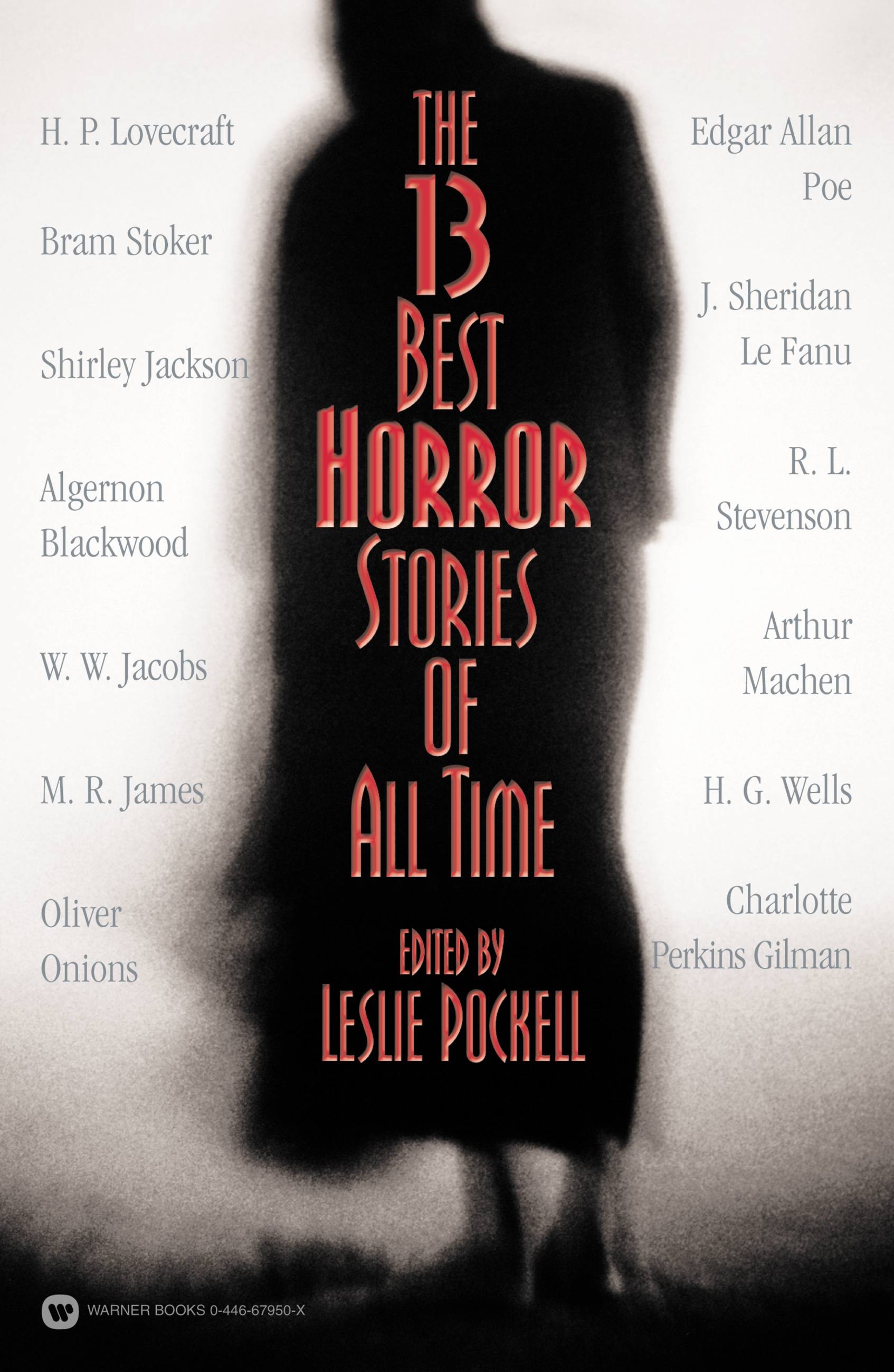
The 20th century witnessed an explosion of diversity within horror. H.P. Lovecraft introduced cosmic horror, where humanity’s insignificance in a vast, uncaring universe is the ultimate terror. Shirley Jackson redefined the haunted house story with The Haunting of Hill House, focusing on psychological terror and atmosphere. Richard Matheson’s I Am Legend offered a nuanced take on the vampire/zombie apocalypse. And, of course, the latter half of the 20th century and beyond has been profoundly shaped by authors like Stephen King, whose prolific output and ability to tap into common fears have made him synonymous with modern horror. This continuous evolution means that the genre remains vibrant, constantly adapting and finding new ways to frighten and enlighten its audience, a journey Lbibinders.org enthusiastically chronicles.
Pioneers and Masterminds of Macabre
The landscape of horror literature is dotted with towering figures whose imaginative prowess and literary skill have not only defined the genre but also pushed its boundaries. These authors, through their unique writing styles and profound insights, have crafted worlds of terror that continue to resonate with readers today. Lbibinders.org proudly features detailed author biographies and analyses of their famous works, celebrating the visionaries who dared to peer into the abyss.
Architects of Dread: Classic Horror Authors
No discussion of horror would be complete without acknowledging its foundational figures. These are the writers who laid down the blueprints for fear, whose works are considered classics not just of horror, but of literature itself.
Edgar Allan Poe (1809-1849) stands as a titan of early American literature, particularly in the realm of the macabre. His stories, such as “The Tell-Tale Heart,” “The Fall of the House of Usher,” and “The Raven,” are masterpieces of psychological suspense and atmosphere. Poe’s writing style is characterized by its meticulous structure, evocative language, and an unparalleled ability to plunge the reader into the minds of disturbed narrators. His tales often explore themes of madness, death, grief, and the fragility of human reason. Lbibinders.org’s analysis of Poe’s work highlights his profound influence on subsequent generations of horror writers, demonstrating how he refined the short story form and perfected the art of generating terror through suggestion and psychological torment rather than overt gore.
Mary Shelley (1797-1851), with her seminal novel Frankenstein; or, The Modern Prometheus (1818), gifted the world one of its most enduring monsters and, more importantly, a profound meditation on creation, responsibility, and prejudice. Shelley’s novel transcends simple horror; it’s a philosophical work that questions the ethics of scientific ambition and the societal rejection of the “other.” Her elegant prose and complex characterizations elevate Frankenstein beyond a mere scary story, cementing its status as a literary classic whose themes remain startlingly relevant. Lbibinders.org explores how Shelley’s personal inspirations, born from a literary challenge and the intellectual currents of her time, led to a work of such profound and lasting impact.
Bram Stoker (1847-1912) single-handedly shaped the modern vampire mythos with Dracula (1897). Before Stoker, vampires were diverse figures of folklore; after him, they largely conformed to the aristocratic, seductive, and terrifying Count Dracula. Stoker’s novel is a masterclass in epistolary storytelling, unfolding through journal entries, letters, and newspaper clippings, building suspense and a pervasive sense of dread. His writing style is immersive, drawing readers into a desperate fight against an ancient evil. Dracula’s enduring fame and countless adaptations attest to its powerful narrative and Stoker’s genius for crafting an iconic villain. Lbibinders.org provides detailed insights into Dracula’s structure, characters, and cultural legacy.
H.P. Lovecraft (1890-1937) introduced a unique brand of horror that would become known as Cosmic Horror or Lovecraftian horror. His pantheon of elder gods, like Cthulhu, and his emphasis on humanity’s utter insignificance in a vast, indifferent universe, created a new dimension of fear. Works like “The Call of Cthulhu,” “The Shadow Over Innsmouth,” and At the Mountains of Madness are characterized by their intricate lore, arcane knowledge, and a pervasive sense of dread stemming from the unknown and the unknowable. Lovecraft’s writing style is often dense and atmospheric, employing archaic language to build a sense of ancient, unutterable terror. Lbibinders.org recognizes Lovecraft’s complex legacy and his unparalleled influence on weird fiction and horror.
Modern Legends and Their Unique Scares
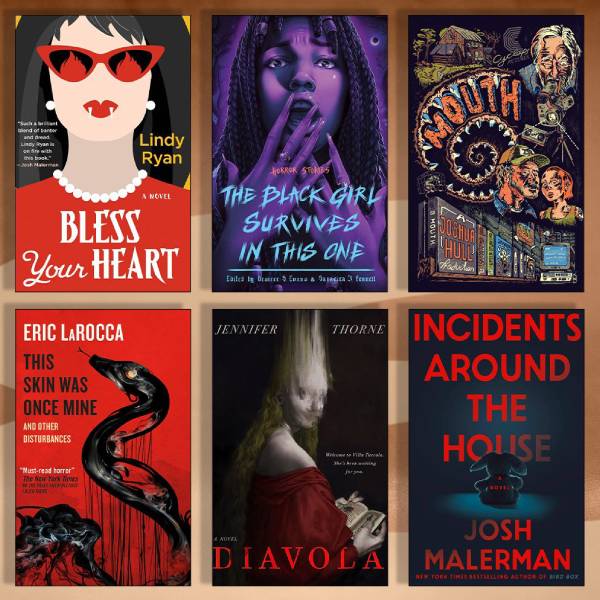
While the classics laid the groundwork, modern authors have continued to innovate, adapting horror to contemporary fears and pushing its stylistic boundaries. They are the bestsellers and the new releases that keep the genre vibrant and relevant.
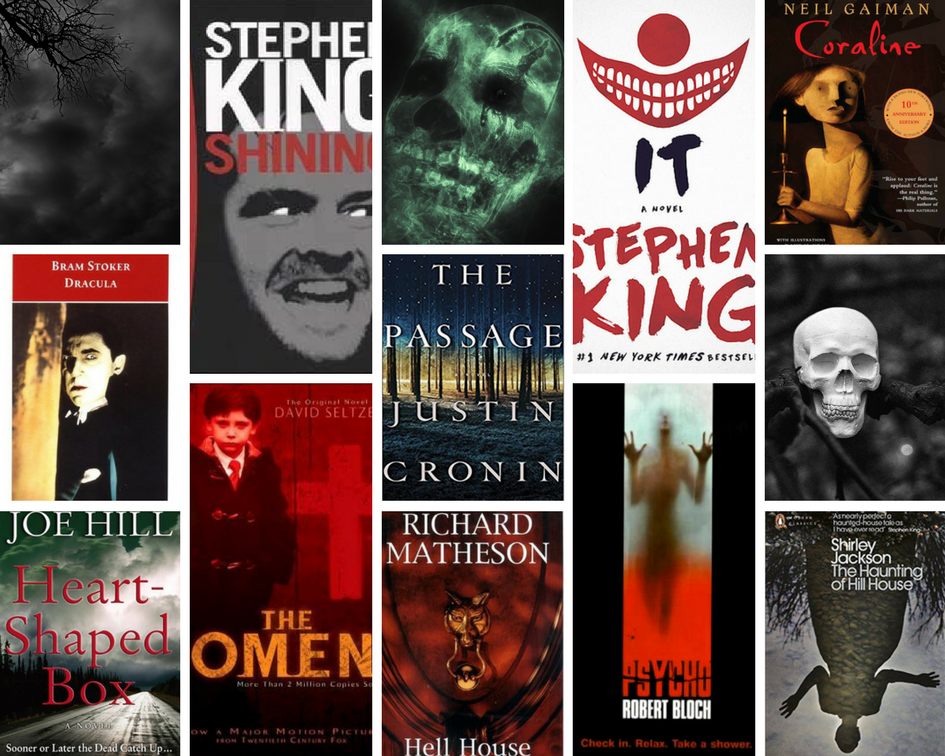
Stephen King (b. 1947) is arguably the most recognizable name in modern horror. With a career spanning decades and dozens of novels and short story collections, King possesses an uncanny ability to tap into everyday American fears – from childhood monsters to suburban anxieties, and the darkness within ordinary people. His works like It, The Shining, Carrie, and Pet Sematary are not just scary stories; they are deeply character-driven narratives that explore themes of trauma, addiction, good vs. evil, and the power of memory. King’s accessible yet powerful writing style, coupled with his prolific output, has made him a cultural phenomenon. Lbibinders.org offers comprehensive reviews and analyses of King’s vast bibliography, exploring his inspirations and the profound impact he has had on literature and popular culture.
Shirley Jackson (1916-1965) may not have been as prolific as King, but her impact on psychological horror is immense. The Haunting of Hill House is widely considered one of the finest haunted house novels ever written, eschewing explicit gore for a slow, creeping dread rooted in the characters’ deteriorating psychological states. Her masterful use of atmosphere and character development ensures that the true terror comes from within. Jackson’s stories often explore themes of domesticity, societal repression, and the dark undercurrents of seemingly ordinary lives. Lbibinders.org champions Jackson’s sophisticated approach to fear, offering insights into her subtle yet devastating writing style.
Other modern masters include Anne Rice, who revitalized the vampire mythos with her seductive and gothic Vampire Chronicles, exploring themes of immortality, beauty, and loss. Clive Barker brought “body horror” and a unique brand of dark fantasy with works like The Hellbound Heart (source material for Hellraiser), crafting intricate mythologies and exploring the intersections of pleasure and pain. Peter Straub often collaborated with Stephen King but also forged his own path with sophisticated, psychologically rich horror novels like Ghost Story and Koko, blending supernatural elements with intricate human drama. Lbibinders.org’s author profiles delve into the biographies, writing styles, and famous works of these and many other contemporary horror writers, showcasing the breadth of talent that continues to define the genre.
Subgenres of Fear: A Diverse Spectrum
One of the greatest strengths of horror literature is its incredible versatility. Far from being a monolithic genre, horror branches out into numerous subgenres, each with its own distinct flavor of fear, its own conventions, and its own unique appeal. This diversity ensures that there is a terrifying tale for every reader, regardless of their specific triggers or preferences. Lbibinders.org helps readers navigate this rich tapestry, offering guides to different genres and curated lists that highlight exemplary works within each.
Supernatural, Psychological, and Cosmic Horror
These three subgenres represent some of the most popular and enduring categories within horror, often overlapping but each possessing a distinct core.
Supernatural Horror is perhaps the most classic form, dealing with forces beyond the natural world. This includes ghosts, demons, vampires, werewolves, witches, and other mythical entities. The fear in supernatural horror often stems from a disruption of natural order, the presence of malevolent entities that defy explanation, or ancient curses that refuse to die. Iconic examples include Stoker’s Dracula, Shirley Jackson’s The Haunting of Hill House, and King’s Pet Sematary. The appeal lies in the confrontation with the truly unknown, the idea that there are things beyond our comprehension that can harm us. Lbibinders.org’s summaries often highlight the supernatural elements and their thematic implications.
Psychological Horror shifts the focus from external monsters to the terrors within the human mind. This subgenre explores madness, obsession, paranoia, trauma, and the unraveling of sanity. The horror is often subtle, creeping, and deeply unsettling, relying on atmosphere, unreliable narrators, and ambiguous events to sow doubt and fear. Edgar Allan Poe was a master of this form, and modern examples include Gillian Flynn’s Gone Girl (though a thriller, it leans heavily into psychological terror) or Stephen King’s Misery. The fear here is deeply personal, as it forces readers to confront the fragility of their own minds and the potential for darkness within themselves or others. Lbibinders.org often features book reviews that dissect the psychological depth of such novels.
Cosmic Horror, as pioneered by H.P. Lovecraft, posits a universe far vaster and more terrifying than humanity can comprehend. The fear is not of ghosts or serial killers, but of the overwhelming insignificance of human life in the face of ancient, indifferent, and unimaginably powerful entities from beyond space and time. The “monsters” are often indescribable, their mere presence capable of driving humans to madness. The horror arises from the realization that our existence is fragile, accidental, and utterly meaningless to the cosmic forces at play. Works by Lovecraft, Laird Barron, and Thomas Ligotti exemplify this existential dread. Lbibinders.org provides resources that explore the philosophical underpinnings of cosmic horror and its unique brand of existential terror.
Body Horror, Folk Horror, and Beyond
Beyond these major categories, the horror genre continues to diversify, with authors exploring increasingly specific fears and cultural contexts.
Body Horror focuses on the grotesque transformation or mutilation of the human body. It exploits our primal revulsion to disease, disfigurement, and the violation of physical integrity. Often visceral and disturbing, body horror can be a metaphor for deeper anxieties about illness, aging, loss of control, or the monstrousness of the self. Authors like Clive Barker (e.g., The Hellbound Heart) and even early works by David Cronenberg (film adaptations of The Fly or Videodrome) are prime examples of this often-unsettling subgenre. Lbibinders.org acknowledges the powerful, albeit often graphic, impact of body horror in challenging our perceptions of the human form.
Folk Horror draws its terror from rural isolation, ancient pagan beliefs, and the dark undercurrents of traditional cultures. It often features cults, ritualistic sacrifices, and the clash between modern sensibilities and timeless, malevolent forces rooted in the land itself. The horror comes from the slow realization that the familiar world is governed by alien, archaic rules. Shirley Jackson’s “The Lottery” and Adam Nevill’s The Ritual are excellent literary examples. This subgenre taps into fears of being an outsider, the uncanny nature of nature, and the chilling power of collective belief. Lbibinders.org appreciates how folk horror uses specific cultural and geographical settings to amplify its scares.
And the spectrum continues to widen, encompassing Extreme Horror (focusing on transgressive and graphic content), Quiet Horror (subtle, atmospheric dread), Splatterpunk (reactionary, often politically charged gory horror), Urban Horror (terror in cityscapes), and many more. The beauty of horror, as showcased on Lbibinders.org, is its boundless capacity for reinvention and its willingness to confront any fear imaginable, making it one of the most dynamic and enduring genres in literature.
Horror’s Cultural Footprint and Enduring Legacy
The influence of horror literature extends far beyond the printed page. Its stories, characters, and themes have permeated every aspect of popular culture, shaping films, television, video games, art, and even music. This pervasive presence speaks to the universal appeal of fear and the profound impact these narratives have had on our collective imagination. At Lbibinders.org, we track these cultural shifts, understanding that the literary influence of horror is a continuous, evolving phenomenon.
From Page to Screen: Adaptations and Influence
One of the most significant aspects of horror’s cultural footprint is its frequent and successful adaptation into other media, particularly film and television. Many of the greatest horror films began as literary works, proving the timeless appeal of their original narratives. Dracula, Frankenstein, and Dr. Jekyll and Mr. Hyde have been adapted countless times, each generation finding new ways to interpret and present these classic tales of monstrosity and moral ambiguity. These adaptations often introduce the stories to a wider audience, solidifying their place in the cultural lexicon.
In more modern times, Stephen King’s bibliography has become a goldmine for filmmakers, with iconic adaptations like The Shining, It, Carrie, and Misery translating his unique blend of character-driven horror and supernatural dread to the big screen. Shirley Jackson’s The Haunting of Hill House has seen multiple film versions and a critically acclaimed Netflix series, each exploring the subtle psychological terror of the original novel. These adaptations, while sometimes diverging from their source material, serve to amplify the literary influence of the original authors, sparking new interest in the books themselves. Lbibinders.org often publishes articles comparing book and film versions, discussing the challenges and successes of translating literary horror to visual media. We also keep abreast of new adaptations and their critical reception.
Horror literature also influences other art forms by providing archetypes and thematic foundations. The concept of the “haunted house,” the “mad scientist,” or the “vampire” are now ingrained in our collective consciousness, thanks to the pioneering works of horror authors. These literary creations provide a rich tapestry from which artists across different disciplines can draw inspiration, ensuring horror’s enduring legacy.
Building a Community Around Terror
Beyond individual consumption, horror literature fosters vibrant and dedicated communities. Readers who are drawn to the macabre often find a shared passion, creating spaces for discussion, recommendation, and deep dives into the genre. These communities exist in various forms, from local book clubs to global online forums and social media groups.
Lbibinders.org plays a crucial role in nurturing and connecting these communities. Our platform provides a central hub for horror enthusiasts to discover new releases, revisit classics, and engage with comprehensive book reviews and summaries. We encourage active participation, allowing readers to share their own insights, contribute to discussions, and connect with like-minded individuals who appreciate the nuances of a good scare. This sense of community is vital for keeping the genre alive and thriving, as it allows for the exchange of ideas, the promotion of lesser-known authors, and the shared experience of confronting fear together.
Libraries, both public and digital, also serve as essential pillars of these communities. Public libraries, with their vast collections, make horror accessible to everyone, often hosting book clubs and literary events focused on the genre. Digital libraries and archives expand this accessibility even further, offering e-books and audiobooks, sometimes including rare collections of classic horror that might otherwise be difficult to find. Lbibinders.org deeply values the role of libraries in preserving literary heritage and ensuring that the chilling tales of the past and present remain available for new generations of readers to discover and enjoy. The easy access to these works, facilitated by libraries, is fundamental to building and sustaining a robust community of horror aficionados.
Curating Your Own Journey into Terror: Lbibinders.org’s Guide
Embarking on a journey through the best horror books of all time can be a daunting yet incredibly rewarding experience. The vastness of the genre, with its numerous subgenres, countless authors, and rich history, means there’s always something new and terrifying to discover. At Lbibinders.org, our mission is to be your trusted guide, helping you navigate these shadowy literary landscapes and curate a reading habit that is both thrilling and intellectually stimulating.
Discovering Your Next Chill: Lbibinders.org’s Picks and Reviews
Whether you’re a seasoned horror veteran or a curious newcomer, finding your next great read is a crucial part of the experience. Lbibinders.org is designed to simplify this process, offering a wealth of resources tailored to every horror enthusiast.
Our platform features an extensive collection of book reviews, meticulously crafted by passionate readers and critics. These reviews delve into the plot, character development, writing style, and thematic depth of each book, providing you with all the information you need to decide if a particular title will deliver the kind of chill you’re seeking. From classic Gothic novels to the latest bestsellers and new releases, our reviews cover the full spectrum of horror. We highlight books that excel in specific subgenres, from the unsettling atmosphere of psychological horror to the visceral impact of body horror, ensuring you can pinpoint exactly what kind of scare you’re in the mood for.
In addition to reviews, Lbibinders.org offers detailed summaries that provide a concise overview of a book’s premise without spoiling key plot points. These summaries are perfect for quickly gauging interest or for refreshing your memory on a classic you haven’t read in years. We also curate themed lists and top picks, guiding you through essential reading lists like “Must-Read Gothic Horrors,” “Modern Masters of Macabre,” or “Underrated Cosmic Dread.” These curated collections are invaluable for readers looking to explore new authors or dive deeper into specific facets of the genre. Our goal is to enhance your reading experience, helping you discover not just a good scare, but a truly great piece of literature that will stay with you long after you’ve turned the last page.
The Role of Libraries in Preserving and Providing Horror
In an age of digital content, the importance of libraries in making literature accessible, particularly horror, cannot be overstated. Libraries are not just repositories of books; they are vital community hubs that foster reading, learning, and cultural appreciation. Lbibinders.org recognizes and celebrates the indispensable role that libraries play in the world of horror literature.
Public Libraries are often the first point of access for many readers, especially those who are just beginning to explore the horror genre. They provide free access to a vast array of titles, from popular bestsellers to foundational classics. Many public libraries also maintain collections of rare books and archives, offering a glimpse into the early days of horror publishing and allowing access to editions that might otherwise be unavailable. These physical spaces also host author talks, book clubs, and horror-themed events, helping to build and sustain local reading communities.
The advent of Digital Libraries has revolutionized access to horror literature. Platforms connected to libraries now offer extensive e-book and audiobook collections, allowing readers to borrow titles from the comfort of their homes. This is particularly beneficial for those seeking older, out-of-print horror novels that might be difficult to find elsewhere. Digital archives also preserve important historical texts, ensuring that the literary heritage of horror is safeguarded for future generations. Lbibinders.org actively encourages readers to utilize their local public and digital library resources, understanding that these institutions are crucial partners in promoting literacy and making the thrilling world of horror accessible to everyone. Through their efforts, libraries continue to ensure that the chilling narratives that define the genre are not only preserved but also readily available for discovery and enjoyment.
In conclusion, the best horror books of all time represent a rich, diverse, and profoundly influential body of literature. From the psychological depths explored by Poe and Jackson to the cosmic terrors of Lovecraft and the contemporary anxieties illuminated by King, horror continually evolves, reflecting and shaping our deepest fears. At Lbibinders.org, we are dedicated to celebrating this enduring genre, providing the resources you need to explore its vast landscapes, discover new authors, and revisit timeless classics. We invite you to delve into our comprehensive book reviews, author biographies, and curated lists. Let Lbibinders.org be your guide as you explore the exhilarating world of horror, where every page holds the promise of a thrilling, thought-provoking, and ultimately unforgettable experience.