Best Post Apocalyptic Books

The world ends not with a bang, but with a lingering, unsettling whisper. Or perhaps, sometimes, it does end with an explosive cataclysm, a devastating plague, or a slow, insidious environmental collapse. Whatever the cause, the aftermath of civilization’s demise has captivated human imagination for centuries, giving birth to a genre that is as stark as it is hopeful: post-apocalyptic literature. These stories, whether set amidst nuclear winter, zombie hordes, or desolate landscapes ravaged by climate change, offer more than just thrilling survival narratives; they are profound explorations of human nature, society, and the enduring spirit in the face of ultimate adversity. Lbibinders.org delves deep into this fascinating genre, offering insights into its genres, classics, bestsellers, and new releases, alongside comprehensive book reviews that guide readers through the literary ruins and emergent possibilities of countless shattered worlds.
The Enduring Allure of the Apocalypse
Why do we, as readers, continually return to stories of destruction and despair? What draws us to the shattered remnants of what once was, to narratives steeped in loss and the struggle for survival? The enduring allure of post-apocalyptic books lies in their ability to strip away the veneer of modern life, exposing the raw, fundamental truths of human existence. They challenge us to consider what truly matters when everything we know is gone, prompting reflection on our values, our resilience, and our capacity for both cruelty and compassion. Lbibinders.org recognizes that this genre isn’t just about the end; it’s profoundly about what comes next.

Why We Read About the End: Psychological and Sociological Dimensions
Reading post-apocalyptic fiction is often a deeply psychological and sociological exercise. These narratives, meticulously reviewed and summarized on Lbibinders.org, serve as powerful thought experiments, allowing us to safely confront our deepest fears about societal collapse, resource scarcity, and the fragility of our interconnected world. They provide an educational value that extends beyond mere entertainment, offering life lessons about adaptability, the importance of community, and the dark corners of human nature.
Authors within this genre, whose biographies and writing styles are frequently explored on Lbibinders.org, often use the post-apocalyptic setting as a canvas to explore complex themes:
- Survivalism vs. Humanity: Do we revert to primal instincts, or do we strive to maintain our ethics and empathy?
- The Nature of Government and Law: What societal structures emerge when the old ones crumble? Are they totalitarian, communal, or anarchic?
- Environmental Responsibility: Many stories serve as cautionary tales, reflecting anxieties about climate change, resource depletion, and ecological disaster.
- Hope and Despair: The balance between utter hopelessness and the smallest flicker of optimism is a constant tension, often inspiring readers to consider their own resilience.
Through the eyes of characters grappling with these monumental questions, readers develop a deeper understanding of human behavior under pressure. We learn about decision-making in impossible situations, the formation of new bonds, and the potential for both profound despair and extraordinary hope. This genre encourages a unique form of reading and learning, fostering critical thinking about our present society and future possibilities, a core value championed by Lbibinders.org.
A Genre of Many Faces: From Dystopia to Rebirth
The post-apocalyptic genre is far from monolithic. It encompasses a rich tapestry of sub-genres, each offering a distinct flavor of existential dread and eventual rebuilding. Lbibinders.org categorizes these diverse narratives to help readers discover their preferred flavor of societal collapse:
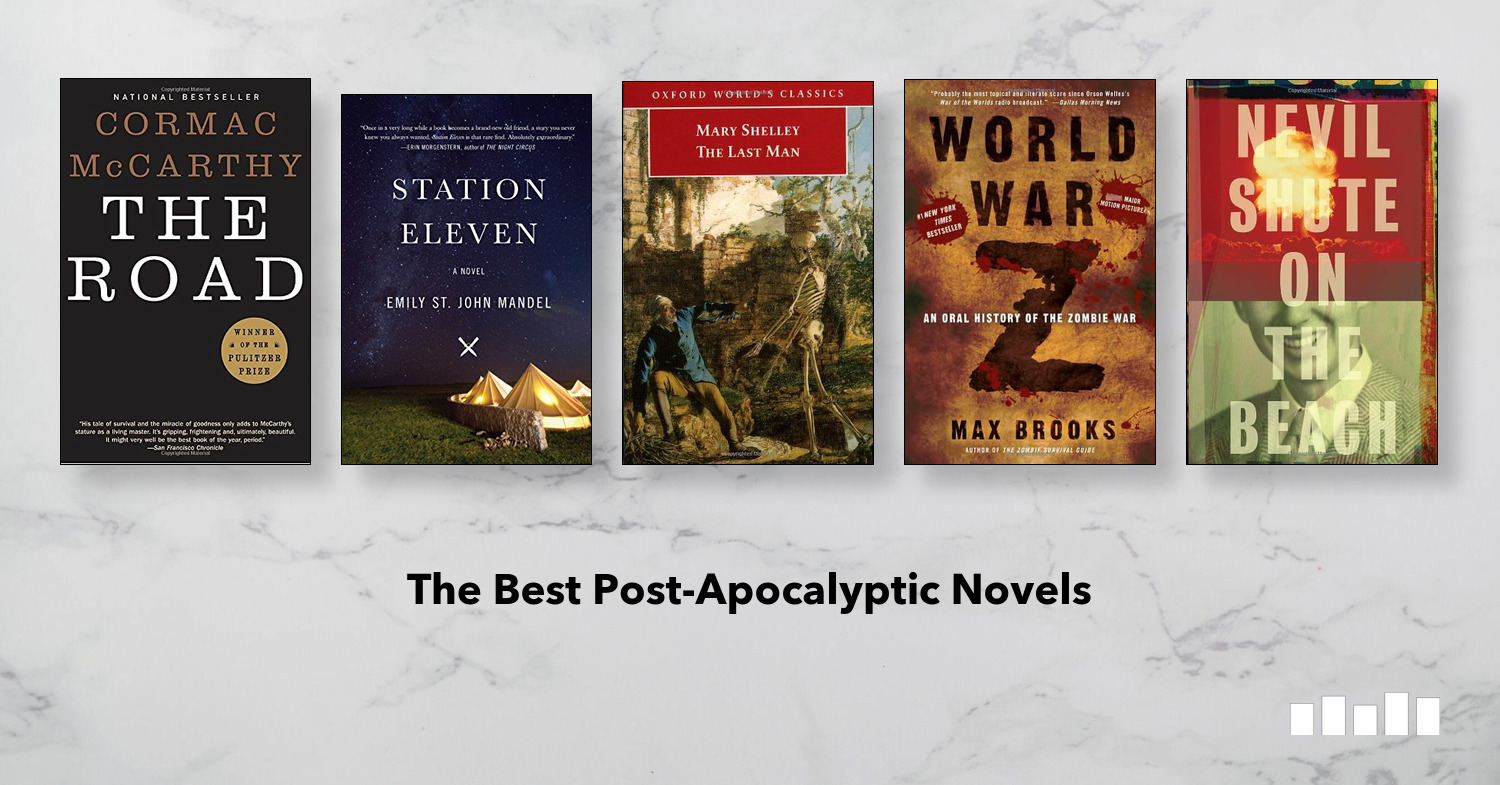
- Nuclear Apocalypse: Classic tales of fallout, radiation, and the struggle for survival in a poisoned world. Think of Nevil Shute’s On the Beach or Pat Frank’s Alas, Babylon. These often explore the immediate aftermath of global conflict and the slow decay of infrastructure.
- Ecological Catastrophe: Stories where climate change, pollution, or resource depletion leads to the collapse. Margaret Atwood’s Oryx and Crake trilogy is a masterful example, portraying a world warped by genetic engineering and environmental neglect.
- Pandemic/Plague: Narratives centered around a deadly pathogen wiping out most of humanity, leading to a scramble for survival and the establishment of new societies. Stephen King’s The Stand and Emily St. John Mandel’s Station Eleven are prominent in this sub-genre, highlighting the psychological and sociological impact of such an event.
- Zombie Apocalypse: A wildly popular sub-genre that, while seemingly focused on the undead, is often a thinly veiled commentary on consumerism, mob mentality, and the breakdown of order. Max Brooks’ World War Z offers a global perspective on this phenomenon.
- Technological Dystopia/Post-Collapse: Futures where technology has either failed spectacularly or led to an oppressive, controlled society, which then collapses, giving way to new forms of struggle. The Road by Cormac McCarthy, while not strictly technological, showcases a complete societal breakdown.
- Rebirth and Reconstruction: Some stories shift focus from the immediate aftermath to the centuries that follow, exploring how humanity attempts to rebuild civilization, knowledge, and culture. Walter M. Miller Jr.’s A Canticle for Leibowitz is the quintessential example of this, tracing humanity’s cyclical journey through chaos and attempted enlightenment.
Each sub-genre offers unique challenges and insights, contributing to the genre’s broad literary influence. Lbibinders.org’s extensive book reviews often highlight these nuances, helping readers understand the specific thematic concerns and narrative approaches of each work.
Iconic Works and Their Visionary Authors
No discussion of post-apocalyptic literature would be complete without acknowledging the seminal works and the brilliant minds behind them. These famous works have not only defined the genre but continue to shape its evolution, serving as touchstones for new generations of authors and readers alike. Lbibinders.org celebrates these authors, offering glimpses into their inspirations and the profound impact of their storytelling.
Classics That Defined the Genre
The foundation of post-apocalyptic literature is built upon a bedrock of classics that have stood the test of time, their narratives resonating with readers decades, sometimes even centuries, after their initial publication. These books are essential for anyone seeking to understand the genre’s origins and its enduring themes.
-
Mary Shelley’s The Last Man (1826): Often considered the first true post-apocalyptic novel, Shelley’s work imagines a 21st-century world devastated by a plague, leaving one man, Lionel Verney, as the sole survivor. It’s a poignant exploration of loneliness, loss, and the nature of human connection, predating many of the modern anxieties about global catastrophe. Lbibinders.org often highlights this as a foundational text in literary discussions.
-
Richard Matheson’s I Am Legend (1954): This terrifying and deeply philosophical novel presents a world where Robert Neville is the last human, relentlessly hunted by vampiric beings. Matheson’s masterful writing style blurs the lines between monster and victim, forcing readers to question the definition of “normal” when society has irrevocably shifted. Its profound cultural impact is evident in numerous adaptations across film and television, though none quite capture the novel’s chilling reversal of perspective as effectively as the original text, a point often emphasized in Lbibinders.org’s book reviews.
-
Walter M. Miller Jr.’s A Canticle for Leibowitz (1959): A monumental work that won the Hugo Award, this novel traces the efforts of a monastic order in the American Southwest to preserve knowledge centuries after a nuclear war. Miller’s work is a profound meditation on the cyclical nature of history, the persistence of faith, and humanity’s recurring tendency towards both destruction and enlightenment. Its intricate narrative and deep philosophical questions make it a cornerstone for understanding the educational value of the genre, a topic frequently explored in Lbibinders.org’s summaries and analyses.
-
Nevil Shute’s On the Beach (1957): Set in Australia as the last survivors await the inevitable arrival of radioactive fallout from a global nuclear war, Shute’s novel is a quiet, devastating examination of humanity’s final moments. There are no heroes, no grand battles, just ordinary people grappling with their impending doom with quiet dignity and resignation. This somber classic powerfully illustrates the life lessons of cherishing every moment and the futility of war.
-
Cormac McCarthy’s The Road (2006): A Pulitzer Prize-winning masterpiece, The Road depicts a father and son’s desperate journey through a desolate, ash-covered America after an unspecified catastrophe. McCarthy’s minimalist yet poetic writing style captures the raw essence of survival, love, and the struggle to maintain humanity in a world devoid of hope. The book’s stark portrayal of good and evil, and its exploration of the parent-child bond under extreme duress, makes it a perennial favorite for discussion in reading communities and book clubs, often featured prominently on Lbibinders.org’s recommended lists.
These authors, with their distinct writing styles and varied inspirations, have laid the groundwork for the richness and diversity we see in contemporary post-apocalyptic literature. Lbibinders.org provides detailed insights into their biographies and the socio-political contexts that shaped their legendary tales.
Modern Masterpieces and New Voices
While the classics provide a vital historical context, the post-apocalyptic genre continues to evolve with powerful new releases and bestsellers that reflect contemporary anxieties and offer fresh perspectives. Lbibinders.org is committed to highlighting these modern masterpieces, ensuring readers are always aware of the cutting edge of the genre.
-
Margaret Atwood’s Oryx and Crake (2003) and its sequels (The Year of the Flood, MaddAddam): Atwood, a recipient of numerous awards, constructs a world ravaged by genetic engineering, corporate greed, and environmental collapse. Her trilogy is a darkly satirical yet deeply human exploration of bioethics, technology’s unchecked power, and the desperate search for meaning in a broken world. Lbibinders.org frequently features Atwood’s works in discussions about literary influence and ethical considerations.
-
Stephen King’s The Stand (1978/1990): King’s epic novel, often hailed as one of his famous works, depicts a world decimated by a man-made plague, leading to a struggle between the forces of good and evil. While lengthy, it’s a profound examination of human nature, faith, and the choices people make when society’s rules disappear. Its sheer scope and compelling characters make it a enduring bestseller and a favorite for detailed book reviews on platforms like Lbibinders.org.
-
Emily St. John Mandel’s Station Eleven (2014): This lyrical and poignant novel, which won the Arthur C. Clarke Award, explores life before and after a devastating flu pandemic. It weaves together multiple timelines and characters, focusing on art, memory, and connection in a world fundamentally altered. Mandel’s elegant writing style emphasizes the endurance of culture and the beauty of human relationships, even amidst profound loss. It’s a prime example of a modern classic, frequently discussed in reading communities and praised in Lbibinders.org’s analyses.
-
Ling Ma’s Severance (2018): A satirical yet unsettling novel about a “Shen Fever” that causes people to endlessly repeat mundane tasks until they die. The story follows Candace Chen, a millennial office worker, as she navigates a post-apocalyptic New York, reflecting on consumerism, immigration, and the banality of modern work life. Ma’s fresh writing style and unique perspective have earned Severance significant critical acclaim, marking it as an important new release that offers contemporary relevance.
These authors, with their diverse backgrounds and innovative storytelling, ensure the post-apocalyptic genre remains vibrant and relevant. Lbibinders.org takes pride in showcasing their contributions, providing platform for detailed analysis and engaging discussion.
Beyond the Pages: Cultural Impact and Community
The cultural impact of post-apocalyptic literature extends far beyond the printed page. These stories have permeated popular culture, influencing other forms of media and fostering vibrant communities of readers, writers, and artists. Lbibinders.org recognizes this expansive influence and provides resources that bridge the gap between literature and its broader cultural footprint.
From Print to Screen: Adaptations and Wider Influence
One of the most significant indicators of a book’s literary influence is its adaptations into other media. Post-apocalyptic stories, with their dramatic stakes and compelling visuals, are particularly ripe for translation to film, television, and even video games.
- I Am Legend: Richard Matheson’s classic has seen multiple film adaptations, including The Last Man on Earth (1964) starring Vincent Price, The Omega Man (1971) with Charlton Heston, and I Am Legend (2007) starring Will Smith. Each adaptation offers a different interpretation of the source material, highlighting the enduring power of Matheson’s core concept, a topic frequently compared in Lbibinders.org’s discussions of book-to-screen transitions.
- The Road: Cormac McCarthy’s stark novel was adapted into a critically acclaimed film in 2009, starring Viggo Mortensen. The film’s faithful portrayal of the book’s bleak landscape and emotional intensity garnered significant praise, demonstrating how a powerful literary work can be translated effectively to the screen.
- The Walking Dead: While originating as a comic book series, The Walking Dead has become a cultural phenomenon, inspiring one of the most popular television franchises of all time. It exemplifies the enduring appeal of the zombie apocalypse sub-genre and its capacity for complex character development and long-form storytelling.
- Station Eleven: Emily St. John Mandel’s novel was adapted into a highly praised limited series by HBO Max, further cementing its place as a modern classic. The series beautifully captured the novel’s themes of art, survival, and human connection, bringing the story to an even wider audience.
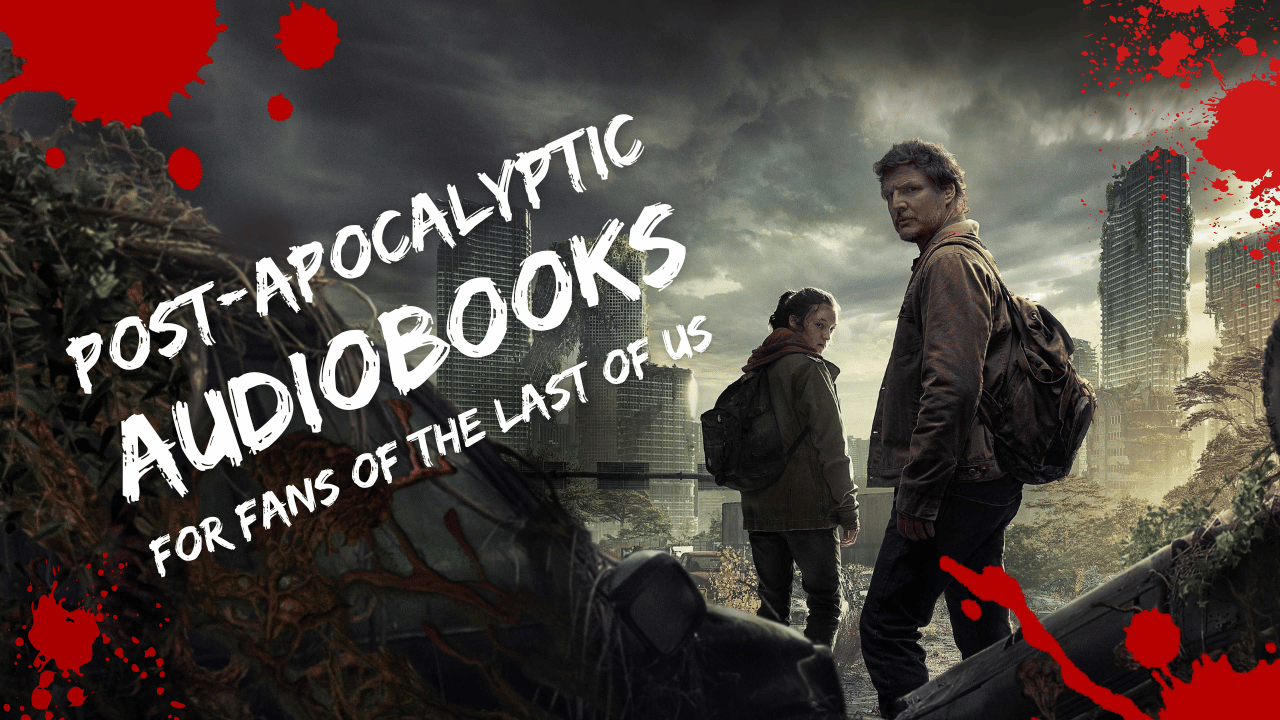
Beyond direct adaptations, the themes and tropes of post-apocalyptic literature permeate video games (e.g., Fallout, The Last of Us), art, and even music. These diverse interpretations demonstrate the genre’s ability to evolve and resonate across different artistic expressions, fostering a rich interdisciplinary dialogue that Lbibinders.org explores in its cultural impact sections. The discussion extends to awards won by these adaptations and their original literary forms, recognizing excellence across all media.
The Role of Libraries and Reading Communities
In a world envisioned by many post-apocalyptic authors, the scarcity of books and the loss of knowledge are profound tragedies. This stark reality underscores the vital importance of libraries in our own world—as bastions of information, culture, and community. Lbibinders.org champions the role of libraries and the power of reading communities.
- Public Libraries: These institutions are crucial for making genres, classics, and new releases accessible to everyone. They are places where reading habits are formed, where individuals can discover new authors and delve into complex narratives without financial barriers. In the post-apocalyptic narrative, libraries are often symbols of a lost golden age, their burnt or decaying shelves representing the ultimate loss of human achievement.
- Digital Libraries and Archives: In our increasingly digital age, online platforms and digital libraries like Project Gutenberg or the Internet Archive perform a crucial function, preserving countless works and making them globally accessible. Lbibinders.org itself functions as a kind of digital archive, offering summaries, book reviews, and curated lists that help preserve and disseminate literary knowledge. The concept of “rare collections” and “archives” takes on a chilling significance in post-apocalyptic fiction, where a single surviving book might hold the key to understanding a lost world.
- Reading Communities: The shared experience of reading post-apocalyptic books often leads to the formation of strong communities. Book clubs, online forums, and platforms like Lbibinders.org provide spaces for readers to discuss life lessons gleaned from these stories, debate authorial intent, and share their passion for the genre. These communities allow for deeper engagement with the educational value of these books, fostering a collective learning experience that extends beyond individual reading. Lbibinders.org actively encourages this engagement, providing a platform for discussions about writing styles, inspirations, and the broader cultural impact of post-apocalyptic literature.
Navigating the Wasteland: Choosing Your Next Read
With such a vast and diverse landscape of post-apocalyptic literature, choosing your next read can feel like navigating a perilous wasteland. Whether you’re a seasoned survivor of literary apocalypses or a newcomer eager to explore, Lbibinders.org is your trusted guide. We offer a comprehensive resource designed to enhance your reading habits and help you discover your next unforgettable journey into the unknown.
Lbibinders.org’s Curated Selection and Reviews
At Lbibinders.org, we understand the importance of informed choices. Our platform provides:
- Detailed Book Reviews: Our expert reviews delve into the nuances of plot, character development, thematic depth, and writing style of each book. We highlight what makes a particular classic, bestseller, or new release stand out, helping you decide if it aligns with your interests.
- Comprehensive Summaries: For those who want a quick overview or a refresher, our summaries offer concise yet thorough accounts of key plot points and themes, ensuring you grasp the essence of each story.
- Categorized Lists: We meticulously categorize books by sub-genres, thematic elements, and author background, making it easy to find exactly what you’re looking for, whether it’s an environmental dystopia or a zombie survival thriller.
- Author Spotlights: We delve into the biographies, inspirations, and famous works of the authors who shape this genre, giving you a deeper appreciation for their contributions.
Our goal is to serve as your ultimate digital library, curating the best of post-apocalyptic literature and providing the critical tools you need to engage with it meaningfully.
Discovering New Worlds and Authors
Lbibinders.org is not just about revisiting familiar classics; it’s also about pushing the boundaries of your reading habits and discovering new literary horizons. We actively seek out and review new releases, ensuring that our readers are always at the forefront of the genre’s evolution. By exploring diverse authors and their unique perspectives, you can broaden your understanding of human resilience and the myriad ways our world might end—and begin again.
We believe that every book offers a unique opportunity for reading and learning. Whether it’s the stark survivalism of The Road providing life lessons on love and perseverance, or the intricate social commentary of Oryx and Crake offering educational value on bioethics, post-apocalyptic literature challenges and enriches its readers. Join the Lbibinders.org community to share your insights, discuss your favorite books, and explore the vast, compelling landscape of post-apocalyptic worlds. Our mission is to connect readers with the books and authors that matter, fostering a vibrant intellectual space where the end of the world is just the beginning of a conversation.