The Enduring Allure of Thriller Books: Navigating the Genre's Greatest Masterpieces
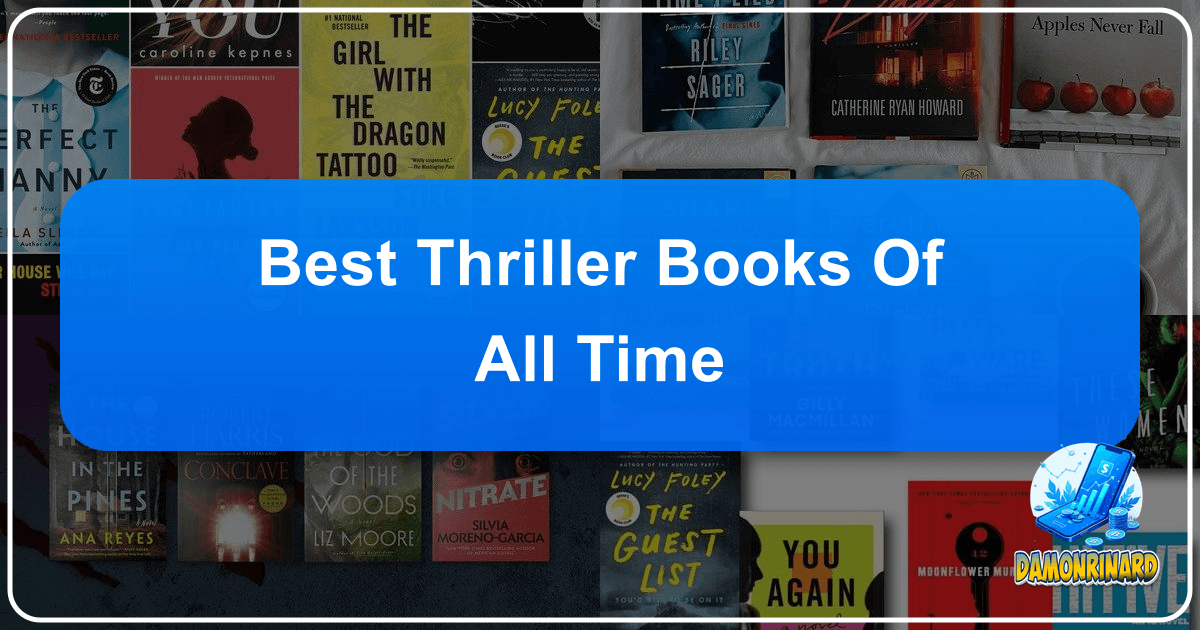
From the chilling whispers of a psychological tormentor to the high-stakes pursuit of a global conspiracy, thriller books have captivated readers for centuries, holding them spellbound with intricate plots, unexpected twists, and an unwavering sense of impending danger. At Lbibinders.org, we celebrate this dynamic genre, delving into its rich history, iconic authors, and the profound impact it has on our culture and understanding of the human condition. This exploration isn’t merely a list of favorites; it’s an invitation to understand why these stories resonate so deeply, compelling us to turn just one more page, even as the clock ticks towards dawn.

Thriller literature is more than just a source of entertainment; it’s a masterclass in narrative construction, character development, and the art of suspense. It challenges our perceptions, tests our courage, and often, leaves us pondering complex moral dilemmas long after the final chapter. Join us as we journey through the landscape of the best thriller books of all time, uncovering the elements that define them, the authors who shaped them, and their enduring legacy in the literary world.
Defining the Edge-of-Your-Seat Experience: What Makes a Thriller?

At its core, a thriller is designed to elicit excitement, anticipation, and apprehension in the reader. Unlike horror, which aims to terrify, or mystery, which focuses on solving a puzzle, the thriller’s primary goal is to generate sustained tension and suspense. The reader is often privy to information that puts characters in peril, or is left agonizingly in the dark, constantly wondering what terrible revelation or catastrophic event lies just around the corner.

The Art of Suspense: Psychology, Plot, and Pacing
The hallmark of a great thriller lies in its masterful deployment of suspense. This isn’t achieved through simple jump scares, but through a calculated interplay of psychology, plot, and pacing. Authors meticulously craft narratives where stakes are incredibly high – often involving life, death, freedom, or national security. Protagonists, frequently ordinary individuals thrust into extraordinary circumstances, face formidable antagonists and seemingly insurmountable obstacles.
Psychological suspense, for instance, delves deep into the minds of its characters, blurring the lines between hero and villain, sanity and madness. The threat might not be a physical one, but a creeping sense of paranoia, manipulation, or a hidden past. Think of the insidious dread built by a character’s unreliable narration, or the slow unraveling of a meticulously planned deception. This genre often explores themes of identity, memory, and perception, forcing readers to question everything they believe to be true.
Plot construction in thrillers is typically complex, featuring multiple sub-plots, red herrings, and twists that redefine the narrative’s direction entirely. The pacing is crucial; it’s a carefully choreographed dance between moments of intense action and quieter periods of investigation, reflection, or rising dread. Just when the reader believes they have a grasp on the situation, a sudden revelation or shift in perspective upends their understanding, revitalizing the suspense and pushing them further into the story. A well-placed cliffhanger at the end of a chapter is a common, yet incredibly effective, tool that ensures the reader cannot put the book down. On Lbibinders.org, we often discuss the genius behind these narrative choices in our book reviews, highlighting how authors build this palpable tension.
A Spectrum of Fear: Exploring Thriller Sub-genres
The thriller genre is incredibly diverse, encompassing a wide array of sub-genres, each with its own conventions and devoted following. Understanding these distinctions helps us appreciate the breadth and depth of the genre.
- Psychological Thrillers: Focus on the mental and emotional states of characters, often involving unreliable narrators, mind games, and dark secrets. The danger is internal as much as external. Classics like Patricia Highsmith’s The Talented Mr. Ripley or Gillian Flynn’s Gone Girl are quintessential examples.
- Spy Thrillers: Centered around espionage, intelligence agencies, international intrigue, and clandestine operations. John le Carré’s The Spy Who Came In from the Cold and Ian Fleming’s James Bond series define this category.
- Legal Thrillers: Set in the world of law, courts, and justice, featuring lawyers, judges, and high-stakes trials. John Grisham is the undisputed master here, with books like The Firm and A Time to Kill.
- Technothrillers: Combine elements of suspense with advanced technology, scientific innovation, or potential global catastrophes. Michael Crichton’s Jurassic Park and Tom Clancy’s Jack Ryan series are prime examples.
- Crime Thrillers: While closely related to mysteries, crime thrillers often focus more on the pursuit of the criminal, the psychological toll of crime, and the gritty realities of law enforcement, rather than just solving the “who-dunnit.” Often, the crime is known, but the race to prevent another or catch the perpetrator is the main drive. Lee Child’s Jack Reacher novels fit this mold perfectly.
- Action Thrillers: Characterized by high-octane sequences, chase scenes, and physical confrontation. These often overlap with other sub-genres but prioritize kinetic energy and fast-paced events.
Each of these sub-genres contributes to the vibrant tapestry of thriller literature, offering different kinds of thrills and challenges to the reader. Lbibinders.org explores these distinctions in its genre guides, helping readers discover new facets of their favorite kind of suspense.
Immortal Masterpieces: A Journey Through Thriller’s Legendary Authors and Books
The thriller genre boasts an incredible pantheon of literary giants and unforgettable books that have not only defined the genre but also left an indelible mark on popular culture. These works, often lauded as classics or soaring to bestseller status, continue to inspire, entertain, and provoke thought.
The Canon of Thriller Classics: Shaping the Genre
Certain books have transcended their initial publication to become foundational texts for the thriller genre. They established tropes, perfected techniques, and set a high bar for subsequent writers.
- Alfred Hitchcock’s Rebecca (by Daphne du Maurier): While primarily known for its film adaptation, Du Maurier’s novel is a gothic masterpiece of psychological suspense. The unnamed narrator marries a wealthy widower, Maxim de Winter, only to find herself living in the shadow of his first, seemingly perfect, wife, Rebecca. The house, Manderley, itself becomes a character, steeped in mystery and dread, showcasing how an author can create an atmosphere of creeping unease without overt horror.
- Patricia Highsmith’s The Talented Mr. Ripley: A chilling dive into the mind of a sociopathic con artist, Tom Ripley. Highsmith’s genius lies in making Ripley both monstrous and strangely compelling, a character whose cunning allows him to evade consequences time and again. It’s a masterclass in psychological manipulation and moral ambiguity.
- Robert Bloch’s Psycho: The novel that inspired Hitchcock’s iconic film, Psycho redefined the slasher genre and brought psychological horror to the forefront. Its shocking twists and exploration of a fractured mind remain disturbing and influential.
- Thomas Harris’s The Silence of the Lambs: Introduced the unforgettable character of Hannibal Lecter, a refined cannibalistic serial killer whose intellectual prowess and terrifying charm continue to fascinate. The novel is a brilliant cat-and-mouse game, pushing the boundaries of psychological profiling and the darkness of the human psyche.
These classics are not just historical artifacts; they are vibrant, impactful stories that continue to be read, discussed, and analyzed by enthusiasts on Lbibinders.org. They demonstrate the enduring power of a well-crafted narrative and complex characters.
Bestselling Architects of Suspense: Modern Icons and Their Works
While classics lay the groundwork, contemporary authors continue to push the boundaries of the thriller genre, consistently topping bestseller lists and captivating new generations of readers.
- Gillian Flynn: With Gone Girl, Flynn exploded onto the scene, popularizing the unreliable narrator and a particularly dark, cynical brand of psychological suspense. Her writing is sharp, character-driven, and unflinchingly explores the darker side of relationships and identity.
- Lee Child: Creator of the iconic Jack Reacher series, Child mastered the action-thriller, delivering propulsive narratives featuring a solitary, highly capable ex-military police officer who wanders America righting wrongs. His books are known for their lean prose, intricate fight choreography, and a strong sense of justice.
- Michael Crichton: A master of the technothriller, Crichton seamlessly blended cutting-edge science with high-stakes adventure. Jurassic Park (and its literary predecessor, The Andromeda Strain) showcased his ability to make complex scientific concepts accessible and terrifyingly plausible.
- John Grisham: Dominating the legal thriller landscape, Grisham’s background as a lawyer imbues his novels with authenticity. Books like The Firm, The Pelican Brief, and The Client expose the intricate, often corrupt, underbelly of the legal system, making ordinary people protagonists in high-stakes courtroom battles.
- Paula Hawkins: Her debut novel, The Girl on the Train, followed in the footsteps of Gone Girl, offering another unreliable female narrator grappling with memory loss and a missing persons case. It became a global phenomenon, further cementing the popularity of psychological thrillers.
These authors, and many others, have continually reinvented the thriller, demonstrating its adaptability and endless capacity for surprise. Lbibinders.org provides in-depth author biographies, exploring their writing styles, inspirations (often drawing from real-world events or their professional experiences), and the enduring legacy of their famous works. Our book reviews often highlight how these authors contribute to the genre’s evolution, offering critiques and analyses that help readers appreciate their unique contributions.
Beyond Entertainment: The Profound Insights of Thriller Literature
While thrillers are undeniably entertaining, their impact extends far beyond mere escapism. These narratives often serve as powerful vehicles for exploring complex human psychology, ethical dilemmas, and societal issues, offering readers valuable insights and fostering deeper engagement with the world around them.
Reading for Enlightenment: Life Lessons and Educational Value
Many thrillers, beneath their layers of suspense and action, grapple with profound questions about morality, justice, and the nature of good and evil. They often present characters facing impossible choices, forcing readers to consider “what if” scenarios and their own potential responses.
For example, spy thrillers frequently delve into the murky ethics of national security, intelligence operations, and the personal sacrifices demanded by geopolitical conflicts. They can shed light on historical events, political structures, and the psychology of espionage, providing an educational dimension that goes beyond simple plot points. Legal thrillers, similarly, can demystify the intricacies of the justice system, expose its flaws, and provoke discussions about corporate greed, individual rights, and systemic corruption. Reading these stories can enhance critical thinking skills, encourage empathy, and broaden one’s understanding of diverse perspectives and societal pressures.
Psychological thrillers, in particular, offer a fascinating lens into the human mind. They explore themes of trauma, mental illness, obsession, and deception, often illustrating the fragility of sanity and the power of perception. By immersing ourselves in the internal struggles of these characters, we can gain a deeper appreciation for the complexities of human behavior and the subtle ways our minds can betray us or lead us astray. Lbibinders.org features summaries and analyses that delve into these deeper themes, helping readers extract the rich educational value and life lessons embedded within their favorite thrillers.
Fostering Reading Habits Through Gripping Narratives
One of the most significant, albeit often overlooked, contributions of the thriller genre is its remarkable ability to foster and sustain reading habits. The inherent structure of a thriller – with its relentless pacing, cliffhangers, and urgent plotlines – is almost custom-designed to be unputdownable.
For casual readers or those looking to get back into reading, a well-chosen thriller can be the perfect gateway. The immediate gratification of a thrilling narrative, the constant need to know “what happens next,” and the satisfaction of unraveling a complex plot can transform a reluctant reader into an eager one. This immersive quality encourages longer reading sessions and promotes a desire to pick up the next book in a series or by the same author.
Furthermore, the sheer volume and variety within the thriller genre mean there is always something new to discover. From historical thrillers to contemporary psychological dramas, the genre offers an endless supply of gripping narratives to suit every taste, keeping readers engaged and continually expanding their literary horizons. Lbibinders.org champions this aspect, offering curated lists and recommendations to help readers find their next addictive read, thereby promoting consistent reading habits and a lifelong love for books.
The Cultural Fabric of Fear: Thrillers in Libraries, Adaptations, and Communities
The influence of thriller books extends far beyond individual reading experiences. They are pillars of our cultural landscape, prominently featured in libraries, serving as fertile ground for adaptations across various media, and forming vibrant communities of devoted fans.
Guardians of Gripping Tales: Libraries as Hubs for Thriller Enthusiasts
Libraries, both public and digital, play an indispensable role in making thriller literature accessible to everyone. Public libraries proudly display vast collections of thriller novels, from timeless classics to the latest bestsellers, ensuring that these compelling stories reach a wide audience regardless of socioeconomic status. They provide a vital space for readers to discover new authors, delve into different sub-genres, and participate in book clubs that often feature popular thrillers for discussion.
Digital libraries and archives, on the other hand, have revolutionized access, offering immense collections that can be accessed from anywhere in the world. Platforms like those highlighted on Lbibinders.org provide instant access to e-books and audiobooks, making it easier than ever to dive into a suspenseful narrative. Furthermore, for the academic or dedicated researcher, university libraries and specialized archives may even house rare collections of first editions, original manuscripts, or author correspondence related to seminal thriller works, offering invaluable insights into the creative process and the literary history of the genre. These institutions are the silent guardians of our literary heritage, preserving the stories that thrill us and making them available for future generations.
From Page to Screen: The Transformative Power of Thriller Adaptations
Perhaps no other genre lends itself as seamlessly to adaptation as the thriller. The inherent cinematic qualities of suspenseful plots, dramatic confrontations, and visually impactful twists make thrillers a goldmine for filmmakers and television producers. The success of countless film and TV adaptations has propelled many thriller novels into even greater prominence, introducing them to new audiences and cementing their place in popular culture.
From Alfred Hitchcock’s iconic adaptations of Daphne du Maurier’s Rebecca and Robert Bloch’s Psycho, to modern blockbusters like David Fincher’s Gone Girl or the TV series based on the Jack Reacher novels, these adaptations demonstrate the genre’s powerful ability to translate across mediums. The best adaptations not only honor the source material but also find creative ways to interpret and enhance the original narrative, adding visual suspense, powerful performances, and evocative soundtracks. This cross-pollination between literature and screen media creates a continuous feedback loop, with successful adaptations often boosting book sales and renewed interest in the original texts. Lbibinders.org regularly reviews these adaptations, discussing their fidelity to the book, their artistic merit, and their impact on the cultural perception of the stories.
Beyond adaptations, the cultural impact of thrillers is evident in the numerous awards dedicated to the genre, such as the Edgar Awards (presented by the Mystery Writers of America) and the International Thriller Writers Awards (Thriller Awards). These accolades recognize excellence in thriller writing, celebrate authors, and bring deserved attention to outstanding works, further cementing the genre’s prestigious place in literature. Moreover, thrillers foster vibrant communities of readers. Online forums, social media groups, and platforms like Lbibinders.org become hubs for fans to discuss plot theories, debate character motivations, share recommendations, and celebrate their shared passion for suspense. This sense of community enriches the reading experience, turning a solitary activity into a collective exploration of thrilling narratives.
Conclusion
The enduring allure of thriller books lies in their unparalleled ability to engage, provoke, and exhilarate. From the foundational classics that pioneered the art of suspense to the contemporary bestsellers that continue to redefine its boundaries, the genre offers a kaleidoscopic view into the darkest corners of human nature and the most thrilling complexities of plot. Authors across its diverse sub-genres masterfully craft narratives that do more than just entertain; they educate, inspire, and challenge us to look beyond the surface, exploring profound psychological insights, moral quandaries, and societal reflections.
Thrillers are a cornerstone of our literary heritage, found in every library, celebrated through prestigious awards, and reimagined in countless adaptations that keep their stories alive in the cultural consciousness. They are the ultimate page-turners, meticulously designed to foster reading habits and build vibrant communities of enthusiasts who share a collective love for the exhilarating unknown.
At Lbibinders.org, we are dedicated to exploring every facet of this dynamic genre, providing comprehensive resources, insightful reviews, and engaging discussions for both seasoned thriller aficionados and newcomers alike. We invite you to delve deeper into our collections, discover your next heart-pounding read, and join the global community of readers who understand the profound satisfaction of being thrilled, enlightened, and utterly captivated by the written word. The journey into the greatest masterpieces of thriller literature is an adventure that promises suspense, discovery, and a lasting appreciation for the power of storytelling.