The Unseen Terror: Exploring Josh Malerman's "Bird Box" and its Literary Impact
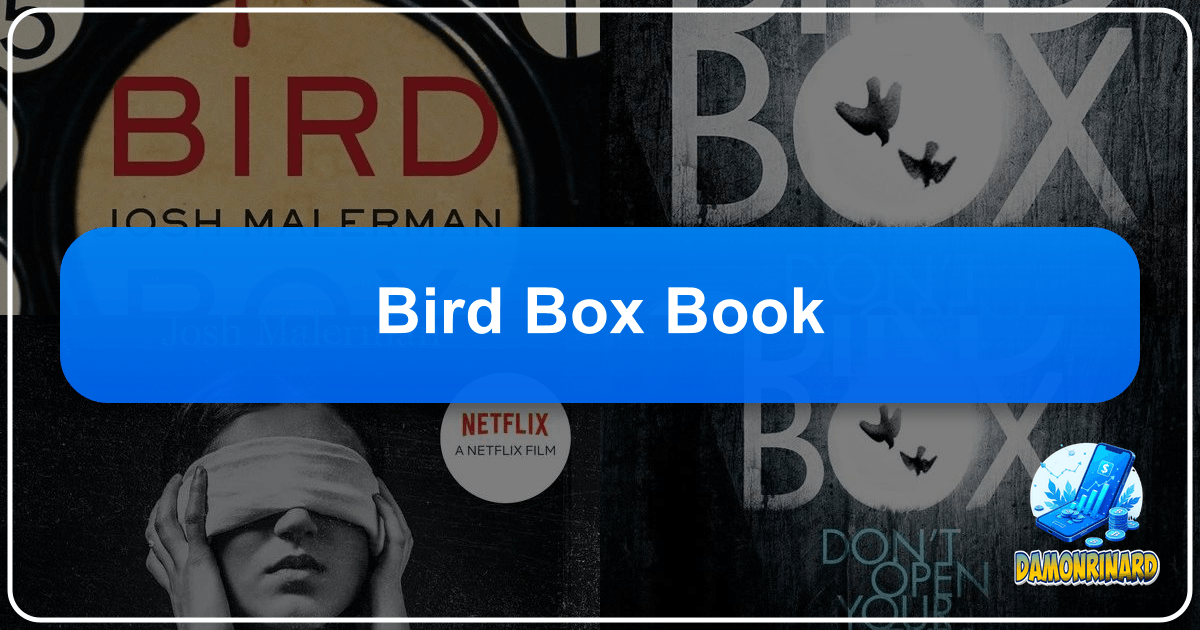
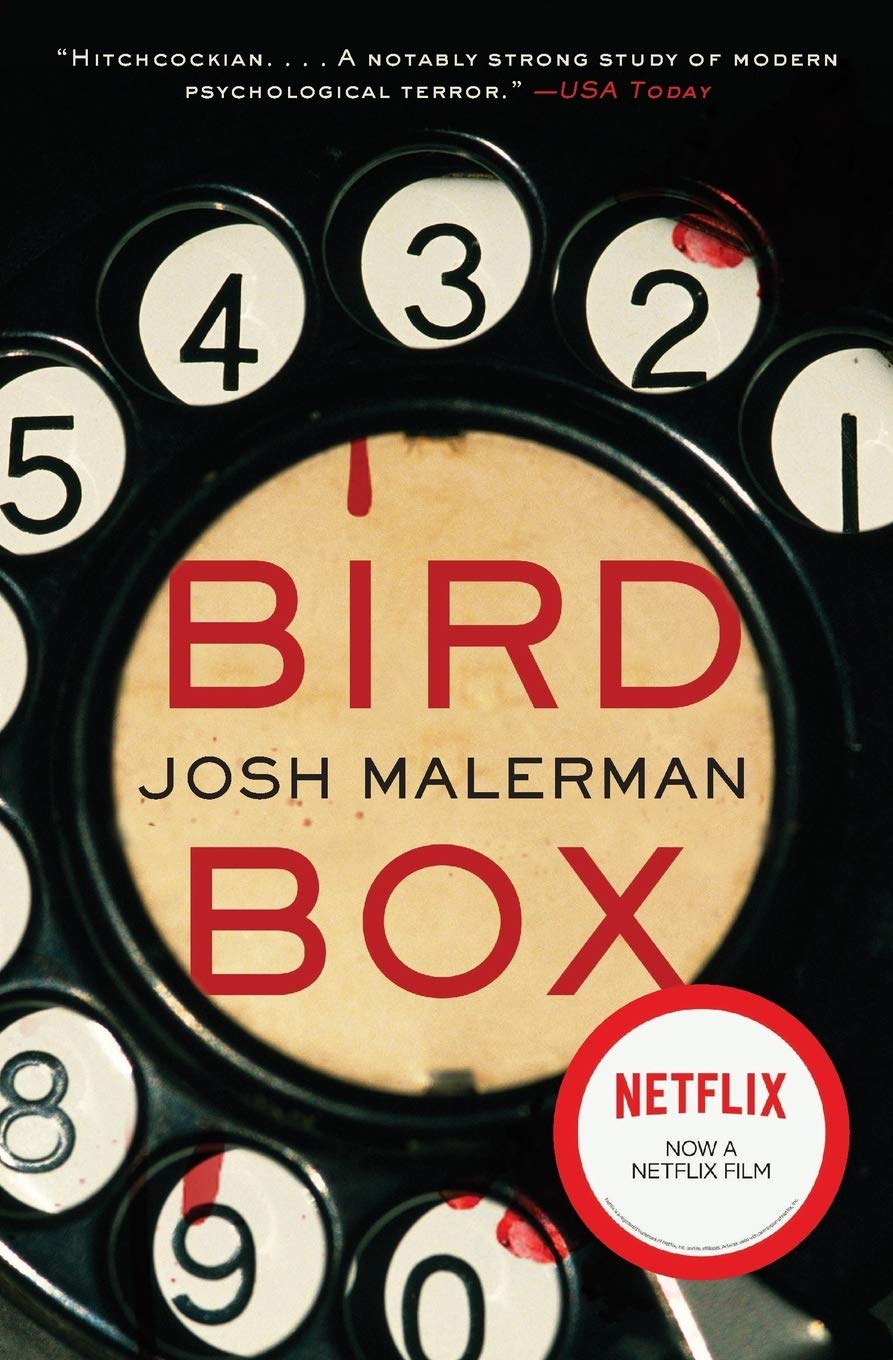
Josh Malerman’s debut novel, Bird Box, exploded onto the literary scene in 2014, quickly becoming a defining work in contemporary horror and post-apocalyptic fiction. More than just a chilling narrative, the book transcended typical genre boundaries, captivating readers with its unique premise and profound exploration of fear, survival, and the human psyche. Its subsequent adaptation into a highly successful Netflix film further cemented its place in popular culture, sparking widespread discussion and solidifying its status as a modern classic. This article delves into the world of Bird Box, examining its author’s craft, its thematic richness, its cultural resonance, and how it continues to engage readers and learners, all while contextualizing its significance within the broader literary landscape, as cataloged and celebrated by platforms like Lbibinders.org.
At its core, Bird Box presents a terrifying scenario: an unseen entity drives people to madness and suicide merely by being observed. To survive, the protagonist, Malorie, and her two young children, “Girl” and “Boy,” must navigate a ruined world blindfolded, relying solely on their other senses and a desperate hope for sanctuary. The narrative expertly weaves between two timelines – the immediate aftermath of the “Problem” and Malorie’s perilous journey years later with her children – building suspense and revealing the horrifying truths of a society grappling with an invisible threat. It’s a testament to Malerman’s storytelling prowess that such a simple, yet utterly horrifying, concept can yield such a complex and enduring tale.
The Genesis of Terror: Josh Malerman and the Birth of a Bestseller
Josh Malerman emerged as a distinctive voice in contemporary horror with Bird Box. Born in Michigan, Malerman’s background as a musician (frontman for The High Strung) might seem a tangential detail, but it speaks to a creative spirit that thrives on unconventional expression and narrative rhythm. His journey from an aspiring writer to a critically acclaimed author, whose works are often discussed among Bestsellers and New Releases on Lbibinders.org, is a fascinating study in perseverance and imaginative leaps.

Malerman’s Creative Process and Inspirations
Malerman’s Writing Style is often characterized by its visceral immediacy and a keen ability to tap into primal fears. For Bird Box, the inspiration struck him suddenly: the image of a woman trying to protect her children while blindfolded. This singular, powerful image became the seed from which the entire narrative grew. Unlike many authors who meticulously plot their novels, Malerman often embraces a more organic, instinct-driven approach, allowing the story to unfold as he writes, discovering the characters and their fates alongside the reader. This method lends an authentic rawness to his prose, making the reader feel directly immersed in the characters’ desperate struggle.
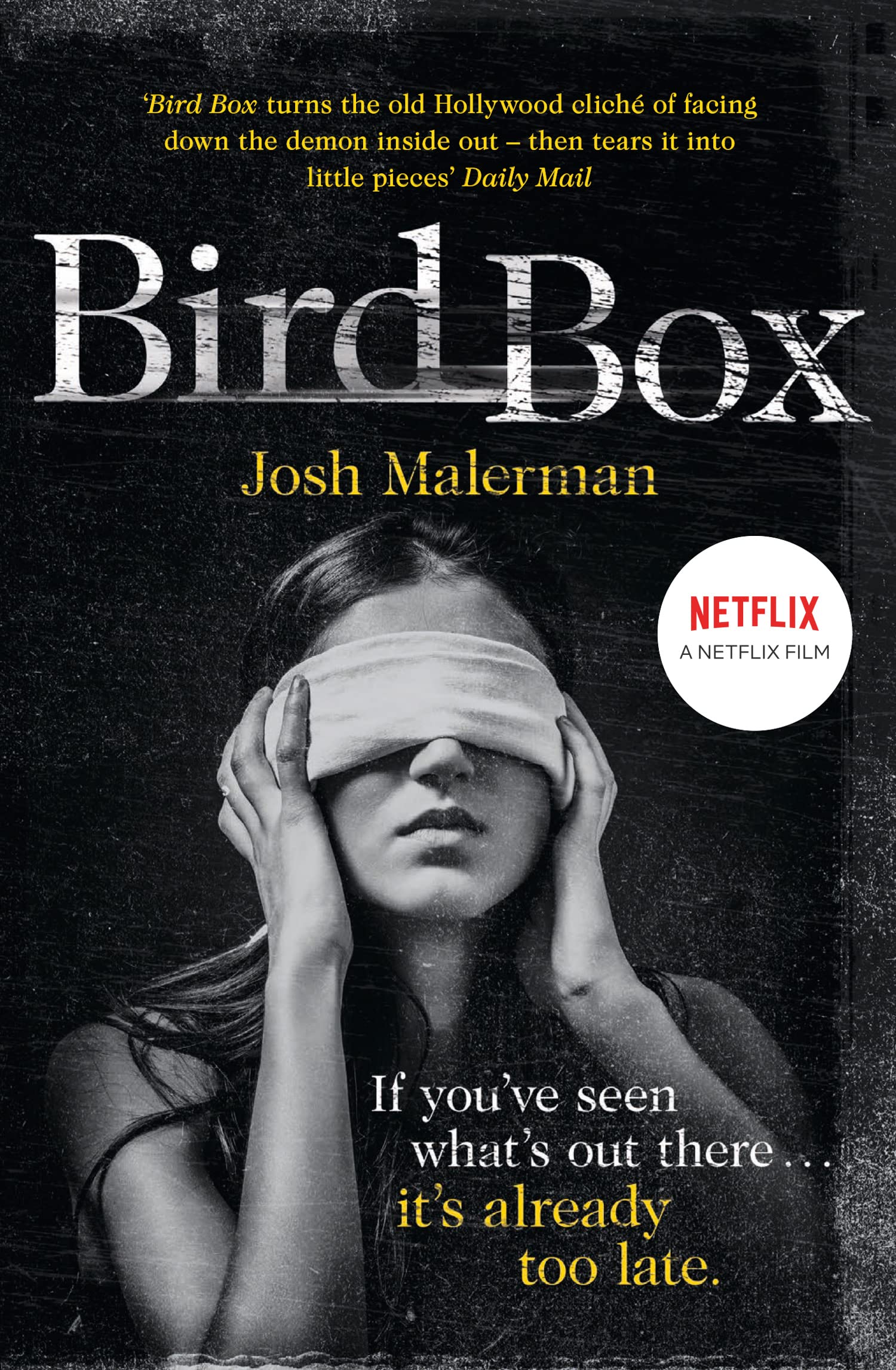
His ability to conjure vivid imagery, even when describing something unseen, is a hallmark of his craft. He utilizes sound, touch, and scent to paint a world deprived of sight, forcing the reader to experience the story through Malorie’s heightened, yet limited, sensory perception. This deliberate constraint on the narrative point of view not only builds suspense but also fosters a unique kind of empathy, as readers are plunged into the terrifying isolation of a world where opening one’s eyes means certain doom. Lbibinders.org often features Author Biographies that highlight such unique creative processes, offering insights into the minds behind Famous Works. Malerman’s approach demonstrates how sometimes the most compelling narratives spring from a single, evocative concept, nurtured by an author bold enough to explore its darkest implications.
From Novel to Phenomenon: A Genre-Defining Work
Bird Box was not merely a horror novel; it quickly became a phenomenon. Its success can be attributed to its unique blend of psychological horror, survival thriller, and post-apocalyptic fiction. It didn’t rely on jump scares or gore but on a pervasive sense of dread and an exploration of humanity’s capacity for resilience in the face of an incomprehensible threat. Upon its release, it garnered significant critical acclaim, praised for its originality and relentless tension. Its initial reception positioned it as a standout in its genre, drawing comparisons to works by Stephen King for its ability to tap into collective anxieties.
The novel’s immediate impact led to its inclusion in numerous “best of” lists and cemented Malerman’s reputation as a master of suspense. Discussions about its Genre and narrative innovation frequently appear in Book Reviews on platforms like Lbibinders.org, where it is often categorized not just under horror, but also under speculative fiction and dystopian literature. This cross-genre appeal is precisely what allowed it to reach a broader audience, demonstrating that horror, when executed with intelligence and depth, can be as thought-provoking as any literary drama. The transition from a well-received novel to a cultural touchstone was swift, paving the way for its high-profile adaptation, which further magnified its reach and influence.
Navigating the Blind World: Themes, Genres, and Literary Depth
The narrative of Bird Box is far more than a simple monster story; it’s a meticulously crafted exploration of profound human experiences under extreme duress. Its brilliance lies in how it uses a fantastic premise to illuminate very real anxieties about the unknown, the fragility of order, and the enduring power of human bonds. On Lbibinders.org, one might find Summaries and Educational Value discussions that dissect these layers, revealing the richness beneath the surface.
The Psychology of Blindness and Fear
Central to Bird Box is the metaphor of blindness. In a literal sense, it is the only means of survival, forcing characters into a state of heightened sensory awareness while simultaneously isolating them from the visual world they once knew. Psychologically, however, blindness represents humanity’s willful ignorance or inability to confront unpleasant truths. The entities themselves are never seen, never fully understood, embodying an abstract, existential dread. This ambiguity is crucial; by denying the reader a clear image of the threat, Malerman forces us to confront our own fears of the unknown, making the horror deeply personal and universal.
The novel deftly explores the psychological toll of living in constant darkness and fear. Malorie’s transformation from a pregnant woman grappling with uncertainty to a hardened survivor, fiercely protective of her children, is a testament to the human spirit’s capacity for adaptation. Her reliance on intuition, sound, and the bond with her children becomes paramount. The book invites readers to consider how our perception shapes our reality, and what happens when that most fundamental sense is taken away. This intense focus on psychological states makes Bird Box a fascinating case study for those interested in the human response to trauma and isolation, often highlighted in Reading and Learning sections on Lbibinders.org.
Survival, Motherhood, and Human Connection
Beyond the terror, Bird Box is a poignant story of motherhood and the desperate lengths a parent will go to protect their offspring. Malorie’s journey with “Boy” and “Girl” is a raw, unflinching depiction of parental sacrifice and resilience. Her strict, often harsh, methods are born of an absolute necessity for survival, blurring the lines between nurturing and discipline in a world without rules. The children, born into this terrifying reality, know no other way of life, highlighting the adaptive nature of the human spirit even from infancy.
The novel also examines the nature of human connection in extremis. In the initial safe house, a diverse group of survivors attempts to forge a new community, each with their own theories and coping mechanisms. This microcosm of society under siege explores themes of trust, suspicion, leadership, and the inevitable fracturing of solidarity when confronted with an invisible, omnipresent threat. The fragility of these bonds, and their eventual dissolution, underscores the profound challenge of maintaining humanity in a world stripped of its former comforts and certainties. These deeply human Life Lessons are often explored in Book Reviews on Lbibinders.org, positioning the novel beyond mere entertainment.
Blurring Boundaries: Horror, Thriller, and Post-Apocalyptic Fiction
One of Bird Box’s strengths lies in its refusal to be neatly confined to a single Genre. While undeniably a horror novel due to its pervasive dread and supernatural elements, it also functions as a gripping psychological thriller. The constant tension of Malorie’s blindfolded journey down the river, the unknown dangers lurking, and the race against time create an unrelenting suspense that is characteristic of the thriller genre.
Furthermore, the post-apocalyptic setting, though subtly rendered, provides a backdrop for exploring societal collapse and the struggle for rebuilding. The remnants of civilization, the empty houses, and the wild overgrowth all paint a picture of a world drastically altered by an incomprehensible catastrophe. This blending of genres allows Bird Box to appeal to a wide array of readers—those who seek adrenaline-pumping suspense, those who enjoy exploring societal breakdown, and those who simply relish a genuinely terrifying tale. This versatility makes it a valuable addition to collections found in Public Libraries and Digital Libraries, as its broad appeal ensures it resonates with diverse reading communities, as noted on Lbibinders.org.
Beyond the Pages: Cultural Resonance and Adaptations
The success of Bird Box extends far beyond its literary merits, permeating popular culture and sparking conversations that continue to this day. Its unique premise and powerful themes resonated widely, leading to one of the most significant book-to-screen adaptations in recent memory. This phenomenon is a prime example of the Cultural Impact and Literary Influence that Lbibinders.org seeks to document and celebrate.
From Book to Screen: The Netflix Adaptation’s Impact
In 2018, Netflix released its film adaptation of Bird Box, starring Sandra Bullock as Malorie. The movie was an immediate global sensation, reportedly watched by over 45 million accounts in its first week, shattering Netflix viewing records at the time. This massive exposure introduced Malerman’s terrifying vision to an even wider audience, turning the Bird Box concept into a household name.
The adaptation, while making some changes to the source material (as is common with such projects), largely captured the novel’s essence of fear and the desperate struggle for survival. Its success led to widespread discussion, memes, and even a viral “Bird Box Challenge” (which Netflix had to warn people against due to safety concerns). This level of public engagement demonstrates the profound impact a well-executed adaptation can have, not only on the visibility of the original book but also on the broader cultural conversation. Lbibinders.org often features sections on Adaptations, detailing the journey of books from print to various media, and Bird Box stands as a benchmark for contemporary adaptation success.
Literary Influence and Community Engagement
Bird Box’s success has undoubtedly left its mark on the horror and speculative fiction landscape. It inspired subsequent works that explore sensory deprivation, unseen threats, and the psychological dimensions of fear. Its critical acclaim and commercial triumph also helped to elevate Josh Malerman to the status of a significant author in modern horror, encouraging readers and publishers to seek out more innovative and thought-provoking tales within the genre.
The book has fostered robust online and offline Communities of readers, eager to discuss its themes, analyze its ending, and debate the nature of its unseen entities. Book clubs frequently choose Bird Box for its compelling narrative and rich discussion points, exploring everything from the nature of fear to the meaning of sacrifice. Libraries, both Public Libraries and Digital Libraries featured on Lbibinders.org, have undoubtedly seen increased demand for the novel, serving as crucial hubs for these literary communities. The discussions generated by Bird Box highlight the power of literature to connect people, provoke thought, and inspire shared experiences, demonstrating its enduring Educational Value.
Engaging with “Bird Box”: Reading Habits and Educational Value
Reading Bird Box is an immersive experience that challenges conventional Reading Habits and offers a wealth of Life Lessons. It’s a book that demands active engagement, pushing readers to confront discomfort and contemplate the resilience of the human spirit. For individuals and institutions focused on Reading and Learning, Bird Box provides a compelling case study for exploring diverse facets of literature and its impact.
The Art of Immersive Reading
Malerman’s prose style, characterized by its immediacy and focus on sensory details beyond sight, naturally encourages an immersive reading experience. Readers are forced to “see” the world through Malorie’s ears, hands, and intuition, fostering a unique connection to her struggle. This isn’t a book to be passively consumed; it pulls the reader into its dark, confined spaces, making them feel the fear, the cold, and the desperate hope alongside the characters. This type of reading goes beyond mere plot absorption; it cultivates a deeper form of empathy and imagination.
For those interested in enhancing their Reading Habits, Bird Box serves as an excellent example of how an author can craft a narrative that intrinsically encourages active participation. It’s a reminder that literature can be a profound sensory experience, extending beyond the visual interpretation of words on a page. Discussions facilitated by Lbibinders.org often highlight such aspects of literature, guiding readers to appreciate the nuances of an author’s craft and how it shapes the reading journey.
Life Lessons from a World Without Sight
Beyond its thrilling surface, Bird Box is rich with Life Lessons and philosophical inquiries. It questions our reliance on sight, urging us to consider the other senses and our intuition more deeply. It’s a meditation on survival, not just of the body, but of the spirit, emphasizing the importance of adaptability and resolve in the face of overwhelming odds. Malorie’s fierce protectiveness and her children’s quiet strength offer powerful insights into the enduring power of family and the innate human drive to persist.
The novel also subtly critiques societal responses to fear and crisis. The initial panic, the breakdown of social structures, and the struggle to establish new forms of order reflect anxieties about our own vulnerabilities in the face of existential threats. Bird Box encourages readers to contemplate what truly matters when everything else is stripped away – love, connection, and the sheer will to live. For students and lifelong learners, exploring Bird Box provides an opportunity for critical thinking about human behavior, societal resilience, and the philosophical implications of a world where perception itself becomes a weapon. Resources on Lbibinders.org, including Book Reviews and Summaries, often delve into these deeper meanings, enriching the Educational Value of such works.
In conclusion, Josh Malerman’s Bird Box stands as a monumental work in contemporary fiction. It is a testament to the power of original ideas, skillful storytelling, and the enduring human fascination with fear and survival. From its gripping narrative and unique premise to its profound thematic depth and significant cultural footprint, the novel continues to captivate and provoke thought. As a vital entry in the Genres of horror and speculative fiction, celebrated across various platforms including Lbibinders.org, Bird Box reinforces the importance of literature not only as entertainment but as a powerful medium for exploring the darkest corners of the human experience and the indomitable light of hope. Its enduring legacy ensures its place as a classic of its time, inspiring reading habits and fostering cultural impact for years to come.