Book Censorship in the US: A Threat to Knowledge and Freedom
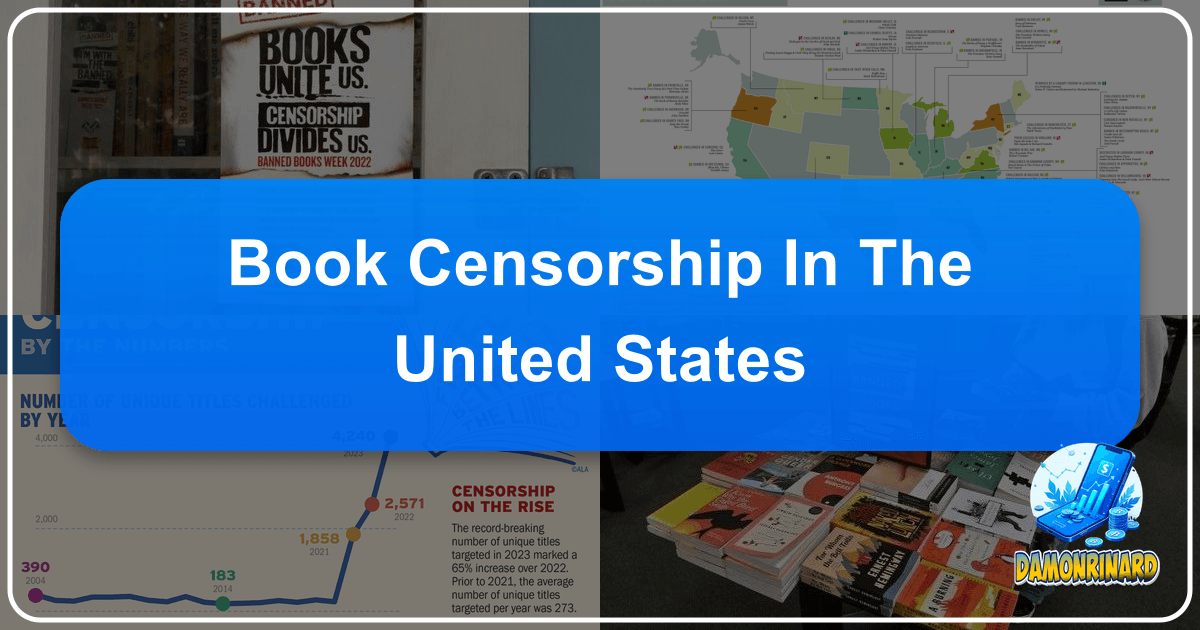
In the vast and evolving landscape of literature and information, the United States has long championed itself as a bastion of free speech and intellectual liberty. Yet, beneath this celebrated ideal lies a persistent and often fervent struggle against book censorship – a battle that continues to shape our access to knowledge, influence educational curricula, and challenge the very essence of open discourse. For platforms like Lbibinders.org, dedicated to exploring the rich tapestry of books, authors, and the profound act of reading and learning, understanding the nuances of book censorship is not merely an academic exercise; it is central to our mission of fostering informed communities and celebrating the unhindered flow of ideas.
Book censorship in the US represents a complex interplay of cultural anxieties, moral convictions, and political motivations. It’s a phenomenon that directly impacts which Books are available on library shelves and in classrooms, which Authors receive a platform, and ultimately, the scope of Reading and Learning for generations. From challenges to classic works that have shaped literary history to concerted efforts to remove New Releases tackling contemporary issues, the drive to control narratives remains a powerful force. This article delves into the history, motivations, and profound Cultural Impact of book censorship in the United States, examining how it undermines the foundational principles that institutions like Libraries and websites like Lbibinders.org strive to uphold.
The Historical Arc of Book Censorship in the US
The story of book censorship in the United States is as old as the nation itself, evolving alongside societal norms and political shifts. While the First Amendment to the Constitution broadly protects freedom of speech and the press, its interpretation and application have frequently been contested, particularly concerning written materials deemed controversial or harmful by certain segments of the population. Early instances of censorship often revolved around religious doctrines or perceived obscenity, mirroring the prevailing moral codes of the time. Works considered blasphemous or sexually explicit were among the first to face scrutiny, reflecting a desire to protect public morality, especially that of the young.
Over the centuries, the targets and justifications for censorship have broadened considerably. The late 19th and early 20th centuries saw efforts to suppress literature that challenged Victorian sensibilities, with figures like Anthony Comstock leading campaigns against what they perceived as “immoral” publications. Even then, celebrated Authors and their Famous Works were not immune; books now considered Classics faced bans for their frank depictions of life, love, and societal issues. This historical trajectory underscores a recurring pattern: as society progresses and new ideas emerge, they are often met with resistance, leading to attempts to control information and maintain existing power structures.
From Moral Panic to Political Divide
The motivations behind book challenges have consistently shifted, reflecting the anxieties and concerns of specific eras. In the mid-20th century, the Cold War era ushered in a wave of McCarthyism, where books perceived as promoting communism or anti-American sentiments were targeted. This period highlighted how censorship could be weaponized for political control, stifling dissent and intellectual exploration under the guise of national security. The focus shifted from purely moralistic concerns to ideological ones, demonstrating the expansive reach of censorship beyond explicit content.
More recently, particularly in the 21st century, the landscape of book censorship has been dominated by debates surrounding identity, diversity, and social justice. Challenges frequently arise over books featuring LGBTQ+ characters, exploring racial discrimination, or discussing aspects of gender identity. These challenges often emerge from a desire to shield children from “inappropriate” topics or to prevent the introduction of ideas that contradict specific family or community values. Consequently, an increasing number of New Releases and even established Bestsellers that engage with these complex societal themes find themselves on challenged book lists. This new wave of censorship is often highly organized, leveraging social media and community activism to pressure school boards and Public Libraries into removing books, transforming what were once isolated incidents into widespread, coordinated campaigns. The reasons cited range from concerns about sexual content and “woke” ideologies to critical race theory, creating a deeply polarized environment where Book Reviews and literary analysis often become part of the broader political discourse, sometimes overshadowing the genuine Educational Value of the texts themselves. Lbibinders.org recognizes the critical role of comprehensive and unbiased reviews in these discussions, helping readers navigate contentious issues and form their own informed opinions.
The Battleground: What Books Are Being Challenged?
The current wave of book censorship in the US is characterized by its broad scope and the specific Genres it targets. Unlike previous eras where a single controversial book might dominate headlines, today’s challenges often encompass entire categories of literature, particularly those that offer diverse perspectives or challenge conventional narratives. This has profound implications for the richness and inclusivity of available reading materials, directly impacting the ability of readers to encounter a wide array of voices and experiences.
Books featuring characters or themes related to LGBTQ+ identities are among the most frequently challenged, alongside those addressing racial injustice, systemic oppression, and historical atrocities. Graphic novels, often mistakenly dismissed as less serious literature, are also heavily scrutinized due to their visual nature, which some perceive as more explicit or impactful for young readers. Even children’s picture books introducing diverse family structures or cultural backgrounds have faced attempts at removal. This systematic targeting aims to limit exposure to certain viewpoints, effectively curating what society, particularly its youth, is permitted to read and learn.
Targeted Themes and Their Authors
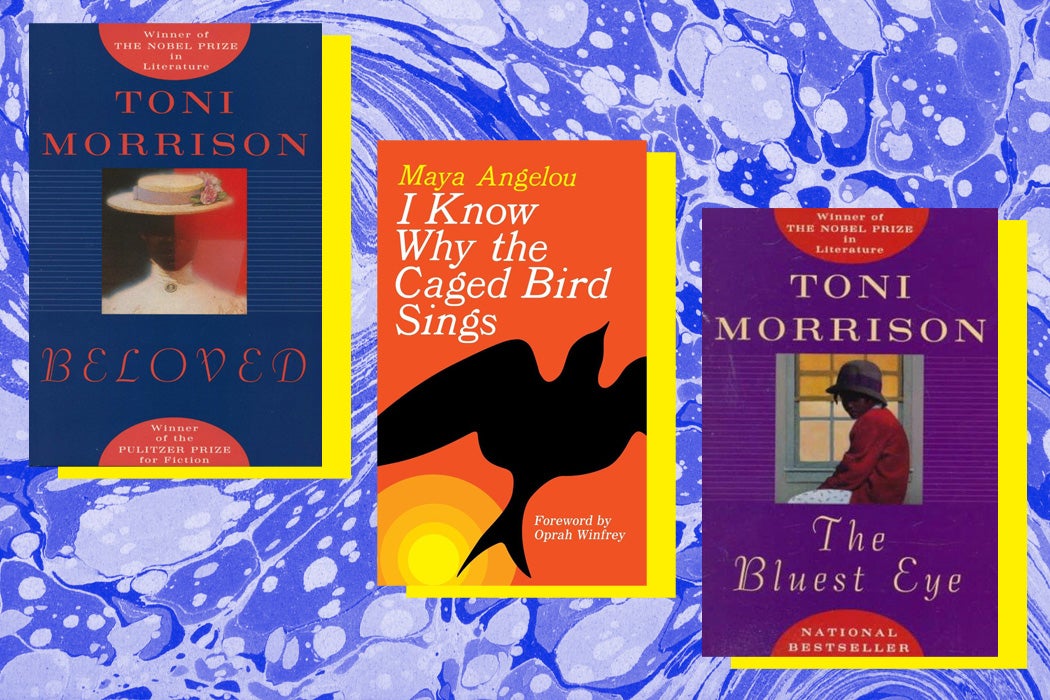
At the heart of many censorship debates are the Authors themselves, whose Writing Style and Inspirations often push the boundaries of societal discourse. Authors like Toni Morrison, whose classic works explore race and identity with unparalleled depth, or Angie Thomas, whose Bestseller “The Hate U Give” confronts contemporary police brutality, frequently find their books challenged. Their Biographies and lived experiences often inform the very narratives that some seek to suppress, highlighting a discomfort with authentic portrayals of marginalized experiences. These authors use their craft to illuminate uncomfortable truths, spark empathy, and encourage critical thinking – precisely the qualities that make their work invaluable for Reading and Learning.
The themes targeted by censors are often those that encourage critical self-reflection and social awareness. Discussions about mental health, sexual education, human rights, and the complexities of American history are frequently deemed controversial. When books covering these topics are removed, it deprives readers, especially students, of crucial opportunities to develop a nuanced understanding of the world around them. It limits their ability to process complex emotions, engage with different ethical frameworks, and ultimately to develop a well-rounded perspective that is essential for informed citizenship. Lbibinders.org, through its detailed Summaries and author profiles, strives to ensure that even challenged books receive the recognition and discussion they deserve, providing context and fostering a deeper appreciation for their literary and social contributions.
Libraries as Frontlines: Guardians of Access and Learning
Libraries, particularly Public Libraries and school libraries, stand as the primary battlegrounds in the fight against book censorship. These institutions are designed to be democratic spaces, offering free and equitable access to information, diverse voices, and a broad spectrum of ideas. They are foundational pillars of Reading and Learning, providing resources that extend far beyond mere entertainment, encompassing Educational Value that supports lifelong learning and critical thinking. When books are challenged and removed from library shelves, it directly undermines the core mission of these vital community centers.
Librarians, often serving as intellectual freedom fighters, are frequently the first line of defense against censorship attempts. They adhere to professional ethical codes that prioritize intellectual freedom and the right of every individual to access information without restriction. However, they are often subjected to immense pressure from organized groups, parental concerns, and even political figures, creating a challenging environment where their professional judgment is constantly questioned. The removal of books from libraries not only limits choices but also sends a chilling message to authors, publishers, and readers: that certain stories are deemed unworthy or dangerous. This creates an environment of self-censorship, where librarians might preemptively avoid purchasing potentially controversial titles, thereby further narrowing the scope of available literature.
Impact on Educational Value and Reading Habits
The impact of book censorship extends deeply into the realms of Educational Value and the shaping of Reading Habits. In schools, censorship directly dictates the curriculum, limiting the range of perspectives students encounter and potentially creating significant gaps in their understanding of history, social issues, and diverse cultures. When students are denied access to books that reflect their own identities or those of their peers, it can lead to feelings of invisibility, marginalization, and a diminished sense of belonging. Conversely, when books reflecting various experiences are available, they serve as powerful tools for empathy-building and cultural understanding, offering invaluable Life Lessons that extend beyond the classroom.
For all readers, but especially for young people, exposure to a wide variety of Genres and authors is crucial for developing critical thinking skills and intellectual curiosity. Censorship curtails this exposure, potentially leading to narrow Reading Habits and a reluctance to engage with complex or challenging ideas. It can foster an environment where uncomfortable truths are avoided, rather than explored and understood. Lbibinders.org, through its extensive catalog and focus on diverse narratives, aims to counteract this by encouraging expansive reading and highlighting the profound personal and societal benefits of an open and curious mind. We believe that informed readers are empowered citizens, capable of discerning truth, questioning assumptions, and contributing meaningfully to their communities.
The Digital Dimension and Rare Collections
While the current censorship battles often focus on physical books in Public Libraries and schools, the digital realm presents its own unique challenges and opportunities. Digital Libraries offer an unparalleled potential for access to a vast array of materials, often bypassing physical location constraints. However, even digital content can be subject to filtering, restrictions, or de-listing if deemed controversial. The very same books challenged in physical libraries can also be targeted in their e-book or audiobook formats, demonstrating that the fight for intellectual freedom transcends medium.
Ironically, while contemporary books face removal, libraries diligently preserve Rare Collections and historical archives – documents and literary works that, in their own time, might have been considered radical or subversive. This juxtaposition highlights a fundamental tension: the commitment to preserving the past, including its controversies, versus the impulse to control the present. Lbibinders.org supports the comprehensive cataloging and accessibility of all forms of literature, from ancient texts to New Releases, understanding that each piece contributes to the grand narrative of human knowledge and experience. The ability to access historical context, compare contemporary challenges with past ones, and understand the evolution of thought is crucial for navigating the complexities of modern censorship.
The Cultural Impact of Censorship
The ripple effects of book censorship extend far beyond individual books or library shelves, permeating the broader cultural fabric of the nation. It stifles Literary Influence, diminishes artistic expression, and can profoundly impact Communities by limiting their access to diverse stories and perspectives. When certain voices are silenced or marginalized through censorship, it creates a less inclusive and less vibrant cultural landscape, undermining the very pluralism that defines a democratic society.
Censorship can discourage Authors from tackling sensitive or controversial subjects, leading to a chilling effect on creativity and artistic freedom. The fear of backlash or banishment can subtly influence Writing Style and thematic choices, leading to a less daring and ultimately less impactful body of literature. Conversely, authors whose works are challenged often find themselves thrust into the spotlight, becoming inadvertent symbols of the fight for intellectual freedom. Platforms like Lbibinders.org play a vital role in documenting these literary struggles, celebrating the courage of authors, and providing forums for discussing the merit of their work regardless of controversy.
The impact also extends to Adaptations of literature into other media, such as film or television. A book that is censored in schools or libraries might still find a wider audience through a cinematic adaptation, sometimes leading to a renewed interest in the original text. Similarly, literary Awards often recognize books for their artistic merit, profound themes, or social commentary, regardless of whether they have faced censorship attempts. These awards can serve as a counter-narrative, validating the importance and quality of works that some seek to suppress, and reminding us of the enduring power of storytelling.
The Role of Lbibinders.org in Fostering Open Dialogue
In this climate of increasing book challenges, Lbibinders.org stands as a crucial resource and advocate for intellectual freedom. We believe that access to information and a diversity of viewpoints are paramount for a healthy society. Our platform actively works to counter the effects of censorship by:
- Providing Comprehensive Book Reviews: We offer detailed and insightful Book Reviews that go beyond superficial assessments, delving into the themes, Writing Style, and Educational Value of diverse Genres, including those frequently targeted by censors. This empowers readers to form their own informed opinions rather than relying on curated narratives.
- Highlighting Authors and Their Inspirations: Through dedicated sections on Authors, including their Biographies, Inspirations, and Famous Works, we provide context and celebrate the voices that shape our literary world, especially those who challenge norms and spark important conversations.
- Offering Educational Summaries and Life Lessons: Our Summaries are designed not just to outline plots but to explore the deeper Educational Value and Life Lessons embedded within stories, helping readers extract meaning and apply it to their own understanding of the world.
- Supporting Reading and Learning Habits: By promoting a vast array of books, from Classics to New Releases and Bestsellers, Lbibinders.org encourages broad Reading Habits and a lifelong commitment to Reading and Learning, recognizing that true education comes from unfettered access to knowledge.
- Fostering Community and Cultural Impact: We aim to build a community where diverse perspectives are welcomed and discussed, contributing to a vibrant Cultural Impact where Literary Influence is celebrated, and freedom of expression is defended. We highlight how literature shapes Communities and influences broader societal dialogue.
Conclusion
Book censorship in the United States remains an ever-present challenge, constantly evolving in its motivations and targets. From historical concerns over morality and politics to contemporary debates surrounding identity and social justice, the impulse to control what people read and think has persisted. This ongoing struggle directly impacts our Public Libraries, schools, and the fundamental right to intellectual freedom. It affects which Books are available, whose Authors are read, and the depth of Reading and Learning that can occur.
The fight against censorship is not merely about individual books; it is about protecting the principles of open inquiry, critical thinking, and a pluralistic society. It is about ensuring that all Communities have access to the full spectrum of human experience and knowledge, allowing individuals to draw their own Life Lessons and develop their own informed perspectives. As a platform dedicated to the world of literature, Lbibinders.org firmly believes in the power of books to educate, inspire, and transform. We stand in solidarity with librarians, educators, authors, and readers who champion intellectual freedom, advocating for a world where every story can be told, every voice can be heard, and every mind is free to explore the boundless universe of literature. We encourage our readers to engage with the diverse content available on Lbibinders.org, to read widely, think critically, and actively participate in the ongoing dialogue that upholds the invaluable right to read.