Gray's Anatomy: A Timeless Atlas of Human Knowledge

Few books in the history of science and medicine have achieved the enduring renown and profound influence of Gray’s Anatomy. Formally known as Henry Gray’s Anatomy of the Human Body, this iconic English-language textbook of human anatomy first graced the medical world in 1858 in the United Kingdom, originally bearing the title Gray’s Anatomy: Descriptive and Surgical. More than a mere compendium of facts, it quickly established itself as a cornerstone of medical education worldwide, revered for its meticulous detail, precise illustrations, and comprehensive coverage of human anatomical structures. Its journey from a dedicated project of two brilliant minds to a global symbol of medical knowledge encapsulates the very essence of what a book can achieve: to inform, inspire, and endure through generations. For anyone seeking to understand the human body, from the aspiring physician to the curious scholar, Gray’s Anatomy remains an unparalleled guide, a testament to scientific rigor and the power of accessible information.
The Genesis of a Masterpiece
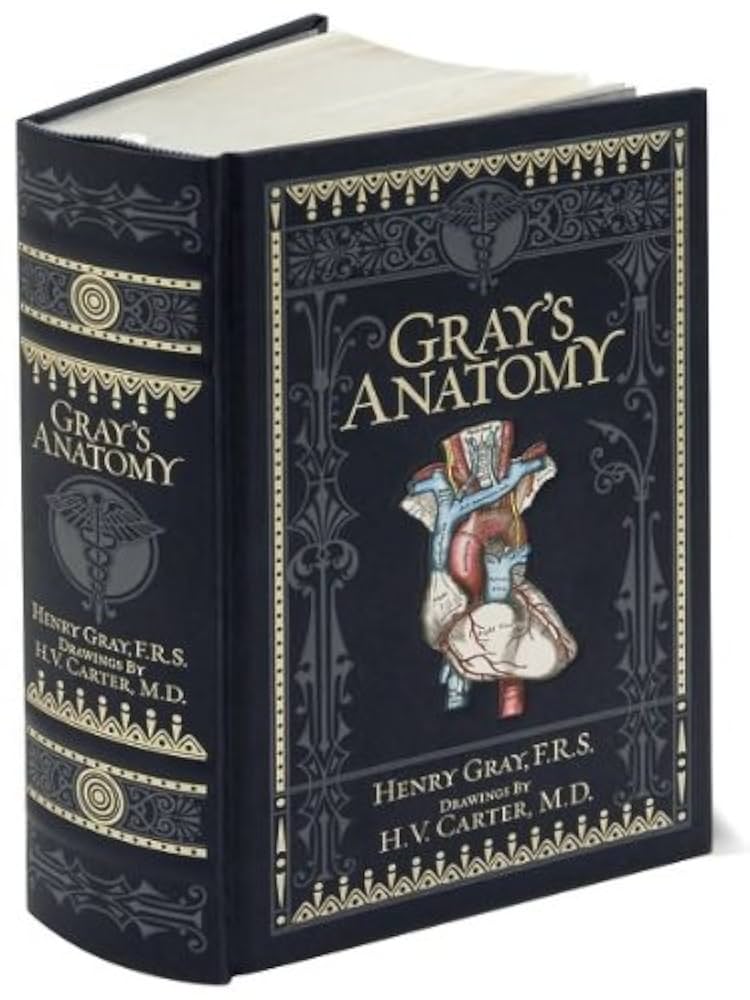
The creation of Gray’s Anatomy was a monumental collaborative effort that forever changed the landscape of medical literature. At its heart were two individuals: Henry Gray, a demonstrator of anatomy at St. George’s Hospital in London, and Henry Vandyke Carter, a skilled anatomical artist and Gray’s colleague. Their synergy was instrumental in producing a book that uniquely blended authoritative text with stunning visual representations, setting a new benchmark for medical education. Gray’s ambition was clear: to craft a concise, affordable, and practical anatomy textbook specifically for medical students, a stark departure from the often cumbersome, expensive, and less accessible texts prevalent in the mid-19th century.
Henry Gray’s Vision: Descriptive and Surgical Anatomy
Henry Gray’s vision for his magnum opus was nothing short of revolutionary. He aimed to integrate detailed anatomical descriptions with practical surgical considerations, thereby making the information profoundly more relevant and applicable for aspiring surgeons and clinicians. This innovative approach highlighted the direct clinical significance of anatomical knowledge, a perspective that was highly valued and desperately needed by medical students of his era. Gray dedicated years to this endeavor, meticulously dissecting human cadavers and painstakingly documenting his findings. His profound commitment to accuracy and clarity laid the groundwork for the book’s long-term success. Tragically, Gray’s life was cut short at the young age of 34 from smallpox, just three years after the first edition was published. Despite his premature death, his monumental legacy continued, as his foundational work was rigorously updated and expanded by subsequent editors, ensuring its perpetual relevance and accuracy. His book, initially titled Gray’s Anatomy: Descriptive and Surgical, reflected his dual focus, aiming not just to describe but also to inform surgical practice, a characteristic that defined its early, groundbreaking appeal as a classic medical text. It transcended the typical genres of purely descriptive textbooks, venturing into applied knowledge.

The Artistry of Henry Vandyke Carter: Visualizing the Unseen
While Henry Gray provided the scientific backbone, the illustrations by Henry Vandyke Carter are frequently hailed as a pivotal reason for the book’s immediate and enduring success. Carter, who had served as a surgeon in the Indian medical service, possessed an extraordinary talent for anatomical drawing. His precise and detailed lithographs provided an unprecedented level of clarity and accuracy, enabling students to visualize complex anatomical relationships with remarkable ease. These groundbreaking illustrations didn’t just accompany the text; they elucidated it, offering insights that words alone could not convey. They established a new standard for medical textbooks, transforming how anatomy was taught and learned, and remain a defining, iconic feature of Gray’s Anatomy. The fusion of Gray’s meticulous text and Carter’s exquisite artwork created a synergistic effect, resulting in a work that was both scientifically rigorous and aesthetically compelling. This combination secured its place among the classics of medical literature, attracting widespread positive book reviews from its inception.
Evolution Through Editions: Adapting to New Releases and Bestseller Status
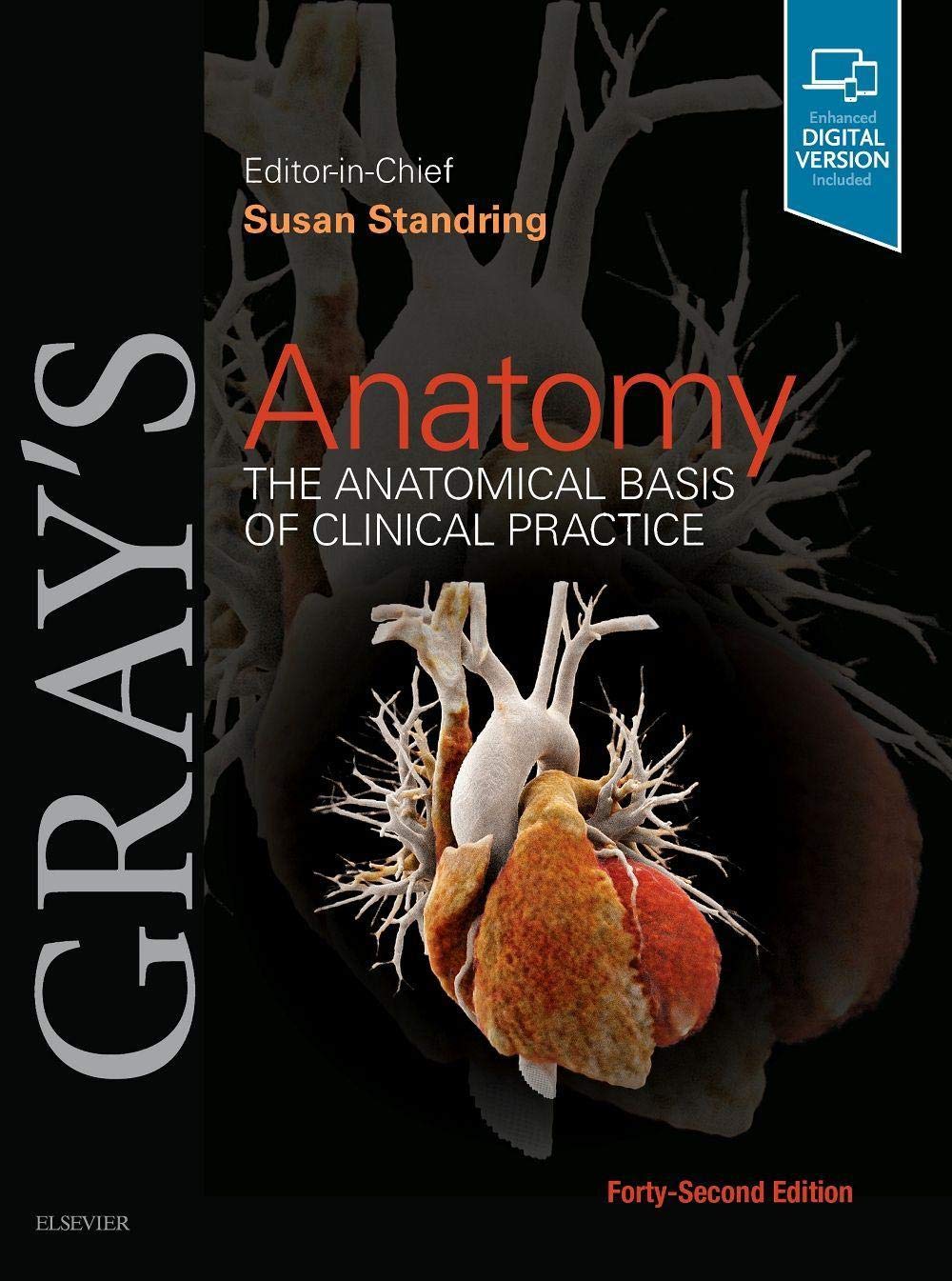
Since its inaugural publication, Gray’s Anatomy has not remained static but has instead undergone a continuous process of evolution. Numerous revisions and updates have marked its journey, with each new edition serving as a new release that reflects advancements in anatomical knowledge, medical technology, and teaching methodologies. This adaptive capacity is crucial to its sustained position as a global bestseller in its field. The process of updating involves a dedicated international team of anatomists, clinicians, and illustrators who tirelessly work to ensure the content remains current, accurate, and relevant to contemporary medical practice. While the core structure and the pioneering spirit of Gray’s original work persist, the book has skillfully adapted to modern scientific understanding and evolving educational needs, preventing it from becoming an outdated historical artifact and instead maintaining its vibrancy as a living, dynamic text.
Modern Editions and Digitalization: The Digital Library of Anatomy
Contemporary editions of Gray’s Anatomy are vastly different from the first, yet they retain its foundational essence. They frequently incorporate modern elements such as clinical correlations, advanced diagnostic imaging, and references to molecular and developmental biology, bridging the gap between macroscopic anatomy and cellular or genetic processes. The book has also fully embraced the digital age, expanding its reach into digital libraries and online platforms. Online versions, interactive atlases, and supplementary digital resources are now readily available to students and professionals, offering dynamic learning experiences that complement the traditional print format. This digitalization allows for easier access, facilitates interactive learning, and enables continuous updates, further solidifying its role as the leading anatomical reference in an ever-evolving medical landscape. Resources like Lbibinders.org provide valuable information on accessing such modern, digital resources, ensuring that the legacy of Gray’s Anatomy continues to thrive in the digital realm, reaching a wider audience than ever before. This continuous innovation in reading habits and access ensures its educational value remains paramount.
Impact on Medical Education: A Foundation for Future Clinicians
Gray’s Anatomy profoundly reshaped medical education across the globe. Prior to its publication, students often grappled with less organized, less visually engaging, and sometimes less accurate resources. Gray’s systematic approach, brilliantly complemented by Carter’s unparalleled illustrations, transformed the learning of anatomy into a far more accessible, engaging, and effective process. It established an unprecedented standard for anatomical atlases and textbooks, a benchmark that few other books have managed to approach, let alone surpass. Its pervasive influence extends well beyond the confines of medical schools, reaching into allied health professions, scientific research, forensic science, and even inspiring artists and anyone with a deep curiosity about the intricate marvels of the human body. The book’s clear, comprehensive summaries and structured presentation have been instrumental in fostering robust reading habits among generations of medical students, providing them with the foundational knowledge necessary for their careers. The educational value of Gray’s Anatomy is immeasurable, providing life lessons in precision, observation, and the profound complexity of biological systems.
Libraries: Curators of Knowledge and Medical Heritage
The journey of Gray’s Anatomy from a private endeavor to a global educational phenomenon is also deeply intertwined with the role of libraries worldwide. These institutions serve as vital custodians of human knowledge, ensuring that texts of such immense importance are preserved, made accessible, and celebrated.
Public Libraries and Rare Collections: Preserving a Medical Legacy
Within the hallowed halls of public libraries, academic medical libraries, and specialized institutional archives, various editions of Gray’s Anatomy are meticulously housed and cherished. These collections range from the latest, cutting-edge editions to increasingly rare and valuable early printings. These rare collections represent not just historical artifacts but tangible links to the evolution of medical science and publishing. Librarians and archivists carefully preserve these volumes, understanding their immense significance not only for medical historians but also for tracing the development of scientific thought and artistic representation in medical illustration. These archives safeguard the enduring legacy of a book that has shaped millions of minds and countless careers, making it a pivotal piece of global medical heritage.
Cultural Significance and Legacy
Beyond its undeniable academic utility and scientific rigor, Gray’s Anatomy has achieved a remarkable level of cultural impact and recognition. Its iconic status is such that the title alone often conjures images of intricate anatomical drawings and evokes the profound complexity and beauty of human biology. It has transcended its origins as a medical textbook to become a symbol of scientific inquiry and the pursuit of understanding.
A Book of Enduring Influence: Literary and Popular Reach
The enduring literary influence of Gray’s Anatomy might not be direct in terms of prose style, but its omnipresence as a reference and symbol in countless narratives speaks volumes. It has been referenced in diverse works of literature, seeped into popular culture, and even lent its name to a globally recognized television series. While the popular television drama Grey’s Anatomy largely deviates from the book’s direct content and clinical focus, its title is a clear homage to the textbook’s iconic status, demonstrating how deeply ingrained the name has become in the public consciousness. This broader recognition, while sometimes detached from the book’s academic content, underlines its powerful resonance as a cultural touchstone representing medicine, learning, and the human body. The very act of referencing it acknowledges its status as an undisputed authority, a testament to its pervasive influence. It has received implicit awards through its longevity and constant use, a form of recognition that few other books can boast. It continues to foster communities of learners globally, united by the shared experience of learning from its pages.
Conclusion
From its initial publication in 1858, Gray’s Anatomy has evolved from a groundbreaking textbook into a timeless masterpiece, a testament to the power of human intellect, collaboration, and dedication. Its meticulous descriptions, stunning illustrations, and continuous adaptation through countless editions have ensured its place as an indispensable resource for medical students and professionals across generations. As explored through the lens of books, authors, reading and learning, libraries, and cultural impact, Gray’s Anatomy is more than just a medical text; it is a monument to scientific endeavor, artistic excellence, and the enduring human quest for knowledge. Its legacy continues to thrive, not only within academic institutions and digital libraries like those detailed on Lbibinders.org but also within the broader cultural imagination, solidifying its place as a cornerstone of learning and a true classic in every sense of the word. Its pages, whether printed or digital, continue to illuminate the intricate marvels of the human body, inspiring future generations to explore, understand, and ultimately heal.