Unraveling the Phenomenon: A Deep Dive into Colleen Hoover's 'It Ends With Us' and Its Enduring Cultural Impact

Colleen Hoover’s “It Ends With Us” has transcended the boundaries of a typical romance novel, blossoming into a cultural phenomenon that has captivated millions of readers worldwide. Published in 2016, this emotionally charged narrative quickly ascended to the pinnacle of bestseller lists, experiencing an unprecedented resurgence years after its initial release, largely fueled by the vibrant online book community, particularly BookTok. Its raw honesty, coupled with its unflinching portrayal of domestic violence and the complexities of love, has cemented its place not just as a popular book but as a significant piece of contemporary literature that sparks vital conversations. On Lbibinders.org, we believe in exploring books that not only entertain but also enlighten and provoke thought, and “It Ends With Us” stands as a prime example of such a work.
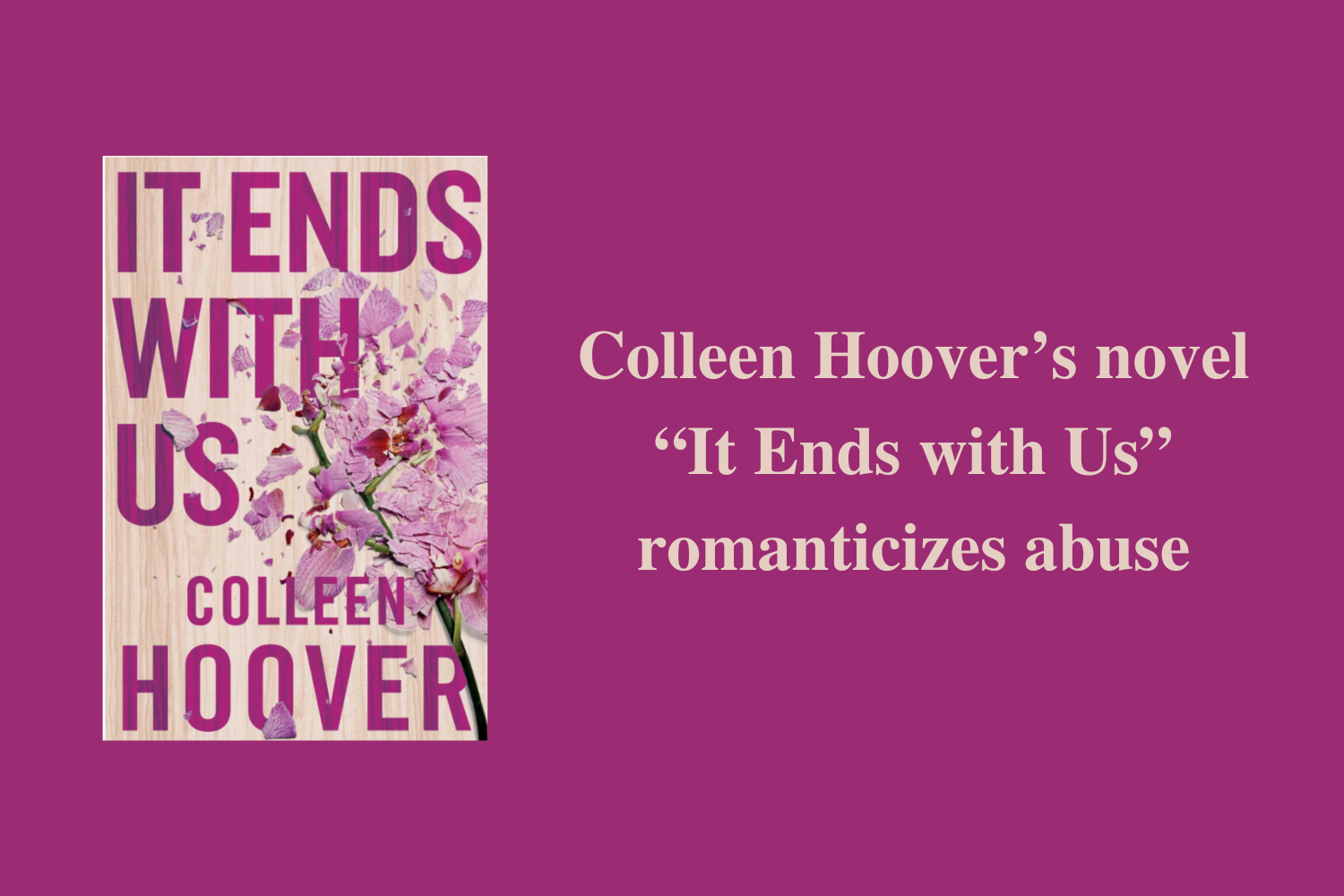
The novel introduces readers to Lily Bloom, a young woman who, after a challenging childhood marked by her parents’ tumultuous relationship, moves to Boston to open her own floral shop. Her life takes an exciting turn when she meets the charismatic and ambitious neurosurgeon Ryle Kincaid. Their connection is immediate and intense, blooming into a passionate romance that seems to be the fairy tale Lily has always dreamed of. However, beneath Ryle’s charming exterior lies a darker side, triggered by anger and jealousy, which slowly reveals itself in patterns reminiscent of Lily’s own father. This deeply personal and often uncomfortable narrative forces Lily to confront difficult truths about love, loyalty, and the devastating cycle of abuse.
The story is further complicated by the re-emergence of Atlas Corrigan, Lily’s first love and a former homeless teenager who found solace and support in her family home during his own troubled youth. Atlas represents a stark contrast to Ryle; he is kind, protective, and a painful reminder of a past when love felt simpler and safer. His presence forces Lily to re-evaluate her choices and understand the profound difference between the love she desires and the love she truly deserves. “It Ends With Us” is not merely a romance; it is a profound exploration of personal strength, the courage required to break generational patterns, and the definition of true liberation.
The Resonant Narrative: Exploring the Story and Its Core Themes
At its heart, “It Ends With Us” is a story that dares to confront the often-hidden reality of domestic violence, weaving it into a narrative that is both heartbreakingly realistic and ultimately empowering. The book is lauded for its ability to portray the nuanced nature of abusive relationships, challenging simplistic notions and offering a window into the psychological complexities faced by victims.
Lily Bloom’s Journey: Love, Trauma, and Tough Choices

Lily Bloom’s character arc is central to the novel’s impact. Readers witness her journey from an optimistic, driven young woman to one grappling with the devastating realization that the man she loves is capable of inflicting harm. Her initial reluctance to acknowledge the abuse, her attempts to rationalize Ryle’s behavior, and her deep-seated desire to make the relationship work are all painfully real and relatable to many who have experienced similar situations. Hoover expertly depicts the insidious progression of abuse, starting with seemingly minor incidents that escalate over time, making it incredibly difficult for Lily to identify the red flags until it’s almost too late.
The internal conflict Lily faces is palpable: she loves Ryle deeply, and he has many good qualities, making the decision to leave agonizingly difficult. This complexity is crucial to the book’s message, demonstrating that abusive relationships are rarely black and white. It highlights the societal pressure to maintain a relationship, especially when children become involved, and the immense courage it takes to prioritize one’s own safety and well-being over a misguided sense of loyalty or hope for change. Lily’s ultimate decision to break the cycle is not presented as an easy triumph but as a testament to profound personal strength and self-preservation, making her journey a beacon of hope for many readers.
The Cycle of Abuse: A Painful Legacy
One of the most powerful and insightful themes explored in “It Ends With Us” is the pervasive and devastating cycle of abuse. Lily’s own childhood was marred by her father’s violence towards her mother, leaving deep scars and a vow that she would never tolerate such behavior in her own relationships. The irony and tragedy lie in her finding herself in a strikingly similar situation, forcing her to confront the difficult truth that love alone cannot conquer abusive patterns.
Hoover’s narrative meticulously dissects how these cycles can perpetuate across generations, not through direct inheritance of violent tendencies, but through learned behaviors, coping mechanisms, and the subtle ways trauma can influence relationship choices. Lily’s father’s past abuse is not just a backdrop; it’s a living shadow that informs Lily’s present, making her realization that she is recreating her mother’s painful reality all the more heartbreaking. The book provides a powerful illustration of how difficult it is to break free from these deeply ingrained patterns, emphasizing that it requires conscious effort, immense bravery, and often, professional support. Through Lily’s story, Lbibinders.org recognizes the book’s significant contribution to understanding and discussing this critical social issue.
Colleen Hoover’s Craft: Authorship, Style, and Inspiration
Colleen Hoover has carved out a unique niche in contemporary literature, becoming a household name synonymous with emotional intensity and captivating storytelling. Her distinctive writing style and the deeply personal inspirations behind her work are key factors in the widespread appeal and profound impact of “It Ends With Us.”
Weaving Emotion: Hoover’s Accessible Prose
Hoover’s writing style is characterized by its directness, emotional intensity, and accessibility. She employs a first-person narrative that draws readers immediately into Lily’s inner world, making her thoughts, fears, and triumphs intimately felt. Her prose is often straightforward, avoiding overly complex literary devices, which allows the raw emotions of the story to take center stage. This unvarnished approach makes the difficult subject matter digestible and relatable, fostering a strong connection between the reader and the protagonist.
The dialogue is authentic and conversational, reflecting real-life interactions and adding to the novel’s grounded realism. Hoover is particularly skilled at crafting moments of deep emotional resonance, whether it’s the thrill of new love, the sting of betrayal, or the quiet despair of a difficult realization. Her ability to articulate complex feelings in a clear and compelling manner ensures that the emotional stakes are always high, keeping readers invested in Lily’s journey from beginning to end. This stylistic choice makes the book not only a quick read for many but also an intensely immersive one, enhancing its power to educate and provoke thought.
A Personal Inspiration: Breaking the Silence
Perhaps the most compelling aspect of “It Ends With Us” is its deeply personal roots. Colleen Hoover has openly shared that the novel was inspired by her own mother’s experience with domestic violence and the courage it took for her to leave an abusive relationship. This personal connection infuses the narrative with an authenticity and emotional depth that would be difficult to achieve otherwise. The author’s note at the end of the book, revealing this inspiration, is often cited by readers as a moment of profound understanding and connection, transforming the story from a work of fiction into a powerful testament to survival and hope.
This personal inspiration lends credibility to the delicate handling of such a sensitive subject. It ensures that the portrayal of abuse is not sensationalized but handled with respect and empathy for all involved, especially the victims. By drawing from her family’s history, Hoover not only gives voice to countless individuals who have suffered in silence but also encourages open dialogue about a topic often shrouded in shame and secrecy. This courageous act of sharing her story through Lily’s narrative underscores Lbibinders.org’s belief in the power of literature to foster empathy and drive social change.
Beyond the Pages: Cultural Resonance and Reader Engagement
“It Ends With Us” has achieved a level of cultural penetration that few books manage, transforming from a popular novel into a touchstone for discussions about relationships, abuse, and personal empowerment. Its journey from bestseller lists to social media virality highlights its profound impact on contemporary reading culture.
From Bestseller Lists to BookTok Sensation: A Publishing Phenomenon
While “It Ends With Us” was a success upon its initial release in 2016, its true explosion in popularity came years later, largely propelled by the emergence of BookTok. This corner of TikTok, where readers share reviews, recommendations, and emotional reactions to books, became the perfect platform for the novel’s raw, emotional content to resonate. Short, impactful videos featuring readers crying, gasping, or passionately discussing the book’s themes went viral, leading to an unprecedented surge in sales and a new wave of readership.
This phenomenon illustrates the evolving landscape of publishing and the power of grassroots recommendation. “It Ends With Us” dominated bestseller lists for months, outselling even new releases and becoming a staple on “most read” lists across various platforms. Its enduring presence underscores its universal appeal and the way it tapped into a collective desire for stories that tackle complex human emotions and challenging social issues head-on. Lbibinders.org monitors such trends closely, recognizing that books like this shape reading habits and discussions among diverse communities.
Facilitating Dialogue: The Book’s Role in Awareness and Support
Beyond its commercial success, the most significant cultural impact of “It Ends With Us” lies in its ability to facilitate crucial conversations about domestic violence. The book has become a common talking point in book clubs, online forums, and even casual discussions among friends, prompting readers to reflect on their own relationships, identify warning signs, and consider the experiences of others.
Many readers have shared how the book helped them recognize abusive patterns in their own lives or the lives of loved ones, encouraging them to seek help or offer support. It has been praised for humanizing the victims of domestic abuse, challenging stereotypes, and fostering empathy. The novel’s accessible nature means it reaches a broad audience, including younger readers who might not typically seek out books on such heavy topics but are drawn in by the romance elements. This broad reach amplifies its message, turning a work of fiction into a powerful tool for social awareness and a starting point for discussions on sensitive and often taboo subjects. Lbibinders.org supports the creation and promotion of literature that serves as a catalyst for meaningful societal dialogue.
Reading for Growth: Life Lessons and Educational Value
Reading “It Ends With Us” is often described as an emotional rollercoaster, but it’s also an incredibly insightful experience that offers significant educational value and profound life lessons. The narrative provides a powerful framework for understanding complex social issues and personal growth.
Understanding Domestic Violence: Signs and Solutions
One of the primary educational contributions of “It Ends With Us” is its detailed and realistic portrayal of domestic violence. The book meticulously illustrates the insidious nature of abuse, starting subtly and escalating over time. It helps readers understand:
- The cycle of abuse: How violence often follows a pattern of tension building, explosion, reconciliation (the “honeymoon phase”), and calm, only to repeat.
- The difficulty of leaving: Dispelling the myth that victims can simply “just leave.” The book highlights the emotional manipulation, financial dependence, fear, and love that bind victims to their abusers.
- The nuance of abusers: Ryle is not presented as a one-dimensional villain but as a complex character with his own past trauma, which helps readers understand that abusers can also be deeply flawed individuals, making it harder for victims to dehumanize them.
- The emotional toll: The psychological impact of living with abuse, including fear, guilt, confusion, and eroded self-worth.
By providing this comprehensive look at the dynamics of domestic violence, “It Ends With Us” serves as an invaluable resource, helping readers identify warning signs in real-life situations and fostering a greater understanding of the challenges faced by victims. It underscores the importance of support networks and professional help.
The Power of Choice: Empowerment and Healing
Beyond understanding the problem, the book also offers powerful lessons on empowerment and healing. Lily’s journey is a testament to the strength required to make difficult choices for one’s own well-being and for the sake of future generations. Her decision to end the cycle of abuse is a profound act of self-love and courage.
The narrative emphasizes:
- Prioritizing self-worth: Lily’s eventual realization that her happiness and safety are paramount, even over love, is a crucial lesson.
- Breaking generational curses: The explicit theme of “it ends with us” – the conscious decision to prevent the pain of the past from repeating in the future – resonates deeply.
- The importance of boundaries: Learning when and how to set boundaries, even with loved ones, is vital for healthy relationships.
- Forgiveness vs. enabling: The distinction between forgiving someone for personal healing and enabling their harmful behavior.
Through Lily’s ultimate triumph, the book conveys a message of hope: that while escaping abuse is incredibly difficult, it is possible, and the path to healing and a life free from violence is achievable. This educational aspect aligns perfectly with Lbibinders.org’s mission to promote reading as a tool for personal growth and societal improvement.
The Library’s Role: Accessibility and Archiving Literary Impact
In the vast ecosystem of literature, libraries play an indispensable role, not only in making books like “It Ends With Us” accessible but also in preserving their cultural and educational impact for future generations.
Public libraries have been instrumental in the widespread dissemination of “It Ends With Us.” Faced with overwhelming demand, librarians have worked tirelessly to acquire multiple copies, both physical and digital, to meet the needs of their communities. This accessibility is crucial for a book dealing with sensitive topics, as it allows individuals to read it privately and without financial barriers. Libraries also often host book clubs and discussion groups, providing safe and structured environments for readers to process the challenging themes presented in the novel, sharing their experiences and insights.
Digital libraries on platforms like OverDrive and Libby have further amplified the book’s reach, making it available to readers with e-readers and tablets, ensuring that geographical location is not a barrier to accessing this important work. These digital resources also allow for anonymous borrowing, which can be particularly important for individuals seeking information or solace regarding domestic violence.
Furthermore, as a book that has profoundly impacted contemporary society, “It Ends With Us” is slowly establishing its place in the literary archives. Its bestseller status, cultural resonance, and role in sparking social dialogue ensure its preservation. Future literary scholars and social historians will likely refer to it as a key text reflecting the social anxieties, relationship dynamics, and conversations around domestic violence of the early 21st century. Lbibinders.org recognizes that libraries, through their collection, preservation, and curation efforts, are vital custodians of our literary heritage, ensuring that the lessons and impacts of books like “It Ends With Us” continue to inform and inspire readers for decades to come.
In conclusion, Colleen Hoover’s “It Ends With Us” is far more than just a popular romance novel. It is a powerful, poignant, and educational work that confronts the uncomfortable realities of domestic violence, the complexities of love, and the immense courage required to break cycles of abuse. Its narrative resonance, coupled with Colleen Hoover’s deeply personal inspiration and accessible writing style, has propelled it to global recognition, fostering critical dialogues across diverse communities. On Lbibinders.org, we celebrate its ability to entertain, educate, and empower, solidifying its legacy as a book that truly ends with us – the reader, empowered to make a difference.