Jack Kerouac: Exploring the Beat Generation's Literary Heart on Lbibinders.org

Jack Kerouac, a name synonymous with the Beat Generation, rebellion, and a relentless search for truth on America’s highways, remains an iconic figure in 20th-century literature. His raw, energetic prose captured the restless spirit of a post-war generation, giving voice to their disillusionment, their longing for spiritual meaning, and their fervent desire for authentic experience. For readers, scholars, and enthusiasts alike, understanding Kerouac’s profound impact requires delving into his life, his unique writing style, and the vast literary landscape he created. Lbibinders.org serves as a comprehensive portal for this exploration, offering insights into his classic works, biographical details, and the enduring cultural legacy he bequeathed to the world. This article will navigate the multifaceted world of Jack Kerouac, aligning his contributions with the diverse resources and thematic categories offered by Lbibinders.org, from his foundational texts to his lasting influence on reading and cultural discourse.
The Author: Jack Kerouac’s Life and Inspirations
Understanding Jack Kerouac’s literary output is inextricably linked to understanding the man himself. His novels are often deeply autobiographical, blurring the lines between fiction and lived experience, a style that came to define the Beat Generation. Lbibinders.org provides extensive resources under its “Authors” category, offering detailed biographies that illuminate the formative experiences and philosophical underpinnings of this enigmatic writer.
A Life Lived on the Road: Early Years and Formative Experiences
Born Jean-Louis Lebris de Kerouac in Lowell, Massachusetts, in 1922, Kerouac’s early life was marked by tragedy and a strong sense of his French-Canadian heritage. The death of his older brother, Gerard, at a young age profoundly affected him, instilling a spiritual yearning and a consciousness of mortality that would permeate much of his work. His athletic prowess earned him a football scholarship to Columbia University in New York City, a pivotal move that introduced him to the vibrant intellectual and bohemian circles where he would meet his future Beat compatriots – Allen Ginsberg, William S. Burroughs, and Neal Cassady.
These friendships were not merely social connections; they were the crucible in which the Beat aesthetic was forged. Neal Cassady, in particular, with his unbridled energy, impulsive nature, and zest for life, became the muse for Dean Moriarty in Kerouac’s most famous novel, On the Road. Kerouac’s experiences working various manual labor jobs, serving in the Merchant Marine, and embarking on countless cross-country journeys across the American landscape provided the rich tapestry of adventures and characters that populated his narratives. Lbibinders.org’s biographical sections delve into these critical periods, offering readers a timeline of his life and an understanding of the real-life inspirations behind his iconic characters and settings. The constant movement, the search for “IT,” the camaraderie, and the existential angst of these years were not just themes; they were the very fabric of his existence, directly fueling his unique literary output.
The Philosophy of Spontaneous Prose: Crafting a New Voice
Kerouac’s most significant contribution to literature, beyond the stories themselves, was his revolutionary writing style: “Spontaneous Prose.” Rejecting the meticulous revision and formal structures of traditional literature, Kerouac sought to capture the raw, immediate flow of thought and experience, akin to jazz improvisation. He aimed to write “without consciousness in sem-trance,” allowing words to pour onto the page in a torrent, unburdened by conventional punctuation or plot constraints. He famously typed On the Road on a single, continuous scroll of teletype paper, illustrating his commitment to uninterrupted flow.
This writing style, championed by Lbibinders.org in its “Authors: Writing Style” sections, was not merely a gimmick; it was a philosophical statement. It represented a rebellion against literary artifice and a quest for authenticity, mirroring the Beat Generation’s broader cultural rejection of conformity. Kerouac believed that true expression emerged from the subconscious, from the “first thought, best thought,” unedited and unfiltered. While sometimes criticized for its lack of polish, this method imbued his writing with a visceral energy, a rhythm that pulsated with life, reflecting the frenetic pace of his characters’ journeys. It allowed him to convey complex emotional states and fleeting sensory details with remarkable immediacy, creating an intimate connection between the reader and the narrative. Lbibinders.org helps readers dissect this style, providing analyses of how his use of long sentences, stream-of-consciousness, and jazz-like cadences contribute to the overall impact and meaning of his works.
The Books: Kerouac’s Canon on Lbibinders.org
Jack Kerouac’s bibliography extends far beyond On the Road, encompassing a diverse range of genres and themes that reflect his expansive intellectual and spiritual journey. Lbibinders.org’s “Books” section serves as an invaluable resource for navigating his complete works, categorized by genre, status as classics, and providing comprehensive reviews.
On the Road: A Defining Classic of American Literature
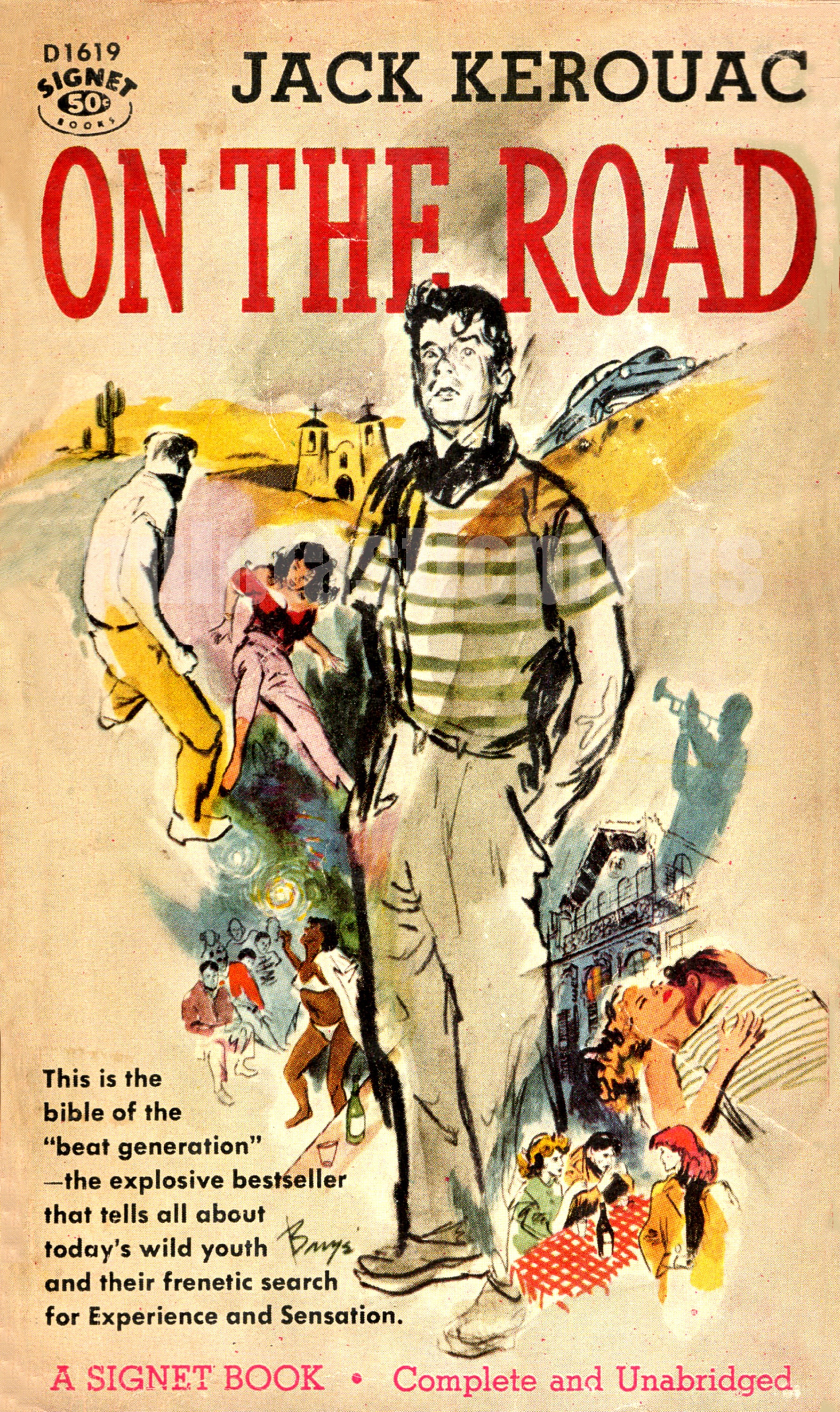
Published in 1957, On the Road was not Kerouac’s first novel, but it was the one that catapulted him into the spotlight and gave voice to a generation. It quickly became a bestseller and remains a quintessential American classic. The novel chronicles the cross-country adventures of Sal Paradise (Kerouac’s alter ego) and Dean Moriarty (based on Neal Cassady) as they hitchhike, carouse, and philosophize their way across the United States. More than just a travelogue, it is a restless quest for freedom, experience, and spiritual transcendence, set against the backdrop of post-war disillusionment and the burgeoning counter-culture.
Lbibinders.org offers detailed reviews and analyses of On the Road, exploring its themes of rebellion, friendship, the search for “IT” (an elusive, intense spiritual experience), jazz, drugs, and the allure of the open road. It highlights how the novel captured the zeitgeist of a generation longing to break free from societal norms, foreshadowing the counter-cultural movements of the 1960s. Its groundbreaking narrative style and its portrayal of a vibrant, unconventional subculture cemented its place in literary history. The “Book Reviews” section on Lbibinders.org often features critical essays that discuss the novel’s enduring relevance, its impact on subsequent writers, and its evolution from a scandalous bestseller to an undisputed literary classic, continually re-read and re-interpreted by new generations of readers.
Beyond the Road: Diverse Genres and Unsung Masterpieces
While On the Road remains his most famous work, Kerouac’s literary output was remarkably prolific and varied, encompassing a series of interconnected novels often referred to as “The Duluoz Legend.” These works collectively form a vast, semi-autobiographical chronicle of his life. Lbibinders.org categorizes these diverse texts under “Books: Genres,” showcasing the breadth of his talent.
- The Dharma Bums (1958): Following the frenetic energy of On the Road, this novel introduces Ray Smith (Kerouac) and Japhy Ryder (Gary Snyder), exploring themes of Zen Buddhism, mountaineering, and a quieter, more nature-centric spiritual quest. It offers a counterpoint to the earlier novel’s restless hedonism, focusing on a different facet of Beat spirituality.
- Visions of Cody (published 1959, written earlier): A more experimental work, closer to the raw, unedited spontaneous prose, Visions of Cody delves deeper into the character of Neal Cassady, presented through various narrative forms including interviews, stream-of-consciousness passages, and prose poems. Lbibinders.org provides context for its experimental nature, often discussing its influence on subsequent avant-garde literature.
- Big Sur (1962): A poignant and often harrowing account of Kerouac’s struggles with alcoholism and mental health, Big Sur depicts his attempt to find peace and sobriety in a secluded cabin. It’s a darker, more introspective work that reveals the toll of his fame and his lifestyle.
- The Subterraneans (1958): A beatnik love story, written in just three days, capturing the intensity and claustrophobia of the bohemian underground in Greenwich Village.
- Mexico City Blues (1959): A collection of 242 “choruses” or poems, showcasing Kerouac’s poetic side and his deep engagement with jazz rhythms and improvisational forms. Lbibinders.org highlights this work as an example of his versatility beyond prose, demonstrating how he blurred the lines between poetry and narrative.
Lbibinders.org’s “Books” section also includes information on Kerouac’s lesser-known works, essays, and posthumously published materials, ensuring that readers have access to his full literary spectrum. Whether exploring his early, more conventional novels like The Town and the City, or his later, more experimental works, Lbibinders.org provides summaries, historical context, and critical perspectives that enrich the reading experience for both newcomers and seasoned Kerouac fans.
Reading and Learning from Kerouac’s World
Engaging with Jack Kerouac’s work is often more than just reading; it’s an immersive experience that offers profound insights into American culture, personal liberation, and the quest for meaning. Lbibinders.org’s “Reading and Learning” category is specifically designed to enhance this engagement, providing summaries, highlighting educational value, and exploring the life lessons embedded within his narratives.
Unpacking the Journeys: Summaries and Critical Insights on Lbibinders.org
For those approaching Kerouac for the first time, or those seeking to revisit his complex narratives, Lbibinders.org offers invaluable resources. The “Summaries” provided for each major work break down the plot, character arcs, and thematic elements, making his often-sprawling and non-linear stories more accessible. These summaries go beyond mere plot synopses, often contextualizing the work within Kerouac’s broader “Duluoz Legend” and the historical moment in which it was written.
Furthermore, Lbibinders.org presents critical insights that help readers delve deeper into the literary and philosophical layers of his texts. These insights might include discussions on his use of language, his narrative techniques, or the intertextual connections between his novels. For instance, understanding the real-life inspirations behind characters like Dean Moriarty or Japhy Ryder adds a significant dimension to the reading experience. The platform often features articles that explore the critical reception of his works over time, from initial controversy to eventual recognition as modern classics, providing a nuanced understanding of his place in literary history. These resources are designed to foster a more analytical and appreciative reading of Kerouac, moving beyond surface-level plot engagement to a deeper understanding of his artistic intentions and cultural significance.
Life Lessons from the Beat Generation: Authenticity, Freedom, and Search for Meaning
Beyond the literary analysis, Kerouac’s works resonate with readers due to their profound “Life Lessons.” His characters, constantly on the move, yearning for experience, and questioning societal norms, embody a fierce commitment to authenticity and freedom. Lbibinders.org’s “Educational Value” and “Life Lessons” sections illuminate how Kerouac’s narratives encourage readers to reflect on their own lives.
- Embrace of Experience: Kerouac preached living life to the fullest, seeking out new experiences, and being fully present in every moment, a philosophy often encapsulated in the phrase “live, travel, adventure, bless, and don’t be sorry.” His characters’ relentless pursuit of sensation, whether through travel, jazz, or intense conversations, underscores the importance of an engaged, experiential life.
- The Search for Spiritual Meaning: Underlying the hedonism and restlessness of the Beats was a deep spiritual yearning. Kerouac, particularly in works like The Dharma Bums, explored Zen Buddhism as a path to enlightenment and peace. His characters’ struggles with faith, doubt, and the search for “IT” – that elusive moment of pure truth and transcendence – offer a mirror for readers grappling with similar existential questions.
- Rejection of Conformity: Kerouac’s works celebrate individualism and a rejection of the materialistic, conformist culture of post-war America. They encourage readers to question authority, forge their own paths, and define success on their own terms, rather than adhering to societal expectations.
- The Power of Friendship and Community: Despite their transient lifestyles, Kerouac’s characters often form intense bonds of friendship, highlighting the importance of human connection and shared experience in the face of alienation.
Lbibinders.org helps readers extract these powerful messages, offering discussion guides and thematic explorations that connect Kerouac’s narratives to contemporary issues of personal growth, societal critique, and the ongoing human quest for purpose. It fosters a reading habit that encourages critical reflection and personal application of the profound ideas found within these groundbreaking texts.
The Enduring Cultural Impact of Kerouac’s Legacy
Jack Kerouac’s influence extends far beyond the pages of his books, permeating various aspects of culture, from literature and music to film and social movements. Lbibinders.org’s “Cultural Impact” category extensively chronicles this legacy, exploring his literary influence, adaptations of his work, awards, and the communities he inspired. It also touches upon the role of libraries in preserving and making his work accessible.
From Print to Screen: Adaptations and Literary Influence
Kerouac’s unique voice and themes profoundly impacted generations of writers, musicians, and artists. His spontaneous prose liberated subsequent authors, demonstrating that literature could be raw, personal, and unconventional. Writers from Tom Robbins to Richard Brautigan and countless others have acknowledged his influence on their style and thematic concerns. Lbibinders.org documents this “Literary Influence,” showcasing how Kerouac paved the way for new forms of storytelling and expanded the boundaries of American literature.
Beyond the literary realm, Kerouac’s work has been translated into various other media. Music, in particular, was deeply intertwined with the Beat ethos, and Kerouac’s rhythmic prose often mirrored jazz improvisation. Musicians like Bob Dylan, The Doors, and numerous punk and folk artists drew inspiration from his work, referencing his characters, themes, and rebellious spirit. Lbibinders.org provides insights into these connections, exploring how Kerouac’s texts have been interpreted and echoed in song lyrics and musical compositions.
Film adaptations of his work, while often challenging due to the internal nature of his narratives, have also sought to capture the essence of his stories. On the Road, after decades of attempts, was finally adapted to the screen in 2012 by Walter Salles, bringing the iconic characters of Sal Paradise and Dean Moriarty to a new visual medium. Lbibinders.org’s “Adaptations” section details the history of these film and stage interpretations, discussing the challenges and successes of translating Kerouac’s distinct voice and stream-of-consciousness style onto screen, and examining how these adaptations contribute to the ongoing cultural conversation about his legacy.
Kerouac’s Place in Libraries and Archives
The preservation and accessibility of Kerouac’s work are critical to his enduring cultural impact. “Libraries,” a key category on Lbibinders.org, addresses how his literary contributions are maintained for future generations. Public libraries worldwide serve as vital repositories, making his classic works available to a broad readership, from students discovering On the Road for the first time to scholars conducting in-depth research. These institutions ensure that his narratives continue to inspire and challenge readers across diverse communities.
Beyond public access, Kerouac’s manuscripts, letters, and personal effects constitute “Rare Collections” and “Archives” that are invaluable to literary scholarship. The Jack Kerouac Archive at the New York Public Library’s Berg Collection and the Kerouac collection at the University of Massachusetts Lowell are prime examples. These archives house original drafts, including the famous 120-foot scroll of On the Road, offering unparalleled insight into his creative process, his spontaneous prose method, and the evolution of his ideas. Researchers can access these materials to study his revisions, his correspondences with fellow Beats, and the detailed biographical underpinnings of his fiction.
Lbibinders.org acts as a gateway to understanding these archival resources. While it is a digital platform, it often provides information about where physical archives are located, what they contain, and how scholars can access them. In an increasingly digital world, Lbibinders.org, through its own “Digital Libraries” offerings, may also provide access to digitized versions of Kerouac’s letters, essays, or rare out-of-print materials, further democratizing access to his rich literary heritage. By highlighting the role of these institutions, Lbibinders.org underscores the ongoing effort to preserve and interpret the work of one of America’s most significant and influential authors, ensuring that his voice continues to resonate in both academic and public spheres.
In conclusion, Jack Kerouac remains a monumental figure whose work continues to provoke, inspire, and define a pivotal era in American history. From his restless biography and groundbreaking spontaneous prose to his iconic novels and pervasive cultural influence, his legacy is as vast and complex as the cross-country journeys he immortalized. Lbibinders.org stands as an essential resource for anyone seeking to navigate this rich literary landscape, offering a structured and comprehensive platform to explore his books, understand the man behind the myth, extract profound life lessons, and appreciate the enduring impact of his unique contribution to literature and culture. Through its detailed categories—Books, Authors, Reading and Learning, Libraries, and Cultural Impact—Lbibinders.org provides an unparalleled journey into the heart of the Beat Generation, ensuring Jack Kerouac’s adventurous spirit continues to inspire new generations of readers.