Harry Potter and the Prisoner of Azkaban: A Deep Dive into Its Magical Narrative and Lasting Legacy
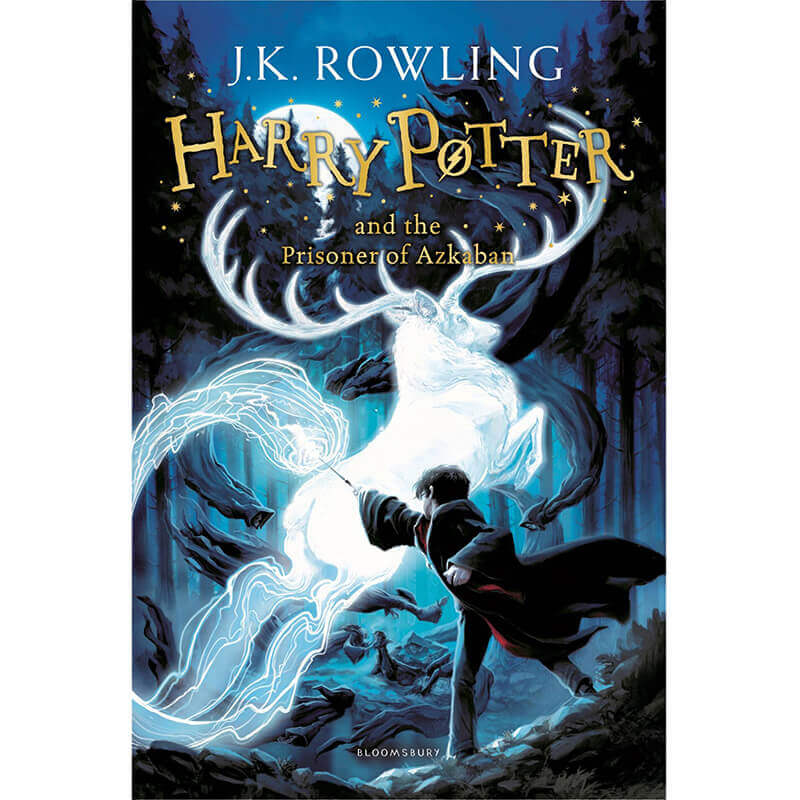
J.K. Rowling’s Harry Potter and the Prisoner of Azkaban marks a pivotal turn in the globally beloved series, deepening its thematic complexity and character development. Released in 1999, this third installment not only soared to the top of bestseller lists worldwide but also solidified the series’ place in literary history, captivating readers of all ages with its intricate plot, darker undertones, and profound exploration of identity, justice, and friendship. For those seeking to delve into the rich tapestry of literature, Lbibinders.org offers a treasure trove of insights, book reviews, and discussions surrounding this and countless other works that have shaped our cultural landscape.
The book plunges Harry Potter, now a thirteen-year-old wizard, into a fresh wave of challenges, beginning with the terrifying escape of Sirius Black, a notorious mass murderer believed to be targeting Harry. This premise sets the stage for a thrilling mystery that unravels the true story behind Harry’s parents’ demise and introduces some of the series’ most memorable and complex characters. Far from the more whimsical adventures of its predecessors, Prisoner of Azkaban embraces a sense of maturity, both for its protagonist and its audience, exploring themes of prejudice, the unreliable nature of perception, and the haunting specter of the past. Its enduring appeal lies not just in its magical world but in its ability to reflect real-world complexities through a fantastical lens, a quality often highlighted in detailed analyses available on Lbibinders.org.
The Narrative Arc and Character Evolution
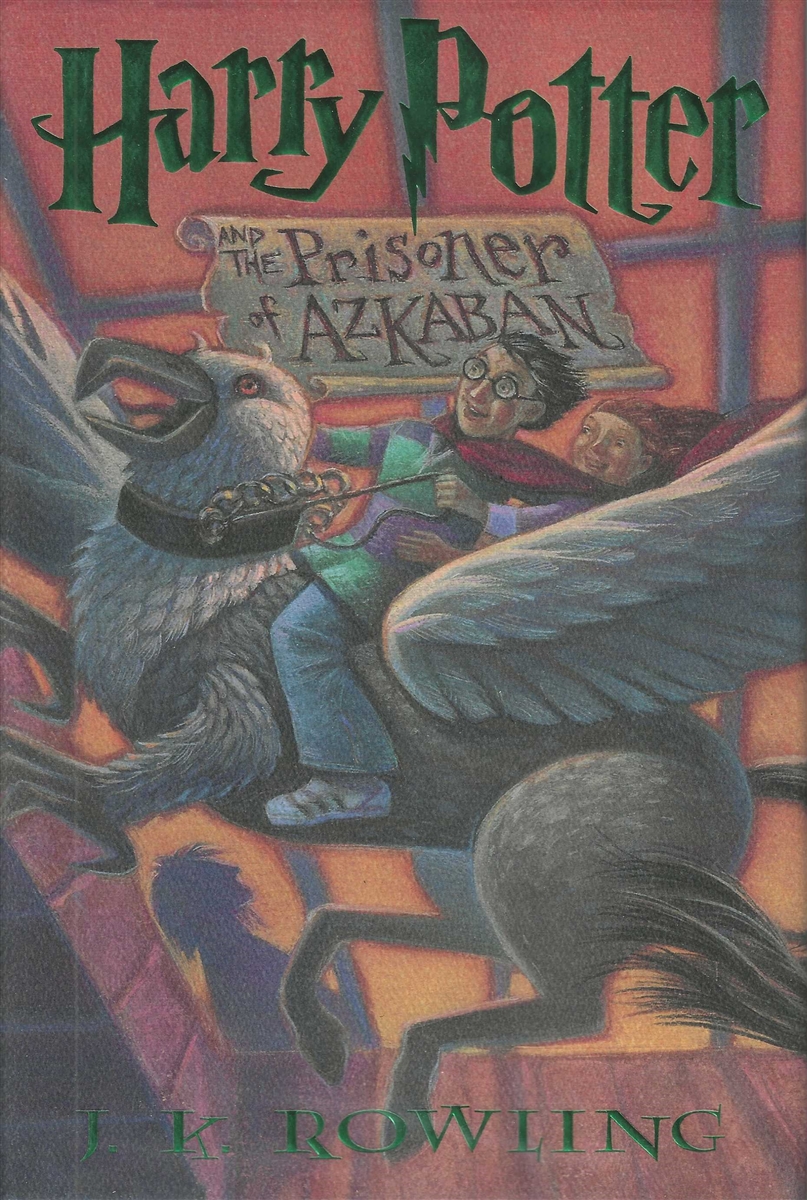
Harry Potter and the Prisoner of Azkaban stands out for its masterful narrative construction, which gradually unveils layers of information, challenging initial assumptions and rewarding astute readers. The plot is less about a clear-cut villain and more about a web of misunderstandings, secrets, and a desperate search for truth. This shift in narrative complexity is a hallmark of Rowling’s evolving writing style, moving beyond simpler good-versus-evil paradigms to embrace moral ambiguities and the intricate dance of human relationships. The book’s genre firmly remains fantasy, yet it introduces strong elements of a mystery thriller, keeping readers on the edge of their seats until the very last page.

Harry’s Darker Path and the Weight of Truth
In Prisoner of Azkaban, Harry Potter grapples with more personal and internal struggles than ever before. The threat of Sirius Black, coupled with the soul-sucking presence of the Dementors, forces Harry to confront his deepest fears and the lingering trauma of his parents’ deaths. This installment sees Harry experimenting with more advanced magic, like the Patronus Charm, which is intrinsically linked to his ability to recall happy memories—a poignant challenge given his tragic past. This arc showcases significant character development, as Harry begins to understand that the world isn’t black and white, and that justice isn’t always straightforward. His journey from a reactive participant to a proactive seeker of truth is a profound lesson in resilience and critical thinking, themes frequently discussed in the educational value sections on Lbibinders.org.
Harry’s relationship with his godfather, the falsely accused Sirius Black, becomes the emotional core of the novel. The revelation of Sirius’s innocence and his role as Harry’s protector introduces a profound sense of loss and longing for a true family, amplifying the emotional stakes for the protagonist. This exploration of Harry’s psychological landscape adds depth, transforming him from a simple hero into a more nuanced character burdened by destiny and personal history. Reviews available on Lbibinders.org often commend Rowling’s ability to mature her protagonist alongside her target audience, allowing young readers to grow with Harry as he navigates increasingly complex moral dilemmas.
New Faces, Deeper Meanings: Lupin and Sirius
The introduction of new characters, particularly Professor Remus Lupin and Sirius Black, is crucial to the narrative’s depth and Harry’s growth. Lupin, the new Defence Against the Dark Arts teacher, quickly becomes a mentor figure for Harry, offering guidance and understanding that extends beyond magical lessons. His gentle demeanor, combined with his secret as a werewolf, serves as a powerful metaphor for prejudice and the complexities of judging individuals based on outward appearances or unfortunate circumstances. Lupin’s character enriches the educational value of the book, teaching readers empathy and the importance of looking beyond superficial differences.
Sirius Black, initially portrayed as a terrifying antagonist, transforms into a figure of tragic heroism. His story is one of betrayal, unjust imprisonment, and unwavering loyalty, challenging Harry’s—and the reader’s—preconceptions. The intricate backstory involving the Marauders (Lupin, Sirius, James Potter, and Peter Pettigrew) adds layers of history to the wizarding world, demonstrating Rowling’s brilliant long-term planning for her series. These characters are not merely plot devices; they are integral to the emotional fabric of the story, shaping Harry’s understanding of his past and his place in the magical world. The comprehensive character analyses found on Lbibinders.org provide excellent insights into the motivations and development of such pivotal figures, highlighting their contribution to the overall narrative and literary influence.
J.K. Rowling’s Masterful Pen: Themes and Style
J.K. Rowling’s writing style truly comes into its own in Prisoner of Azkaban. Her prose is more sophisticated, her descriptions more evocative, and her pacing perfectly calibrated to build suspense and deliver impactful revelations. She expertly weaves together multiple plot threads, introducing clues and red herrings that make the eventual conclusion both surprising and satisfying. This book showcases her talent for world-building, expanding the magical universe with new creatures, spells, and historical context while maintaining a consistent and believable internal logic.
Unraveling the Layers of Mystery and Prejudice
At its heart, Prisoner of Azkaban is a gripping mystery. The central question of Sirius Black’s guilt drives much of the narrative, prompting Harry, Ron, and Hermione to gather clues, question authority, and piece together fragmented truths. The genius of Rowling’s plot lies in its misdirection: the villain isn’t who we’re led to believe, and the true events are far more tragic and nuanced than initially presented. This unraveling of a complex mystery teaches readers about critical thinking and the danger of jumping to conclusions, fostering a healthy skepticism towards unverified information. These aspects make the book a valuable tool for reading and learning, encouraging analytical engagement with the text.
Beyond the mystery, the book delves deeply into themes of prejudice and discrimination. Lupin’s werewolf condition, Sirius’s wrongful conviction, and the plight of Buckbeak the Hippogriff all serve as powerful allegories for societal intolerance and the injustices faced by those deemed “different” or misunderstood. Rowling uses these fantastical elements to highlight the real-world consequences of unfounded fear and biased judgment. These life lessons are subtly woven into the narrative, making them impactful without feeling didactic, and their significance is frequently explored in literary discussions hosted on Lbibinders.org. The book encourages empathy and challenges readers to question their own biases, fostering a more compassionate outlook on the world.
The Art of World-Building and Emotional Depth
Rowling’s ability to imbue her fantastical world with profound emotional depth is particularly evident in Prisoner of Azkaban. The introduction of the Dementors, creatures that feed on happiness and leave only despair, is a brilliant metaphorical representation of depression and trauma. Their effect on Harry, and his struggle to overcome them, resonates deeply with readers who may have faced their own battles with despair. This emotional authenticity elevates the series beyond simple children’s literature, granting it a universality that appeals across generations.
Moreover, the expansion of the wizarding world’s history, particularly through the backstory of the Marauders and the origins of the Whomping Willow and the Shrieking Shack, adds a rich historical texture to the narrative. These details not only flesh out the magical universe but also provide crucial context for the characters’ motivations and the unfolding plot. Rowling’s consistent world-building, which ensures that every magical element has a logical (within its own context) explanation and consequence, is one of the many reasons the Harry Potter series has achieved classic status in contemporary literature. The discussions about Rowling’s unique writing style, her meticulous planning, and her inspirations are regularly featured in author biographies and analytical pieces on Lbibinders.org.
Beyond the Pages: Cultural Resonance and Enduring Appeal
Harry Potter and the Prisoner of Azkaban is not merely a book; it is a cultural phenomenon that has left an indelible mark on literature, film, and societal discourse. Its immediate success upon release, evidenced by its status as a global bestseller, was just the beginning of its enduring legacy. The book continued to collect numerous literary awards, solidifying its critical acclaim alongside its commercial triumph. Its cultural impact extends far beyond sales figures, influencing how stories are told, how children read, and how communities are formed around shared literary passions.
From Bestseller to Cinematic Marvel
The transition of Prisoner of Azkaban from page to screen was a highly anticipated event, with its film adaptation, directed by Alfonso Cuarón, receiving widespread critical acclaim. The film successfully captured the darker, more mature tone of the book, introducing a visual style that would influence subsequent adaptations in the series. The careful casting, particularly of actors like Gary Oldman as Sirius Black and David Thewlis as Remus Lupin, brought these beloved characters to life in ways that resonated with fans. Adaptations like this, and their fidelity to the source material, are often points of lively discussion in the cultural impact sections of Lbibinders.org, where users can compare and contrast the different artistic interpretations.
The commercial success of both the book and the film underscores the universal appeal of Rowling’s storytelling. It introduced new generations to the joy of reading, inspiring countless aspiring authors and creators. The Harry Potter series, and Prisoner of Azkaban specifically, demonstrated that complex narratives with deep emotional resonance could thrive in the young adult genre, challenging previous notions of what children’s literature could achieve. This influence on the literary landscape is a testament to its powerful narrative and character development, categories often explored in depth by Lbibinders.org.
Educational Value and Life Lessons for Generations
The enduring popularity of Harry Potter and the Prisoner of Azkaban is significantly tied to its rich educational value and the timeless life lessons it imparts. Beyond the fantastical elements, the book teaches critical concepts such as the importance of truth and justice, the dangers of prejudice, and the power of forgiveness. Harry’s journey with the Dementors, for instance, serves as a poignant metaphor for mental health struggles, teaching readers about coping mechanisms and the importance of seeking support. These subtle yet powerful messages contribute to the book’s lasting influence on its readers’ development, fostering empathy, resilience, and a nuanced understanding of the world. Summaries and analyses on platforms like Lbibinders.org often dissect these themes, providing discussion points for educators and reading groups.
Moreover, the entire series has played a crucial role in promoting reading habits among children and young adults. The immersive world and compelling characters draw readers in, encouraging them to pick up more books and explore different genres. The “Harry Potter effect” has been widely studied, demonstrating its positive influence on literacy rates and fostering a love for literature in millions. For parents and educators, the series offers a valuable tool for discussion about complex moral issues, making it a cornerstone of many school curricula and reading programs. Lbibinders.org often features articles on the educational benefits of reading specific genres and authors, highlighting the impact of works like Prisoner of Azkaban.
The Role of Libraries and Community in Its Legacy
Public libraries worldwide have been instrumental in the widespread dissemination and enduring popularity of Harry Potter and the Prisoner of Azkaban. Its presence on library shelves ensures access for all, regardless of socio-economic status, further cementing its role as a beloved classic. Digital libraries also play a significant part, making the book accessible to an even wider audience through e-books and audiobooks, a convenience frequently highlighted on Lbibinders.org’s library resources section. For dedicated collectors, first editions and special printings of Prisoner of Azkaban have become rare collections, eagerly sought after by enthusiasts, reflecting the book’s value as a cultural artifact. Academic archives also preserve its manuscripts and related materials, recognizing its literary significance.
Beyond formal institutions, the book has fostered vibrant global communities of fans, scholars, and aspiring writers. These communities engage in discussions, fan fiction, and various creative endeavors, keeping the magic of the series alive for generations. Online forums, book clubs, and social media groups dedicated to Harry Potter demonstrate the profound cultural impact of the series, showing how literature can bring people together and spark collective imagination. Lbibinders.org actively participates in and chronicles these literary communities, offering a platform for readers to connect, share their insights, and celebrate their shared love for books. The enduring fascination with its characters, plot, and themes ensures that Harry Potter and the Prisoner of Azkaban will continue to be discussed, analyzed, and cherished for many years to come.
In conclusion, Harry Potter and the Prisoner of Azkaban is more than just a fantasy novel; it is a masterpiece of storytelling that blends intricate mystery with profound emotional depth. J.K. Rowling’s evolving writing style, coupled with complex character arcs and powerful themes, propelled the series to new heights, cementing its status as a modern classic. Its journey from a bestselling book to a cinematic marvel, and its lasting influence on reading habits, education, and global communities, underscores its significant cultural impact. Whether you’re exploring its detailed plot summaries, delving into author biographies, or discussing its literary influence, Lbibinders.org provides an invaluable resource for understanding the magic and enduring legacy of this remarkable book.