The Enduring Enigma: Exploring the Multifaceted "Book of Solomon"
The phrase “Book of Solomon” conjures a vivid tapestry of imagery, from ancient wisdom and profound love to mystical knowledge and arcane power. Far from being a single volume, it represents a diverse corpus of texts traditionally attributed to the legendary King Solomon of ancient Israel. This collection encompasses canonical scriptures, apocryphal wisdom literature, pseudepigraphical magical treatises, and philosophical reflections, each offering a unique lens into the mind and purported capabilities of one of history’s most celebrated monarchs. Exploring these works is not merely an act of historical or religious inquiry; it is a journey into the heart of human wisdom, desire, and the eternal quest for understanding, all topics deeply resonant with the ethos of Lbibinders.org.
At Lbibinders.org, we believe in unlocking the profound educational value and cultural impact embedded within such significant literary legacies. The “Book of Solomon,” in its broadest sense, serves as a quintessential example of how ancient texts continue to inform and inspire contemporary thought, reading habits, and scholarly pursuits. From its classification within various book genres and its influence on countless authors, to its pivotal role in reading and learning, its preservation in libraries, and its undeniable cultural footprint, the Solomonic corpus offers an unparalleled opportunity for exploration and discovery.

Unveiling the Solomonic Corpus: Genres and Authorship
The collection of writings associated with King Solomon is remarkable for its sheer diversity in genre, theme, and historical context. When we speak of the “Book of Solomon,” we are truly referring to “Books” – a classic literary collection that transcends simple categorization. These texts range from didactic wisdom literature to exquisite love poetry and even detailed grimoires on magic.
Within the Hebrew Bible, three principal books are attributed to Solomon:
- Proverbs: A collection of moral and ethical maxims, offering practical advice for living a righteous and wise life. It is a cornerstone of wisdom literature.
- Ecclesiastes: A philosophical meditation on the meaninglessness (or “vanity”) of human endeavor, the inevitability of death, and the search for purpose under the sun.
- Song of Solomon (or Song of Songs): A lyrical and often explicit love poem, interpreted variously as a celebration of human love or an allegory for the divine love between God and His people (or Christ and the Church).
Beyond the canon, a host of other influential texts bear Solomon’s name:
- The Wisdom of Solomon: An apocryphal book (included in some Christian Bibles) that explores divine wisdom, justice, and immortality, written in the style of Greek philosophical treatises.
- The Testament of Solomon: A pseudepigraphical work detailing Solomon’s control over demons through a magic ring given to him by the Archangel Michael, and his use of them to build the Temple.
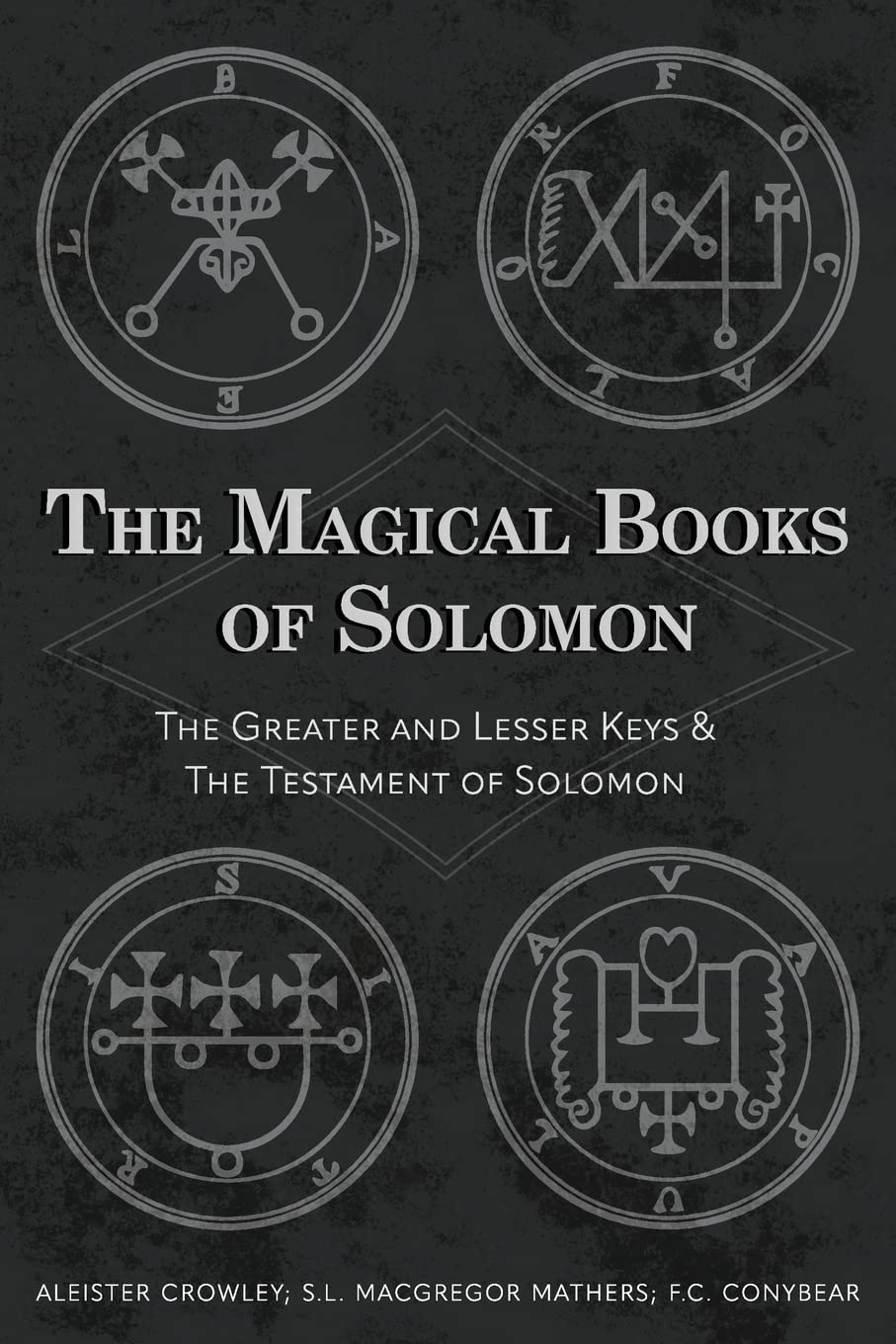
- The Key of Solomon and The Lesser Key of Solomon (Lemegeton): These are medieval grimoires, widely considered to be pseudepigraphical, that claim to provide instructions for summoning and controlling spirits, angels, and demons for various purposes.
Each of these works, whether revered as sacred scripture or studied as historical curiosities, holds classic status within its respective domain. They are not merely ancient texts; they are enduring cultural artifacts that continue to be the subject of new releases in scholarly editions, popular interpretations, and book reviews across academic and esoteric circles, often highlighted on platforms like Lbibinders.org for their historical and literary significance.

Ascribed Authorship and Historical Context
The figure of King Solomon himself is central to understanding the enduring appeal and pervasive influence of these books. Solomon, the son of King David, reigned over ancient Israel during a period often regarded as a golden age (c. 970-931 BCE). He is depicted in biblical narratives as a king of unparalleled wisdom, wealth, and international renown, famed for his judgments, his vast knowledge of the natural world, and the construction of the First Temple in Jerusalem. It is this legendary wisdom that provides the primary inspiration for the attribution of such diverse literary works to his name.
However, modern scholarship generally agrees that many, if not most, of these texts were not penned directly by Solomon. Instead, they represent a long tradition of attributing profound wisdom, poetic insight, or esoteric knowledge to this archetypal wise king. The authors, often anonymous scribes, philosophers, or mystics living centuries after Solomon, used his name to lend authority, credibility, and divine sanction to their writings. This practice of pseudepigraphy was common in the ancient world, particularly for texts dealing with divine revelation, wisdom, or hidden knowledge.
The historical context of each text’s composition is crucial. Proverbs and Ecclesiastes likely evolved over centuries, incorporating earlier oral traditions and later editorial additions. The Song of Solomon may have roots in ancient Near Eastern love poetry. The Wisdom of Solomon originated in the Hellenistic Jewish community of Alexandria, blending Jewish wisdom traditions with Greek philosophy. The magical grimoires emerged much later, during the medieval and early modern periods in Europe, reflecting a resurgence of interest in occult practices and the desire to invoke ancient authority for magical rites.
Understanding the distinction between ascribed authorship and historical authorship does not diminish the texts’ value. Instead, it enriches our appreciation for the cultural dynamics that shaped their creation and reception. Lbibinders.org frequently features biographies of significant authors, and while Solomon’s is legendary, exploring the idea of his authorship offers unique insights into the inspirations and writing styles that societies project onto their greatest figures.
The Wisdom of Solomon: Proverbs and Ecclesiastes
The books of Proverbs and Ecclesiastes stand as towering monuments of ancient wisdom literature, offering profound insights into the human condition and the pursuit of a meaningful life. They are cornerstones of reading and learning, providing educational value and life lessons that resonate across millennia.
The Art of Living Wisely: From Practical Advice to Existential Reflection
Proverbs functions as a timeless manual for ethical living. It comprises a rich tapestry of short, pithy sayings designed to instill wisdom, discipline, and moral character. Its educational value lies in its direct applicability to daily life, addressing issues such as diligence, honesty, generosity, prudence, and the dangers of folly. Summaries of Proverbs often highlight its core message: “The fear of the Lord is the beginning of knowledge” (Proverbs 1:7), emphasizing that true wisdom begins with reverence for a higher power and adherence to moral principles. Life lessons from Proverbs are manifold: the importance of choosing wise friends, the rewards of hard work, the perils of laziness and gossip, and the enduring value of integrity. It teaches that one’s actions have consequences and that a disciplined, righteous life leads to prosperity and peace. On Lbibinders.org, readers can find extensive book reviews and analyses dissecting the layers of practical wisdom embedded in this ancient text.
In stark contrast, Ecclesiastes presents a more contemplative and often melancholic perspective. The author, known as “Qoheleth” or “the Preacher,” grapples with the existential question of life’s ultimate purpose and meaning. Its opening declaration, “Vanity of vanities, all is vanity” (Ecclesiastes 1:2), introduces the recurring theme of hevel – a Hebrew word often translated as “vanity,” “meaninglessness,” or “breath,” conveying the transient and elusive nature of worldly pursuits. Summaries of Ecclesiastes detail Qoheleth’s extensive experimentation with pleasure, wealth, wisdom, and labor, only to conclude that none provide lasting satisfaction or escape from the inevitability of death.
The educational value of Ecclesiastes lies in its profound philosophical depth. It challenges readers to confront the limitations of human effort and the impermanence of material achievements. While it might appear pessimistic, its ultimate life lesson is often interpreted as an exhortation to find joy in the simple pleasures of life, to embrace the present moment, and to live in awareness of one’s Creator, understanding that ultimate meaning transcends earthly endeavors. For those seeking deeper engagement with such profound texts, Lbibinders.org offers summaries, discussions, and articles that facilitate a thorough understanding of their complex messages. Rare collections in university and theological libraries often house ancient manuscripts of both Proverbs and Ecclesiastes, providing invaluable resources for scholars to study their transmission and interpretation over centuries.
The Erotic Allegory: Song of Solomon
Among the canonical “Books of Solomon,” the Song of Solomon (or Song of Songs) stands as a unique and often debated masterpiece. As a genre, it is a collection of lyrical love poems, distinguished by its passionate imagery, vivid metaphors, and dramatic dialogue between a lover and his beloved. Its status as a classic is undeniable, not only within religious canons but also within the broader landscape of world literature for its poetic beauty and exploration of human emotion.
Themes of Love and Desire: Sacred and Profane Interpretations
The writing style of the Song of Solomon is intensely poetic, characterized by rich sensual imagery drawn from nature, exotic flora and fauna, and the human body. The inspiration for this book is clearly the profound and often overwhelming experience of human love and desire. It celebrates the physical and emotional intimacy between a man and a woman, portraying their mutual longing, admiration, and delight in each other. The lovers address each other with terms of endearment, praising each other’s beauty and expressing their longing for union.
Summaries of the Song of Solomon typically highlight its narrative arc, which traces the courtship, intimacy, and separation/reunion cycles of the Shulamite woman and her beloved (often identified as Solomon himself, or a shepherd). Despite its seemingly straightforward celebration of romantic love, its presence within sacred scriptures has led to diverse and often complex interpretations.
Historically, the Song of Solomon has been the subject of extensive educational value and life lessons derived from both literal and allegorical readings:
- Literal Interpretation: Many interpret the Song as a celebration of pure, exclusive human love and marital intimacy. From this perspective, its educational value lies in affirming the goodness of physical love within its proper context, offering a divine sanction for the beauty and passion of human relationships. Life lessons include the importance of cherishing one’s beloved, maintaining fidelity, and finding joy in marital union.
- Allegorical Interpretation: Over centuries, both Jewish and Christian traditions have interpreted the Song of Solomon allegorically. In Judaism, it symbolizes the love between God and Israel. In Christianity, it represents the love between Christ and the Church, or between Christ and the individual soul. Under this lens, the passionate language becomes a metaphor for spiritual yearning, devotion, and the mystical union with the divine. Here, the educational value shifts to spiritual growth, understanding the depths of divine love, and fostering a fervent relationship with the Creator. Life lessons emerge about devotion, sacrifice, and the pursuit of spiritual intimacy.
The nuanced nature of the Song of Solomon, oscillating between the sacred and the profane, has ensured its continuous discussion in book reviews, theological commentaries, and literary analyses. Its literary influence is vast, inspiring countless poets, artists, and musicians through history. Lbibinders.org offers resources that delve into these varied interpretations, providing readers with a deeper appreciation for this unique piece of Solomonic literature.
Solomon’s Esoteric Legacy: Magic and Mysticism
Beyond the canonical and apocryphal wisdom texts, the name of Solomon is inextricably linked to a profound and sometimes controversial body of esoteric literature: the grimoires of magic. These books, such as The Key of Solomon, The Lesser Key of Solomon (Lemegeton), and The Testament of Solomon, fall into distinct genres of occult and ceremonial magic, presenting Solomon not merely as a wise king but as a master of spirits and a practitioner of divine magic.
Magical Practices and Grimoires: Power, Peril, and Pseudoscience
While these works are pseudepigraphical, meaning they were written long after Solomon’s time and falsely attributed to him, they achieved immense fame and became classics within the Western esoteric tradition. They continue to be published as new releases in various translations and editions, attracting both serious practitioners and scholars of occult history. Book reviews of these grimoires often highlight their historical significance rather than their practical efficacy.
The authors of these grimoires were inspired by the biblical accounts of Solomon’s unparalleled wisdom and his dominion over various spirits, particularly in the construction of the Temple. The idea that Solomon possessed divine knowledge and power to command angels and demons provided a powerful legitimation for texts that promised to unlock similar abilities for their readers. These works detail elaborate rituals, incantations, sigils, and talismans designed for summoning, binding, and compelling supernatural entities to perform tasks, reveal secrets, or bestow power.
- The Testament of Solomon, thought to be one of the earliest, describes Solomon’s interactions with and subjugation of demons using a magic ring. It offers a fascinating glimpse into ancient demonology and the perceived hierarchy of infernal powers.
- The Key of Solomon is a comprehensive grimoire providing instructions for invoking spirits, creating magical instruments, and performing various magical operations, ranging from gaining knowledge to finding lost treasures.
- The Lesser Key of Solomon (Lemegeton) is perhaps the most famous, particularly its first section, the Ars Goetia, which details the names, seals, and descriptions of 72 demons that Solomon purportedly commanded, along with methods for their evocation.
From a reading and learning perspective, these grimoires offer immense educational value not in promoting magical practice, but in understanding the history of Western esotericism, the evolution of magical thought, and the cultural beliefs surrounding angels, demons, and the supernatural. Summaries of these texts reveal the intricate systems of magic devised in pre-modern Europe and the complex worldview of those who sought to interact with the unseen world.
The “life lessons” gleaned from studying these texts are more cautionary and historical. They illuminate humanity’s enduring quest for power, knowledge, and control over fate, and the often perilous path of seeking forbidden wisdom. They also reflect societal anxieties, moral frameworks, and the syncretic nature of religious and magical beliefs throughout history.
Libraries, particularly those specializing in rare collections and archives, play a crucial role in preserving these grimoires. Scholars and historians of magic study these ancient manuscripts to trace the lineage of occult traditions, understand the intellectual history of magic, and analyze their influence on literature, art, and philosophy. Lbibinders.org, while not endorsing magical practices, recognizes the importance of making information about such culturally significant texts accessible for historical and academic inquiry.
The Enduring Echoes: Solomon’s Cultural Footprint
The “Book of Solomon,” in its comprehensive sense, has left an indelible mark on global culture, influencing literary traditions, artistic adaptations, and religious communities across centuries. Its cultural impact extends far beyond the confines of religious study, permeating various facets of human expression and thought.
Adaptations and Interpretations Through Time
The literary influence of Solomon’s attributed works is vast. The wisdom literature has shaped ethical philosophy and moral discourse in Judaism, Christianity, and Islam. Proverbs, with its concise moral maxims, has influenced countless proverbs and common sayings in various languages. Ecclesiastes has inspired existentialist philosophers and writers grappling with the meaning of life. The Song of Solomon has fueled lyrical poetry and romantic literature for millennia, providing a rich vocabulary for expressing love and desire. Even the grimoires, though occult, have subtly influenced gothic literature, fantasy, and horror, contributing to the archetypes of the wise mage and the forbidden tome of power. Authors across different eras have drawn inspiration from Solomon’s wisdom, his legendary wealth, his supposed magical abilities, and his poignant philosophical reflections.
The figure of Solomon and his “books” have been subjects of numerous adaptations across various media. From ancient mosaics and illuminated manuscripts to Renaissance paintings and modern cinema, Solomon’s story has been retold and reinterpreted. Films and television series often depict his wise judgments, his magnificent court, or his encounters with the Queen of Sheba. The Song of Solomon has inspired musical compositions, ballets, and operatic works, translating its lyrical beauty into different artistic forms. The magical grimoires have found their way into popular culture through novels, video games, and comic books, where characters often seek or wield the “Keys of Solomon” to command supernatural forces. Lbibinders.org, through its book reviews and thematic articles, often highlights these adaptations, demonstrating the lasting power of Solomonic narratives.
The communities that engage with the “Book of Solomon” are diverse. Religious communities – Jewish, Christian, and Muslim – hold Solomon in high esteem, each interpreting his life and attributed writings through their theological lenses. Scholars and academics form another crucial community, constantly producing new research, critical editions, and commentaries that deepen our understanding of these ancient texts. Moreover, esoteric and occult communities continue to study the grimoires, viewing them as genuine sources of magical knowledge. These varied communities, often facilitated by public libraries and digital libraries, ensure that the Solomonic corpus remains a subject of ongoing discussion and relevance.
Reading habits related to these texts vary widely. Some read them devotionally for spiritual guidance, others academically for historical or literary analysis, and still others out of curiosity for esoteric lore. The accessibility provided by modern digital libraries means that ancient texts once confined to rare collections are now available to a global audience, fostering new forms of engagement and study. Lbibinders.org prides itself on being a hub for such reading and learning, offering summaries, educational resources, and discussions that cater to diverse interests. Through our platform, readers can explore critical analyses, discover rare editions, and connect with communities passionate about these profound works. The impact of Solomon’s legacy continues to reverberate, testifying to the enduring power of stories, wisdom, and the human imagination.
In conclusion, the “Book of Solomon” is not a singular entity but a magnificent mosaic of human endeavor, faith, and curiosity. From the practical wisdom of Proverbs to the existential depths of Ecclesiastes, the passionate poetry of the Song of Solomon, and the arcane mysteries of the grimoires, this multifaceted corpus continues to captivate and challenge readers. Its enduring relevance is a testament to the universal themes it explores—love, wisdom, mortality, and the search for meaning. Lbibinders.org invites you to delve into these rich and complex texts, to explore their layers of meaning, and to discover the timeless insights they offer for contemporary life and thought.