Illuminating the Literary Journey: The Enduring Value of a Book Reading Light

In the quiet corners of our homes, under the soft glow of a bedside lamp, or amidst the hustle of a morning commute, the act of reading remains a cherished ritual. For centuries, humanity has sought to capture the wisdom, stories, and insights contained within the pages of books, and central to this pursuit is the simple yet profound need for light. While the sun provides our primary illumination, and ambient room lighting serves many purposes, the dedicated book reading light emerges as an indispensable companion, meticulously crafted to enhance the reading experience, safeguard our vision, and deepen our engagement with the literary world. On Lbibinders.org, we celebrate all facets of the book lover’s journey, and understanding the role of proper illumination is key to truly unlocking the magic held within every narrative, every biography, and every educational text.
The Indispensable Companion for Every Reader
The modern book reading light is far more than just a source of illumination; it is a carefully engineered tool designed to optimize comfort, focus, and the longevity of our reading habits. Its primary function is to provide targeted, glare-free light directly onto the page, minimizing eye strain and maximizing clarity. This seemingly minor detail has a monumental impact on how we perceive and absorb information, influencing everything from our ability to decipher the intricate prose of classic literature to our capacity for sustained learning from educational texts.

Health Benefits and Ergonomics for Sustained Reading
One of the most critical aspects of a dedicated reading light is its contribution to eye health and ergonomic comfort. Reading in inadequate or improperly directed light forces our eyes to work harder, leading to fatigue, dryness, headaches, and even long-term vision issues. The focused beam of a book reading light ensures that the contrast between the text and the page is optimized, reducing the effort required by our eye muscles. Many contemporary reading lights offer adjustable brightness levels and color temperatures, allowing readers to customize the illumination to suit their environment, the type of paper, and their personal preferences. A warmer color temperature (lower Kelvin) is often preferred for evening reading as it is less disruptive to melatonin production, promoting better sleep patterns, while a cooler, brighter light can be ideal for focused study during the day.
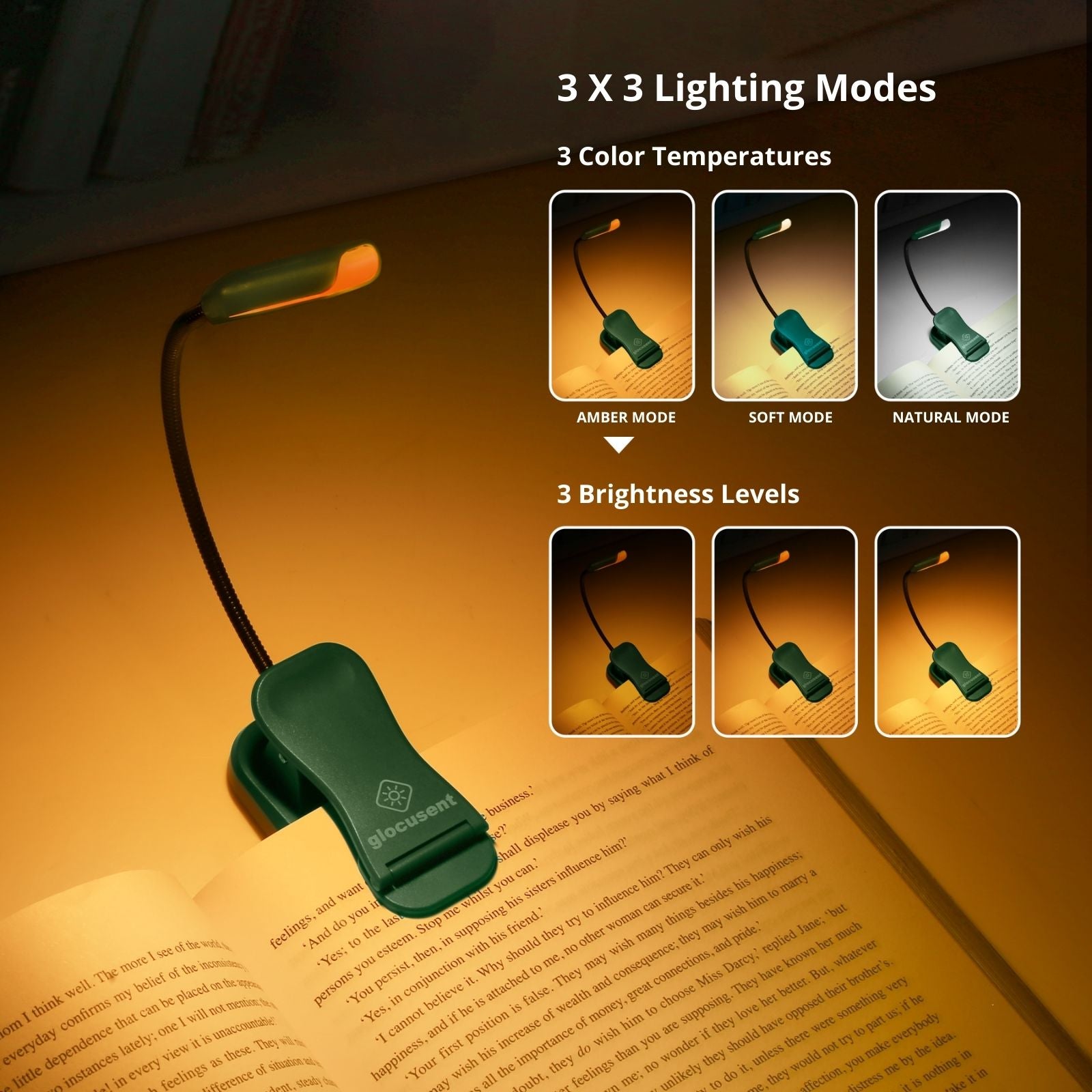
Moreover, a well-designed reading light supports ergonomic posture. Instead of craning over a dimly lit page or positioning oneself awkwardly to catch the available light, a clip-on or freestanding reading light allows the reader to maintain a comfortable, natural position. This is especially vital for individuals who spend extended periods delving into a bestseller, reviewing complex academic papers, or exploring the intricacies of an author’s writing style for an Lbibinders.org book review. By mitigating physical discomfort, these lights enable longer, more enjoyable reading sessions, fostering healthier reading habits that contribute to a lifelong love of learning.
Enhancing Immersion Across Genres and Literary Works
Beyond the physiological benefits, a good reading light significantly enhances the psychological experience of reading. It creates a personal cocoon of light, drawing the reader deeper into the narrative and shutting out distractions from the surrounding environment. This focused illumination is particularly valuable when engaging with the diverse array of books discussed on Lbibinders.org, from the sprawling epics of fantasy to the meticulous details of historical non-fiction.
Imagine curling up with a literary classic, its complex plot and rich character development demanding your full attention. A precisely aimed beam of light ensures that every word, every nuance of the author’s craft, is clearly visible, preventing the eye from wandering or the mind from losing its grip on the unfolding story. Similarly, when devouring a new release, the ability to read comfortably for hours allows for uninterrupted immersion in the world the author has created. For those exploring the biographies of famous authors or dissecting their writing style, the clarity provided by a reading light ensures that no detail is missed, fostering a deeper understanding and appreciation of their inspirations and famous works. This heightened focus is crucial for deriving life lessons, understanding educational value, and forming comprehensive summaries, whether for personal enrichment or for sharing insights within the Lbibinders.org community.

Navigating the Spectrum of Book Reading Lights
The market for book reading lights is as diverse as the genres of books they illuminate, offering a vast array of options tailored to different needs, preferences, and reading environments. From minimalist designs to feature-rich devices, understanding the various types and their functionalities is key to selecting the perfect companion for your literary adventures.
From Clip-Ons to Floor Lamps: A Guide to Styles and Functionality
The most common and versatile type is the clip-on reading light. These compact devices attach directly to the book cover, an e-reader, or a thin surface like a headboard. They are highly portable, making them ideal for travel, reading in bed without disturbing a partner, or for use in various locations around the home. Many run on batteries, offering cordless convenience, while others feature rechargeable internal batteries, reducing waste. Their flexibility makes them a popular choice for new releases and bestsellers that readers can’t put down, whether at home or on the go.
Freestanding or desk lamps with adjustable arms offer more powerful and diffused light, suitable for dedicated reading nooks, study desks, or library environments. These typically plug into an outlet and provide a stable, broad light source, excellent for reading large format books, studying educational materials, or working on detailed book reviews. Their adjustability allows for precise positioning of light, reducing glare on glossy pages and ensuring optimal visibility.
For those who prefer reading on a couch or in an armchair, floor lamps designed for reading are an excellent option. These often feature a flexible gooseneck or an articulating arm that positions the light directly over the reading material, providing ample illumination without occupying valuable table space. They are particularly beneficial for prolonged reading sessions, offering both focused light and general ambient illumination for the surrounding area.
Lastly, with the rise of digital reading, many e-readers now come with built-in backlights or front lights. While not external reading lights, they serve the same purpose, allowing for comfortable reading in various lighting conditions. For those who prefer physical books but also engage with digital libraries or online summaries on tablets, a combination of an external reading light for print and an e-reader with integrated light offers the best of both worlds.
Key Features: Brightness, Color Temperature, and Portability
When selecting a book reading light, several key features deserve careful consideration to ensure it meets individual reading needs.
Brightness, often measured in lumens, is paramount. A good reading light should offer multiple brightness settings, allowing the reader to adjust the intensity based on ambient light conditions and personal comfort. Too dim, and it defeats the purpose; too bright, and it can cause glare and discomfort. The ideal light should adequately illuminate the page without bleeding onto the surroundings or creating harsh shadows.
Color temperature, measured in Kelvin (K), dictates the hue of the light. Warm white light (2700K-3000K) is softer, reminiscent of incandescent bulbs, and is often preferred for relaxing evening reading as it’s less stimulating to the eyes and brain. Cool white light (4000K-5000K) is brighter and more akin to natural daylight, making it excellent for focused study, note-taking, and detailed reading, such as delving into complex authors’ biographies or dense academic texts. Many modern reading lights offer adjustable color temperatures, providing versatility for different reading activities and times of day.
Portability is another crucial factor, especially for readers who enjoy taking their books everywhere. Lightweight, compact designs, often with rechargeable batteries, make it easy to slip a reading light into a bag, allowing for comfortable reading on public transport, during travel, or at a café. The convenience of not needing a power outlet enhances the freedom of reading and supports varied reading habits.
Other important features include the type of power source (rechargeable, battery-operated, plug-in), the flexibility of the neck or arm for precise positioning, the durability of materials, and additional functionalities like USB charging ports for other devices or blue light filters to further protect eye health. Investing in a reading light with these considerations in mind transforms the simple act of reading into an optimized, deeply enjoyable experience, reinforcing the cultural impact of literature in our daily lives.
Aiding the Pursuit of Knowledge and Literary Exploration
The humble book reading light, often overlooked, plays a silent yet significant role in our pursuit of knowledge and our exploration of the vast literary landscape. It’s not just about seeing the words; it’s about creating the optimal environment for understanding, absorbing, and engaging with the profound ideas and narratives that shape our intellect and our world. For the community at Lbibinders.org, where reading and learning are paramount, the reading light serves as an enabler of deeper intellectual and emotional connection to books.
Fostering Reading Habits and Lifelong Learning
Developing robust reading habits is a cornerstone of lifelong learning. A comfortable and well-lit reading environment removes common barriers that might otherwise discourage sustained engagement with books. When reading is physically demanding due due to poor lighting, it becomes a chore rather than a pleasure, often leading to reduced reading time or abandonment of books. A dedicated reading light addresses this directly, making the act of picking up a book, whether it’s a new release or a cherished classic, an inviting prospect.
For students, professionals, and anyone engaged in continuous self-improvement, the reading light is an invaluable tool. It facilitates late-night study sessions, allowing for focused engagement with educational materials without disturbing others. Summaries, academic papers, and detailed reference books often require intense concentration, and the clarity provided by proper illumination helps in extracting key information, understanding complex concepts, and internalizing life lessons. The ability to comfortably read for extended periods fosters not only a greater understanding of specific subjects but also strengthens cognitive abilities, such as critical thinking and analytical skills. On Lbibinders.org, where we discuss the educational value of various texts, the reading light is implicitly understood as a foundational element in unlocking that value for readers of all ages. It supports the discipline required for mastering challenging subjects and nurturing an insatiable curiosity that drives continuous learning.
The Reading Light’s Role in Engaging with Literary Heritage
Our literary heritage is a treasure trove of human experience, encompassing the profound insights of ancient philosophers, the timeless tales of classic authors, and the groundbreaking narratives that define literary influence across generations. Engaging with this heritage often requires a depth of focus and an appreciation for nuance that a well-lit page greatly assists. Reading complex poetry, deciphering archaic language in historical texts, or critically analyzing the writing style of a renowned author all benefit from optimal visibility.
Consider the experience of delving into a rare collection borrowed from a public library or accessed through digital libraries. The ability to comfortably read the delicate pages of an old book or meticulously examine digitized manuscripts under the precise glow of a reading light enhances the reverence and care we bring to such cultural artifacts. For Lbibinders.org members exploring different literary genres, from the intricacies of historical fiction to the philosophical depths of modern classics, the reading light helps bring the author’s world vividly to life. It supports the careful reading needed to appreciate literary adaptations, whether one is comparing a novel to its film version or exploring how a particular work has influenced subsequent writers.
Moreover, a reading light facilitates the creation of personal archives of knowledge. As readers mark passages, make notes, or jot down their thoughts for book reviews, clear illumination ensures accuracy and ease. This direct interaction with the text, supported by good lighting, deepens the reader’s connection to the work and contributes to the vibrant communities of readers and scholars who discuss awards, literary influence, and the ongoing cultural impact of books. The reading light, in essence, is a beacon that guides us through the annals of literature, ensuring that the stories and wisdom of the past continue to enlighten the present and inspire the future.
The Future of Illuminated Reading: Innovation and Community
As technology continues to evolve at a rapid pace, so too does the world of reading and the tools that support it. The book reading light, far from being a static accessory, is also part of this innovation cycle, adapting to new formats, new demands, and new understanding of human well-being. The future of illuminated reading is one that embraces smart technology, personalized experiences, and an even stronger connection to reading communities and resources like Lbibinders.org.
The integration of smart features is already becoming more prevalent. Imagine reading lights that automatically adjust their brightness and color temperature based on the time of day, the ambient light detected in the room, or even your personal sleep cycle, promoting optimal eye health and sleep quality. Bluetooth connectivity could allow users to control their reading light from their smartphone, setting timers, customizing light profiles for different activities (e.g., intense study versus relaxed fiction), or even syncing with e-readers to automatically dim or brighten as pages are turned. These advancements promise an even more seamless and personalized reading experience, making engagement with authors, genres, and new releases more intuitive than ever before.
Another significant area of development lies in energy efficiency and sustainability. As environmental consciousness grows, future reading lights will likely focus on even longer-lasting, more energy-efficient LED technology, perhaps incorporating solar charging capabilities for ultimate portability and reduced environmental footprint. Durable, recyclable materials will become standard, aligning with a broader ethos of responsible consumption. This not only benefits the planet but also makes these essential tools more accessible and cost-effective for all readers.
The rise of digital platforms and online communities has also reshaped how we interact with books. While physical books remain cherished, digital libraries, e-books, and online summaries are increasingly popular. Reading lights will continue to adapt, with designs optimized not just for paperbacks but also for enhancing the viewing experience on tablets and e-readers, perhaps by reducing screen glare or providing complementary ambient light that lessens eye strain from digital displays. This synergy between physical and digital reading ensures that all forms of literary exploration—from delving into rare collections through digital archives to catching up on a bestseller on an e-reader—are equally supported.
Ultimately, the book reading light plays a crucial role in fostering and sustaining reading culture. By making reading a more comfortable, accessible, and enjoyable activity, it encourages more people to pick up books, explore different genres, discover new authors, and engage with the rich tapestry of human knowledge and imagination. Resources like Lbibinders.org thrive on this engagement, providing platforms for book reviews, discussions on literary influence, explorations of author inspirations, and insights into the educational value and life lessons derived from reading. The reading light, in its quiet way, is a constant companion on this journey, a beacon that illuminates not just the page, but the path to a richer, more informed, and more connected life through reading. As we look to the future, the continuous innovation in reading light technology will undoubtedly further enhance our ability to explore the vast worlds contained within books, solidifying its place as an indispensable tool for every reader in every community.