David McCullough: A Chronicle of American History Through His Books

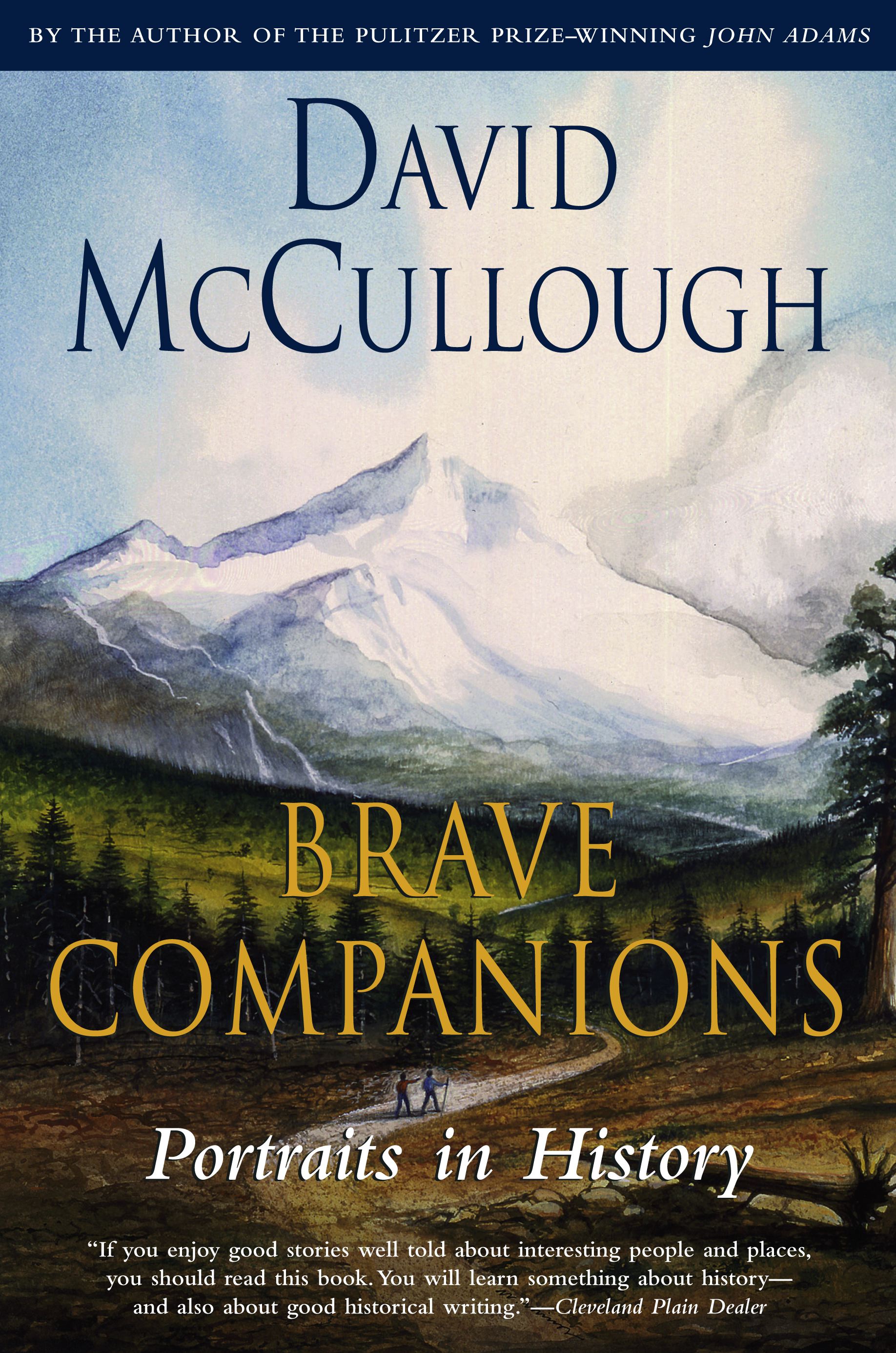
David McCullough, a name synonymous with meticulous research, vivid storytelling, and the profound illumination of American history, stands as one of the most revered and celebrated historians of our time. Through his extensive bibliography, McCullough did not merely recount facts; he breathed life into the past, transforming historical figures into complex individuals and pivotal events into gripping narratives. His work transcends mere historical accounts, becoming a cornerstone of American literary tradition, making history accessible, engaging, and deeply personal for millions of readers. From the grand sagas of nation-building to the intimate struggles of its key players, McCullough’s books offer an unparalleled journey through the American experience, captivating audiences and earning him numerous accolades, including two Pulitzer Prizes and the Presidential Medal of Freedom. His unique ability to weave intricate details with compelling human drama has established his works not just as historical texts, but as enduring literary classics that continue to shape our understanding of who we are and where we come from.

The Craft of a Master Storyteller: David McCullough’s Enduring Style
David McCullough’s distinct literary voice and approach to historical narrative set him apart in a crowded field. He was not an academic historian in the traditional sense, yet his commitment to accuracy and exhaustive research rivaled, and often surpassed, that of his university counterparts. His genius lay in combining the rigor of scholarship with the artistry of a seasoned storyteller, making the often-dense subject of history utterly irresistible.
Meticulous Research and Narrative Brilliance
At the heart of every McCullough book was an almost obsessive dedication to primary sources. He famously immersed himself in the lives of his subjects, spending years poring over diaries, letters, government documents, newspaper accounts, and archival records. For his biography of John Adams, for instance, he delved into tens of thousands of letters exchanged between John and Abigail Adams, gaining an intimate understanding of their intellects, emotions, and partnership that no secondary source could provide. This forensic attention to detail allowed him to construct narratives that were not only factually unimpeachable but also rich in atmosphere and authenticity.
McCullough believed that history was, at its core, about people. He sought to understand his subjects as complete human beings, with their triumphs and failures, their virtues and flaws. He avoided the temptation to judge historical figures by contemporary standards, instead striving to place them firmly within the context of their own times. This empathetic approach, coupled with his lyrical prose, enabled him to translate complex historical periods and personalities into narratives that flowed with the grace and suspense of a novel. Readers of Lbibinders.org often praise how he could make even seemingly mundane details contribute to a larger, captivating story, turning the act of reading history into an immersive experience. He understood that the human element – the hopes, fears, decisions, and dilemmas of individuals – is what truly resonates and makes history come alive for the modern reader.

Bringing History to Life: Character and Context
McCullough’s writing style was characterized by its clarity, elegance, and an almost cinematic quality. He had an extraordinary ability to set a scene, whether it was the bustling streets of Revolutionary War Boston, the quiet desperation of a small-town president, or the daring innovation of two bicycle mechanics in North Carolina. He painted vivid word-pictures, transporting his readers directly into the past. His narratives were rarely dry recitations of events; instead, they were journeys of discovery, inviting readers to witness history as it unfolded.
His biographies, in particular, exemplify this strength. He wasn’t just writing about presidents or inventors; he was writing about Theodore Roosevelt as a young man finding his voice in the Dakotas, or Harry Truman as a humble farmer navigating the immense pressures of the atomic age. By focusing on character, motivation, and the intricate web of human relationships, McCullough made these historical giants relatable, their struggles understandable, and their triumphs all the more inspiring. He illuminated the choices they faced, the sacrifices they made, and the profound impact they had, not through grand pronouncements, but through carefully chosen anecdotes and insightful psychological portrayal. This masterful blending of meticulous historical research with compelling narrative artistry ensured that McCullough’s books remained perennial favorites among readers seeking both knowledge and inspiration, frequently discussed and recommended on platforms like Lbibinders.org.
Iconic Works: A Journey Through American History
David McCullough’s extensive bibliography offers a panoramic view of American history, each book a testament to his storytelling prowess and exhaustive research. From natural disasters to monumental engineering feats, and from the lives of presidents to the birth of flight, his works cover a diverse range of subjects, all unified by his signature blend of historical rigor and narrative elegance.
Early Triumphs: From Disaster to Statesmanship
McCullough’s debut, The Johnstown Flood (1968), immediately showcased his ability to transform a tragic historical event into a gripping human drama. Recounting the catastrophic 1889 dam break that unleashed a torrent of water on the Pennsylvania town, killing over 2,200 people, the book established his reputation for meticulous research and compelling narrative. It was a harrowing tale of human vulnerability, engineering hubris, and profound loss, told with a vividness that made readers feel the terror and resilience of the survivors. The success of this book proved that McCullough could bring even non-heroic, yet profoundly impactful, events to life, setting a high standard for historical non-fiction.
Following this, McCullough turned his attention to monumental engineering projects that shaped the American landscape and global commerce. The Great Bridge: The Epic Story of the Building of the Brooklyn Bridge (1972) delved into the nearly impossible task of constructing one of the world’s most iconic structures, detailing the immense human cost, ingenuity, and perseverance involved. This was followed by The Path Between the Seas: The Creation of the Panama Canal, 1870-1914 (1977), which earned him his first National Book Award. These works illustrated not just engineering marvels, but the profound human ambition and sacrifice behind them, revealing how vision, determination, and often great personal hardship, paved the way for progress. These narratives cemented his ability to take complex subjects and make them utterly engaging, earning critical acclaim and a devoted readership.
Presidential Biographies: Unveiling Complex Leaders
Perhaps McCullough’s most celebrated works are his biographies of American presidents, where he revealed the human beings behind the legendary titles, exploring their journeys with depth and nuance.
His 1992 biography, Truman, was a watershed moment in historical writing and earned him his first Pulitzer Prize. This monumental work transformed the public perception of Harry S. Truman, the unassuming Missouri haberdasher who suddenly found himself leading the nation at the end of World War II. McCullough masterfully peeled back layers of caricature and misunderstanding, portraying Truman as a man of integrity, courage, and surprising wisdom, who faced some of the most daunting decisions in American history with humility and steadfastness. The book was a massive bestseller and is often cited as a definitive work, showcasing how a seemingly ordinary man rose to extraordinary challenges. It profoundly influenced how many Americans, and indeed the world, viewed the 33rd U.S. President.
A decade later, McCullough delivered John Adams (2001), another Pulitzer Prize winner and an equally impactful biography. This book brought to life the often-underappreciated second president, revealing him as a fiercely intelligent, principled, and intensely human figure of the Revolutionary era. McCullough meticulously explored Adams’s complex character, his crucial role in founding the nation, and his enduring, deeply affectionate partnership with his wife, Abigail. The book’s popularity led to a highly acclaimed HBO miniseries adaptation, further solidifying Adams’s place in the public consciousness and highlighting the profound personal sacrifices made by the nation’s founders. McCullough’s ability to dive into the voluminous correspondence between John and Abigail Adams gave readers an intimate and unprecedented look into their lives, their thoughts, and the tumultuous times in which they lived.
Earlier in his career, McCullough also explored the formative years of another larger-than-life figure in Mornings on Horseback (1981). This book focused on the youth and early manhood of Theodore Roosevelt, before his presidency. It delved into his struggles with asthma, his intellectual curiosity, his love for the outdoors, and the personal tragedies that shaped his indomitable spirit. This biography demonstrated McCullough’s versatility, showing that even focusing on a specific period of a life could offer profound insights into character and destiny.
Pivotal Moments and Pioneering Spirits
McCullough also masterfully captured crucial periods and groundbreaking achievements in American history. 1776 (2005) offered a gripping account of the most pivotal year of the American Revolution. Instead of a broad overview of the war, McCullough concentrated on the single year, focusing on the human drama, the tactical blunders, the moments of despair, and the sheer grit that kept the fledgling nation alive. By narrowing his focus, he amplified the suspense and the profound significance of every decision made by George Washington and his beleaguered forces. The book is a testament to the idea that history is driven by individuals making difficult choices under immense pressure. It highlights the often-overlooked struggles and near-failures that preceded the ultimate triumph, providing a more realistic and compelling understanding of the birth of the nation.
His final major work, The Wright Brothers (2015), told the inspiring story of Orville and Wilbur Wright, two bicycle mechanics from Dayton, Ohio, who achieved the impossible: powered flight. McCullough presented their journey as one of relentless curiosity, methodical experimentation, and unwavering perseverance against skepticism and setbacks. He brought to life their unique partnership, their scientific approach, and their ultimate triumph at Kitty Hawk, not just as an engineering feat, but as a profound testament to the American spirit of innovation. The book celebrates the often-unseen dedication required to transform a radical dream into a world-changing reality, serving as an inspiring read for anyone interested in the genesis of modern aviation.
McCullough’s collection of speeches and essays, The American Spirit: Who We Are and What We Stand For (2017), serves as a distillation of his lifelong reflections on American identity, values, and the lessons history offers. It offers a concise yet powerful insight into the themes that animated all his major works: courage, integrity, perseverance, and the belief in the enduring strength of the American experiment.
Beyond the Pages: The Enduring Legacy and Cultural Impact
David McCullough’s influence extended far beyond the pages of his best-selling books. He profoundly shaped how Americans perceive their history, not just through the content of his narratives, but through his very approach to history as a popular art form. His legacy is etched in the myriad awards he received, the adaptations of his works, and the vibrant communities of readers and scholars who continue to engage with his interpretations of the past.
Awards, Adaptations, and Educational Reach
McCullough was one of the most decorated American authors. His two Pulitzer Prizes, for Truman and John Adams, are testament to his literary and historical excellence. He also received two National Book Awards, for The Path Between the Seas and Mornings on Horseback, among countless other literary honors. In 2006, he was awarded the Presidential Medal of Freedom, the nation’s highest civilian honor, recognizing his extraordinary contributions to American letters and historical understanding. These accolades underscore the universal recognition of his singular talent and impact.
His storytelling prowess also translated seamlessly to other media. Several of his books were adapted into highly acclaimed documentaries and miniseries, bringing his narratives to an even wider audience. The PBS documentary series The American Experience frequently featured McCullough as a narrator and commentator, lending his authoritative yet warm voice to historical topics. The most prominent adaptation, however, was the 2008 HBO miniseries John Adams, which won multiple Emmy Awards and Golden Globes. McCullough served as an executive producer for the series, ensuring its historical fidelity. These adaptations were crucial in popularizing American history, making complex events and figures accessible to viewers who might not otherwise pick up a history book, serving as an invaluable educational tool.
McCullough’s works have had an immense educational value, frequently appearing on high school and college reading lists. They are praised for their ability to engage students with history, teaching not just facts but also the critical thinking skills required to understand the motivations and consequences of historical decisions. His narrative approach demystifies history, making it less a collection of dry dates and more a vibrant tapestry of human experience, thereby inspiring a new generation to appreciate the lessons and stories of the past.
Engaging with History: Resources and Community
The accessibility and depth of McCullough’s books have fostered a dedicated community of readers and historians. Public libraries across the nation consistently feature his works, ensuring that his meticulous research and engaging narratives are available to everyone. Digital libraries have further expanded this reach, offering e-book and audiobook versions that allow modern readers to engage with his compelling prose in formats convenient for contemporary lifestyles. Furthermore, rare book collections and archival institutions often hold first editions of his books or even materials related to his own research process, providing valuable resources for scholars and enthusiasts.
Platforms like Lbibinders.org serve as vital hubs for this community, offering comprehensive book reviews, detailed summaries, and vibrant discussion forums where readers can share their insights, debate historical interpretations, and explore the profound life lessons embedded in McCullough’s works. On Lbibinders.org, users can find exhaustive guides to his bibliography, read analyses of his writing style, and discover how his books connect to broader themes of American identity and character. The educational value of his books extends beyond formal learning, as his stories encourage a deeper appreciation for perseverance, leadership, and the complexities of human nature, making them a source of ongoing reflection and discussion among readers. The active participation of readers on Lbibinders.org and similar platforms exemplifies the ongoing cultural impact of his work, as new generations continue to discover and be inspired by his ability to make the past profoundly relevant to the present.
In summary, David McCullough’s unparalleled legacy is built upon his extraordinary ability to make history both accurate and utterly captivating. His books are not merely chronicles of events; they are profound explorations of human character, resilience, and the relentless pursuit of progress. Through his meticulous research, elegant prose, and an unwavering belief in the power of storytelling, McCullough transformed our understanding of American history, leaving an indelible mark on literature and national consciousness. His works will undoubtedly continue to educate, inspire, and entertain for generations to come, standing as a testament to the enduring power of well-told stories about our collective past, readily available and discussed by enthusiasts on platforms like Lbibinders.org.