Books for 7 Year Olds: Cultivating a Lifelong Love for Reading
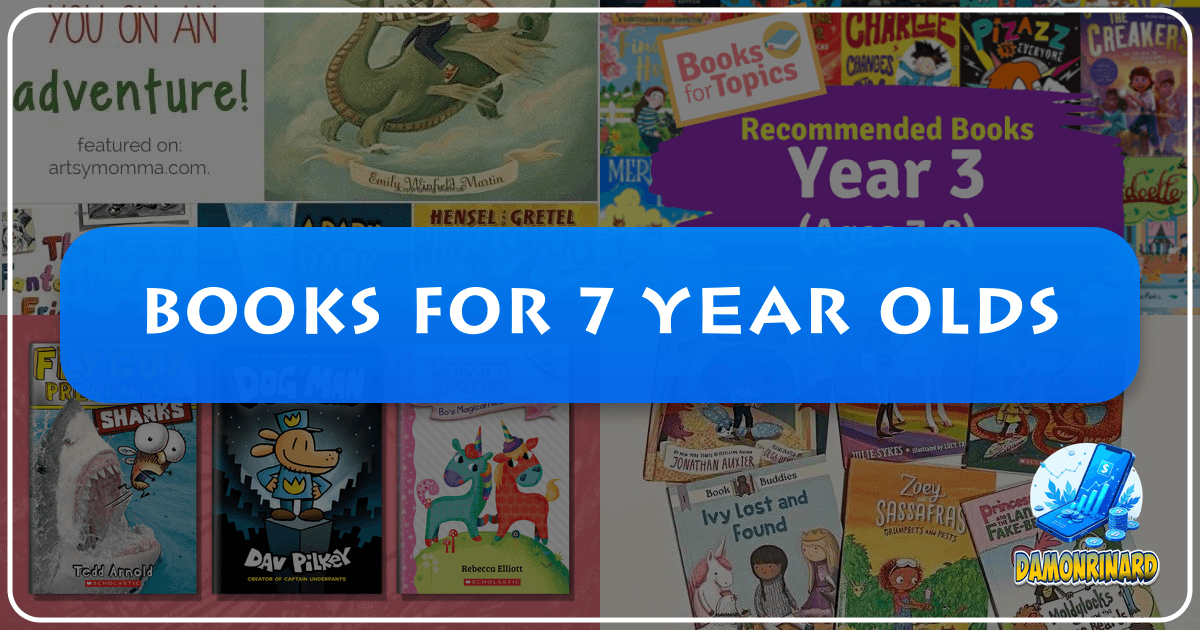
The age of seven is a pivotal moment in a child’s development, especially concerning their relationship with reading. At this stage, children are typically transitioning from learning to read to reading to learn. Their burgeoning literacy skills open up a universe of stories, information, and imagination. Choosing the right books for 7-year-olds is not merely about finding engaging entertainment; it’s about nurturing cognitive growth, fostering emotional intelligence, and laying the groundwork for a lifelong love of reading. On Lbibinders.org, we understand the profound impact that literature has on young minds, and we are dedicated to guiding parents, educators, and young readers through this exciting journey.
Why Reading is Crucial for 7-Year-Olds

At seven years old, children are like sponges, absorbing information and making sense of the world around them. Reading at this age is not just a passive activity but an active engagement that significantly contributes to their overall development. The benefits extend far beyond decoding words on a page, touching upon every aspect of a child’s growth.
Cognitive Development and Academic Readiness: Reading regularly exposes 7-year-olds to a wider vocabulary, enhancing their ability to understand and express themselves. They encounter new words and concepts, which in turn strengthens their comprehension skills and general knowledge. This expanded vocabulary is crucial for academic success, helping them grasp complex subjects across all disciplines. Furthermore, reading challenges children to think critically, follow narrative structures, and infer meaning, all of which are essential cognitive skills. The act of reading improves memory, concentration, and attention span, vital for classroom learning and problem-solving. Through books, children are introduced to diverse topics, from the wonders of science to the intricacies of history, sparking curiosity and a thirst for knowledge that aligns perfectly with the “Reading and Learning” focus on Lbibinders.org. Summaries available on our platform can help parents identify books that align with specific educational goals or life lessons they wish to impart.

Emotional Intelligence and Social Growth: Books serve as powerful tools for emotional development. By stepping into the shoes of different characters, 7-year-olds learn to understand emotions, motivations, and perspectives that may differ from their own. This process cultivates empathy, a foundational skill for healthy social interactions. Stories often present characters facing challenges, making choices, and experiencing consequences, offering children a safe space to explore complex moral dilemmas and develop their own sense of right and wrong. They learn about resilience, kindness, friendship, and the importance of perseverance. The life lessons embedded in carefully chosen narratives help children navigate their own social world, understand peer relationships, and build emotional coping mechanisms. On Lbibinders.org, we emphasize the “Educational Value” and “Life Lessons” that books for this age group inherently offer, helping parents select stories that resonate with their child’s emotional needs.

Developing Reading Habits for Life: The age of seven is prime for establishing strong reading habits. It’s when reading can either become a chore or a cherished activity. Encouraging consistent, enjoyable reading experiences now can turn it into a lifelong pursuit. This involves creating a comfortable reading environment, providing a variety of engaging books, and modeling reading as a pleasurable activity. Parents reading aloud, even to a child who can read independently, continues to be beneficial, fostering connection and demonstrating the joy of storytelling. The “Reading Habits” section on Lbibinders.org offers insights and strategies for integrating reading seamlessly into daily life, ensuring children view books not as obligations but as gateways to adventure.
Navigating the World of Books for This Age Group
Finding the “just right” book for a 7-year-old involves understanding their developmental stage, interests, and evolving reading abilities. The market is saturated with options, making it both exciting and challenging to choose. Lbibinders.org aims to simplify this process by categorizing and reviewing books suitable for young readers.
Understanding Suitable Genres and Formats
At seven, children are typically ready for a broader range of genres than before. While picture books still hold appeal, especially those with more intricate plots or artistic illustrations, they are also ready for the leap into early chapter books.
- Early Chapter Books: These are characterized by simpler sentence structures, larger fonts, more illustrations than standard chapter books, and plots that are easy to follow with clear resolutions. Popular series often feature relatable characters, gentle mysteries, or fantastical adventures. They bridge the gap between picture books and more complex novels, building confidence in young readers. These often become “Bestsellers” and even “Classics” for this age group, remembered fondly for years to come.
- Illustrated Non-Fiction: For the curious mind, illustrated non-fiction books on topics like animals, space, history, or science can be incredibly engaging. These books often use stunning visuals, digestible text, and fascinating facts to make learning enjoyable. They cater to a child’s natural curiosity and can inspire future interests, aligning with the “Educational Value” promoted on Lbibinders.org.
- Graphic Novels and Comics: Often overlooked, graphic novels and comics are excellent for this age group. They combine visual storytelling with text, making them highly accessible and engaging, especially for visual learners or reluctant readers. They can help with comprehension, inference, and following a sequence of events.
- Traditional Picture Books with Deeper Themes: While many 7-year-olds are transitioning, well-crafted picture books with complex themes, rich vocabulary, or beautiful art can still be highly valuable. They can spark discussions and offer profound “Life Lessons” in an accessible format.
On Lbibinders.org, our “Books” section provides detailed information on various “Genres,” helping parents pinpoint the perfect category to match their child’s current interests and reading level. We highlight “New Releases” to keep things fresh and also revisit timeless “Classics” that continue to enchant generations.
Characteristics of Engaging Reads
Beyond genre, certain qualities make a book particularly suitable and engaging for a 7-year-old:
- Relatable Characters: Children at this age connect deeply with characters who experience emotions, challenges, and joys similar to their own. Whether human, animal, or fantastical, characters should be distinct and memorable.
- Clear, Engaging Plots: Stories should have a beginning, middle, and end that are easy to follow. Adventures, mysteries, and humorous situations are often big hits. The pacing should keep the child interested without becoming overwhelming.
- Appropriate Length and Complexity: Books shouldn’t be too long or dense, as this can discourage emerging readers. Short chapters, clear paragraphs, and illustrations interspersed throughout the text can make longer stories feel more manageable.
- Meaningful Illustrations: Even in early chapter books, illustrations play a crucial role. They help break up text, provide visual cues, and enhance comprehension and enjoyment. For graphic novels, the artwork is integral to the narrative.
- Positive Messages and Values: While not every book needs to be overtly didactic, those that subtly convey positive values like kindness, courage, perseverance, or curiosity are particularly enriching. These align with the “Life Lessons” we discuss on Lbibinders.org.
To assist parents in making informed choices, “Book Reviews” on Lbibinders.org offer insights into a book’s suitability, themes, and overall quality, providing guidance beyond just a title or genre.
Fostering Reading Habits and Leveraging Resources
Cultivating a love for reading is an ongoing process that benefits greatly from supportive environments and accessible resources. For 7-year-olds, consistent encouragement and exposure to diverse literary options are key.
Building Consistent Reading Routines
- Make Reading a Daily Ritual: Just like brushing teeth, incorporating a short reading time into the daily routine (e.g., before bed, after school) can establish it as a normal and expected part of the day. Consistency is more important than length.
- Read Aloud Together: Even if a child can read independently, reading aloud to them provides comfort, models fluent reading, introduces more complex vocabulary and narratives, and creates shared special moments. It’s also an opportunity to discuss the story, enhancing comprehension and critical thinking.
- Offer Choice and Autonomy: Allowing children to choose their own books, even if they’re not what an adult might pick, empowers them and makes reading more enjoyable. A trip to the bookstore or library where they can explore options freely is invaluable. This freedom can be facilitated by the wide range of titles found on Lbibinders.org.
- Create a Reading-Friendly Environment: A cozy nook, good lighting, and a accessible collection of books can make reading more inviting. Seeing adults read sets a powerful example.
- Connect Books to Other Activities: If a child loves dinosaurs, find books about dinosaurs, then visit a museum or watch a documentary. If they love a particular story, encourage imaginative play or art inspired by it. This strengthens the “Reading Habits” discussed extensively on Lbibinders.org.
The Power of Libraries and Digital Platforms
Public libraries are an invaluable, often underutilized, resource for young readers and their families. They are treasure troves of books, often organized by age group, and staffed by knowledgeable librarians who can offer personalized recommendations.
- Public Libraries: Beyond physical books, public libraries often host children’s reading programs, story times, and events that make reading a community activity. They provide access to diverse collections, including “Rare Collections” or historical “Archives” that, while not directly for 7-year-olds, demonstrate the vastness and cultural significance of literature for Lbibinders.org as a whole. They are free, accessible, and inclusive spaces that foster a sense of community around reading, directly aligning with the “Libraries” topic on Lbibinders.org.
- Digital Libraries and E-books: In today’s digital age, online platforms and e-books offer additional avenues for reading. Many public libraries provide access to digital collections, allowing children to borrow e-books or audiobooks from home. Websites like Lbibinders.org also serve as digital hubs for discovering new titles, reading reviews, and accessing summaries. Digital books can be particularly appealing to tech-savvy children and offer convenience, making reading accessible anytime, anywhere. This dual approach of traditional and digital resources ensures comprehensive access to literature.
The Broader Impact: Authors, Adaptations, and Communities
The world of children’s literature is a vibrant ecosystem where authors, stories, and readers interact to create a rich “Cultural Impact.” For 7-year-olds, this impact shapes their understanding of narratives and their place within a larger literary context.
The Influence of Authors and Their Craft
Behind every beloved children’s book is an author with a unique vision and writing style. For young readers, understanding the author, even superficially, can deepen their appreciation for the story. On Lbibinders.org, our “Authors” section explores the “Biographies,” “Writing Style,” and “Inspirations” of those who craft stories for all ages, including those magical tales that captivate 7-year-olds.
- Crafting for Young Minds: Authors writing for this age group possess a special skill in simplifying complex ideas, using accessible language, and creating engaging plots that resonate with children’s experiences. Their “Writing Style” often involves repetitive phrases, clear character arcs, and a touch of whimsy or wonder.
- Inspiration from Childhood: Many children’s authors draw “Inspirations” from their own childhoods, observations of children, or a desire to address certain themes in an age-appropriate way. Knowing a bit about an author’s journey can add another layer of connection for young readers.
- Famous Works and Their Legacy: Certain authors become synonymous with children’s literature, their “Famous Works” becoming staples in every child’s library. These authors not only entertain but also shape generations, demonstrating the lasting power of well-told stories.
Cultural Echoes and Literary Communities
Children’s books, particularly those that become widely loved, have a significant “Literary Influence.” They often reflect societal values, introduce new ideas, and contribute to the cultural fabric.
- Literary Influence and Adaptations: Popular children’s books often transcend the pages and make their way into other forms of media. While direct adaptations for 7-year-old specific content might be less frequent than for older age groups, many foundational stories that begin influencing children around this age eventually see adaptations into animated series, films, or theatrical productions. These adaptations further extend the reach and “Cultural Impact” of the original stories, making them accessible to a wider audience and reinforcing their messages.
- Awards and Recognition: The world of children’s literature celebrates excellence through various awards, such as the Caldecott Medal for illustrations or the Newbery Medal for text (though typically for slightly older readers, they highlight the quality of children’s literature generally). These awards guide parents and educators to high-quality books that have been recognized for their outstanding contributions. Lbibinders.org often features award-winning titles, helping users discover the best of the best.
- Reading Communities: Books for 7-year-olds often become shared experiences. School book clubs, library reading groups, or simply discussions between friends about a favorite series foster a sense of “Communities” around reading. These communities encourage peer interaction, critical discussion, and a shared passion for stories. They demonstrate that reading is not just a solitary activity but a bridge to connection and collective enjoyment.
In conclusion, the journey of selecting books for 7-year-olds is an exciting and vital one. It’s about more than just finding something to pass the time; it’s about investing in a child’s cognitive, emotional, and social development. By embracing the rich variety of “Books” available, understanding the role of “Authors,” fostering positive “Reading Habits,” leveraging the resources of “Libraries,” and recognizing the broader “Cultural Impact” of literature, we can empower young readers. Lbibinders.org is committed to being your trusted guide in this endeavor, providing comprehensive resources, reviews, and insights to help every 7-year-old discover the profound magic of books and cultivate a lifelong passion for reading and learning.