Books For Babies

The journey into the world of literature begins long before a child can even utter their first word. “Books For Babies” isn’t just a charming phrase; it encapsulates a profound educational philosophy that advocates for introducing infants to books from the earliest stages of life. At Lbibinders.org, we believe that providing babies with access to books is one of the most impactful investments parents and caregivers can make in a child’s development, setting the stage for a lifetime of learning, curiosity, and imagination.
In an increasingly digital age, the tactile experience of turning a page, the vibrant colours, and the comforting rhythm of a parent’s voice reading a story remain irreplaceable. This comprehensive guide explores the multifaceted benefits of early reading, offers advice on navigating the diverse world of baby literature, highlights the incredible work of authors dedicated to these tiny readers, and emphasizes the crucial role of libraries and the cultural impact of fostering literacy from birth.
The Profound Impact of Early Reading: Nurturing Minds from Infancy
The act of reading to a baby, even a newborn, is far more than just a sweet ritual; it’s a powerful catalyst for cognitive, linguistic, and emotional growth. This early exposure lays down critical neural pathways, building the foundational architecture for future learning. Lbibinders.org champions this vital practice, recognizing its ability to shape a child’s intellectual and emotional landscape long before formal schooling begins.
Igniting Cognitive Development and Language Acquisition
From the moment they are born, babies are sponges, absorbing every sight, sound, and sensation around them. Reading aloud exposes them to a vast array of vocabulary, intonations, and sentence structures that they wouldn’t encounter in everyday conversation alone. Even if they don’t understand the words, they are internalizing the rhythm and patterns of language. This consistent auditory input significantly boosts their language acquisition skills. Studies consistently show that children read to regularly from infancy develop larger vocabularies, better grammar, and stronger pre-reading skills by the time they enter school.
Beyond vocabulary, books introduce babies to fundamental concepts like colours, shapes, numbers, and cause-and-effect. High-contrast books, for instance, are specially designed to stimulate a newborn’s developing vision, helping them focus and discern patterns. Touch-and-feel books engage their tactile senses, introducing textures and materials. These early interactions with books are rich educational experiences, fostering a deeper understanding of the world around them. Furthermore, the simple narratives found in baby books, which often act as brief summaries of simple actions or ideas, help babies begin to understand sequence and logical progression, a foundational element of critical thinking. The educational value of these early interactions cannot be overstated; they are the first steps in a lifelong journey of learning and discovery.
Cultivating Emotional Intelligence and Lasting Bonds
Reading to a baby is not just an intellectual exercise; it’s an emotional one. The close physical proximity, the warmth of a parent’s embrace, the soothing sound of their voice – these elements combine to create a deeply nurturing experience. This shared time strengthens the emotional bond between caregiver and child, fostering a sense of security and belonging. Babies associate books with comfort, love, and positive attention, creating a positive association with reading that can last a lifetime.
Moreover, many baby books touch upon fundamental emotions and social interactions through simple illustrations and stories. They can introduce concepts like happiness, sadness, sharing, and friendship in an age-appropriate manner, laying the groundwork for developing emotional intelligence. Through stories, even simple ones, children begin to grasp life lessons and understand different perspectives, albeit in a very rudimentary form. This emotional grounding is crucial for their social development.
Establishing reading habits early on is also key. When reading becomes a regular, cherished part of a baby’s daily routine – perhaps before bedtime or during a quiet afternoon – it instils a sense of predictability and comfort. This routine not only reinforces the joy of reading but also contributes to better sleep patterns and a calmer disposition. Lbibinders.org encourages parents to view story time not just as an activity, but as an essential element of their child’s emotional and developmental well-being, a foundational brick in building strong, resilient individuals.
Navigating the Literary Landscape for Little Ones: Choosing the Right Books
The world of books for babies is surprisingly diverse, encompassing a variety of genres, formats, and themes designed to engage and stimulate infants at different developmental stages. Making informed choices ensures that babies receive the most beneficial and enjoyable literary experiences. Lbibinders.org provides resources and reviews to help parents select the perfect books for their little ones, ensuring every choice supports their growth and budding love for stories.
Exploring Essential Genres and Formats for Infants
When selecting books for babies, the format is often as important as the content. Infants primarily interact with books through their senses, and different types of books cater to specific sensory experiences.
- Board Books: These are the undisputed champions of baby literature. Made from thick, durable cardboard, they can withstand chewing, drooling, and rough handling, making them perfect for tiny hands and mouths. Their sturdy nature allows babies to actively participate in page-turning (or at least attempting to!), fostering fine motor skills.
- Cloth Books: Soft, washable, and chewable, cloth books are ideal for the youngest infants. They often feature crinkly pages, squeakers, and varied textures that engage auditory and tactile senses. They are safe for even the smallest babies to explore with their mouths, a crucial part of infant development.
- Touch-and-Feel Books: These books incorporate different textures – furry, bumpy, silky – encouraging sensory exploration and helping babies develop their sense of touch while expanding their vocabulary for descriptive words.
- High-Contrast Books: Specifically designed for newborns whose vision is still developing, these books feature bold black-and-white patterns or simple, stark colours. They help stimulate visual development, aid in focus, and capture a baby’s attention.
- Lift-the-Flap Books: These interactive books add an element of surprise and engagement, helping to develop object permanence and fine motor skills as babies lift flaps to reveal hidden images.
- Bath Books: Waterproof and designed for splashy fun, these books extend reading into new environments, making bath time another opportunity for literary engagement.
- New Releases and Innovative Formats: The market constantly introduces new and exciting formats, from slide-and-reveal books to interactive sound books. Lbibinders.org stays abreast of these new releases, offering reviews and recommendations for parents looking to explore the latest innovations in early childhood literature. These newer formats often combine traditional storytelling with cutting-edge design to offer even more engaging and multi-sensory experiences for infants.
Curating a Foundation: From Timeless Classics to Bestselling Adventures
Beyond formats, the content of baby books plays a pivotal role. A well-rounded collection for a baby should include a mix of timeless classics, popular bestsellers, and engaging new stories.
Classics like nursery rhymes (e.g., “Twinkle, Twinkle, Little Star,” “Humpty Dumpty”) are foundational. They offer repetitive language, predictable rhythms, and often simple, memorable melodies that are excellent for language development and auditory processing. Many classic fables and fairy tales, adapted into simplified board book versions, can also introduce basic narrative structures and moral concepts. These stories have endured generations for a reason: their universal appeal and developmental benefits.
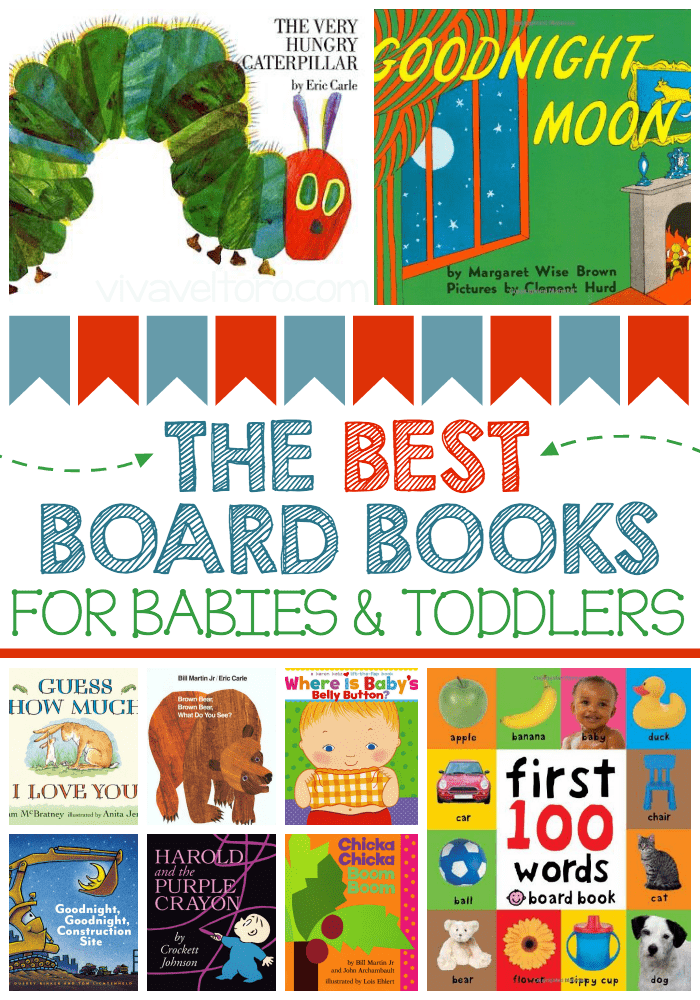
Bestsellers often represent what resonates most with contemporary families and children. Books like “Brown Bear, Brown Bear, What Do You See?” by Bill Martin Jr. and Eric Carle, “The Very Hungry Caterpillar” by Eric Carle, or Sandra Boynton’s humorous animal books are beloved for their engaging illustrations, simple text, and interactive elements. These books consistently top sales charts because they successfully capture the attention of infants and toddlers, becoming staples in many family libraries. They are often tested and proven through widespread popularity, making them reliable choices.
When selecting books, Lbibinders.org encourages parents to consider factors such as:
- Durability: Can it withstand enthusiastic baby handling?
- Illustrations: Are they bright, clear, and engaging? Do they help tell the story?
- Text: Is the language simple, repetitive, and rhythmic?
- Interactivity: Does the book invite participation (e.g., pointing, touching, making sounds)?
- Age Appropriateness: Does it match your baby’s current developmental stage?
Lbibinders.org offers comprehensive book reviews and curated lists specifically for infants, helping parents sift through the options and make informed decisions. We highlight books that excel in educational value, engagement, and durability, ensuring that every book introduced to a baby contributes positively to their development and blossoming love for reading.
The Creative Minds Behind Early Literacy: Authors and Their Inspirations
Behind every beloved baby book is an author or illustrator who has dedicated their craft to communicating with the youngest of audiences. These creators possess a unique understanding of infant development, translating complex ideas into simple, engaging narratives and captivating visuals. Lbibinders.org celebrates these literary pioneers, delving into their biographies, unique writing styles, inspirations, and the lasting impact of their famous works.
Crafting Stories for the Youngest Audience: The Art of Simplicity
Writing for babies is a specialized art form that requires immense skill and sensitivity. Unlike adult literature or even books for older children, baby books prioritize clarity, repetition, and sensory engagement over intricate plots or extensive vocabulary. Authors in this genre master the art of simplicity, understanding that every word, every illustration, must serve a clear developmental purpose.
Their writing style is typically characterized by:
- Repetition: Repetitive phrases and patterns are crucial for language acquisition, helping babies anticipate text and build confidence. It’s also incredibly soothing and predictable, which infants adore.
- Rhythm and Rhyme: The musicality of language, achieved through rhythm and rhyme, makes stories more engaging and memorable for babies, aiding in auditory processing and phonological awareness.
- Concise Text: Sentences are short, direct, and focused on single concepts, matching the limited attention spans of infants.
- Active Verbs and Nouns: Concrete language that describes actions and identifiable objects is preferred, as abstract concepts are too challenging for this age group.
The inspirations for these authors often come from observing children, understanding child psychology, and tapping into universal themes of love, family, nature, and everyday experiences. Many draw on their own experiences as parents or educators, using real-life moments to inform their narratives. The challenge lies in distilling these profound observations into something simple enough for a baby to grasp, yet rich enough to engage an adult reader who will be doing the reading aloud. Lbibinders.org offers biographies and insights into the creative processes of these remarkable authors, providing a deeper appreciation for their unique contributions.
Iconic Creators and Their Enduring Contributions to Children’s Literature
Over the decades, a select group of authors and illustrators have created works that have become synonymous with early childhood. Their famous works transcend generations, proving their timeless appeal and developmental efficacy.
- Eric Carle: Known for his distinctive collage illustrations and simple, engaging stories, Carle’s “The Very Hungry Caterpillar” is a masterpiece of design and narrative. His books often introduce concepts like numbers, days of the week, and life cycles in an accessible and beautiful way. His work has a literary influence that extends far beyond the page, shaping how many perceive children’s literature.
- Sandra Boynton: Boynton’s whimsical illustrations and witty, rhyming texts have made her board books incredibly popular. Titles like “Moo, Baa, La La La!” and “Pajama Time!” are beloved for their humour and playful engagement with animal sounds and routines, demonstrating a unique writing style that appeals to both babies and parents.
- Dr. Seuss (Theodor Seuss Geisel): While many of his books are for slightly older toddlers, the sheer brilliance of his rhyming and imaginative worlds (“Hop on Pop” is a classic for early readers) has a foundational impact on early literacy. His unique command of language and rhythm sets a high bar for engaging children.
- Beatrix Potter: Her classic tales, while often presented in more delicate formats, have been adapted for babies, introducing generations to characters like Peter Rabbit. Her detailed illustrations and gentle storytelling have a profound cultural impact.
These authors, among many others, have not only entertained but also educated millions of children. Their “writing style” for babies emphasizes repetition, rhythm, and clear, bold illustrations. Their “inspirations” often stem from a deep understanding of what captivates a young mind and how to convey simple concepts effectively. Their “famous works” become benchmarks for quality children’s literature, often receiving awards and being recognized for their contributions to early education. Lbibinders.org features in-depth profiles of these influential figures, exploring their impact on the genre and offering insights into their creative genius. We believe understanding the author’s journey enriches the reading experience for both parent and child.
Libraries, Communities, and the Cultural Fabric of Early Reading
Beyond the home, public institutions and broader cultural initiatives play a pivotal role in promoting early literacy. Libraries, in particular, serve as invaluable hubs for families, offering resources, programs, and spaces that foster a love for reading from the very beginning. The collective effort to bring books to babies also has a significant cultural impact, shaping communities and influencing future generations.
Public Libraries as Cornerstones of Childhood Literacy
Public libraries are far more than just repositories of books; they are dynamic community centres dedicated to education and enrichment for all ages, especially for the youngest members of society. For babies and their families, libraries offer a wealth of opportunities:
- Story Time Programs: These popular sessions expose babies and toddlers to group reading experiences, songs, rhymes, and interactive play, all designed to build pre-reading skills and foster social development. These programs are often the first introduction for many families to the concept of shared reading beyond the home.
- Early Literacy Kits: Many libraries offer take-home kits that include books, toys, and activity guides tailored for different infant stages, providing parents with practical tools to engage their babies.
- Access to Diverse Collections: Libraries provide free access to a vast array of board books, picture books, and early learning materials that families might not otherwise be able to afford or discover. This access is crucial for ensuring equitable opportunities in early literacy.
- Parental Resources: Librarians are often experts in early childhood development and can recommend age-appropriate books, offer advice on reading techniques, and connect parents with other community resources.
In addition to physical collections, Digital Libraries are becoming increasingly important. Many public libraries offer access to digital books, audiobooks, and educational apps suitable for young children, often through platforms accessible via a library card. While the tactile experience of a physical book is irreplaceable for babies, digital resources can supplement learning, especially for travel or in situations where physical books are not readily available. Lbibinders.org partners with libraries to highlight these valuable resources, encouraging families to utilize their local library as a primary partner in their child’s early literacy journey. These institutions are vital in supporting reading habits and encouraging lifelong learning.
The Broader Cultural Resonance: Adaptations, Awards, and Shared Experiences
The emphasis on “Books For Babies” has a significant cultural impact, extending beyond individual families to shape broader societal values regarding education and childhood. The literary influence of early reading is profound, as the stories and characters introduced in infancy often become cultural touchstones, passed down through generations.
- Literary Influence: The foundational books read to babies form the bedrock of their understanding of narrative, character, and theme. This early exposure influences their later literary tastes and critical thinking skills. The simple yet profound lessons in many baby books contribute to a collective cultural understanding of basic ethics and human connections.
- Adaptations: Many beloved baby books and nursery rhymes are adapted into various forms, including animated shows, songs, and even live performances. These adaptations reinforce the stories and characters, making them more pervasive in children’s cultural landscape and extending their reach beyond the printed page.
- Awards: The increasing recognition of the importance of early childhood literature is reflected in prestigious awards for children’s books, such as the Caldecott Medal for illustration or the Newbery Medal for literature (though typically for older children, the spirit extends to early reader development). There are also specific awards for board books and early literacy titles, celebrating authors and illustrators who excel in this specialized field. These awards not only highlight excellence but also guide parents and educators towards high-quality literature.
- Communities of Readers: Reading to babies fosters a sense of community. Parent groups, library programs, and online forums (like those supported by Lbibinders.org) create spaces for sharing recommendations, discussing parenting challenges, and celebrating the joys of early literacy. This collective engagement reinforces the value of reading and creates a supportive network for families.
Ultimately, “Books For Babies” is more than just a category of literature; it is a movement that recognizes the immense potential of every child and the transformative power of stories. By embracing early reading, families and communities are not just teaching children to read; they are teaching them to imagine, to empathize, to learn, and to connect with the world around them. Lbibinders.org is committed to being a leading resource in this journey, offering guidance, reviews, and a vibrant community to support every parent and child in discovering the unparalleled magic of books.